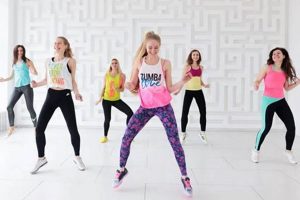
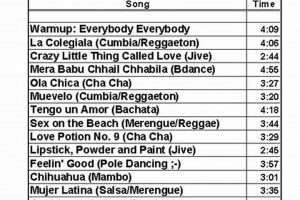
These are musical selections utilized by Zumba Instructor Network (ZIN) members in their Zumba classes. These tracks are integral to providing the dynamic, rhythmic foundation for choreographed fitness routines that combine dance and aerobic elements. As an example, a ZIN member might choose a high-energy Latin pop song to lead participants through a salsa-inspired sequence.
The significance of these selections lies in their ability to motivate participants, enhance the overall fitness experience, and contribute to the effectiveness of the Zumba program. Historically, the selection of music has evolved, incorporating diverse genres and international rhythms to cater to varying tastes and fitness goals. This variety keeps classes fresh and engaging, fostering participant retention and promoting a positive association with exercise.
The following sections will delve into specific aspects of music selection for Zumba classes, exploring factors such as genre popularity, licensing considerations, and practical advice for instructors in creating effective and enjoyable routines.
Guidance on Music Selection for Zumba Instructors
The careful selection and utilization of musical tracks are crucial components of a successful Zumba class. The following guidelines are designed to assist instructors in maximizing the effectiveness and enjoyment of their sessions.
Tip 1: Genre Diversity: Incorporate a variety of musical genres, including Latin rhythms (salsa, merengue, cumbia), international beats (reggaeton, bhangra), and popular music. This approach caters to diverse participant preferences and maintains engagement.
Tip 2: Tempo Variation: Select tracks with varying tempos to provide a balanced workout. Higher tempos are suitable for high-intensity segments, while slower tempos facilitate cool-down and recovery periods.
Tip 3: Structuring a Playlist: Plan the sequence of tracks to create a cohesive and progressive workout. Begin with warm-up tracks, transition to high-energy routines, and conclude with cool-down exercises.
Tip 4: Cultural Sensitivity: Ensure cultural sensitivity in music selection and choreography, avoiding potentially offensive or inappropriate content. Research the origins and meanings of dance styles and music to promote respectful and inclusive classes.
Tip 5: Music Licensing Compliance: Adhere to all applicable copyright laws and music licensing agreements. Obtain necessary permissions from performing rights organizations (PROs) such as ASCAP, BMI, and SESAC to legally use music in commercial fitness classes.
Tip 6: Adaptation to Participant Level: Adjust music selection to accommodate the fitness levels of participants. Beginner classes may benefit from slower tempos and simpler choreographies, while advanced classes can incorporate more complex routines and faster rhythms.
Tip 7: Monitor Participant Response: Observe participant reactions to different musical styles and tempos. Feedback can inform future playlist selections and ensure that classes remain engaging and enjoyable.
Implementing these recommendations will lead to a more dynamic, effective, and legally compliant Zumba class. The strategic selection of musical tracks is a cornerstone of a successful Zumba program, fostering participant engagement and contributing to positive fitness outcomes.
The concluding section will provide further insights into maximizing the benefits of Zumba instruction and ensuring long-term success as a Zumba instructor.
1. Rhythm
Rhythm forms the bedrock of music selections for Zumba Instructor Network (ZIN) members, providing the necessary structure for choreographed routines. The rhythmic pattern dictates the pace and flow of movements, enabling participants to synchronize their actions effectively. Without a defined rhythm, the choreography loses cohesion, diminishing the workout’s impact. The selection of music with a strong, discernible beat is crucial for maintaining participant engagement and ensuring accurate execution of steps. As an illustration, a consistent 4/4 time signature in a reggaeton track facilitates structured dance sequences that are both energetic and easy to follow.
The influence of rhythm extends beyond mere synchronization. Specific rhythms evoke different emotional responses and cultural connections, which contributes significantly to the overall Zumba experience. Latin rhythms, for example, inherently promote a sense of celebration and energy, while African rhythms can encourage grounding and strength. Instructors often strategically select music with rhythms that complement the intensity and purpose of each segment of the class. This careful consideration enhances participant motivation and encourages sustained effort throughout the workout.
A thorough understanding of rhythm and its interaction with movement is paramount for ZIN members. Improperly aligned rhythms can lead to confusion, reduced workout efficacy, and potential injuries. Therefore, instructors must possess a keen sense of musicality and the ability to discern rhythmic nuances to ensure that their music selections effectively support and enhance the Zumba experience. Ultimately, a well-chosen rhythmic foundation results in a more engaging, effective, and enjoyable fitness experience for participants.
2. Tempo

Tempo, defined as the speed or pace of a musical piece, holds significant importance for music used by Zumba Instructor Network (ZIN) members. The tempo dictates the intensity and energy level of the choreography and directly affects participant engagement and workout effectiveness.
- Cardiovascular Impact
Tempo directly correlates with the heart rate and exertion levels of participants. Faster tempos increase cardiovascular demand, suitable for high-intensity segments. Conversely, slower tempos allow for recovery and cool-down exercises. The selection of appropriate tempos is essential for achieving desired physiological outcomes within the Zumba class.
- Choreographic Feasibility
The tempo must align with the complexity of the choreography. Intricate routines require a moderate tempo to allow participants to learn and execute movements correctly. Simpler choreography can accommodate faster tempos, enhancing the energy and dynamism of the class. Instructors must balance choreographic complexity with tempo to maintain participant engagement and prevent discouragement.
- Musical Genre Consistency
Each musical genre associated with Zumba typically has a characteristic tempo range. Salsa music generally falls within a specific tempo range, while reggaeton typically features a different, often faster, pace. Adhering to tempo conventions within each genre helps maintain authenticity and allows participants to easily recognize and engage with the music.
- Participant Skill Level
Tempo selections must consider the skill level of participants. Beginner classes benefit from slower tempos, enabling individuals to learn basic steps and build confidence. Advanced classes can incorporate faster tempos and more complex rhythms to challenge experienced participants and enhance their fitness levels. Adaptation of tempo is crucial for ensuring that all participants can successfully engage with the workout.
The effective management of tempo is a critical skill for Zumba instructors. By carefully selecting tempos that align with cardiovascular goals, choreographic demands, musical genres, and participant skill levels, instructors can create engaging, effective, and enjoyable fitness experiences. Tempo serves as a fundamental element in shaping the overall impact and success of ZIN Zumba class.
3. Genre

Genre is a foundational element within the selection of musical tracks by Zumba Instructor Network (ZIN) members. Its influence extends beyond mere categorization, shaping the choreographic possibilities, cultural appeal, and overall engagement of a Zumba class.
- Latin Rhythms
Latin genres such as salsa, merengue, and cumbia form the core of many Zumba routines. These rhythms inherently lend themselves to dance-based fitness programs due to their infectious energy and structured beats. For example, a salsa track provides a natural framework for partner-style steps adapted for individual fitness, while merengue allows for rapid footwork and dynamic arm movements.
- International Influences
Beyond Latin America, various international genres enhance the diversity of Zumba classes. Reggaeton introduces urban beats and contemporary dance styles, while bhangra incorporates high-energy rhythms from India. The incorporation of these genres broadens the appeal of Zumba, attracting participants with diverse cultural backgrounds and musical preferences.
- Pop Music Integration
Contemporary pop music often finds its way into Zumba classes, providing a familiar and accessible element. Remixes of popular songs, adjusted to fit the tempo and energy level of Zumba routines, can motivate participants and increase engagement. However, instructors must carefully consider licensing restrictions and adapt choreography to suit the rhythmic structure of pop music.
- Genre Blending and Innovation
Experimentation with genre blending is a hallmark of innovative Zumba instruction. Fusion of different musical styles, such as combining hip-hop with Latin rhythms, creates unique and engaging routines. This approach requires a strong understanding of musical structure and choreographic principles to ensure a cohesive and effective fitness experience.
The strategic application of genre diversity is a key differentiator for successful Zumba instructors. By incorporating a range of musical styles, ZIN members can cater to diverse participant preferences, maintain class engagement, and create a dynamic and culturally inclusive fitness environment. The understanding and appreciation of genre is fundamental to the effective execution of the Zumba program.
4. Licensing

The utilization of musical compositions by Zumba Instructor Network (ZIN) members necessitates strict adherence to copyright law and music licensing agreements. Licensing represents a critical, often overlooked, component of legally employing music in a commercial fitness setting. Without proper licensing, instructors risk legal repercussions, including fines and potential litigation from copyright holders or performing rights organizations (PROs) such as ASCAP, BMI, and SESAC. This requirement directly affects the selection and use of music within Zumba classes; ZIN members must ensure that all chosen tracks are either licensed for public performance or fall under the purview of blanket licenses held by the venues where they teach. For example, if a Zumba instructor plays a popular song without the proper authorization, even within a seemingly innocuous fitness class, it constitutes copyright infringement.
The responsibility for securing appropriate licenses typically falls upon the instructor or the facility hosting the Zumba class. Blanket licenses obtained by fitness centers often cover the use of music within their premises; however, instructors must verify the scope of such licenses to ensure comprehensive coverage. Alternatively, instructors may need to acquire individual performance licenses, a process that involves reporting the musical compositions used in their classes to the relevant PROs. Failure to comply with these requirements can lead to significant financial penalties and damage to the instructor’s professional reputation. A real-world illustration is the frequent legal actions taken by PROs against businesses that publicly perform copyrighted music without authorization, demonstrating the severity of neglecting music licensing obligations.
In summary, music licensing is an indispensable element of ethical and legal Zumba instruction. The complexities of copyright law and licensing agreements demand diligent attention from ZIN members. Addressing this issue proactively not only mitigates legal risks but also fosters a culture of respect for intellectual property within the fitness industry. Navigating licensing requirements can be challenging, but the practical implications of non-compliance necessitate a thorough understanding and consistent application of music licensing principles within all Zumba class settings.
5. Motivation
Within the Zumba Instructor Network (ZIN), the strategic selection of musical tracks serves as a primary tool for fostering participant motivation. The careful curation of playlists directly influences energy levels, engagement, and the overall perceived enjoyment of the workout experience, which in turn contributes to consistent attendance and positive fitness outcomes.
- Rhythmic Entrainment and Energy Invigoration
The synchronization of movement to music, a phenomenon known as rhythmic entrainment, plays a crucial role in enhancing motivation. Energetic musical selections with compelling rhythms stimulate the motor cortex, prompting spontaneous movement and increasing physical activity levels. For example, a high-tempo Latin beat can induce a sense of excitement and encourage participants to push their physical limits. This effect is amplified when music aligns with personal preferences, creating a positive feedback loop that strengthens intrinsic motivation.
- Emotional Connection and Cultural Resonance
Music evokes emotional responses and cultural associations that can profoundly impact motivation. Tracks that resonate with participants’ cultural backgrounds or personal memories generate a sense of connection and belonging, fostering a more engaging and enjoyable experience. For instance, a song featuring familiar melodies or lyrics can elicit positive emotions, encouraging participants to invest more effort into the workout. This sense of cultural resonance transforms exercise from a chore into a celebration of identity.
- Goal Alignment and Psychological Reinforcement
The selection of musical tracks can align with specific fitness goals and provide psychological reinforcement throughout the Zumba class. Upbeat, empowering songs can instill a sense of confidence and self-efficacy, encouraging participants to challenge themselves and persevere through difficult routines. Furthermore, strategic placement of high-energy tracks during critical points in the workout can provide a boost of motivation, helping participants overcome fatigue and achieve their fitness objectives. This deliberate use of music as a motivational tool reinforces positive behavior and fosters a sense of accomplishment.
- Novelty and Variety to Combat Habituation
The human brain is susceptible to habituation, a process where repeated stimuli lose their impact over time. To combat this effect, ZIN members must introduce novelty and variety into their music selections. Regularly updating playlists with new tracks and genres prevents monotony and maintains participant engagement. This strategic rotation of music stimulates curiosity and encourages continued participation, preventing the decline in motivation associated with repetitive workouts. Furthermore, the anticipation of discovering new and exciting music adds an element of surprise that enhances the overall Zumba experience.
These facets of motivation underscore the integral relationship between music and participant engagement in ZIN Zumba classes. By leveraging the power of rhythm, emotion, goal alignment, and novelty, ZIN members can create fitness experiences that are not only effective but also intrinsically motivating, fostering long-term commitment to a healthy lifestyle. The deliberate and informed selection of tracks is thus a cornerstone of successful Zumba instruction.
6. Choreography

Choreography is inextricably linked to musical selections within Zumba Instructor Network (ZIN) classes. The music dictates the movement, and conversely, the choreography must align seamlessly with the rhythmic structure and energy of the chosen songs. In essence, the auditory component serves as the catalyst for physical expression. Without a cohesive relationship between music and movement, the effectiveness and enjoyability of the Zumba experience are compromised. As an example, a Zumba routine utilizing a salsa track necessitates choreography that incorporates steps and patterns characteristic of salsa dance, such as quick footwork and hip movements, to maintain authenticity and create a fluid, engaging workout. The selection of an inappropriate song would render the choreography disjointed and ineffective.
The importance of choreography as a component of music used by ZIN members lies in its ability to translate the auditory experience into a tangible physical workout. Choreography provides structure and purpose, guiding participants through a sequence of movements designed to improve cardiovascular fitness, coordination, and muscle tone. For instance, a Zumba instructor might choreograph a series of steps that progressively increase in intensity over the duration of a three-minute song, creating a dynamic and challenging cardiovascular workout. The practical significance of this understanding manifests in the ability of instructors to create effective, safe, and enjoyable classes that attract and retain participants. A poorly choreographed routine, even with engaging music, can lead to participant frustration, potential injury, and decreased motivation.
In summary, choreography and music function as interdependent elements within the ZIN Zumba framework. The success of a Zumba class depends on the harmonious integration of carefully selected music and thoughtfully designed movement sequences. Challenges arise in striking a balance between accessibility for novice participants and engaging complexity for experienced individuals, requiring instructors to possess a deep understanding of both musicality and movement. The ultimate goal is to provide a workout that is not only physically beneficial but also intrinsically rewarding, fostering a positive association with exercise and promoting long-term adherence to a healthy lifestyle.
Frequently Asked Questions About ZIN Zumba Songs
This section addresses common inquiries regarding the selection and utilization of music by Zumba Instructor Network (ZIN) members. The information provided aims to clarify key aspects of music licensing, genre considerations, and practical application in Zumba classes.
Question 1: What constitutes a “ZIN Zumba Song?”
A “ZIN Zumba Song” refers to any musical piece used by a Zumba Instructor Network member in their Zumba classes. These songs span a wide variety of genres and are chosen to facilitate choreographed dance-fitness routines.
Question 2: Why is music licensing so crucial for ZIN Zumba songs?
Music licensing is essential because it ensures compliance with copyright law. The unauthorized public performance of copyrighted musical works can lead to legal penalties. Instructors must secure appropriate licenses from performing rights organizations (PROs) or ensure that the venues where they teach possess blanket licenses.
Question 3: How diverse are the genres of musical tracks used in Zumba classes?
The genres of musical tracks utilized in Zumba classes exhibit considerable diversity. Instructors often incorporate Latin rhythms (salsa, merengue, cumbia), international beats (reggaeton, bhangra), and popular music to cater to varying participant preferences and maintain engagement.
Question 4: What factors influence the selection of tempo in ZIN Zumba songs?
Several factors influence the selection of tempo, including the desired intensity of the routine, the complexity of the choreography, and the skill level of participants. Faster tempos are suitable for high-intensity segments, while slower tempos accommodate cool-down exercises and beginner classes.
Question 5: How does the selection of music contribute to participant motivation in Zumba classes?
The selection of music plays a pivotal role in participant motivation. Energetic musical selections with compelling rhythms stimulate movement, while tracks that resonate with participants’ cultural backgrounds create a sense of connection. Strategic placement of high-energy tracks can provide psychological reinforcement throughout the workout.
Question 6: How important is the alignment between choreography and music in Zumba instruction?
The alignment between choreography and music is paramount. Choreography must complement the rhythmic structure and energy of the chosen songs. A cohesive relationship between music and movement is essential for creating an effective, safe, and enjoyable Zumba experience.
These FAQs highlight the critical aspects of music selection and usage in Zumba classes. Proper understanding of these elements is crucial for effective Zumba instruction and compliance with legal regulations.
The subsequent section will present practical tips for ZIN members to enhance their playlists and elevate the overall Zumba experience.
Conclusion
The preceding analysis has detailed the critical role of musical selections within the ZIN Zumba context. Emphasis has been placed on the multifaceted considerations that govern effective music implementation, encompassing legal compliance, genre diversification, tempo management, motivational impact, and choreographic alignment. Each element contributes significantly to the participant experience and the overall success of the Zumba program.
Therefore, a comprehensive understanding of these principles is essential for all ZIN members seeking to optimize their instructional practices. Continued diligence in music selection, combined with ongoing professional development, will ensure the delivery of engaging, effective, and legally sound Zumba classes, fostering a positive impact on participant well-being and contributing to the sustained growth of the Zumba community.