Effective marketing strategies for fitness programs, specifically those centered around dance-based exercise, are essential for attracting and retaining participants. This involves employing a combination of methods to raise awareness and generate interest within a target demographic. For instance, a studio might utilize social media campaigns showcasing class energy and participant testimonials to draw in new clients.
The success of a fitness business depends on the ability to communicate value and build community. Strategic outreach efforts contribute to increased enrollment and overall program sustainability. Historically, word-of-mouth referrals were a primary driver; however, modern approaches now leverage digital platforms for broader reach and targeted communication, creating a more diverse and inclusive client base.
The subsequent sections will explore specific tactics relevant to building a robust marketing plan, encompassing both online and offline methods, and addressing considerations for budget allocation, target audience identification, and measurement of campaign effectiveness. These elements are fundamental for a successful and comprehensive approach to expanding class participation.
Strategies for Zumba Class Promotion
This section outlines practical strategies designed to increase participation and visibility for Zumba classes, contributing to sustainable growth and community engagement.
Tip 1: Leverage Social Media Platforms: Consistent posting of engaging content, including videos of classes, participant testimonials, and instructor profiles, enhances online presence and attracts potential clients. Utilize platform-specific strategies, such as Instagram Reels for short, energetic clips and Facebook events for class scheduling and updates.
Tip 2: Optimize Local Search Engine Optimization (SEO): Claim and optimize business listings on platforms like Google My Business to ensure visibility when prospective students search for fitness classes in the area. Include relevant keywords, accurate contact information, and high-quality photos of the studio.
Tip 3: Offer Introductory Promotions: Attract new participants with discounts on initial classes or introductory packages. Consider offering a free trial class to allow individuals to experience the Zumba format firsthand, reducing the barrier to entry.
Tip 4: Partner with Local Businesses: Collaborate with complementary businesses, such as health food stores, gyms, or community centers, to cross-promote services. This can involve offering discounts to each other’s clients or hosting joint events.
Tip 5: Implement a Referral Program: Incentivize current students to refer new participants through a referral program that rewards both the referrer and the new student. This fosters a sense of community and leverages the power of word-of-mouth marketing.
Tip 6: Utilize Email Marketing: Build an email list and send regular newsletters containing class schedules, special offers, and motivational content. Segment the list to tailor messaging based on client interests and engagement levels.
Tip 7: Showcase Instructor Expertise: Highlight the qualifications and experience of the Zumba instructors. This builds trust and credibility, reassuring potential participants that they will receive quality instruction.
Implementing these strategies facilitates broader audience reach and establishes a solid foundation for attracting and retaining students in dance-based fitness programs.
The following section will provide tools for assessing the effectiveness of promotional campaigns and provide direction for ongoing refinement and optimization.
1. Target Audience Identification
Target audience identification forms a foundational element in effective promotional strategies for Zumba classes. It dictates the subsequent decisions regarding marketing channels, messaging, and budget allocation. A misidentified audience can lead to inefficient resource utilization and a diminished return on investment. For example, if marketing efforts focus predominantly on younger demographics via platforms like TikTok, while the actual target audience consists of middle-aged adults, a significant portion of the promotional expenditure will be wasted.
The connection between target audience identification and successful Zumba class promotion is causal. Understanding the demographics, psychographics, and behavioral patterns of the prospective student base enables tailored campaign development. This includes selecting appropriate communication channels (e.g., local newspapers, community bulletin boards, senior center partnerships for older demographics), crafting resonant messaging (e.g., emphasizing fitness benefits, social interaction, stress relief), and optimizing class schedules to align with audience availability. Failing to tailor these elements results in reduced engagement and conversion rates. A specific example would be marketing “Mommy and Me” Zumba classes to mothers with young children through parenting blogs and local community groups; a strategy far more effective than generic fitness advertising.
Accurate identification of the target audience ensures promotional resources are directed towards individuals most likely to convert into paying students. This approach maximizes the efficiency of marketing expenditures and contributes to sustainable growth. The alignment of promotional activities with audience needs and preferences results in heightened brand recognition, improved customer loyalty, and ultimately, increased class attendance. Consequently, target audience identification is not merely a preliminary step but an integral and continuous component of a successful promotional framework. This process allows marketers to make informed decisions, improve marketing campaigns and deliver long-term results to grow Zumba classes.
2. Compelling Visual Content

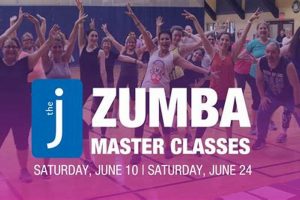
The strategic use of visual content is paramount in effective promotional strategies for Zumba classes. It serves as the initial point of engagement, capturing attention and conveying the essence of the fitness experience. High-quality visuals can transcend language barriers and cultural differences, resonating with a broader audience and fostering a sense of connection.
- High-Energy Class Demonstrations
Authentic video footage showcasing Zumba classes in action provides potential students with a realistic preview of the workout. These demonstrations should highlight the dynamic movements, engaging music, and overall positive atmosphere. For example, a well-produced video might feature diverse participants of varying fitness levels successfully executing dance routines, emphasizing inclusivity and accessibility. This can significantly reduce apprehension among newcomers who may feel intimidated by the prospect of joining a fitness class.
- Instructor Profiles and Introductions
Photographs and short video clips introducing the Zumba instructors create a personal connection and build trust. These visuals should convey the instructor’s passion, experience, and ability to motivate participants. A compelling instructor profile might showcase the instructor’s certifications, teaching philosophy, and commitment to creating a supportive and encouraging environment. This humanizes the brand and fosters a sense of community.
- Before-and-After Transformations (with Permission)
Images and videos documenting the physical transformations achieved by Zumba participants (with their explicit consent) serve as powerful testimonials. These visuals should be authentic and demonstrate the tangible benefits of consistent participation, such as weight loss, improved muscle tone, and increased energy levels. Such content must be presented ethically, avoiding unrealistic expectations and emphasizing the importance of a holistic approach to health and wellness.
- Visually Appealing Studio Environment
Photographs and videos showcasing the studio’s ambiance can significantly influence potential students’ perceptions. Clean, well-lit, and aesthetically pleasing visuals of the studio space create a welcoming and professional impression. These visuals should highlight amenities such as mirrors, sound systems, and comfortable waiting areas. A visually appealing environment contributes to a positive overall experience and reinforces the value proposition of the Zumba class.
The strategic integration of these visual content elements into marketing materials, including social media posts, website landing pages, and promotional flyers, serves to elevate the perception of Zumba classes and enhance their appeal. The consistent creation and distribution of high-quality visuals demonstrate professionalism, build brand recognition, and ultimately contribute to increased enrollment and sustained growth. The selection of visuals, framing, colors, and subject matter needs to be carefully considered for each medium used, to target the correct audiences and deliver the intended messaging.
3. Community Partnerships Cultivation
Community partnerships cultivation plays a critical role in promoting Zumba classes, acting as a force multiplier for marketing efforts. These partnerships establish a network of mutual support and promotion, extending reach beyond traditional advertising channels. Collaborations with local businesses, community centers, and healthcare providers generate credibility and introduce Zumba to new demographics. The establishment of such relationships facilitates targeted marketing opportunities and often results in reduced marketing costs. A local health food store, for instance, may offer discounts on Zumba classes to its customers, while the Zumba studio could promote the store’s products to its clientele, creating a mutually beneficial exchange. This expands awareness organically and taps into pre-existing customer bases.
The efficacy of community partnerships stems from their capacity to build trust and foster local engagement. Partnering with established organizations lends credibility to the Zumba classes, particularly among individuals hesitant to try new fitness activities. For instance, a partnership with a senior center could introduce Zumba Gold, a modified version of Zumba designed for older adults, directly to the target demographic. This offers a familiar and trusted environment for potential students to learn about and participate in the classes. Such initiatives demonstrate a commitment to community well-being and create positive associations with the Zumba brand. Moreover, partnerships enable joint marketing campaigns, such as co-branded events and social media promotions, which amplify the reach and impact of promotional messages.
In conclusion, community partnerships are an essential component of a comprehensive promotional strategy for Zumba classes. They provide access to new markets, enhance brand credibility, and foster community engagement. The cultivation of these relationships requires strategic planning, effective communication, and a commitment to mutual benefit. Organizations seeking to promote Zumba classes should prioritize establishing and nurturing partnerships with relevant community stakeholders to achieve sustainable growth and enhance their presence within the local community. By leveraging the power of collaboration, Zumba classes can reach a wider audience, build stronger relationships, and create a thriving fitness community.
4. Strategic Digital Advertising

Strategic digital advertising represents a crucial component in contemporary promotional efforts for Zumba classes. It enables precise targeting, measurable results, and efficient budget allocation, distinguishing it from traditional marketing approaches. A well-executed digital campaign can significantly enhance visibility, generate leads, and drive enrollment.
- Platform Selection and Audience Targeting
The initial step involves identifying the platforms most frequented by the target demographic. For example, if the desired audience comprises younger adults, platforms like Instagram and TikTok become primary channels. Conversely, Facebook may be more effective for reaching older demographics. Precise audience targeting capabilities within these platforms allow for the delivery of ads based on factors such as age, location, interests, and online behavior. This ensures that advertisements are viewed by individuals most likely to be interested in Zumba classes. A campaign targeting new mothers, for example, could focus on Facebook groups and pages related to parenting and fitness. The alignment of platform and audience is paramount for campaign success.
- Ad Creative Optimization
The visual and textual content of digital advertisements must be compelling and optimized for engagement. High-quality images and videos showcasing the energy and fun of Zumba classes are essential. Ad copy should be concise, persuasive, and include a clear call to action. A/B testing different ad variations, such as headlines, images, and calls to action, allows for the identification of the most effective creative elements. For instance, testing two different video ads, one focusing on weight loss and the other on stress relief, can reveal which message resonates more strongly with the target audience. Continuous optimization based on performance data is crucial for maximizing the effectiveness of ad spend.
- Budget Management and ROI Tracking
Effective budget management is essential to ensure that digital advertising efforts are financially sustainable. Setting daily or lifetime budget limits prevents overspending. Tracking key performance indicators (KPIs) such as click-through rates (CTR), conversion rates, and cost per acquisition (CPA) provides valuable insights into campaign performance. Google Analytics and platform-specific analytics tools enable detailed analysis of website traffic, lead generation, and enrollment numbers. This data-driven approach allows for the optimization of budget allocation, directing resources towards the most effective channels and campaigns. Calculating return on investment (ROI) provides a clear understanding of the profitability of digital advertising efforts. A positive ROI indicates that the campaign is generating more revenue than it is costing, justifying continued investment.
- Search Engine Marketing (SEM) and SEO Integration
Search engine marketing (SEM), particularly through platforms like Google Ads, enables targeted advertising to individuals actively searching for Zumba classes or related fitness activities. Keyword research identifies the terms that potential students are using to find classes in their area. Creating targeted ad campaigns based on these keywords ensures that ads appear prominently in search engine results. Search engine optimization (SEO) efforts complement SEM by improving the organic ranking of the Zumba studio’s website in search results. Optimizing website content with relevant keywords, building backlinks, and ensuring mobile-friendliness enhance visibility and drive organic traffic. The integration of SEM and SEO strategies creates a comprehensive approach to attracting potential students through search engines. A local Zumba studio, for instance, could target keywords such as “Zumba classes near me” or “dance fitness workouts [city name]” to attract local searchers.
The facets of strategic digital advertising underscore its instrumental role in the effective promotion of Zumba classes. Through targeted platform selection, compelling ad creative, meticulous budget management, and the integration of SEM and SEO, digital campaigns can significantly amplify visibility, generate qualified leads, and drive sustainable enrollment growth. The data-driven approach inherent in digital advertising provides the insights necessary for continuous optimization, ensuring that promotional efforts remain effective and efficient. The integration of these factors allows for the sustained success of classes.
5. Measurable Results Tracking
Effective promotion of Zumba classes necessitates a systematic approach to measurable results tracking. Marketing investments without a mechanism for performance evaluation are inherently inefficient and can lead to resource wastage. Measurement provides the essential feedback loop for campaign optimization, enabling informed decisions about resource allocation and strategic adjustments. The cause-and-effect relationship is evident: promotional efforts are directly linked to measurable outcomes, such as website traffic, lead generation, and ultimately, class enrollment. For example, without tracking the source of new student sign-ups, it is impossible to ascertain whether a social media campaign or a local newspaper advertisement is the more effective strategy. A practical instance involves analyzing website traffic data to determine which referral sources (e.g., Facebook, Google Ads, Yelp) contribute the most to class registration. This information then informs the decision to allocate more resources to the highest-performing channel.
The importance of measurable results tracking is further underscored by its role in demonstrating return on investment (ROI). This is particularly crucial for justifying marketing expenditures to stakeholders or securing additional funding. By accurately tracking the cost of each marketing activity and correlating it with the revenue generated from new student enrollments, a clear picture of ROI emerges. Consider a scenario where a Zumba studio invests in a targeted Facebook advertising campaign. Through tracking, it is determined that the campaign cost $500 and resulted in 20 new student enrollments, each generating $100 in revenue. The ROI would be calculated as (($2000 – $500) / $500) * 100 = 300%, indicating a highly successful campaign. Such data-driven insights empower informed decision-making and contribute to the long-term financial sustainability of the Zumba classes.
In summary, measurable results tracking constitutes an indispensable element of successful Zumba class promotion. It facilitates data-driven decision-making, enables campaign optimization, and demonstrates return on investment. While challenges may arise in accurately attributing results to specific marketing activities, particularly in multi-channel campaigns, consistent and diligent tracking practices are essential. This approach ensures that promotional efforts are effective, efficient, and contribute to the sustainable growth of the Zumba program. Continuous monitoring and analysis of key performance indicators are vital to maximizing campaign impact and ensuring alignment with overall business objectives.
Frequently Asked Questions
This section addresses common inquiries regarding strategies for promoting Zumba classes, offering guidance on effective marketing practices.
Question 1: What constitutes the most effective initial step in promoting Zumba classes?
The initial and most crucial step involves identifying the target audience. Understanding the demographics, psychographics, and fitness goals of potential participants allows for tailoring marketing messages and selecting appropriate channels.
Question 2: How can social media be effectively leveraged to promote Zumba classes?
Social media platforms provide a cost-effective means of reaching potential students. Consistent posting of engaging content, including class videos, participant testimonials, and instructor profiles, enhances visibility and drives interest. Targeted advertising can further refine reach based on demographics and interests.
Question 3: What are the key elements of a successful Zumba class advertisement?
A successful advertisement should feature high-quality visuals showcasing the energy and fun of a Zumba class. Compelling copy highlighting the fitness benefits, such as calorie burning, muscle toning, and stress relief, is essential. A clear call to action, directing viewers to class schedules and registration information, is also crucial.
Question 4: How can community partnerships contribute to the promotion of Zumba classes?
Collaborating with local businesses, community centers, and healthcare providers expands reach and enhances credibility. Cross-promotional opportunities, such as offering discounts to each other’s clients or hosting joint events, generate mutual benefits.
Question 5: What is the role of search engine optimization (SEO) in promoting Zumba classes?
SEO improves the visibility of a Zumba studio’s website in search engine results, driving organic traffic. Optimizing website content with relevant keywords, building backlinks, and ensuring mobile-friendliness are key SEO strategies.
Question 6: How can the effectiveness of promotional efforts be measured?
Tracking key performance indicators (KPIs), such as website traffic, lead generation, and class enrollment numbers, provides valuable insights into campaign performance. Analyzing ROI (return on investment) helps determine the profitability of marketing activities.
The answers provided emphasize the importance of strategic planning, targeted messaging, and measurable results tracking in promoting Zumba classes. Understanding these principles enables effective marketing practices and drives sustained growth.
The following section will summarize the key takeaways and offer concluding remarks.
Conclusion
The preceding discussion comprehensively addressed the multifaceted strategies encompassed by “how to promote zumba classes.” Key points included the necessity of target audience identification, the strategic application of compelling visual content, the cultivation of mutually beneficial community partnerships, the implementation of targeted digital advertising campaigns, and the rigorous tracking of measurable results to optimize marketing expenditures. These elements, when executed cohesively, contribute to a robust and sustainable promotional framework.
Sustained success in the fitness industry necessitates a commitment to continuous adaptation and refinement of marketing methodologies. Prioritizing data-driven insights and remaining responsive to evolving market trends will be critical for maximizing enrollment and fostering a thriving Zumba community. The diligent application of the principles outlined herein represents a strategic imperative for achieving long-term organizational objectives.