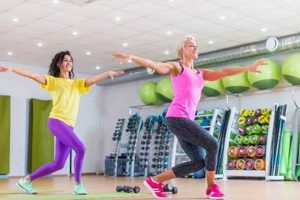
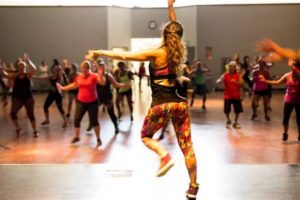
Becoming a licensed Zumba educator involves successfully completing a training program that authorizes individuals to teach Zumba classes. This process typically entails attending a course led by Zumba Education Specialists, learning core Zumba moves and rhythms, and demonstrating the ability to lead a class effectively. For example, an individual might participate in a Basic 1 training, after which they are then permitted to offer Zumba classes under the Zumba Fitness, LLC license.
Achieving this qualification provides numerous advantages, including the right to use the Zumba trademark and brand recognition, access to official Zumba music and choreography, and inclusion in the Zumba instructor network. This certification can lead to increased class attendance, enhanced credibility as a fitness professional, and opportunities for professional growth through advanced training and specialization. Historically, this pathway has allowed many to build successful careers within the fitness industry, capitalizing on the popularity and global reach of the Zumba program.
The subsequent sections will delve deeper into the specifics of the training programs, the required skill set, the ongoing responsibilities of licensed instructors, and the potential career paths available after qualification.
Guidance for Aspiring Zumba Educators
The following provides practical recommendations for individuals considering pursuing Zumba instructor certification. Adherence to these guidelines can improve the likelihood of success in the certification process and subsequent teaching career.
Tip 1: Assess Physical Fitness. Prior to enrolling in a training course, ensure an adequate level of physical fitness. Zumba instruction requires stamina and the ability to perform dance-fitness movements for extended periods. Regular cardiovascular exercise and strength training are beneficial.
Tip 2: Research Training Options. Zumba offers various training programs, each focusing on different specialties (e.g., Zumba Kids, Zumba Gold). Select a program that aligns with personal interests and target demographic.
Tip 3: Familiarize Yourself with Zumba Basics. While the training course covers fundamentals, prior exposure to Zumba classes can provide a significant advantage. Attending classes as a participant helps familiarize oneself with basic steps and rhythms.
Tip 4: Actively Participate in the Training. Engage fully in the training sessions. Ask questions, practice the choreography, and seek clarification on any unclear concepts. Active participation maximizes learning and skill development.
Tip 5: Master Choreography and Cueing. Effective Zumba instruction relies on clear cueing and accurate demonstration of choreography. Practice cueing techniques and refine dance moves to ensure seamless class delivery.
Tip 6: Obtain Necessary Insurance. Professional liability insurance is crucial for instructors. Research and acquire adequate coverage to protect against potential claims arising from injuries or accidents during classes.
Tip 7: Continuous learning and updating your skills. The zumba program continue to improve, therefore the licensed instructor must attend training to be updated with latest zumba skills and method.
These tips emphasize the importance of preparation, active engagement, and professional development in the journey toward becoming a successful Zumba instructor. They assist potential educators in maximizing their training experience and establishing a solid foundation for a fitness career.
The article will continue to explore the business aspects of Zumba instruction, covering marketing strategies and class management techniques.
1. Training Program Selection

The initial step toward obtaining Zumba instructor certification involves the careful selection of a suitable training program. This decision directly influences the scope and nature of the subsequent certification. Zumba Fitness, LLC offers various specialized programs targeting different demographics and fitness goals. For instance, the Basic 1 Instructor Training focuses on foundational Zumba principles, while specialized courses like Zumba Kids or Zumba Gold cater to specific age groups or fitness levels. The choice of program dictates the content learned, the skills acquired, and ultimately, the type of Zumba classes an instructor is qualified to lead.
A poorly chosen training program can result in an instructor being ill-equipped to teach their desired target audience. An individual intending to teach Zumba to seniors, for example, would benefit more from a Zumba Gold training than a Zumba Toning training. Moreover, the level of initial training can affect eligibility for advanced certifications. Some advanced specializations may require prior completion of a Basic 1 or similar foundational course. The selection process should thus involve a thorough assessment of one’s personal fitness interests, target audience, and long-term professional goals within the Zumba ecosystem.
In summary, training program selection is a critical and causally linked component of becoming a certified Zumba instructor. The choice influences skills, target demographic, and eligibility for further professional development. Therefore, careful consideration of available options and alignment with personal and professional objectives are essential for success in this fitness domain.
2. Choreography Mastery

Choreography mastery represents a fundamental component of Zumba instructor competency and a key outcome of proper Zumba certification. Proficiency in choreography directly impacts class quality, participant engagement, and adherence to Zumbas core principles.
- Retention of Core Routines
Certified instructors must demonstrate the ability to accurately recall and execute core Zumba routines. These routines, often provided by Zumba Fitness, LLC, form the basis of many Zumba classes. Failure to retain and perform these routines effectively undermines the integrity of the Zumba program and reduces the value proposition for participants.
- Adaptation and Modification Skills
While adhering to core routines is important, instructors must also adapt and modify choreography to accommodate varying fitness levels and physical limitations among participants. This requires a deep understanding of movement principles and the ability to create safe and effective modifications. The absence of adaptive skills can lead to injury or disengagement from class participants.
- Creative Sequencing and Transitions
Beyond individual routines, instructors require skill in sequencing choreography into a cohesive and engaging class structure. Seamless transitions between different rhythms and intensities are crucial for maintaining participant momentum and enjoyment. Poor sequencing can result in disjointed classes and a loss of participant interest.
- Musicality and Rhythmic Accuracy
Zumba is inherently linked to music, and choreography mastery demands a strong sense of musicality and rhythmic accuracy. Instructors must be able to align their movements precisely with the music, ensuring a synchronized and visually appealing performance. A lack of rhythmic precision detracts from the overall Zumba experience and can diminish participant engagement.
These facets of choreography mastery highlight its central role in effective Zumba instruction and, therefore, its importance in the certification process. Competent instructors consistently demonstrate proficiency in these areas, which allows them to deliver high-quality Zumba classes that adhere to Zumba’s standards, maximize participant engagement, and promote positive health outcomes.
3. Music Synchronization

Music synchronization constitutes a critical element within Zumba instruction, and its mastery is a vital component of the certification process. The Zumba program is fundamentally built upon the seamless integration of dance movements with specific musical rhythms and beats. This synchronization is not merely aesthetic; it directly influences the intensity, effectiveness, and overall enjoyment of the workout. Instructors seeking certification must demonstrate a proficient ability to align their choreography and cues precisely with the music provided by Zumba Fitness, LLC. This requires an understanding of musical structure, tempo changes, and the cultural context of the various musical genres used in Zumba classes. A certified instructor’s ability to stay “on the beat” ensures participants can easily follow the movements, maintain the correct pace, and experience the intended cardiovascular benefits of the workout.
The impact of poor music synchronization is readily apparent in a poorly executed Zumba class. If an instructor consistently misses the beat, fails to transition smoothly between musical sections, or chooses inappropriate music, participants are likely to become confused, frustrated, and less engaged. This can lead to decreased motivation, improper form, and a reduced overall workout effectiveness. In contrast, an instructor who exhibits a strong command of music synchronization creates a dynamic and immersive experience. Participants are more likely to lose themselves in the music and movement, pushing themselves harder and achieving better fitness results. Further, proper musicality is an integral aspect of respecting the diverse cultural origins of Zumba’s rhythms and styles, thereby creating a more inclusive and authentic class environment.
In conclusion, music synchronization is not just a supplementary skill for Zumba instructors; it is an indispensable element of effective teaching. Certification programs emphasize this skill due to its direct impact on class quality, participant engagement, and the overall integrity of the Zumba brand. Mastery of music synchronization enables instructors to deliver dynamic, culturally sensitive, and fitness-enhancing classes, while a lack of this skill can compromise the entire Zumba experience. This understanding is crucial for any aspiring Zumba instructor seeking to provide a high-quality and authentic fitness experience.
4. Instructional Proficiency

Instructional proficiency constitutes a core requirement for individuals seeking Zumba instructor certification. The certification process, governed by Zumba Fitness, LLC, is not solely a test of dance ability or fitness level; it critically assesses an individual’s capacity to effectively convey Zumba principles and techniques to a diverse group of participants. Instructional proficiency encompasses several key elements, including clear and concise cueing, accurate demonstration of movements, effective class management, and the ability to motivate and engage participants. Without this proficiency, the mere possession of Zumba choreography knowledge is insufficient to lead a successful and safe class. For instance, an instructor lacking in clear cueing skills may leave participants confused about upcoming moves, leading to frustration and potential injury. Similarly, an instructor unable to effectively manage class energy and dynamics may struggle to maintain participant engagement, ultimately diminishing the overall Zumba experience.
The Zumba certification program directly addresses this need for instructional proficiency through a combination of theoretical instruction and practical application. Candidates undergo training on effective cueing techniques, proper body mechanics, and strategies for adapting movements to accommodate different fitness levels. The certification process typically includes observed teaching sessions where candidates are evaluated on their ability to implement these principles in a simulated class environment. Passing these evaluations requires not only knowledge of Zumba choreography but also the demonstrated capacity to communicate that knowledge effectively and inspire participants. Moreover, Zumba Fitness, LLC mandates ongoing professional development for certified instructors to ensure that their instructional skills remain current and aligned with evolving program standards. This continuous learning model underscores the importance of instructional proficiency as a dynamic and evolving skill set, rather than a static accomplishment.
In summary, instructional proficiency is not merely a desirable attribute but a fundamental requirement for obtaining and maintaining Zumba instructor certification. The certification process actively assesses and develops this proficiency through rigorous training and ongoing professional development. This emphasis on instructional skill ensures that certified Zumba instructors can deliver safe, effective, and engaging classes that adhere to the Zumba program’s standards, thereby contributing to the continued success and integrity of the Zumba brand. Failure to achieve and maintain a high level of instructional proficiency can result in denial of certification or revocation of existing credentials, highlighting the practical significance of this aspect within the Zumba ecosystem.
5. Liability Awareness
Acquiring Zumba instructor certification mandates a comprehensive understanding of liability concerns. Fitness instruction, by its nature, involves inherent risks of physical injury. Certified instructors must be aware of these risks and proactively implement measures to mitigate potential harm to participants. This necessitates a thorough understanding of legal responsibilities, insurance requirements, and the establishment of clear safety protocols. The absence of adequate liability awareness can expose instructors to legal action resulting from participant injuries sustained during Zumba classes. For example, an instructor who fails to adequately screen participants for pre-existing conditions or neglects to provide clear instructions on proper form may be held liable for resulting injuries. Therefore, liability awareness forms a crucial, albeit often overlooked, component of responsible Zumba instruction.
The practical application of liability awareness extends beyond theoretical knowledge. Certified instructors must actively implement safety protocols in their classes, including pre-class participant screening, clear communication of safety guidelines, and diligent monitoring of participant form. Furthermore, securing adequate professional liability insurance is essential for protecting instructors against potential financial losses arising from legal claims. Many fitness facilities require instructors to provide proof of insurance before allowing them to teach classes. In addition, instructors should maintain detailed records of participant waivers, incident reports, and safety training sessions to demonstrate their commitment to risk management. Regularly updating knowledge of relevant laws and regulations is also critical to maintaining compliance and minimizing liability exposure.
In summary, liability awareness is not merely a supplementary consideration but an integral aspect of responsible and professional Zumba instruction. Certification programs emphasize this element to ensure that instructors are equipped to minimize risks and protect themselves and their participants from potential harm. Neglecting liability concerns can have significant legal and financial repercussions, underscoring the practical significance of this understanding for any individual seeking to become a certified Zumba instructor. Understanding this aspect is just as important to the license as knowing the Zumba steps.
6. Continuing Education

For individuals seeking Zumba instructor certification, continuing education is not merely an optional add-on, but rather an essential component for maintaining competency and relevance within the Zumba fitness community. The initial certification provides a foundation in Zumba fundamentals; however, the fitness landscape, musical trends, and participant expectations evolve over time. Continuing education courses, workshops, and specialized training sessions offered by Zumba Fitness, LLC ensure that certified instructors remain abreast of these changes and can effectively adapt their teaching styles and choreography. Failure to engage in ongoing professional development can lead to stagnation, decreased participant engagement, and ultimately, a diminished ability to attract and retain students. For instance, instructors who do not update their knowledge of new Zumba routines or modifications may find themselves unable to cater to the diverse needs and preferences of their target demographic. Real-world examples of instructors who prioritize continuing education often showcase increased class attendance, positive participant feedback, and enhanced career opportunities. The practical significance of understanding this link lies in recognizing that the initial certification represents a starting point, not a final destination, in the journey of a successful Zumba instructor.
The specific benefits of continuing education for Zumba instructors extend beyond simply staying current. Advanced training programs often focus on specialized areas, such as Zumba Toning, Zumba Gold, or Zumba Kids, allowing instructors to broaden their skill set and cater to niche markets. These specializations can significantly enhance an instructor’s marketability and earning potential. Furthermore, continuing education courses frequently provide opportunities for networking and collaboration with other Zumba instructors, fostering a sense of community and providing access to valuable resources and mentorship. Instructors who actively participate in these networks often benefit from shared knowledge, best practices, and collaborative marketing initiatives. The Zumba Instructor Network (ZIN) is a primary resource, providing members with access to new music, choreography, and marketing materials, as well as opportunities to attend advanced training sessions. By actively engaging with ZIN and other continuing education avenues, instructors can maintain a competitive edge and continuously improve the quality of their classes.
In conclusion, continuing education is inextricably linked to the long-term success of any Zumba instructor. While the initial certification provides a baseline of competence, ongoing professional development is essential for adapting to evolving trends, expanding skill sets, and maintaining a competitive edge. The challenges associated with continuing education, such as time constraints and financial costs, are significantly outweighed by the benefits of increased marketability, enhanced participant engagement, and greater career satisfaction. Understanding this connection is paramount for any individual seeking to establish a sustainable and fulfilling career as a certified Zumba instructor, solidifying the connection that getting the initial certification is only the first step in an ongoing journey of growth and improvement within the Zumba fitness community.
Frequently Asked Questions Regarding Zumba Instructor Certification
This section addresses common inquiries surrounding the process of becoming a certified Zumba instructor, providing clear and concise answers to facilitate informed decision-making.
Question 1: What are the prerequisites for enrolling in a Zumba instructor training?
There are no formal prerequisites to enroll in a Basic Zumba Instructor Training. However, a reasonable level of fitness and a passion for dance are beneficial for successfully completing the program.
Question 2: How long does it take to get zumba certified instructor?
The Basic Zumba Instructor Training (B1) is typically a one-day course, lasting approximately 8-9 hours. Certification is granted upon successful completion of the training.
Question 3: What are the costs associated with becoming a licensed Zumba educator?
Costs vary depending on the type of training and location. The Basic 1 training typically ranges from $250 to $350. Additional costs may include travel expenses, ZIN membership fees, and continuing education courses.
Question 4: Is a Zumba Instructor Network (ZIN) membership mandatory?
ZIN membership is not mandatory for teaching Zumba classes. However, it provides access to valuable resources such as monthly choreography, marketing materials, and discounted training opportunities. It is highly recommended for instructors seeking to stay current and enhance their teaching capabilities.
Question 5: What type of insurance coverage is required for Zumba instructors?
Professional liability insurance is highly recommended to protect against potential claims arising from injuries sustained during classes. The specific coverage required may vary depending on the facility or organization where classes are taught.
Question 6: How often should certified instructors participate in continuing education?
While there is no mandatory continuing education schedule, it is advisable for Zumba instructors to engage in ongoing professional development to stay current with new routines, techniques, and safety guidelines. Attending workshops or advanced training sessions at least annually is a prudent practice.
These FAQs provide a foundational understanding of the certification process, associated costs, and ongoing requirements for Zumba instructors. Further research and consultation with Zumba Fitness, LLC are recommended for specific inquiries.
The following section will outline the potential career paths and income opportunities available to certified Zumba instructors.
Acquiring Zumba Instructor Certification
The preceding analysis underscores the multifaceted nature of the process to get Zumba certified instructor. It is not merely about learning dance steps; it is a commitment to safety, proficiency, and ongoing professional development. From selecting the appropriate training program to understanding legal liabilities and embracing continuous learning, each element plays a critical role in establishing a sustainable and reputable career in Zumba instruction. Neglecting any of these aspects compromises the integrity of the Zumba program and increases the risk of potential negative consequences.
Ultimately, the decision to pursue Zumba instructor certification requires careful consideration. Success in this field necessitates dedication, a willingness to invest in one’s own education, and a genuine commitment to providing safe and effective fitness experiences for participants. For those who approach this path with the requisite diligence and passion, the rewards can be substantial, both personally and professionally.