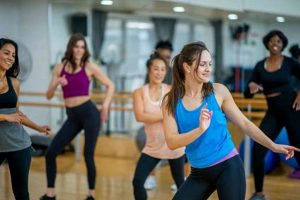
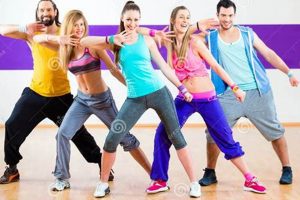
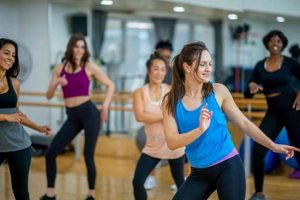
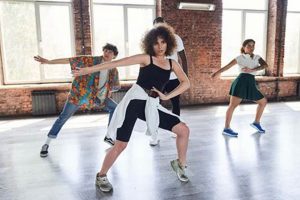
A fitness program inspired by Latin American music and dance defines an energetic workout experience. It blends various dance styles, such as salsa, merengue, cumbia, and reggaeton, into choreographed routines. Participants follow the instructor’s movements, resulting in a high-energy, calorie-burning activity. Example moves include salsa steps, hip-hop grooves, and simple aerobic exercises, all set to upbeat music.
This type of exercise offers several benefits, including improved cardiovascular health, enhanced coordination, and increased muscle endurance. The combination of music and movement creates an engaging and enjoyable workout, fostering a sense of community among participants. Its origins can be traced back to the mid-1990s, and it has since become a globally recognized fitness phenomenon.
The following sections will delve deeper into the specific components of a class, explore its variations, and examine the considerations for individuals interested in participating in this fitness format. Information will also be provided regarding its impact on physical and mental well-being, as well as tips for optimizing the workout experience.
Effective Participation Tips
To maximize the benefits and enjoyment derived from a session, several considerations warrant attention. Proper preparation and technique are essential for both safety and optimal results.
Tip 1: Consult with a Healthcare Professional: Prior to commencing any new exercise regimen, it is advisable to seek guidance from a qualified healthcare provider. This is particularly important for individuals with pre-existing medical conditions or concerns.
Tip 2: Select Appropriate Footwear: The selection of supportive athletic shoes designed for lateral movement is crucial. Footwear should provide adequate cushioning and stability to minimize the risk of injury.
Tip 3: Hydrate Adequately: Maintaining sufficient hydration levels is essential before, during, and after the activity. Dehydration can negatively impact performance and increase the risk of muscle cramps.
Tip 4: Master Basic Steps: Familiarizing oneself with the fundamental dance steps before attending a class can enhance confidence and facilitate easier integration into the routines. Practice these moves at home or in a beginner-level session.
Tip 5: Listen to the Body: It is imperative to pay close attention to physical sensations and to avoid pushing oneself beyond comfortable limits. Modify movements as needed to accommodate individual capabilities and limitations.
Tip 6: Maintain Proper Posture: Engaging core muscles and maintaining proper posture throughout the session contributes to stability, balance, and reduced risk of back strain.
Tip 7: Prioritize Warm-Up and Cool-Down: A thorough warm-up prepares the muscles for activity, while a cool-down aids in gradual recovery and reduces muscle soreness.
By adhering to these tips, participants can enhance their experience, optimize results, and minimize the risk of injury. Preparation and attentiveness are key to a positive and effective workout.
The subsequent section will explore the different variations and adaptations of this fitness program, catering to diverse needs and preferences.
1. Energetic Latin rhythms

Energetic Latin rhythms form the foundational element of this dance fitness program. The selection and integration of these rhythms are not merely aesthetic choices but are integral to the program’s structure, efficacy, and overall appeal. These rhythms dictate the pace, intensity, and emotional character of the workout. Without the driving force of these vibrant musical styles, the program would lack its distinctive identity and fail to deliver the intended physical and psychological benefits. For example, the infectious beats of salsa and merengue naturally encourage movement and elevate heart rates, directly contributing to the cardiovascular component of the workout.
The deliberate combination of various Latin musical genres creates a diverse and engaging experience. The quick, upbeat tempos of genres like cumbia stimulate high-energy movements, while the sensual rhythms of reggaeton add a layer of complexity and coordination. This strategic blend not only prevents monotony but also challenges participants to adapt to different tempos and movement patterns. Furthermore, the cultural authenticity of these rhythms fosters a sense of connection and appreciation for Latin American traditions, enhancing the social and emotional dimensions of the exercise experience. In contrast to generic fitness music, the energetic rhythms of Latin music possess intrinsic qualities that drive natural and energetic movements.
In conclusion, the relationship between energetic Latin rhythms and this workout is symbiotic. The rhythms provide the framework for physical activity, while the choreographed movements give expression to the music. The success of this fitness approach hinges on the effective integration of these two components, ensuring that participants not only achieve their fitness goals but also enjoy a culturally rich and emotionally uplifting workout experience. While alternative music genres could be used, the impact to the workout would be diminished based on the energy it could generate.
2. Choreographed dance routines

The structured sequences of steps and movements, inherent to choreographed dance routines, form a cornerstone of the format. The deliberate arrangement of movements, synchronized with music, is not merely for aesthetic appeal but serves a critical function in directing the workout’s intensity, facilitating progressive learning, and ensuring participant safety. These routines provide a framework for participants to follow, allowing them to engage in a structured and effective physical activity. The inclusion of salsa steps, merengue beats, and dynamic aerobic exercises represents a typical routine element. The design of each routine takes into account the physiological needs of the participant.
The integration of choreographed sequences allows instructors to systematically introduce and progress the intensity of the workout. This approach ensures participants can gradually build strength, endurance, and coordination. Example routines often begin with simpler steps to warm up muscles and increase heart rate, gradually transitioning to more complex sequences that challenge balance and agility. Furthermore, the predetermined nature of these routines reduces the risk of injury associated with spontaneous or uncontrolled movements. When instructors use choreographed routines, there is increased control over the safety of their students.
The emphasis on choreographed dance routines distinguishes the workout from other forms of unstructured dance or free-form exercise. This structured approach enables instructors to manage group participation effectively and ensure consistency in the workout’s quality. Recognizing the critical role of choreographed dance routines is essential for both instructors and participants to maximize the benefits and minimize the risks associated with the exercise. A clear and standardized routine is a better workout than a random dance one.
3. Cardiovascular fitness focus

The emphasis on cardiovascular fitness is a defining characteristic. It is not merely a coincidental byproduct; it is a fundamental design principle. Each element, from the selection of music to the choreography of movements, is purposefully chosen to elevate heart rate and sustain an aerobic state. This focus stems from the understanding that cardiovascular health is critical for overall well-being, reducing the risk of heart disease, stroke, and other related conditions. The cause-and-effect relationship is clear: participation in this format results in an increased heart rate, which, when sustained over time, improves cardiovascular function. A real-life example is observed in participants who experience a noticeable increase in their stamina and a decrease in resting heart rate after regular engagement.
The incorporation of interval training principles further enhances the cardiovascular benefits. Routines often alternate between high-intensity bursts of activity and periods of moderate exertion, maximizing calorie expenditure and challenging the cardiovascular system. The integration of Latin rhythms inherently supports this focus, as the upbeat tempos and energetic beats naturally encourage participants to move with vigor, maintaining a level of exertion conducive to cardiovascular improvement. Therefore, the dance program is designed to improve health and well-being.
In summary, the cardiovascular fitness focus is integral. It is the core around which the program is structured. Understanding this connection enables participants and instructors to appreciate the purpose behind the movements and to optimize the experience for cardiovascular benefits. This aspect should be considered as a fitness workout choice.
4. Inclusive fitness format

The accessible nature of this dance fitness program significantly contributes to its widespread adoption. The format’s adaptability ensures individuals of diverse fitness levels, ages, and backgrounds can participate and experience its benefits. This inclusiveness is not accidental but rather a deliberate design aspect.
- Adaptable Choreography
The choreography can be modified to suit varying fitness levels. Instructors provide options for high-impact and low-impact movements, enabling participants to choose the intensity that aligns with their physical capabilities. A real-world example involves an individual with joint pain opting for modified steps that reduce stress on the knees, while still benefiting from the cardiovascular workout. This adaptability is a key factor in attracting and retaining a diverse group of participants.
- Non-Competitive Environment
The emphasis is on enjoyment and movement rather than competition. The format promotes a supportive atmosphere where participants are encouraged to move at their own pace and focus on their personal fitness goals. For instance, a beginner might feel comfortable joining a class knowing they won’t be judged or compared to more experienced dancers. This non-competitive environment fosters a sense of community and encourages long-term participation.
- Simple Movement Patterns
The routines are designed with relatively simple movement patterns that are easy to learn and follow. While the steps may be unfamiliar initially, they are typically repetitive and straightforward, allowing participants to quickly grasp the basics and progress at their own rate. A new participant can often follow the basic routines and begin experiencing the benefits of the workout within the first few sessions. This simplicity removes barriers to entry and makes it more accessible to those with limited dance experience.
- Diverse Music Selection
The incorporation of various Latin rhythms and international music styles contributes to the format’s inclusiveness. The music appeals to a broad range of cultural backgrounds and preferences, creating a welcoming and engaging environment for participants from diverse communities. A class might include rhythms from salsa, merengue, cumbia, and reggaeton, appealing to different cultural tastes and promoting a sense of unity through shared movement.
These facets highlight how this specific dance fitness offering breaks down barriers, creating a more welcoming and accessible workout. Individuals of any fitness background, and from diverse communities, can find a suitable place to work out and feel comfortable. Understanding how the music, routines, instructors, and class settings can all make for a better experience that is also accessible is helpful when choosing this class.
5. Instructor-led group setting

The presence of a qualified instructor within a group setting is integral to the structure and efficacy. This combination of elements provides guidance, motivation, and a sense of community that contributes significantly to the overall experience and its outcomes.
- Guidance and Technique Correction
A certified instructor provides accurate demonstrations of movements and offers personalized feedback to participants, ensuring proper form and technique. The direct oversight minimizes the risk of injury and optimizes the effectiveness of the workout. For example, an instructor might correct a participant’s posture during a salsa step to prevent back strain. This tailored guidance is challenging to replicate in a solo or virtual exercise environment.
- Motivation and Encouragement
The instructor’s role extends beyond technical instruction to include fostering motivation and creating a supportive atmosphere. By offering verbal encouragement, maintaining high energy, and leading the group through the routines, the instructor helps participants stay engaged and push their limits. An example would be an instructor who provides positive reinforcement during a challenging sequence, motivating participants to persevere. This psychological support enhances both the enjoyment and the benefits of the workout.
- Structured Class Format
The instructor designs and leads the class, ensuring a structured progression of warm-up, workout, and cool-down. This systematic approach maximizes the cardiovascular and muscular benefits of the activity. For instance, an instructor might begin with gentle stretching, transition to high-intensity dance sequences, and conclude with a relaxing cool-down to prevent muscle soreness. This structured framework provides a consistent and effective exercise experience.
- Community Building and Social Interaction
The group setting fosters a sense of community among participants, promoting social interaction and shared experiences. This social aspect enhances motivation and adherence to the exercise program. Participants might form friendships, offer support to one another, and engage in social activities outside of the class. This social connection adds another layer of benefit and increases the likelihood of sustained participation.
These facets of the instructor-led group setting contribute significantly to the value. The presence of a qualified instructor provides technical guidance, motivation, and a structured format, while the group setting fosters community and social interaction. Together, these elements create an enriching and effective exercise experience that enhances both physical and mental well-being. This combination underscores the format’s success in motivating diverse populations to embrace and maintain a physically active lifestyle.
Frequently Asked Questions About What is a Zumba Dance
This section addresses common inquiries regarding a dance fitness program inspired by Latin rhythms. The information provided aims to clarify misconceptions and offer a comprehensive understanding of this exercise format.
Question 1: Is this dance fitness program suitable for individuals with no prior dance experience?
Yes. The routines are designed to be accessible to participants of all fitness levels, including those with no previous dance training. The focus is on movement and enjoyment rather than technical dance proficiency. Modifications are often provided to accommodate varying abilities.
Question 2: What type of clothing and footwear is recommended for participation?
Comfortable, breathable athletic wear that allows for a full range of motion is recommended. Supportive athletic shoes designed for lateral movement are essential to prevent injury. Avoid clothing that restricts movement or footwear that lacks adequate support.
Question 3: How many calories can one expect to burn in a typical class?
Calorie expenditure varies depending on individual factors such as weight, metabolism, and intensity of participation. However, a typical class can burn between 300 and 600 calories.
Question 4: Are there different variations of this exercise program?
Yes. Various adaptations cater to different age groups and fitness levels. These include programs designed for children (” “) , seniors (“Gold”), and aquatic settings (“Aqua”). There are also advanced programs that incorporate more complex choreography and higher intensity intervals.
Question 5: Can this fitness program be performed at home?
Yes, but with considerations. While in-person classes offer the benefit of instructor guidance and a group setting, the activity can also be performed at home using online videos or DVDs. Ensure a safe environment with adequate space and proper footwear. Prior experience with a live class is recommended to understand proper form and technique.
Question 6: What are the primary benefits beyond cardiovascular fitness?
In addition to improving cardiovascular health, this fitness pursuit enhances coordination, muscle endurance, and mood. The social interaction and energetic music contribute to stress reduction and an overall sense of well-being.
In summary, it represents an accessible and enjoyable exercise option for individuals seeking to improve their fitness and well-being. Its adaptability, combined with its focus on Latin rhythms and community engagement, makes it a popular choice for those seeking an alternative to traditional workout routines.
The subsequent section will explore the historical context and evolution of this exercise program, tracing its origins and examining its impact on the fitness industry.
Conclusion
This exploration has elucidated the fundamental elements of this Latin-inspired dance fitness program. It is a structured exercise format integrating Latin rhythms, choreographed routines, and an inclusive environment to promote cardiovascular fitness. The role of a qualified instructor within a group setting is central to ensuring correct technique, motivation, and community engagement. These collective aspects are instrumental in its global appeal and proven efficacy.
Continued research and adherence to established best practices will further refine its application and maximize its potential benefits. Its impact extends beyond mere physical fitness, influencing social interaction and cultural awareness. Further consideration of this program will assist individuals in making informed decisions regarding their exercise regimen, while health professionals can use these insights to guide and support their patients.