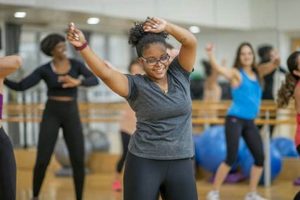
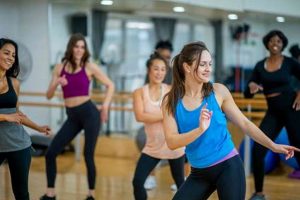
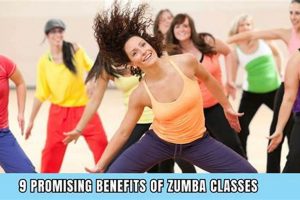
Appropriate attire for a Zumba session encompasses clothing that facilitates a full range of motion while maintaining comfort. The ensemble typically includes breathable fabrics and supportive footwear designed to withstand the impact of dance-based fitness routines. Examples of suitable choices are moisture-wicking athletic tops, flexible leggings or shorts, and supportive sneakers.
The selection of proper garments and shoes for this activity is important for both performance and safety. Freedom of movement enhances participation and enjoyment, while appropriate fabrics help regulate body temperature and minimize discomfort from perspiration. Supportive footwear reduces the risk of injury to joints and ligaments during high-impact movements. The evolution of activewear has provided individuals with an extensive array of options, ensuring that participants can find items that meet their individual needs and preferences.
Subsequent sections will explore specific types of apparel and footwear ideal for Zumba, detailing their respective features and benefits. Guidance on fabric selection, fit, and support will also be provided to assist individuals in making informed choices for their Zumba practice.
Guidance on Zumba Attire
The following recommendations offer direction in selecting appropriate garments for maximizing comfort, performance, and safety during Zumba sessions.
Tip 1: Prioritize Breathable Fabrics: Opt for materials that facilitate ventilation and moisture-wicking. Fabrics such as polyester blends, nylon, or merino wool enhance comfort by allowing perspiration to evaporate, preventing overheating and discomfort.
Tip 2: Assess Range of Motion: Choose clothing that permits a full spectrum of movement without restriction. Avoid items that are too tight or constricting, as they can impede performance and potentially lead to muscle strain.
Tip 3: Consider Layering: Employing layers allows for adaptability to changing body temperatures during the workout. A light jacket or zip-up can be removed as the body warms up and added back during cool-down periods.
Tip 4: Footwear Considerations: Select supportive athletic shoes designed for lateral movement and impact absorption. Cross-training shoes or dance sneakers are generally preferred over running shoes, as they offer enhanced stability for the varied movements in Zumba.
Tip 5: Support and Coverage: Evaluate the need for appropriate support, particularly regarding sports bras for female participants. Ensure adequate coverage for comfort and to avoid distractions during the activity.
Tip 6: Evaluate Grip: During floorwork components of zumba, assess your grip. Barefoot or socks can be slippery. Grippy socks or zumba-specific shoes can help provide proper grip to prevent injury.
Following these guidelines will contribute to a more enjoyable and effective Zumba experience, minimizing potential discomfort and risk of injury.
The concluding section will summarize the key elements of appropriate Zumba clothing, solidifying the understanding of best practices.
1. Comfort

The concept of comfort, when applied to garments worn for Zumba classes, directly influences a participant’s willingness to engage actively and consistently in the physical activity. Uncomfortable attire, characterized by ill-fitting sizes, abrasive fabrics, or restrictive designs, can create distractions that impede focus and reduce the overall enjoyment of the exercise. For example, a shirt that clings excessively due to lack of breathability or pants that bind during hip movements can lead to self-consciousness and inhibited range of motion.
Properly selected garments contribute to a heightened sense of ease and confidence, fostering a positive feedback loop. When an individual feels physically comfortable, they are more likely to concentrate on the dance steps and rhythms, resulting in improved coordination and caloric expenditure. Furthermore, appropriate attire minimizes the potential for chafing, skin irritation, and overheating, all of which can negatively impact the overall workout experience. Consider, for instance, moisture-wicking fabrics that draw sweat away from the skin, preventing discomfort and allowing for sustained activity.
In conclusion, prioritizing comfort in the selection of clothing for Zumba is not merely a matter of personal preference; it is a crucial factor in optimizing performance, adherence, and overall satisfaction. Addressing challenges such as varying body types and personal sensitivities is essential to ensure that all participants have access to apparel that supports their fitness goals. Understanding the link between comfort and engagement emphasizes its integral role.
2. Flexibility

Flexibility, in the context of attire worn for Zumba classes, is not merely a characteristic of the fabric or design; it is a functional requirement that directly impacts the participant’s ability to perform the movements safely and effectively. Restrictions imposed by clothing can impede range of motion, hinder proper technique, and increase the risk of injury. Therefore, the selection of flexible garments is paramount to maximizing the benefits of the activity.
- Fabric Composition and Elasticity
The inherent elasticity of the fabric significantly determines its ability to accommodate dynamic movements. Materials such as spandex, Lycra, and blends incorporating these fibers offer a high degree of stretch and recovery, allowing for a full range of motion without constricting the wearer. For instance, leggings constructed from a polyester-spandex blend will conform to the body’s contours while providing ample flexibility for squats, lunges, and twisting motions, critical elements of Zumba routines. Inadequate elasticity can lead to resistance during movements, potentially causing muscle strain or joint discomfort.
- Design and Cut
The design and cut of the garment are equally important as the fabric composition. A well-designed piece of clothing should allow for unrestricted movement in key areas such as the shoulders, hips, and knees. Avoidance of tight seams, rigid waistbands, and excessively restrictive cuts is essential. For example, a top with raglan sleeves will provide greater freedom of movement in the arms and shoulders compared to a traditional set-in sleeve design. Similarly, pants with a gusseted crotch will allow for a wider range of motion in the hips and thighs, accommodating the diverse steps and turns found in Zumba choreography.
- Layering and Adaptability
Flexibility also extends to the ability to adapt to changing body temperatures and movement intensity. Layering provides a means to adjust clothing as needed, allowing for optimal comfort and range of motion throughout the class. A lightweight, flexible jacket or wrap can be worn during the warm-up phase and removed as the body temperature rises. Similarly, convertible pants or shorts offer versatility, allowing participants to modify their attire based on the specific demands of the routine. Garments that quickly adjust provide comfort and freedom for the wearer.
- Fit and Sizing
Even the most elastic fabric and well-designed cut will be ineffective if the garment is not properly sized. Overly tight clothing restricts movement, while excessively loose clothing can be cumbersome and potentially hazardous. A proper fit allows the fabric to move with the body without binding or chafing. For example, leggings that are too small can restrict circulation and limit range of motion, while leggings that are too large can bunch up and create a tripping hazard. A balanced fit enhances both performance and safety.
In summary, the interplay between fabric composition, design, layering, and proper sizing dictates the flexibility of attire selected for Zumba classes. The appropriate incorporation of these elements ensures that garments enhance rather than impede movement, contributing to a safer and more enjoyable fitness experience. Considering the dynamic nature of Zumba, flexibility in clothing is a non-negotiable factor in maximizing the benefits of the activity.
3. Support

In the context of selecting attire for Zumba classes, “support” denotes the provision of stability, minimization of impact, and prevention of injury. Appropriate supportive elements integrated into garments and accessories are essential for optimizing performance and ensuring participant well-being during high-energy, dance-based fitness routines.
- Footwear Stabilization
Supportive athletic shoes are crucial for Zumba due to its high-impact nature and lateral movements. Footwear should offer adequate arch support, cushioning, and ankle stability to minimize stress on joints and prevent injuries such as ankle sprains or plantar fasciitis. For example, cross-training shoes with reinforced lateral support are preferable to running shoes, which are designed primarily for forward motion. Inadequate footwear can lead to discomfort and increased risk of injury.
- Upper Body Stabilization (Sports Bras)
For female participants, supportive sports bras are a necessity. High-impact activities like Zumba can place significant stress on breast tissue, leading to discomfort and potential long-term damage. Sports bras designed for high-impact activities offer compression and encapsulation to minimize breast movement, reducing strain and improving comfort. Insufficient support in this area can be a distraction and contribute to discomfort.
- Muscle Compression and Recovery
Compression garments, such as leggings or compression shorts, can provide muscular support and improve circulation. These garments apply gentle pressure to the muscles, which can reduce muscle fatigue, enhance performance, and promote faster recovery after exercise. For example, compression leggings worn during Zumba can help stabilize leg muscles, reducing the risk of muscle soreness and cramping. Such apparel can also regulate the flow of blood to and from muscle tissue.
- Joint Support and Bracing
For individuals with pre-existing joint conditions or injuries, additional support may be necessary. Knee braces, ankle supports, or wrist wraps can provide extra stability and protection during Zumba. These supports help to stabilize the joints, reducing the risk of re-injury and allowing participants to engage more confidently in the activity. The use of bracing provides an added layer of support.
Ultimately, the level of support required is dependent on individual needs and pre-existing conditions. Nevertheless, the integration of supportive elements into Zumba attirethrough appropriate footwear, sports bras, compression garments, and joint supportsis paramount for ensuring participant safety, comfort, and performance. Prioritizing this aspect enhances the overall Zumba experience and encourages sustained participation.
4. Breathability

Breathability in the context of selecting clothing for Zumba classes is a crucial factor directly influencing comfort, performance, and overall well-being. The capacity of a garment to facilitate the transfer of heat and moisture away from the body is paramount during high-intensity physical activity. Inadequate breathability can lead to overheating, discomfort, and reduced performance, thereby diminishing the benefits of the exercise session.
- Fabric Composition and Moisture-Wicking Properties
The selection of fabric significantly determines a garment’s breathability. Synthetic materials such as polyester and nylon, engineered with moisture-wicking properties, facilitate the evaporation of sweat, preventing it from saturating the fabric and clinging to the skin. Natural fibers, such as merino wool, also offer breathability and moisture-wicking capabilities. Conversely, fabrics like cotton retain moisture, leading to discomfort and a decrease in body temperature regulation. Examples include athletic tops made from polyester blends that actively draw sweat away from the body, promoting airflow and keeping the wearer dry.
- Ventilation and Design Features
Garment design can further enhance breathability through strategic ventilation. Mesh panels strategically placed in areas prone to heat buildup, such as the back, underarms, and sides, promote airflow and accelerate the evaporation of moisture. Loose-fitting designs also allow for greater air circulation compared to tight-fitting garments. Examples include athletic pants with mesh inserts along the sides or tops with open-back designs to improve ventilation and heat dissipation. These features enable effective management of body temperature and moisture levels during exercise.
- Layering and Adaptability to Changing Conditions
Breathability is not solely a function of individual garments; it also relates to the concept of layering and adapting to changing body temperatures. Wearing multiple thin, breathable layers allows for adjustments based on the intensity of the workout and the surrounding environment. A lightweight, breathable jacket or vest can be added or removed as needed to maintain optimal comfort and prevent overheating or chilling. For instance, a participant may choose to start a Zumba class with a breathable base layer, a moisture-wicking top, and a light jacket, removing the jacket as the body warms up. This approach facilitates proactive regulation of body temperature.
- Impact on Performance and Comfort
The level of breathability directly impacts both performance and comfort during Zumba. Garments that effectively manage moisture and heat allow participants to focus on the activity without distractions caused by discomfort. Adequate breathability reduces the risk of overheating, chafing, and skin irritation, leading to improved endurance, concentration, and overall enjoyment of the exercise. Conversely, poorly breathable clothing can result in discomfort, reduced performance, and an increased risk of heat-related illnesses. Properly breathable clothing ensures comfort and performance.
The integration of breathable fabrics, strategic ventilation, and appropriate layering techniques is paramount when selecting attire for Zumba classes. These factors work synergistically to facilitate effective moisture management, temperature regulation, and overall comfort, contributing to an enhanced and more rewarding fitness experience. Prioritizing breathability ensures that garments support rather than hinder performance, allowing individuals to fully engage in the physical activity.
5. Appropriateness

The concept of appropriateness, when linked to attire for Zumba classes, extends beyond mere comfort and functionality; it encompasses elements of cultural sensitivity, modesty, and adherence to facility guidelines. Apparel that may be deemed acceptable in other fitness contexts might prove unsuitable for Zumba due to its often high-energy, dance-based nature, which can expose certain body parts or violate established standards of decorum. Consequently, an evaluation of appropriateness becomes essential in the garment selection process.
Consider the potential for attire to impact the experience of fellow participants. Garments that are overly revealing can create discomfort or distractions, especially in environments characterized by diverse cultural backgrounds. Some facilities might have specific policies regarding attire, such as restrictions on bare midriffs or overly short shorts. Adherence to such guidelines demonstrates respect for the community and ensures a comfortable environment for all. Moreover, safety considerations factor into appropriateness. Loose clothing can become entangled during dance movements, posing a tripping hazard. Similarly, jewelry or accessories can cause injury to oneself or others. Therefore, thoughtful assessment of potential risks is required.
Ultimately, selecting suitable attire for Zumba classes is not simply a matter of personal preference; it necessitates careful consideration of cultural norms, facility rules, and safety implications. The goal is to strike a balance between comfort, functionality, and appropriateness, ensuring that the chosen garments enhance the overall Zumba experience for oneself and fellow participants. Awareness and respect for these factors contribute to a positive and inclusive fitness environment.
Frequently Asked Questions
The following addresses common inquiries regarding appropriate clothing for Zumba participation, focusing on practicality, safety, and performance.
Question 1: What constitutes appropriate footwear for a Zumba class?
Athletic shoes designed for cross-training or dance are generally recommended. These shoes offer lateral support, cushioning, and a non-slip sole, essential for the diverse movements performed during Zumba. Running shoes, primarily designed for forward motion, may lack the necessary stability for side-to-side movements and could increase the risk of injury.
Question 2: Are there specific fabric types that are preferred for Zumba attire?
Fabrics with moisture-wicking properties are advisable. Materials such as polyester blends, nylon, or merino wool facilitate the evaporation of sweat, keeping the body dry and comfortable. Cotton is generally discouraged due to its tendency to retain moisture.
Question 3: Should athletic clothing be form-fitting or loose for Zumba?
The ideal fit depends on individual preferences and body type. Garments that are neither too tight nor too loose are generally recommended. Form-fitting clothing can provide support and prevent distractions, while looser clothing allows for greater freedom of movement. However, overly loose garments may pose a tripping hazard.
Question 4: Is there a recommendation for the level of support in sports bras for female participants?
Sports bras designed for high-impact activities are recommended due to the vigorous nature of Zumba. These bras offer maximum support, minimizing breast movement and reducing discomfort. Low-impact sports bras may be insufficient.
Question 5: Is layering of clothing advisable for Zumba classes?
Layering can be advantageous, particularly during the warm-up and cool-down phases. Lightweight, breathable layers can be added or removed as needed to regulate body temperature and prevent overheating or chilling.
Question 6: Are there any types of clothing or accessories that should be avoided during Zumba?
Restrictive clothing that limits range of motion should be avoided. Additionally, jewelry or accessories that could pose a hazard to oneself or others are not recommended. Examples include long necklaces, dangling earrings, and loose bracelets.
Careful selection of Zumba attire contributes to an enhanced and safer workout experience. Prioritizing factors such as footwear, fabric type, fit, support, layering, and safety considerations will optimize comfort and performance.
The subsequent section will provide a visual guide illustrating recommended Zumba attire.
Dress for Zumba Class
The preceding exploration of garments for Zumba class has elucidated several crucial elements influencing participant comfort, safety, and performance. Prioritization of breathable fabrics, supportive footwear, appropriate fit, and adherence to safety guidelines remains paramount. The selection process should encompass a thorough evaluation of individual needs and environmental factors to ensure optimal functionality.
Recognizing the significance of informed clothing choices empowers individuals to engage more fully in Zumba, maximizing its physical and mental benefits. Continued awareness and critical assessment of available options will further enhance the experience, fostering a commitment to both personal well-being and the collective comfort within the class environment.