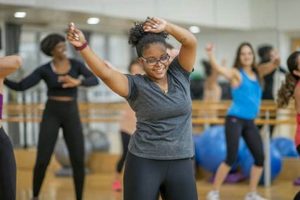
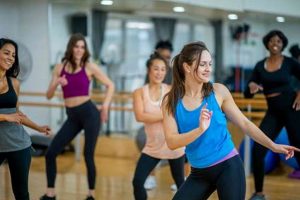
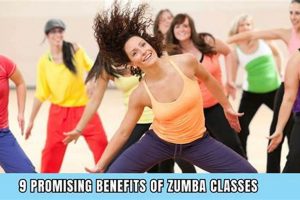
Zumba represents a fusion of dance and fitness, incorporating various Latin American and international rhythms. Participation involves following choreographed routines led by an instructor, resulting in an energetic and engaging workout. This form of exercise offers a diverse range of advantages, extending beyond simple calorie expenditure.
The advantages of engaging in Zumba extend beyond physical conditioning. The rhythmic movements and social interaction inherent in the activity can contribute significantly to psychological well-being. Historically, dance has been utilized as a form of expression and community building, elements that are retained within the Zumba experience.
The following sections will detail the specific physical and mental health improvements, as well as the potential social enhancements, associated with regular participation in this popular fitness activity.
Guidance for Maximizing Zumba’s Potential
The following recommendations are intended to optimize the experience and advantages derived from participation. Adherence to these principles can contribute to a more effective and sustainable fitness regimen.
Tip 1: Prioritize Proper Form: Concentrate on maintaining correct posture and executing movements accurately, even if it requires modifying the intensity. This minimizes the risk of injury and ensures the targeted muscle groups are effectively engaged.
Tip 2: Hydrate Adequately: Consume sufficient water before, during, and after each session to prevent dehydration and maintain optimal performance. Dehydration can negatively impact energy levels and overall well-being.
Tip 3: Select Appropriate Footwear: Wear supportive athletic shoes that provide adequate cushioning and lateral support. Proper footwear reduces the risk of ankle and foot injuries associated with high-impact movements.
Tip 4: Listen to the Body’s Signals: Avoid pushing beyond personal limits, especially when starting. Recognize and respect signs of fatigue or discomfort, adjusting the intensity or taking breaks as needed.
Tip 5: Engage Actively: Fully participate in the routines, focusing on the music and movements. Active engagement enhances the enjoyment and motivational aspects of the activity.
Tip 6: Maintain Consistency: Aim for regular participation, integrating the activity into a consistent fitness schedule. Regularity is crucial for achieving lasting physical and mental health gains.
Tip 7: Gradually Increase Intensity: As fitness levels improve, progressively increase the intensity of the workouts. This can involve increasing the range of motion, adding light weights, or attending more challenging classes.
These guidelines, when implemented consistently, contribute to a safer and more rewarding experience. Focusing on form, hydration, and listening to the body’s feedback are essential for reaping the full rewards.
The subsequent sections will provide further insights into the long-term implications and potential societal impacts of consistent engagement.
1. Cardiovascular Enhancement
Participation elicits a sustained elevation in heart rate and respiratory rate, indicative of heightened cardiovascular activity. The repetitive, rhythmic movements characteristic of a typical session demand increased oxygen delivery to working muscles, thereby placing a beneficial stress on the circulatory system. This increased demand strengthens the heart muscle, improves blood vessel elasticity, and enhances overall cardiovascular function.
Consider the effect of consistent involvement on individuals at varying fitness levels. A sedentary individual embarking on a regular schedule may experience a noticeable decrease in resting heart rate and blood pressure over time, accompanied by improved endurance during daily activities. Conversely, an already active individual may observe further enhancements in cardiovascular performance, such as increased maximal oxygen uptake (VO2 max) and improved recovery times following exertion. These physiological adaptations collectively contribute to a reduced risk of cardiovascular diseases, including hypertension, coronary artery disease, and stroke.
In summary, cardiovascular enhancement constitutes a fundamental aspect. The elevated heart rate and metabolic demands translate into tangible physiological adaptations that improve overall cardiovascular health, thereby mitigating the risk of numerous chronic diseases. Understanding this connection underscores the practical significance for individuals seeking to improve their long-term health through consistent engagement in rhythmic fitness activities.
2. Calorie Expenditure

Engagement in Zumba results in significant caloric expenditure, a critical component of its overall benefits. The continuous movement, coupled with the varied intensity of the routines, necessitates the utilization of stored energy reserves. The degree of caloric expenditure is influenced by several factors, including individual body weight, metabolic rate, and the intensity and duration of the session. This energy deficit, when sustained over time, contributes directly to weight management and the reduction of body fat percentage.
For example, an individual weighing 150 pounds can expect to expend approximately 400 to 600 calories during a typical one-hour session. This value surpasses the caloric burn associated with many other forms of moderate-intensity exercise. The practical implication is that regular participation, combined with a balanced diet, can facilitate sustainable weight loss or weight maintenance. Furthermore, the increased metabolic rate resulting from consistent engagement can aid in the regulation of blood sugar levels and improve insulin sensitivity, mitigating the risk of type 2 diabetes.
In summary, the substantial caloric expenditure inherent is directly linked to several positive health outcomes. Weight management, improved metabolic function, and a reduced risk of chronic diseases are all potential consequences of consistent participation. Understanding this connection underscores the importance of considering this activity as a viable and enjoyable means of achieving and maintaining a healthy weight profile.
3. Mood Elevation
Participation in Zumba elicits a demonstrable elevation in mood, attributable to a combination of physiological and psychological factors. The physical exertion stimulates the release of endorphins, endogenous opioid neuropeptides known to produce feelings of euphoria and well-being. This neurochemical response contributes directly to a reduction in perceived stress and anxiety levels. The rhythmic nature of the movements, synchronized with music, promotes a sense of engagement and immersion, further diverting attention from negative thought patterns.
Consider the case of an individual experiencing symptoms of mild depression or chronic stress. Regular engagement can serve as an adjunct therapeutic intervention, complementing other forms of treatment. The social interaction inherent in a group setting can combat feelings of isolation and loneliness, fostering a sense of belonging and community. Moreover, the accomplishment of mastering new dance steps and improving physical fitness can enhance self-esteem and confidence, contributing to a more positive self-image. These psychological benefits, coupled with the physiological effects of exercise, synergistically contribute to improved emotional well-being.
In summary, the mood-elevating effects constitute a significant component. The combination of endorphin release, stress reduction, social interaction, and enhanced self-esteem contribute to a demonstrable improvement in psychological well-being. Understanding this connection underscores the potential for use as a valuable tool for individuals seeking to manage mood disorders, reduce stress levels, and improve overall quality of life.
4. Coordination Improvement

Zumba, as a structured fitness activity, inherently promotes enhanced coordination. The choreography incorporates a diverse range of movements that require precise timing and spatial awareness. Participants must learn to synchronize their actions with the rhythm of the music and the instructions of the instructor. This process necessitates the development of improved motor skills, balance, and proprioception (the awareness of one’s body position in space). The iterative nature of learning and repeating dance steps gradually refines neural pathways, leading to more fluid and controlled movements. Individuals who initially struggle with the choreography often exhibit marked improvements in their ability to execute complex sequences over time.
The benefits of enhanced coordination extend beyond the confines of the fitness class. Improved motor skills can translate into increased agility and balance in everyday activities, reducing the risk of falls and injuries, particularly among older adults. For example, an individual with improved coordination may be better able to navigate uneven terrain or react quickly to unexpected obstacles. Furthermore, the enhanced spatial awareness developed through participation can contribute to improved performance in other physical activities, such as sports or recreational dance. The ability to anticipate and react effectively to external stimuli is a valuable asset in a variety of contexts.
In summary, the enhancement of coordination represents a tangible advantage. The iterative process of learning and executing complex dance steps results in improved motor skills, balance, and spatial awareness. This, in turn, translates into practical benefits that extend beyond the immediate context, contributing to increased agility, reduced risk of injury, and improved performance in other physical activities. The development of improved coordination represents a significant component of the overall advantages, impacting both physical function and overall well-being.
5. Social Interaction

Group fitness environments, such as Zumba classes, inherently foster social interaction among participants. The shared experience of engaging in synchronized physical activity creates a sense of camaraderie and mutual support. Regular attendance allows individuals to develop relationships with fellow participants and the instructor, providing opportunities for conversation and shared goals. This social element can be particularly beneficial for individuals seeking to combat feelings of isolation or loneliness. The collective energy and encouragement within the class setting can also enhance motivation and adherence to the fitness regimen.
The impact of social interaction extends beyond simple companionship. Studies suggest that individuals who participate in group fitness activities are more likely to maintain consistent exercise habits compared to those who exercise alone. The accountability and encouragement derived from social connections can serve as a powerful motivator, particularly during periods of low energy or motivation. Furthermore, the social environment can provide opportunities for learning and sharing information related to health and fitness, such as nutrition tips or exercise techniques. This collaborative approach to wellness can foster a more holistic and sustainable approach to health management. Examples include organizing post-class social events, creating online support groups, or simply offering words of encouragement to fellow participants during challenging routines.
In summary, social interaction constitutes a significant, often overlooked, component. The shared experience, sense of community, and mutual support contribute to enhanced motivation, adherence, and overall well-being. Recognizing and fostering social connections within group fitness settings can maximize the benefits derived, transforming it from a purely physical activity into a holistic approach to health and social engagement. The potential challenges of social anxiety or group dynamics can be mitigated through instructor facilitation and inclusive class design, ensuring that all participants feel welcome and supported.
6. Muscle Toning

Muscle toning, characterized by increased muscle definition and strength, constitutes a notable physical outcome associated with regular participation. The rhythmic and repetitive movements involved engage various muscle groups, contributing to their development and enhanced functionality. It is crucial to understand the specific mechanisms and resulting adaptations that underpin the muscle toning effects.
- Engagement of Diverse Muscle Groups
Zumba incorporates a diverse range of movements, encompassing both aerobic and resistance elements. This multifaceted approach necessitates the activation of multiple muscle groups, including those in the legs, core, and arms. The lower body is engaged through steps such as squats, lunges, and pivots, while the core muscles stabilize the body during lateral movements and rotations. Arm movements, often synchronized with hand weights, target the shoulders, biceps, and triceps. This holistic muscle engagement contributes to a balanced and well-rounded physique.
- Impact of Rhythmic Resistance
The rhythmic nature of Zumba provides a form of resistance training, as muscles work against gravity and momentum. This resistance stimulates muscle hypertrophy (growth) and increased muscle fiber recruitment. Over time, regular participation results in improved muscle strength and endurance, leading to enhanced physical performance. The resistance can be augmented through the use of light hand weights, further challenging the muscles and accelerating the toning process. The combination of aerobic activity and resistance training makes it a particularly effective method for achieving muscle toning.
- Postural Improvement and Core Strengthening
The emphasis on core engagement and proper form throughout the classes can contribute to improved posture. Stronger core muscles provide greater stability and support for the spine, resulting in a more upright and balanced posture. Improved posture not only enhances physical appearance but also reduces the risk of back pain and other musculoskeletal problems. The constant engagement of core musculature strengthens the abdominal and back muscles, leading to enhanced core stability and improved overall body mechanics. This is achieved through isometric contractions during many of the dance movements.
- Increased Metabolic Rate
Muscle tissue is more metabolically active than fat tissue, meaning it burns more calories at rest. As participation leads to increased muscle mass, the resting metabolic rate also increases. This means the body burns more calories even when at rest, contributing to weight management and improved body composition. The increased metabolic rate can also improve insulin sensitivity and regulate blood sugar levels, mitigating the risk of metabolic disorders. Therefore, the muscle toning not only enhances physical appearance but also contributes to long-term metabolic health.
Muscle toning achieved through the activity represents a tangible physical adaptation contributing to overall fitness and well-being. The synergistic effects of diverse muscle group engagement, rhythmic resistance, postural improvement, and increased metabolic rate underscore the comprehensive advantages of this form of exercise for those seeking to enhance muscle definition and functionality.
7. Stress Reduction

Participation in Zumba correlates with a reduction in perceived stress levels due to a multifaceted interplay of physiological and psychological factors. The physical exertion stimulates the release of endorphins, which act as natural mood elevators and pain relievers. The rhythmic movements and music facilitate a state of mindfulness, diverting attention from stressors. This combination has a demonstrable impact on the nervous system, promoting a shift from the sympathetic (fight-or-flight) response to the parasympathetic (rest-and-digest) state. The consistent engagement of the parasympathetic nervous system reduces the physiological symptoms of stress, such as elevated heart rate and muscle tension. For instance, an individual experiencing chronic work-related stress may find a noticeable decrease in anxiety and improved sleep quality after regular participation.
The social component further contributes to stress reduction. The shared experience and sense of community create a supportive environment. This social interaction can buffer the negative effects of stress by providing a sense of belonging and connection. Individuals often report feeling less isolated and more resilient when they have a network of social support. Practical applications of this include individuals using Zumba as a coping mechanism during periods of personal or professional challenge. Instructors often foster a positive and inclusive atmosphere, further enhancing the stress-reducing effects. Furthermore, the achievement of mastering new dance steps and improving physical fitness can enhance self-esteem, reducing stress related to self-perception.
In conclusion, stress reduction forms a significant component of the broader spectrum of advantages. The combined effects of endorphin release, mindful movement, and social interaction synergistically contribute to a decrease in perceived stress and an improvement in overall well-being. The understanding that consistent participation can serve as a proactive strategy for managing stress underscores its importance, particularly in contemporary society. While this offers a valuable tool for stress management, it is not a replacement for professional mental health support when needed.
Frequently Asked Questions About the Benefits
The following addresses common inquiries regarding the multifaceted advantages derived from participation. The information provided aims to clarify misconceptions and offer evidence-based insights.
Question 1: Is it an effective method for weight loss?
It can contribute to weight loss due to its high-calorie expenditure. However, sustainable weight loss necessitates a holistic approach that includes dietary modifications and consistency.
Question 2: Are prior dance skills required for participation?
Prior dance experience is not a prerequisite. The routines are designed to be adaptable to various fitness levels. The focus is on movement and enjoyment rather than perfect execution.
Question 3: What are the potential risks associated with participation?
Potential risks include musculoskeletal injuries, such as sprains and strains, particularly if proper form is not maintained. Pre-existing health conditions should be discussed with a medical professional prior to commencing participation.
Question 4: How frequently should one engage in sessions to experience tangible benefits?
A minimum of two to three sessions per week is generally recommended to observe measurable improvements in cardiovascular fitness, muscle tone, and mood.
Question 5: Can it be a beneficial activity for older adults?
It can offer significant advantages for older adults, including improved balance, coordination, and social interaction. Modifications may be necessary to accommodate individual physical limitations.
Question 6: Are the psychological benefits scientifically validated?
Research indicates that the activity can elevate mood, reduce stress, and improve self-esteem. These psychological benefits are attributed to a combination of physiological and social factors.
In summary, this fitness activity offers a range of potential advantages, spanning physical, mental, and social domains. Understanding the evidence-based rationale behind these benefits facilitates informed decision-making.
The subsequent sections will provide further exploration of the practical applications and long-term implications. This additional analysis should provide further clarification regarding what to expect from this excercise.
Recapitulation of Advantages
The exploration of the benefits of Zumba class reveals a multifaceted fitness modality extending beyond simple exercise. The combined impact on cardiovascular health, muscle tone, mood elevation, and social engagement presents a holistic approach to well-being. The evidence suggests a potential for significant improvements in physical and mental health metrics.
Consideration of personal fitness goals and health status is essential before incorporating this activity into a regimen. The potential for physical and social enhancement warrants thoughtful evaluation. Continued research will likely further clarify the long-term implications of consistent participation.