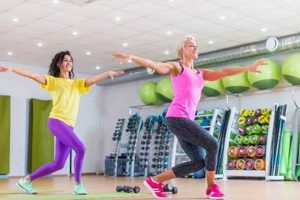
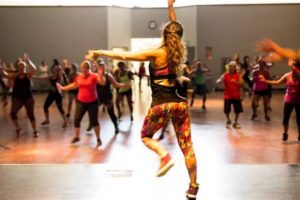
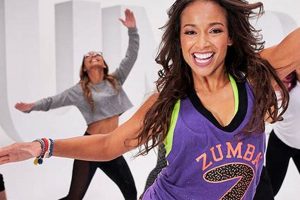
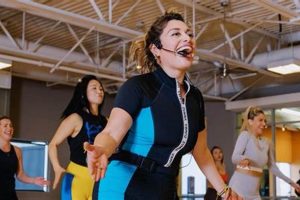
The occupation involves leading group fitness classes centered around a dance-fitness program. This fitness professional choreographs routines incorporating Latin and international music, guiding participants through various movements and steps to improve cardiovascular health, coordination, and overall fitness levels. The individual creates an energetic and motivating environment, ensuring participants follow the routines safely and effectively. For instance, the professional might design a class that blends salsa, merengue, and hip-hop rhythms, adapting the intensity to suit different fitness abilities.
This role offers numerous benefits including promoting physical well-being, fostering a sense of community among participants, and providing a platform for creative expression. Historically, group fitness instruction has evolved from structured calisthenics to more dynamic and engaging formats, reflecting a shift towards making exercise enjoyable and accessible. This position aligns with this trend, offering a fun and effective way for individuals to achieve their fitness goals while experiencing different cultures through music and dance.
The following sections will delve into the specific responsibilities, required certifications, and skills needed to excel in this fitness field. Additionally, it will examine the challenges and rewards associated with this career path, as well as explore strategies for building a successful and thriving business.
Tips for Success
This section outlines strategies that can enhance the effectiveness and sustainability of a career in this field.
Tip 1: Prioritize Continuing Education: Maintaining current knowledge of fitness trends and expanding repertoire is crucial. Consider attending workshops and advanced training sessions to refine technique and learn new choreographic approaches.
Tip 2: Cultivate a Strong Personal Brand: Develop a unique style and teaching philosophy that resonates with potential participants. Consistency in branding across all platforms helps build recognition and attract a loyal following.
Tip 3: Optimize Class Structure: Design classes with a clear progression, including warm-up, high-intensity cardio, and cool-down segments. Varying the intensity and incorporating different dance styles prevents monotony and caters to diverse fitness levels.
Tip 4: Engage with Participants: Building rapport with class members enhances their experience and encourages continued participation. Learn names, offer personalized feedback, and create a welcoming and inclusive environment.
Tip 5: Leverage Social Media: Utilize platforms like Instagram and Facebook to promote classes, share workout tips, and connect with potential clients. Regularly posting engaging content increases visibility and attracts new participants.
Tip 6: Master Cueing Techniques: Effective cueing is essential for guiding participants through routines smoothly and safely. Use clear and concise language, combined with visual demonstrations, to ensure everyone understands the movements.
Tip 7: Diversify Revenue Streams: Explore additional income opportunities such as offering private lessons, organizing workshops, or creating online fitness content. Diversification helps stabilize income and expand reach.
By implementing these strategies, individuals in this profession can significantly improve their teaching quality, expand their client base, and achieve greater career satisfaction. Ultimately, a commitment to continuous learning, strong communication skills, and a genuine passion for fitness contribute to long-term success.
The following conclusion will summarize the key aspects of this role and underscore the value of dedication and adaptability in the evolving fitness landscape.
1. Choreography Proficiency

Choreography proficiency constitutes a fundamental pillar in the effectiveness and appeal of any individual engaged in this instruction. The ability to create and deliver engaging, safe, and diverse routines directly impacts participant satisfaction, retention, and overall fitness outcomes.
- Musicality and Rhythm Interpretation
This involves the capacity to accurately interpret musical rhythms and translate them into corresponding dance movements. It is imperative to select music that aligns with the structure and tempo of the routine, ensuring that steps are synchronized and logically sequenced. An example would be the identification of a specific percussion break within a song and its subsequent integration into a distinct step or transition, thereby heightening participant engagement with the music.
- Movement Sequencing and Progression
Effective choreography demands a logical progression of movements, starting with simpler steps and gradually increasing in complexity. This ensures that participants of varying fitness levels can successfully follow the routine. A structured progression might involve beginning with basic merengue steps, followed by incorporating more intricate salsa patterns, culminating in a short, high-energy reggaeton segment. This sequential approach prevents participant frustration and minimizes the risk of injury.
- Creative Variation and Innovation
Maintaining participant interest requires the incorporation of creative variations and innovative moves into each class. This necessitates continuous exploration of new dance styles and the ability to adapt traditional steps into novel combinations. An instructor might introduce elements of Afrobeat dance into a Latin-based routine, providing a unique and stimulating experience. This creative approach differentiates the instruction and fosters a loyal following.
- Adaptability to Diverse Fitness Levels
Choreography should be adaptable to accommodate participants with varying levels of fitness and experience. This involves providing modifications and regressions for each step, allowing individuals to adjust the intensity of the workout. For example, an instructor might offer a low-impact alternative for a jump, or suggest a modified arm movement for individuals with shoulder limitations. This ensures inclusivity and promotes safe participation for all.
The elements of musicality, progression, creative variation, and adaptability are all crucial for successful choreography. By demonstrating mastery in these areas, the individual can cultivate a vibrant and engaging fitness experience for the participants. This mastery ultimately translates into improved fitness outcomes and greater success. Therefore, proficiency in choreography is indispensable.
2. Class Management

Effective class management is intrinsically linked to being a successful Zumba instructor. It goes beyond simply leading a dance routine; it encompasses creating a safe, inclusive, and motivating environment where participants can achieve their fitness goals. Poor class management can lead to participant dissatisfaction, potential injuries, and ultimately, the failure to maintain a thriving class. The instructor must be capable of handling diverse skill levels, managing space effectively, and addressing unexpected issues that may arise during a session. For example, an instructor may need to modify a routine on the spot due to limited space in a packed class, or provide individualized attention to a participant struggling with a particular step, all while maintaining the energy and flow of the class. This management ability is crucial to achieving the intended benefits of Zumba which include increased cardiovascular fitness and fostering community.
Competent class management also involves proactively addressing potential safety hazards. This includes ensuring adequate ventilation, proper flooring, and sufficient space between participants to prevent collisions or injuries. It also means being attentive to signs of fatigue or distress among participants and offering modifications or breaks as needed. Real-world applications of this competency include being prepared to handle medical emergencies, such as a participant experiencing dizziness or shortness of breath, by having a basic understanding of first aid and knowing how to contact emergency services. Moreover, managing expectations and clearly communicating instructions regarding hydration, proper attire, and fitness levels can prevent many common issues before they occur. Thus, the instructor’s attentiveness and ability to manage risks directly impact participant safety and well-being.
In summary, class management is not merely an ancillary skill but an essential component of being a competent Zumba instructor. It directly affects participant experience, safety, and ultimately, the success and sustainability of the Zumba class. Challenges often arise from managing diverse skill levels, maintaining energy, and preventing injuries. But a proactive approach to safety, clear communication, and adaptability are key to overcoming these challenges. The instructor’s capacity to create a positive and organized learning environment has a direct impact on the perceived value and continued participation, thus contributing to the overall goal of improved fitness and community among participants.
3. Motivating Presence
The ability to cultivate a motivating presence is integral to effectively leading Zumba classes and driving participant engagement. This presence extends beyond simply demonstrating dance steps; it encompasses the instructor’s capacity to inspire confidence, foster a positive atmosphere, and encourage sustained participation. The development of this presence necessitates a combination of communication skills, nonverbal cues, and a genuine enthusiasm for fitness.
- Verbal Encouragement and Affirmation
The consistent use of positive reinforcement and verbal encouragement can significantly impact participant motivation. This includes acknowledging effort, celebrating milestones, and providing constructive feedback. For example, an instructor might offer specific praise like, “Excellent form on that salsa step!” or “Keep pushing, you’re almost there!” This targeted affirmation fosters a sense of accomplishment and encourages participants to challenge themselves further. Regular expressions of support can transform a challenging workout into an empowering experience.
- Nonverbal Communication and Enthusiasm
Nonverbal cues such as maintaining eye contact, smiling, and demonstrating high energy levels are crucial for conveying enthusiasm and creating a positive class environment. An instructor who actively engages with the class through facial expressions and body language can inspire participants to mirror their energy. A genuine smile and a demonstrably energetic performance can be contagious, fostering a sense of collective enthusiasm and driving participation. Moreover, mirroring the participants’ actions to signal support, such as demonstrating the moves with the class to encourage participation is very useful.
- Building Rapport and Community
Establishing a personal connection with participants and fostering a sense of community can significantly enhance motivation. This involves learning names, acknowledging individual progress, and facilitating interaction among class members. An instructor might initiate a brief icebreaker activity at the start of class or encourage participants to support one another during challenging routines. By creating a welcoming and inclusive environment, the instructor cultivates a sense of belonging that motivates participants to return and engage actively.
- Goal Setting and Progress Tracking
Assisting participants in setting realistic fitness goals and tracking their progress can provide tangible evidence of their achievements, thereby bolstering motivation. This involves encouraging participants to identify specific, measurable, achievable, relevant, and time-bound (SMART) goals and providing guidance on how to monitor their progress. For example, an instructor might suggest using a fitness tracker to monitor heart rate and calorie expenditure or taking periodic progress photos to visualize physical changes. Celebrating these milestones reinforces positive habits and motivates participants to continue striving towards their goals.
Ultimately, the ability to cultivate a motivating presence is a crucial determinant of success. Through consistent verbal encouragement, enthusiastic nonverbal communication, the creation of community, and active goal support, the instructors can facilitate the participant. The Zumba instructor builds an atmosphere which fosters fitness, enjoyment, and an enthusiastic community.
4. Safety Consciousness

Safety consciousness is a paramount attribute for individuals engaged in Zumba instruction. The inherent physical nature of the activity necessitates a proactive approach to risk mitigation, encompassing both participant well-being and the avoidance of potential liability. A conscientious instructor prioritizes the creation and maintenance of a safe environment, adhering to established guidelines and best practices to minimize the likelihood of injuries.
- Risk Assessment and Mitigation
This facet involves the systematic identification and evaluation of potential hazards within the Zumba environment. This process includes assessing the suitability of the physical space, evaluating the complexity of choreographic sequences, and understanding the potential limitations of participants. Mitigation strategies may involve modifying routines to reduce impact, providing clear instructions on proper form, and ensuring adequate spacing between participants to prevent collisions. For instance, an instructor might modify a high-impact jump into a lower-impact step touch for participants with knee concerns, or clearly demonstrate the correct posture for a salsa spin to prevent lower back strain. Proactive risk assessment forms the foundation for a safe and effective class.
- Participant Screening and Communication
Effective communication with participants regarding their individual fitness levels and any pre-existing medical conditions is essential. Prior to participation, instructors should encourage individuals to disclose relevant information that may impact their ability to safely engage in the activity. This allows the instructor to tailor modifications and provide individualized guidance as needed. For example, an instructor should inquire about potential joint problems or cardiovascular limitations, and proactively offer alternative exercises or intensity levels to accommodate these concerns. Open communication fosters a collaborative environment where participants feel comfortable expressing their needs and concerns.
- Emergency Preparedness and Response
Safety consciousness extends to preparedness for potential medical emergencies or unforeseen events. Instructors should possess a valid certification in first aid and CPR, and be familiar with emergency protocols for responding to injuries or medical distress. A well-defined emergency action plan should be in place, including clear procedures for contacting emergency services and providing immediate care until professional help arrives. The presence of a readily accessible first-aid kit and a clear communication system are crucial components of emergency preparedness. An instructor must know how to respond to a participant experiencing symptoms such as chest pain, shortness of breath, or dizziness, to maintain a safe environment.
- Adherence to Professional Standards and Guidelines
This encompasses compliance with industry-recognized standards and best practices related to Zumba instruction. This includes maintaining valid certifications, adhering to ethical conduct guidelines, and staying informed about current research and safety recommendations. Continued professional development ensures that instructors possess the knowledge and skills necessary to provide safe and effective instruction. For example, instructors should stay abreast of any updates to Zumba International guidelines regarding music licensing, class formats, and safety protocols, in addition to regularly reviewing their CPR/First Aid certifications. Upholding professional standards demonstrates a commitment to participant well-being and reinforces the credibility of the instructor.
These interconnected elements of risk management, open communication, emergency readiness, and commitment to professional standards are all equally important to being a Zumba instructor. Instructors create safe and enjoyable Zumba classes by putting safety first. Doing so is a sign of dedication to their students’ health and well-being. Prioritizing safety in Zumba results in more participant pleasure and higher standards in the Zumba industry.
5. Continuing Education

Sustained competence in Zumba instruction necessitates a commitment to ongoing learning. The fitness landscape is dynamic, requiring practitioners to adapt to evolving trends, research findings, and best practices. Maintaining currency in knowledge and skills ensures instructors provide effective, safe, and engaging classes.
- Advanced Choreography Techniques
Acquiring advanced choreography skills enhances the diversity and complexity of routines, maintaining participant interest and challenge. This includes mastering intricate step patterns, incorporating diverse dance styles, and adapting choreography to accommodate various fitness levels. For example, an instructor might attend a workshop focused on integrating Afro-Caribbean dance elements into their Zumba classes, expanding their repertoire and appealing to a wider range of participants. The implementation of new techniques directly impacts the quality and appeal of the classes.
- Exercise Science and Biomechanics
A deeper understanding of exercise science and biomechanics enables instructors to design routines that maximize fitness benefits while minimizing the risk of injury. This knowledge informs decisions regarding exercise selection, progression, and modification. An instructor with a background in biomechanics can identify potential areas of stress within a routine and adjust movements accordingly to protect participants’ joints and muscles. Understanding these principles enhances safety and effectiveness.
- Specialty Certifications and Populations
Obtaining specialty certifications allows instructors to cater to specific populations, such as seniors, pregnant women, or individuals with disabilities. These certifications provide specialized knowledge and skills for safely and effectively working with these groups. An instructor certified in senior fitness can adapt Zumba routines to accommodate age-related limitations, providing a safe and enjoyable workout for older adults. Specialization expands the instructor’s reach and expertise.
- Business and Marketing Skills
Developing business and marketing acumen is crucial for attracting and retaining participants, building a successful Zumba business. This includes skills in promotion, customer service, and financial management. An instructor who understands social media marketing can effectively promote their classes, build a loyal following, and increase class attendance. Strong business skills contribute to financial stability and professional growth.
The pursuit of ongoing education is not merely an optional endeavor but a fundamental requirement for excellence in Zumba instruction. The instructor builds expertise through the elements mentioned above, and thus continues on the path of continued growth. This reinforces a reputation and success. The continual pursuit of expertise ensures a positive and beneficial experience for all participants.
Frequently Asked Questions
The following addresses common inquiries regarding the responsibilities, requirements, and practical aspects of being a fitness professional in this specific discipline.
Question 1: What are the fundamental responsibilities associated with being a Zumba instructor?
The primary responsibilities encompass choreographing dance-fitness routines, leading group fitness classes, ensuring participant safety, providing modifications for varying fitness levels, and fostering a motivating and inclusive class environment. Maintenance of a current certification is also an expected obligation.
Question 2: What are the prerequisites for becoming a certified Zumba instructor?
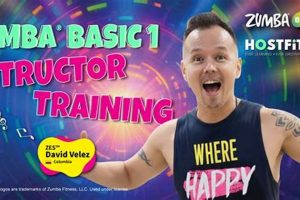
The core requirement is successful completion of a Zumba Basic 1 Instructor Training course offered by Zumba Fitness, LLC. Additional specialized training may be required for teaching specific Zumba programs beyond the basic level. Some fitness facilities may also necessitate CPR/AED certification.
Question 3: How is effective choreography designed for Zumba classes?
Effective choreography incorporates a variety of Latin and international music genres, a balanced mix of high and low-intensity movements, and a logical progression of steps to allow participants to gradually learn and master routines. Adaptations for different fitness levels are essential.
Question 4: What are the critical safety considerations for Zumba instruction?
Key safety considerations include ensuring adequate space for movement, providing clear instructions on proper form, offering modifications for individuals with limitations, monitoring participants for signs of fatigue or distress, and possessing current certification in first aid and CPR.
Question 5: How is participant motivation maintained over time?
Sustained participant motivation is fostered through positive reinforcement, the creation of a supportive community, varied and engaging routines, and the recognition of individual progress. The instructor’s enthusiasm and ability to connect with participants on a personal level are also critical.
Question 6: What strategies are effective for building a successful Zumba instruction business?
Successful business practices involve consistent marketing and promotion, providing exceptional customer service, offering a diverse range of class options, maintaining a strong online presence, and continuously seeking opportunities for professional development. Adherence to ethical business practices is paramount.
In summation, success demands a blend of fitness expertise, communication skills, and business acumen. A commitment to continuing education and the well-being of class members are essential attributes for sustained success.
The following section will present a conclusion summarizing the key takeaways from this exploration.
Conclusion
The multifaceted role of “being a zumba instructor” extends far beyond the mere execution of dance steps. This profession demands a comprehensive skill set encompassing choreography, class management, safety consciousness, and the ability to inspire and motivate participants. Continued education, business acumen, and a commitment to professional standards further contribute to long-term success in this dynamic field. The responsibilities are significant, requiring dedication and a genuine concern for the well-being of individuals seeking to improve their fitness.
The effectiveness of this role lies in fostering a positive and inclusive environment, ensuring that all participants feel valued and supported in their fitness journey. The profession requires continual commitment and personal investment. The dedicated exercise professional can successfully offer a positive fitness experience and assist others. The commitment to continuous self-improvement and the prioritizing of participant wellness are imperative to maintaining relevance and delivering meaningful contributions to the health and fitness community.