The decision to pursue a career teaching Zumba fitness classes involves a multifaceted assessment of personal attributes, professional goals, and market demand. A potential instructor must consider their passion for dance and fitness, their ability to motivate others, and the financial implications of undertaking the required training and certification. This pursuit signifies a commitment to promoting physical well-being through a structured exercise program.
This undertaking offers several potential benefits, including flexible work hours, the opportunity to create a positive impact on individuals’ health, and the potential for financial independence. Historically, the popularity of group fitness classes has fluctuated, but Zumba, with its focus on accessible dance moves and energetic music, has maintained a relatively consistent presence in the fitness industry. The sustained appeal of this fitness format suggests a viable career path for individuals possessing the necessary skills and dedication.
Subsequent analysis will delve into the specific requirements for certification, the potential earning potential, the strategies for building a successful class following, and the challenges often encountered by instructors in this field. These factors are essential for making an informed decision regarding a career teaching Zumba.
Guidance for Aspiring Zumba Instructors
The following recommendations offer insights for individuals contemplating a career as a Zumba instructor. These guidelines address critical considerations for success in this field.
Tip 1: Assess Physical Fitness and Stamina: Instruction demands sustained physical exertion. Before undertaking certification, evaluate existing fitness levels and ability to maintain high-energy movement for extended periods.
Tip 2: Evaluate Dance Proficiency: While formal dance training is not always mandatory, a solid foundation in rhythm and movement is crucial. Practice fundamental dance steps to ensure confident execution and instruction.
Tip 3: Research Certification Requirements: Zumba offers various certification levels. Understand the prerequisites, costs, and time commitment associated with each level to select the most appropriate program.
Tip 4: Develop Motivational Skills: Effective instructors inspire and encourage participation. Practice techniques for communicating enthusiasm, providing positive reinforcement, and adapting instruction to diverse fitness levels.
Tip 5: Analyze Market Demand: Research the local fitness landscape to identify potential opportunities. Consider the existing competition, target demographic, and preferred class formats in the desired geographic area.
Tip 6: Create a Business Plan: Establishing a sustainable career requires careful planning. Develop a business plan that outlines financial projections, marketing strategies, and operational logistics.
Tip 7: Secure Necessary Insurance: Liability insurance is essential to protect against potential injuries during classes. Research and obtain appropriate coverage to mitigate financial risks.
Tip 8: Cultivate a Professional Network: Connect with other fitness professionals to share resources, exchange ideas, and build referral networks. Attend industry events and participate in online forums to expand professional contacts.
Adhering to these recommendations will enhance the likelihood of success in the competitive field of Zumba instruction. A thoughtful and strategic approach is paramount to building a fulfilling and sustainable career.
The concluding section will provide a comprehensive summary and final considerations regarding this career path.
1. Fitness Proficiency

Fitness proficiency represents a foundational element in the deliberation of whether to pursue a career as a Zumba instructor. It directly influences an individual’s capacity to effectively lead classes, maintain participant engagement, and safeguard against potential physical strain or injury. A high level of personal fitness is not merely beneficial but functionally necessary for successful instruction.
- Sustained Energy Levels
Zumba classes demand continuous, high-energy movement. Instructors must possess the stamina to lead hour-long sessions while demonstrating proper technique and maintaining an enthusiastic demeanor. Insufficient energy levels can lead to compromised instruction, reduced participant motivation, and potential burnout for the instructor.
- Demonstration of Proper Technique
Instructors serve as role models for participants. They must execute dance steps and fitness movements with precision to ensure participants learn correct form and minimize the risk of injury. Lack of fitness can lead to improper demonstrations, potentially resulting in participants adopting incorrect techniques.
- Injury Prevention
Instructing Zumba places physical demands on the body. Adequate fitness levels, including strength, flexibility, and cardiovascular endurance, are crucial for preventing injuries such as sprains, strains, and overuse syndromes. An instructor who is not physically prepared is at greater risk of incurring injuries that could impede their ability to teach.
- Effective Class Management
Maintaining control and monitoring participants’ movements during a high-energy Zumba class requires physical agility and attentiveness. Instructors must be able to move swiftly around the room, observe participants’ form, and provide timely corrections. Limited fitness can hinder an instructor’s ability to effectively manage the class and ensure participant safety.
In summation, fitness proficiency is inextricably linked to the success and safety of a Zumba instructor. Without a solid foundation of physical fitness, individuals may struggle to meet the demands of the profession, potentially compromising their own well-being and the experience of their participants. This factor should be stringently evaluated when considering embarking on a career in Zumba instruction.
2. Certification Costs

The financial investment required to obtain and maintain Zumba instructor certifications represents a significant consideration in the decision-making process regarding a career as a Zumba instructor. These costs are not merely incidental; they directly impact the profitability and sustainability of such a career, influencing the timeframe required to recoup initial investments and the ongoing financial burden associated with maintaining active certification status. The initial outlay for basic Zumba instructor training, for instance, typically ranges from several hundred to over a thousand dollars, depending on the specific program and location. Recertification fees, usually required annually or biennially, further contribute to the overall expense. Therefore, a comprehensive understanding of these costs is essential for assessing the financial feasibility of this professional path.
Beyond the initial certification and recurring recertification fees, prospective instructors must also consider supplementary expenses. These can include the cost of continuing education workshops designed to enhance teaching skills and expand knowledge of different Zumba specialties. Moreover, the purchase of appropriate music licenses to legally play copyrighted music during classes constitutes an ongoing operational cost. Failing to account for these additional financial burdens can lead to inaccurate projections of potential earnings and ultimately, financial strain. For example, an instructor who neglects to budget for music licensing may face legal repercussions or be forced to forgo playing music, significantly diminishing the appeal of their classes. Real-world examples demonstrate that instructors who meticulously track and manage these costs are more likely to achieve long-term financial stability.
In conclusion, certification costs represent a critical component in the evaluation of whether to pursue a career as a Zumba instructor. A thorough assessment of these expenses, encompassing initial training, recertification, continuing education, and operational necessities like music licensing, is paramount for informed decision-making. Overlooking these financial aspects can lead to inaccurate assessments of potential profitability and hinder long-term career sustainability. Prospective instructors should therefore conduct comprehensive cost analyses to ascertain the financial viability of this career path and ensure a sound financial foundation for their Zumba instruction endeavors.
3. Market Demand

Market demand serves as a crucial determinant in evaluating the potential success of a career as a Zumba instructor. The presence or absence of sufficient demand directly impacts an instructor’s ability to secure employment opportunities, attract a consistent clientele, and ultimately, generate sustainable income. Areas with a high concentration of fitness enthusiasts, community centers offering diverse fitness programs, and populations with a demonstrated interest in dance-based exercise formats are indicative of strong market demand. Conversely, regions saturated with competing fitness options or lacking in awareness of Zumba’s benefits may present significant challenges to prospective instructors. A concrete illustration is apparent in urban centers with established fitness cultures, where Zumba classes often thrive due to a pre-existing customer base and accessible venues. In contrast, rural communities may necessitate proactive marketing efforts and community outreach to cultivate sufficient interest and participation.
The practical implications of understanding market demand extend beyond simply identifying potential class locations. Instructors must also tailor their services to meet the specific needs and preferences of their target demographic. This may involve offering specialized Zumba formats, such as Zumba Gold for older adults or Zumba Kids for children, adjusting class schedules to accommodate working professionals, or incorporating culturally relevant music and dance styles. Furthermore, instructors must actively promote their classes through online advertising, social media engagement, and collaborations with local businesses to effectively reach their target audience. For example, an instructor offering a Zumba class at a local community center could partner with a nearby health food store to offer promotional discounts and cross-promote services, thereby expanding their reach and attracting new participants.
In conclusion, market demand represents a pivotal factor in assessing the viability of a career as a Zumba instructor. A comprehensive understanding of local market dynamics, coupled with proactive strategies for adapting to evolving consumer preferences, is essential for navigating the competitive fitness landscape and achieving long-term success. While passion for dance and fitness is undoubtedly important, a realistic assessment of market demand is paramount for ensuring a sustainable and financially rewarding career in Zumba instruction. Without such an assessment, potential instructors risk investing time and resources in a venture with limited prospects for growth and profitability.
4. Income Potential

The decision to pursue a career as a Zumba instructor is directly linked to the potential for financial remuneration. Income potential, therefore, represents a significant factor in this career assessment. The anticipated earnings serve as a primary motivator and a practical consideration, influencing the viability and attractiveness of this profession. The degree to which the income aligns with personal financial goals and obligations is a key determinant for individuals considering this path. Low income potential, relative to effort and investment, may dissuade individuals, while a prospect for substantial earnings may serve as a powerful incentive.
The actual income derived from Zumba instruction is variable, contingent upon several factors including geographic location, class size, frequency of classes taught, and the instructor’s level of experience and reputation. An instructor teaching multiple classes per week in a densely populated urban area with a high demand for fitness programs will likely earn more than an instructor offering a single class in a rural location. Additionally, instructors who establish a strong personal brand, cultivate a loyal following, and offer specialized classes (e.g., Zumba Gold, Zumba Kids) may command higher fees and attract more participants. For example, an instructor with five years of experience and a certified specialization might earn significantly more per class than a newly certified instructor without a specialty.
In conclusion, income potential is an undeniable component of the decision to become a Zumba instructor. While passion for fitness and dance is valuable, the financial realities of this career path must be carefully evaluated. A realistic assessment of potential earnings, considering regional variations, experience levels, and the ability to build a strong client base, is essential for making an informed decision regarding the suitability of this career choice. The long-term sustainability of a Zumba instruction career is directly tied to its ability to provide a reliable and satisfactory income.
5. Scheduling Flexibility

Scheduling flexibility represents a significant advantage for individuals considering a career as a Zumba instructor. The capacity to control one’s work hours and integrate instruction with other personal or professional commitments is a key factor influencing the attractiveness of this career path.
- Work-Life Integration
The ability to set class schedules allows instructors to accommodate other responsibilities, such as family commitments, further education, or secondary employment. This integration enhances work-life balance, potentially reducing stress and improving overall quality of life. For instance, a parent might schedule classes during school hours, maximizing time spent with children while still pursuing a professional career.
- Part-Time Income Supplementation
Zumba instruction can serve as a reliable source of supplemental income, particularly for individuals seeking to augment existing earnings. The flexible nature of scheduling permits instructors to teach classes during evenings, weekends, or other off-peak hours, without necessitating a full-time commitment. This aspect is particularly relevant for students, retirees, or those seeking to transition into the fitness industry gradually.
- Entrepreneurial Opportunities
The scheduling freedom afforded to Zumba instructors enables them to explore entrepreneurial ventures, such as organizing workshops, offering private lessons, or developing specialized fitness programs. This entrepreneurial flexibility empowers instructors to diversify their income streams and expand their professional reach. The option to rent studio space or partner with gyms further enhances entrepreneurial prospects.
- Adaptability to Personal Preferences
Instructors can tailor their schedules to align with their personal energy levels and preferences. Some individuals may prefer to teach early morning classes, while others may find evening sessions more appealing. This adaptability allows instructors to optimize their performance and maintain enthusiasm, enhancing the quality of instruction and participant engagement.
In summary, scheduling flexibility is a compelling benefit associated with a career as a Zumba instructor. The ability to integrate instruction with other life priorities, supplement income, explore entrepreneurial opportunities, and align schedules with personal preferences contributes significantly to the overall appeal and attractiveness of this profession. This factor should be carefully considered when evaluating the potential benefits and drawbacks of pursuing a career in Zumba instruction.
6. Liability Concerns

The decision to become a Zumba instructor necessitates a thorough understanding of potential liability concerns. These concerns stem from the inherent risks associated with physical activity, where participant injuries can occur. Instructors, as facilitators of exercise, may be held responsible for injuries arising from inadequate instruction, unsafe environments, or failure to adequately assess participant fitness levels. This potential legal and financial exposure is a critical factor in evaluating the suitability of this career path. For example, an instructor who neglects to properly demonstrate a complex movement, resulting in a participant’s sprained ankle, could face legal action.
Mitigating liability requires proactive measures. Instructors must secure appropriate liability insurance coverage to protect against potential lawsuits. Implementing comprehensive pre-class screening procedures, including health questionnaires and waivers, is crucial. Maintaining a safe and well-maintained class environment, free from hazards, is paramount. Delivering clear and concise instructions, adapting exercises to accommodate varying fitness levels, and promptly addressing participant concerns are essential risk management strategies. A real-world scenario involves an instructor facing legal challenges due to a slip-and-fall incident in a poorly maintained studio, highlighting the practical significance of environmental safety protocols. Proper certification and adherence to industry best practices can further demonstrate due diligence and reduce liability exposure.
In conclusion, liability concerns represent a significant consideration for prospective Zumba instructors. Understanding these risks and implementing robust risk management strategies, including insurance coverage, pre-class screening, and safe environment maintenance, is essential for safeguarding against potential legal and financial repercussions. A failure to adequately address liability concerns can have severe consequences, impacting an instructor’s financial stability and professional reputation. Therefore, a comprehensive understanding of these issues is a prerequisite for a responsible and sustainable career as a Zumba instructor.
Frequently Asked Questions
This section addresses common inquiries regarding the pursuit of a career as a Zumba instructor, providing factual responses to facilitate informed decision-making.
Question 1: What are the fundamental prerequisites for becoming a certified Zumba instructor?
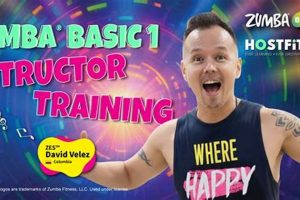
The primary requirement is the completion of a Zumba Basic 1 instructor training course. There are typically no formal educational or fitness prerequisites beyond being at least 18 years of age.
Question 2: How much capital is typically required to initiate a Zumba instruction career?
The initial investment encompasses the cost of the Zumba Basic 1 training, marketing materials, music licensing fees, and potentially liability insurance. The total expenditure can range from several hundred to several thousand dollars.
Question 3: Is ongoing professional development necessary to maintain Zumba instructor certification?
Yes, Zumba instructor certification typically requires ongoing professional development, often in the form of continuing education credits earned through workshops or advanced training sessions.
Question 4: What are the primary legal considerations for Zumba instructors?
Legal considerations include obtaining proper music licensing to avoid copyright infringement, securing liability insurance to protect against participant injuries, and adhering to relevant local business regulations.
Question 5: What strategies are effective for building a consistent clientele for Zumba classes?
Effective strategies include utilizing social media marketing, offering introductory discounts, partnering with local businesses for cross-promotion, and cultivating a positive and engaging class environment.
Question 6: What are the typical challenges encountered by Zumba instructors?
Common challenges include managing class attendance fluctuations, maintaining participant motivation, competing with other fitness programs, and addressing potential participant injuries or concerns.
These FAQs offer a foundational understanding of the requirements, challenges, and considerations associated with a Zumba instruction career.
The subsequent section will provide a concluding summary and final recommendations.
Determining the Viability of Zumba Instruction
The preceding exploration of the question “should I become a Zumba instructor” has elucidated several critical factors. Demonstrated fitness proficiency, certification costs, market demand assessment, realistic income potential evaluation, scheduling flexibility considerations, and understanding of liability concerns are all vital components of a well-informed decision. A prospective instructor must rigorously assess each of these areas to determine the likelihood of success and sustainability within this profession.
The decision to pursue this career path warrants careful deliberation. While the allure of flexible hours and a fitness-oriented vocation may be enticing, the realities of building a client base, managing financial obligations, and mitigating potential legal risks demand serious consideration. Only through a thorough and objective self-assessment can an individual accurately determine whether this career path aligns with personal strengths, professional goals, and financial aspirations. The ultimate determination rests on a balanced evaluation of these diverse factors, acknowledging both the potential rewards and the inherent challenges.