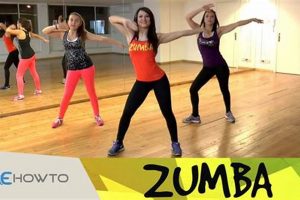
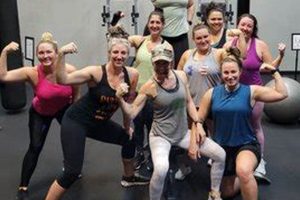
Zumba, a dance fitness program, has established a significant presence in New York City. The program combines Latin and international music with dance moves, creating a dynamic and engaging workout experience. Classes are widely available throughout the city, catering to diverse fitness levels and preferences. This integration of dance and exercise offers an alternative to traditional workout routines.
The popularity of this fitness format stems from its accessibility and enjoyment factor. Participants often report enhanced cardiovascular health, improved coordination, and a sense of community. Its roots trace back to the mid-1990s, evolving from a spontaneous dance improvisation to a structured fitness program offered globally, with a strong following in urban centers like New York City. The program’s non-intimidating environment fosters participation and promotes long-term adherence to a fitness regimen.
This article will delve into the specifics of available class formats, locations, pricing structures, and instructor qualifications related to these offerings within New York City. Furthermore, it will explore the potential benefits and considerations for individuals considering engaging in this form of physical activity.
Guidance for Participation
The following guidance is designed to enhance the experience and maximize the benefits of engaging in dance fitness programs in New York City. Adherence to these recommendations can contribute to a safer and more effective workout regimen.
Tip 1: Assess Fitness Level. Individuals should evaluate their current physical condition before enrolling in a class. Consulting a healthcare professional prior to starting any new exercise program is advisable, particularly for those with pre-existing health conditions.
Tip 2: Select Appropriate Class Level. New York City offers various class levels, ranging from beginner to advanced. Choosing a class that aligns with one’s current fitness abilities will minimize the risk of injury and promote gradual progress.
Tip 3: Prioritize Proper Hydration. Maintaining adequate hydration is crucial during any physical activity. Participants should consume water before, during, and after each session to prevent dehydration.
Tip 4: Wear Supportive Footwear. Appropriate footwear is essential for minimizing the risk of foot and ankle injuries. Cross-training shoes that provide adequate support and cushioning are recommended.
Tip 5: Listen to the Body. Participants should pay close attention to their body’s signals and modify movements or take breaks as needed. Pushing oneself beyond comfortable limits can increase the likelihood of injury.
Tip 6: Understand Class Policies. Familiarizing oneself with studio policies regarding cancellations, refunds, and class schedules is recommended to avoid misunderstandings.
Tip 7: Arrive Early. Arriving early to the class allows individuals to properly warm up and become familiar with the dance floor layout. This preparation will further reduce the possibility of injury.
By adhering to these guidelines, participants can optimize their engagement and benefit from the physical and social aspects of the program, contributing to an enhanced fitness experience.
The subsequent sections will provide further detail on specific programs available and how to choose the best option for individual needs.
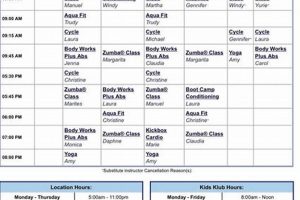
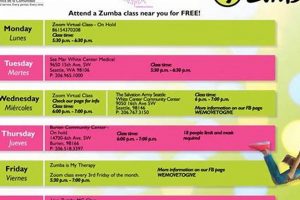
1. Class Schedules

Class schedules are a foundational element of dance fitness accessibility within New York City. The breadth and timing of available classes directly influence participation rates and the program’s integration into individual lifestyles. A comprehensive understanding of scheduling considerations is therefore vital to gauging the impact on potential and current participants.
- Peak Hour Availability
The availability of classes during peak hours, such as weekday evenings and weekend mornings, significantly impacts accessibility for working professionals and students. Insufficient offerings during these times may limit participation among key demographics, thereby restricting the program’s overall reach within New York City.
- Geographic Distribution
Class schedules must consider the geographic distribution of studios across the five boroughs. Concentrated offerings in specific neighborhoods may create disparities in access for residents of underserved areas. Equitable distribution ensures broader community engagement and equal opportunity for participation.
- Variety of Class Times
A diverse range of class times, including early morning, midday, and late evening options, caters to varied schedules and preferences. This flexibility enhances inclusivity, accommodating individuals with unconventional work hours or other time constraints. Limited variety restricts the program’s appeal to a narrower audience.
- Specialized Class Offerings
Class schedules may include specialized offerings such as beginner workshops, advanced sessions, or classes tailored to specific age groups or fitness levels. These targeted sessions enhance the overall value proposition, attracting a wider range of participants and fostering a more inclusive environment. The lack of specialized sessions may alienate certain segments of the population.
In conclusion, the strategic construction of class schedules is essential for maximizing the reach and impact. Consideration of peak hours, geographic distribution, class time variety, and specialized offerings ensures the program is accessible to a wider population, enhancing its role within the health and wellness landscape of New York City.
2. Instructor Qualifications

Instructor qualifications serve as a cornerstone of quality and safety within the dance fitness experience in New York City. Certified instructors with appropriate training in exercise science, choreography, and first aid are better equipped to lead classes effectively and manage potential risks. The lack of qualified instructors could lead to injuries, improper form instruction, and a diminished overall experience. For instance, an instructor without proper certification might fail to recognize and correct incorrect posture during high-impact movements, increasing the risk of joint strain or muscle injury. This highlights the cause-and-effect relationship between instructor training and participant well-being.
The importance of instructor qualifications extends beyond injury prevention. Knowledgeable instructors can modify routines to accommodate varying fitness levels and physical limitations. This personalization fosters a more inclusive environment and ensures that all participants can benefit from the workout without undue stress or risk. For example, an experienced instructor might offer lower-impact modifications for individuals with knee problems or provide alternative movements for those with limited mobility. This adaptability is crucial for attracting and retaining a diverse clientele. Furthermore, properly trained instructors understand the principles of exercise physiology and can design classes that effectively target specific muscle groups and improve cardiovascular health.
In summary, verifiable instructor qualifications are essential for ensuring a safe, effective, and enjoyable exercise experience within New York City. These qualifications directly impact participant well-being, class inclusivity, and the overall quality of the program. Ensuring adequate qualifications mitigate physical risks and contribute to a positive and supportive atmosphere where participants can reach their fitness goals safely and effectively. The ongoing commitment to upholding instructor standards helps to distinguish reputable programs from those that may prioritize profit over participant safety and quality.
3. Studio Locations

The strategic placement of studios offering this particular dance fitness program within New York City directly influences accessibility and participation rates. The convenience afforded by readily available locations is a critical factor in attracting and retaining clientele, impacting the overall viability and reach of these fitness programs. Proximity to residential areas, public transportation hubs, and workplaces contributes significantly to potential participants’ willingness to incorporate such activities into their routines.
- Urban Accessibility
Studio location significantly impacts the accessibility for New York City residents. Placement near subway lines or bus routes reduces transportation barriers, particularly for those relying on public transit. A studio situated a considerable distance from public transportation options or requiring extensive travel discourages participation, limiting its reach to a smaller, more geographically convenient segment of the population. For example, a studio located steps from Grand Central Terminal will likely attract a larger and more diverse clientele than one situated in a less accessible industrial area of the outer boroughs.
- Neighborhood Demographics
Studio locations within New York City should align with neighborhood demographics to effectively serve the needs of the local population. A studio situated in a densely populated residential area with a high concentration of young adults and families is more likely to thrive than one located in a predominantly commercial or industrial zone. Tailoring class schedules and promotional efforts to resonate with the specific interests and needs of the surrounding community is crucial for maximizing engagement. For example, a studio in a neighborhood known for its vibrant Latin American community may benefit from incorporating more Latin-inspired music and dance styles into its classes.
- Competition and Market Saturation
The density of fitness studios within a given area affects the competitive landscape. An oversaturated market may lead to pricing wars and decreased profitability, particularly for smaller, independent studios. Conversely, a lack of fitness options in a particular neighborhood presents an opportunity for a new studio to establish a strong presence and capture a significant share of the local market. Careful consideration of the existing competitive environment is essential when selecting a studio location to ensure long-term sustainability. Before establishing a studio, market research should assess the saturation level in the target location, identifying both competitors and underserved niches.
- Safety and Visibility
The safety and visibility of a studio location are crucial considerations, particularly for evening classes and women’s fitness programs. Well-lit and easily accessible locations in safe neighborhoods promote a sense of security and encourage participation. A studio located in a dimly lit or isolated area may deter potential customers, particularly during non-daylight hours. Visibility from the street and clear signage also contribute to attracting new customers. A prominent storefront presence enhances brand awareness and conveys a sense of legitimacy and professionalism, encouraging potential clients to explore class offerings.
The relationship between studio locations and the availability of dance fitness programs in New York City is intertwined. A strategic location coupled with accessibility, alignment with demographic trends, consideration of market saturation, and attention to safety and visibility are critical factors influencing the fitness program’s success. These elements work in conjunction to make dance fitness options an attractive element for individuals seeking fitness options across New York City.
4. Pricing Options

Pricing options are a significant determinant of accessibility to dance fitness programs within New York City. The financial commitment required to participate influences who can engage in these activities, shaping the demographic profile of participants and impacting the overall reach of these programs.
- Membership Models
Membership models, encompassing monthly or annual subscriptions, offer structured access to dance fitness classes. These models often provide cost savings for frequent attendees but may pose a financial barrier for infrequent participants or those with fluctuating schedules. A high monthly fee may exclude individuals with limited disposable income, while long-term commitments may deter those hesitant to commit to a specific program. For instance, a studio offering unlimited classes for $200 per month may appeal to dedicated fitness enthusiasts but prove unaffordable for casual participants.
- Drop-in Rates
Drop-in rates allow individuals to attend single classes without committing to a membership. This model provides flexibility for those with unpredictable schedules or those seeking to sample different class formats before making a larger investment. However, drop-in rates typically cost more per class than membership options, potentially discouraging regular attendance. For example, a studio charging $35 per drop-in class may be attractive to occasional participants but less appealing to those seeking a consistent workout routine.
- Package Deals
Package deals offer a middle ground between memberships and drop-in rates, allowing individuals to purchase a set number of classes at a discounted price. These packages provide flexibility while incentivizing repeat attendance. However, unused classes may expire, resulting in lost value for participants. A package of 10 classes for $250, with an expiration date of three months, may appeal to individuals who anticipate attending regularly but may penalize those who are unable to utilize all the classes within the allotted time.
- Promotional Offers
Promotional offers, such as introductory discounts or trial periods, can attract new customers and encourage them to explore dance fitness programs. These offers can lower the initial financial barrier to entry and allow potential participants to experience the benefits firsthand. However, the long-term affordability and sustainability of these programs depend on the regular pricing structure. An introductory offer of a free week of classes may entice new participants, but the subsequent cost of membership or drop-in rates will ultimately determine whether they continue to engage in the program.
The pricing structures of dance fitness programs in New York City dictate their accessibility and influence the demographics of participants. A diverse range of pricing options, including flexible payment plans and subsidized programs for low-income individuals, can promote greater inclusivity and ensure that these fitness opportunities are available to a broader segment of the population. By carefully considering the financial implications of their pricing models, studios can contribute to the health and wellness of the entire New York City community.
5. Music Selection

Music selection forms a core component of the dance fitness format prevalent in New York City. The chosen musical genres and specific tracks directly influence the intensity, engagement, and overall effectiveness of the workout. The selection of music, for example, determines the types of dance moves incorporated into routines. Upbeat Latin rhythms often inspire salsa and merengue steps, while hip-hop tracks may lead to more contemporary and energetic choreography. The synchronization of movements to the music’s tempo and rhythm enhances coordination, cardiovascular health, and muscle engagement. A poorly curated playlist, conversely, can disrupt the flow of the class and diminish participant motivation.
Considerations in music selection extend beyond genre. Varying tempos within a class provide interval training opportunities, improving cardiovascular capacity and fat burning potential. Music from various global regions introduce participants to diverse cultures, expanding their horizons while exercising. The licensing of music is also a critical factor. Legitimate music rights ensure both legality and artist compensation, maintaining ethical practices. Studios that fail to secure proper licensing face legal repercussions and potentially disrupt their class schedules. For instance, a New York City studio offering classes using unlicensed music was served with a cease-and-desist order, forcing them to halt affected classes until music licensing was secured.
Music selection significantly impacts the participants experience and the fitness outcome. The specific rhythmic nature dictates class participation and overall workout benefits. Without quality music selection participants and studios could potentially face physical and financial challenges. The integration of diverse musical styles is important to the overall fitness experience.
6. Community Engagement
Community engagement serves as a pivotal component in the sustained success and broad appeal of dance fitness programs in New York City. The social connections fostered within these classes extend beyond the physical workout, influencing participant motivation, adherence, and overall well-being. Active community participation can transform a simple fitness class into a supportive network, fostering a sense of belonging and shared purpose among individuals who might otherwise lack consistent social interaction. These benefits go beyond physical exercise and influence general life. For example, participants often form friendships within class, leading to increased attendance and a greater commitment to fitness goals. The establishment of support networks positively impacts mental and emotional health, reinforcing the importance of group fitness activities.
Organized social events, such as themed dance parties or group outings, exemplify the practical application of community engagement strategies. These activities encourage interaction outside of scheduled class times, strengthening bonds and enhancing the overall sense of community. The incorporation of charitable initiatives, such as fundraising events or dance-a-thons benefiting local organizations, further amplifies the program’s positive impact, aligning fitness goals with broader social responsibilities. Local instructors often lead workshops at community centers, offering free or low-cost classes to encourage community involvement and access to fitness. These initiatives not only increase exposure for studios but also contribute to a more inclusive fitness environment.
In conclusion, the level of community engagement associated with dance fitness programs plays a vital role in sustaining participation and fostering a positive social environment within New York City. Actively promoting social interaction and incorporating community-focused initiatives contributes to the creation of a supportive and inclusive environment, where participants achieve fitness goals and feel more integrated into their local community. Overcoming issues such as a lack of available space, financial constraints, or limited social opportunities enables fitness programs to become a true community cornerstone.
Frequently Asked Questions Regarding Dance Fitness Programs in New York City
The following frequently asked questions address common concerns and misconceptions about engaging in dance fitness programs in New York City. This section aims to provide clarity and facilitate informed decision-making.
Question 1: What qualifications should instructors possess to ensure a safe and effective dance fitness experience?
Instructors should hold certifications from recognized fitness organizations and possess specific training in the particular dance fitness format being taught. CPR and first aid certifications are also essential. Verification of instructor credentials prior to participation is advisable.
Question 2: How does location impact accessibility to dance fitness classes within New York City?
Proximity to public transportation, residential areas, and workplaces significantly influences accessibility. Studios situated near subway lines or bus routes enhance convenience and encourage participation. Consideration of neighborhood demographics is also crucial for optimal program reach.
Question 3: What are the common pricing structures for dance fitness classes, and which offers the most flexibility?
Common pricing models include memberships, drop-in rates, and package deals. Drop-in rates generally offer the most flexibility, allowing individuals to attend single classes without a long-term commitment. However, memberships often provide cost savings for frequent attendees.
Question 4: How does music selection contribute to the overall dance fitness experience?
Music selection influences the intensity, engagement, and effectiveness of the workout. Genres, tempos, and synchronization with movements are critical factors. Adherence to music licensing regulations is also essential for ethical and legal operation.
Question 5: In what ways does community engagement enhance the benefits of dance fitness programs?
Community engagement fosters social connections, boosts motivation, and improves adherence. Organized social events, charitable initiatives, and accessible workshops contribute to a supportive and inclusive environment.
Question 6: What are some of the common challenges and risks associated with dance fitness participation, and how can they be mitigated?
Potential challenges include injuries resulting from improper form, dehydration, and overexertion. Mitigation strategies include assessing fitness levels, selecting appropriate class levels, prioritizing hydration, wearing supportive footwear, and heeding body signals.
This compilation of frequently asked questions aims to address prevailing concerns, improving understanding of program components and risk mitigation techniques. This ultimately contributes to a more positive and secure experience in dance fitness engagements.
The subsequent sections will examine specialized formats and progressive techniques related to dance fitness options.
Conclusion
The exploration of dance fitness programs in New York City, often sought under the search term “zumba fitness nyc,” reveals a complex interplay of factors that influence accessibility, quality, and engagement. Instructor qualifications, strategic studio locations, diverse pricing options, and thoughtfully curated music selections all contribute to the viability and impact of these programs. Community engagement further strengthens participation and fosters a supportive environment.
The sustained success of dance fitness opportunities within New York City hinges on a commitment to maintaining high standards, addressing potential challenges, and adapting to the evolving needs of its diverse population. Continued investment in qualified instructors, accessible locations, and community-focused initiatives will ensure that dance fitness remains a valuable resource for promoting health, well-being, and social connection throughout the city.