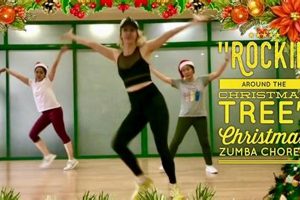
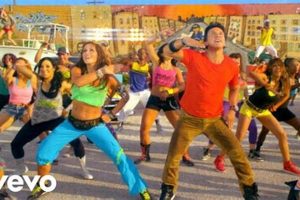
Festive fitness routines incorporating holiday-themed music offer an engaging way to exercise during the Christmas season. These routines blend the energetic dance moves of a popular workout program with familiar Christmas carols and seasonal tunes, creating a joyful and invigorating exercise experience. As an illustration, consider a routine that synchronizes Latin-inspired steps with a remix of “Jingle Bells,” resulting in a high-energy cardiovascular workout.
Integrating seasonal music into exercise offers multiple advantages. It increases participant enjoyment and motivation, which can lead to better adherence to fitness goals during a time of year often associated with reduced physical activity. Furthermore, the familiar melodies evoke positive emotional responses and can help to alleviate stress and boost mood. Historically, group fitness classes have adapted to incorporate seasonal themes to maintain participant engagement and create a sense of community during holidays.
The following sections will explore the selection of appropriate music, the design of effective class routines, and the considerations for participant safety when blending holiday music with dance-based fitness activities. Practical tips and advice will be provided to facilitate the creation of fun and effective holiday-themed workouts.
Guidance for Integrating Festive Music into Dance-Based Fitness Activities
The following recommendations provide a framework for effectively incorporating holiday-themed musical selections into dance fitness routines. The emphasis is on safety, musicality, and maintaining the integrity of the workout.
Tip 1: Music Selection Focus. Prioritize upbeat and rhythmically appropriate musical pieces. Not all traditional Christmas carols are suitable for high-energy fitness activities; selections should possess a tempo and beat structure conducive to dance movement.
Tip 2: Tempo Adjustment. Modify the tempo of chosen tracks to align with the intensity level of the workout segment. A slower tempo is preferable for warm-up or cool-down periods, while a faster tempo is appropriate for peak cardiovascular activity.
Tip 3: Remixing and Mashups. Consider employing remixes or mashups that blend traditional holiday tunes with modern dance rhythms. This strategy can modernize the music and increase its appeal to a wider audience while retaining the festive spirit.
Tip 4: Transition Planning. Pre-plan transitions between musical selections to ensure a seamless flow. Abrupt changes in tempo or style can disrupt the workout’s momentum and potentially lead to participant discomfort.
Tip 5: Volume Control. Maintain a safe and appropriate volume level throughout the class. Excessive volume can damage hearing and detract from the overall enjoyment of the exercise session.
Tip 6: Cultural Sensitivity. Exercise awareness regarding the cultural and religious connotations of chosen musical pieces. Select a diverse range of music to be inclusive of all participants.
Tip 7: Choreography Adaptation. Adapt choreography to suit the rhythm and phrasing of the music. Movements should complement the beat and lyrical content, enhancing the overall sensory experience.
Adhering to these recommendations enhances both the safety and effectiveness of integrating holiday music into dance-based fitness, offering a seasonally appropriate and engaging workout.
The concluding section will provide a summary of key concepts and discuss strategies for promoting these classes.
1. Rhythmic Adaptability
Rhythmic adaptability serves as a cornerstone when integrating holiday-themed music into dynamic dance fitness programs. It encompasses the adjustments necessary to harmonize varied musical rhythms with the established movement patterns within the fitness routine, ensuring coherence and effectiveness.
- Tempo Synchronization
Tempo synchronization involves aligning the speed of the Christmas song with the pace of the dance routine. This can require speeding up or slowing down a track to match the intended intensity level. For instance, a slow ballad might need a tempo increase to facilitate a high-energy sequence, while a fast-paced carol could require slowing for a cool-down. Without this synchronization, movements may appear disjointed and the overall workout ineffective.
- Beat Mapping
Beat mapping focuses on identifying and accentuating the primary beats within a piece of music. In the context of dance fitness, this means choreographing movements to naturally correspond with these beats. A lack of accurate beat mapping can lead to a disconnect between the music and the exercise, disrupting the flow and reducing the exercise’s impact. For example, ensuring a step coincides with the downbeat of a song creates a more synchronized and engaging experience.
- Genre Fusion
Genre fusion explores blending traditional holiday music with contemporary genres, such as Latin or hip-hop rhythms. This can require significant rhythmic adaptation to transform a conventional Christmas carol into a format suitable for dynamic dance. If done incorrectly, it can lead to a jarring, musically inconsistent experience. Successful genre fusion creates fresh, engaging arrangements that retain the festive spirit while providing a suitable foundation for exercise.
- Instrumentation Modification
Instrumentation modification involves altering the musical arrangement to accentuate rhythmic elements. This may include adding percussion, emphasizing bass lines, or remixing the original track to highlight specific rhythmic patterns. Proper instrumentation modification can significantly enhance the rhythmic drive of a Christmas song, making it more suitable for a fitness setting. Conversely, poorly executed modifications may detract from the song’s original character and diminish its overall appeal.
The success of incorporating rhythmic adaptability into routines hinges on the thoughtful application of tempo synchronization, beat mapping, genre fusion, and instrumentation modification. Each facet contributes to a cohesive blend of music and movement, ensuring that fitness classes leveraging Christmas songs are not only festive but also effective and enjoyable.
2. Tempo Suitability

Tempo suitability is a critical element in the effective integration of festive music within dance-based fitness routines. Specifically when adapting carols and Christmas songs, the inherent tempo often requires modification to align with the physical demands of a dance workout. Unsuitable tempos can reduce the effectiveness of the routine, diminishing its cardiovascular or strength-building benefits. For instance, a traditionally slow Christmas hymn, when unaltered, offers insufficient pace for a high-intensity interval training segment. Conversely, accelerating an already rapid carol beyond a reasonable point can create difficulty in executing movements precisely and safely, raising the risk of injury.
Practical application involves a process of careful selection and adjustment. Modern remixes or custom edits frequently provide an efficient method for achieving tempo suitability. For example, a Latin remix of “Feliz Navidad” might adjust the original’s moderate pace to a faster beat per minute (BPM), making it suitable for a Zumba routine. Furthermore, tempo suitability extends beyond just speed; it encompasses the consistency of the tempo throughout a track. Fluctuations or abrupt changes in speed can interrupt the flow of the routine, requiring careful planning in choreographic transitions or music editing.
In summary, tempo suitability is not merely an aesthetic preference but a fundamental factor influencing the safety and effectiveness of incorporating holiday music into dance fitness. Achieving appropriate tempo requires careful musical selection, remixing, and precise execution during choreography design. Overlooking the significance of tempo can render a Christmas-themed workout ineffective, potentially compromising participant engagement and overall results. The challenges lie in striking a balance between festive ambiance and biomechanically sound exercise.
3. Musicality

Musicality, in the context of holiday-themed dance fitness, refers to the degree to which movement accurately reflects and interprets the nuances of the musical score. This is especially pertinent when adapting Christmas carols for Zumba, as these songs often possess complex arrangements and distinct rhythmic qualities. A high degree of musicality in a routine translates to movements that are not simply synchronized to the beat but also embody the melody, phrasing, and emotional tone of the piece. The effect is a more engaging, expressive, and physically intuitive workout experience. For example, if a Christmas song features a crescendo, the Zumba choreography might incorporate progressively larger or more dynamic movements to mirror the musical build-up. A lack of musicality can result in a disconnect between the soundtrack and the exercise, reducing participant enjoyment and undermining the artistic integrity of the fitness class.
The importance of musicality extends beyond aesthetic considerations; it impacts the efficacy of the workout itself. Choreography that aligns with the inherent structure of the music can facilitate better proprioception and kinesthetic awareness, allowing participants to move more efficiently and confidently. In practice, this can involve adjusting step patterns to coincide with musical phrases or using arm movements to accentuate particular instruments or rhythmic motifs. Consider a scenario where a Zumba instructor incorporates a series of shoulder rolls during a flute solo within a Christmas carol remix; this intentional synchronization heightens the connection between the music and the physical activity, potentially leading to increased cardiovascular engagement and enhanced muscle activation. Moreover, a musically informed approach can enable instructors to create layered routines that challenge participants both physically and mentally, as they learn to anticipate and respond to subtle changes in the musical texture.
Understanding the practical significance of musicality when constructing Zumba routines using Christmas songs can present certain challenges. Many traditional carols require significant adaptation to suit the tempo and energy levels typically associated with dance fitness. However, retaining the musical character of these songs is crucial to capturing the holiday spirit and maintaining participant interest. Over-simplifying arrangements or disregarding melodic subtleties in pursuit of a faster tempo can detract from the overall appeal. A balanced approach, emphasizing thoughtful remixing, dynamic choreography, and attentive instructor cueing, can overcome these challenges and deliver a musically rich and physically rewarding workout experience.
4. Choreography
Choreography forms the foundational structure upon which the integration of festive music in Zumba rests. Its design dictates the physical movements synchronized with the chosen musical pieces. The selection and arrangement of steps, their intensity, and the transitions between them directly influence the workout’s effectiveness and participant engagement. Improperly designed choreography, even with appropriate musical selections, can diminish the physical benefits and overall experience. For example, repetitive or poorly executed sequences may lead to participant fatigue or, in extreme cases, injury. Therefore, the choreography must be adapted to the tempo, rhythm, and dynamic changes within the festive songs, ensuring that the exercise is both safe and effective.
The incorporation of specific Christmas themes within the choreography enhances the festive experience. This might involve steps that mimic activities associated with the holiday season or utilize hand movements resembling decorations or gift-giving. For instance, a sequence could include simulated snowball throws or dance moves that evoke the imagery of wrapping presents. These themed elements add an element of novelty and fun, increasing participant enjoyment and motivation. The choreography should also consider various fitness levels, providing modifications and options to cater to a diverse group of participants. A competent instructor will adapt the choreography to accommodate participants with physical limitations or varying levels of experience, thus ensuring inclusivity.
In summary, thoughtfully planned and well-executed choreography is essential for successful classes with Christmas songs. It serves as the bridge between the music and the physical activity, ensuring that the workout is both effective and enjoyable. Ignoring the importance of appropriate choreographic design, irrespective of suitable music, would undermine the entire objective. The skillful integration of themed movements and adaptations for different fitness levels demonstrates a comprehensive understanding of Zumba principles and holiday spirit.
5. Participant Engagement

Participant engagement is critical to the success of any fitness class, including those incorporating holiday-themed music. When implementing rhythms and choreography associated with Christmas celebrations, attention to factors influencing participant involvement is paramount. Enhanced engagement leads to improved adherence, greater enjoyment, and ultimately, more effective workout sessions.
- Musical Familiarity
The recognition and positive associations attached to well-known Christmas songs can serve as an initial engagement driver. Participants are more likely to be invested in a routine featuring music they recognize and enjoy, triggering positive emotional responses. For example, the inclusion of a popular carol like “Jingle Bell Rock” often fosters a sense of nostalgia and enthusiasm, prompting greater physical effort. However, reliance solely on familiarity may not suffice; the musical arrangement must still be conducive to dance fitness.
- Thematic Choreography
Choreography that incorporates themed movements related to Christmas imagery can further enhance participant investment. These movements might mimic activities like decorating a tree or wrapping presents. The incorporation of such thematic elements adds a layer of novelty and fun, increasing enjoyment and encouraging active participation. An example might include a series of arm movements imitating the act of stringing lights, synchronized with the beat of a festive song. This approach must be balanced with the need for an effective cardiovascular workout.
- Social Interaction
Group fitness activities inherently foster social interaction, and this aspect can be amplified during the holiday season. Participants often feel a heightened sense of community during Christmas, and incorporating group-oriented activities within the routine can capitalize on this. For instance, partner-based dance sequences or synchronized group movements can promote camaraderie and encourage participants to engage more actively. Ensuring inclusivity is paramount; activities should accommodate participants with varying levels of fitness and coordination.
- Perceived Enjoyment vs. Physical Challenge
Striking a balance between the enjoyment derived from the Christmas theme and the physical challenge of the Zumba workout is essential for sustained engagement. If the routine is perceived as too easy, participants may lose interest. Conversely, if the intensity is too high, it can deter individuals, particularly those new to Zumba or with lower fitness levels. A well-designed class will provide modifications and options to cater to a range of abilities, ensuring that all participants feel challenged yet successful.
In conclusion, participant engagement when using Christmas-themed music in Zumba requires a multi-faceted approach, attending to musical familiarity, thematic choreography, social interaction, and the balance between enjoyment and challenge. Neglecting any of these elements can undermine the overall effectiveness of the class. The goal is to create a workout environment that is both festive and physically beneficial, fostering a positive and sustainable fitness experience.
6. Seasonal Appeal
Seasonal appeal, in the context of dance fitness activities such as Zumba, denotes the enhanced attractiveness and relevance of a program due to its alignment with a specific time of year. When applied to Christmas music, seasonal appeal generates increased interest and participation through the cultural associations and emotional connections inherent in the holiday season.
- Nostalgic Association
The inherent nostalgic associations of Christmas music evoke positive memories and emotional responses, fostering a sense of comfort and familiarity. This can translate into increased motivation and enjoyment during exercise. For example, participants might be more inclined to engage with a routine featuring well-known carols due to their connection to childhood experiences and festive traditions. The effectiveness of this association depends on the consistent maintenance of a celebratory atmosphere throughout the class.
- Marketing Advantage
The seasonal appeal offers a distinct marketing advantage for fitness studios and instructors. Advertising classes as Christmas-themed provides a timely and relevant hook to attract new participants and retain existing ones. This strategic positioning can capitalize on the widespread desire for festive experiences during the holiday season. The benefit requires a focused marketing strategy highlighting the unique aspects of the class, such as specialized music playlists and themed choreography.
- Enhanced Motivation
Seasonal appeal can enhance participant motivation by aligning fitness goals with the broader cultural context of the holidays. Exercising to Christmas music can provide a sense of purpose beyond just physical fitness, connecting the activity to the broader festive atmosphere. This can be especially effective in combating the tendency towards reduced physical activity during the holiday period. Maintaining this motivation hinges on the instructor’s ability to create a dynamic and engaging class environment.
- Community Building
The communal aspect of celebrating Christmas can be leveraged to foster a sense of community within Zumba classes. Shared participation in a holiday-themed activity can strengthen bonds among participants, promoting social interaction and camaraderie. This sense of community can contribute to long-term adherence and overall satisfaction with the fitness program. The strength of this community bond relies on the inclusive nature of the class and the instructor’s ability to foster a welcoming environment.
In summary, the seasonal appeal of Christmas songs in Zumba provides significant benefits in terms of participant engagement, marketing opportunities, and community building. These advantages are contingent on the skillful integration of festive elements, maintenance of a challenging and effective workout, and the instructor’s ability to create a positive and inclusive environment. Failing to adequately address these facets may undermine the potential benefits of seasonal integration.
7. Safety Considerations

The integration of festive music into dance-based fitness, specifically when adapting songs associated with Christmas into Zumba routines, necessitates a heightened awareness of potential safety risks. The selection of music, the pace of the choreography, and the overall intensity of the workout must be carefully considered to prevent injuries and ensure participant well-being. Failure to address safety concerns directly impacts the benefits derived from exercise, negating any enjoyment from holiday-themed music. For example, an excessively fast tempo or overly complex movements can lead to muscle strains, sprains, or even cardiovascular incidents, especially among participants with pre-existing health conditions or limited fitness levels.
Implementing specific safety protocols is essential. This involves pre-screening participants for any physical limitations or medical conditions, providing clear instructions and modifications for exercises, and monitoring participants throughout the class for signs of fatigue or distress. The instructor must be adequately trained to recognize potential warning signs and respond appropriately. The environment itself also requires scrutiny; adequate space, proper flooring, and appropriate volume levels are crucial for preventing falls, minimizing joint impact, and protecting hearing. An instance of neglecting this would be utilizing slippery flooring, which exacerbates the potential for slips and falls during high-energy dance routines. Therefore, addressing safety in a proactive and comprehensive manner becomes a non-negotiable component of incorporating festive music into fitness activities.
Effective adaptation of Christmas music for Zumba demands a holistic approach where safety is not an afterthought but an integral part of the planning and execution process. Careful consideration of tempo, choreography, and participant limitations, coupled with appropriate safety measures, ensures that individuals can benefit from the physical and emotional advantages of exercise during the holiday season without compromising their well-being. The challenge lies in balancing the festive spirit with the responsibility to provide a safe and effective workout environment. This understanding underscores the practical significance of prioritising safety in all aspects of fitness programming.
Frequently Asked Questions
This section addresses common inquiries and misconceptions regarding the incorporation of Christmas-themed music into Zumba fitness routines. The aim is to provide clear and informative responses, ensuring a comprehensive understanding of the subject.
Question 1: Is adapting Christmas carols for Zumba routines appropriate for all fitness levels?
The suitability of Christmas carols for various fitness levels depends on the choreography and intensity of the routine. While the music can be universally appealing, the movements must be modified to accommodate different abilities and physical limitations. Routines lacking such modifications may pose a risk to beginners or individuals with pre-existing injuries.
Question 2: What are the primary considerations when selecting music for Zumba Xmas Songs sessions?
Key considerations include the tempo, rhythm, and lyrical content of the songs. The selected music should possess a tempo suitable for cardiovascular exercise, a consistent rhythm that facilitates dance movements, and lyrics that align with the festive theme while remaining appropriate for a fitness environment.
Question 3: How can instructors ensure participant safety during Zumba Xmas Songs routines?
Ensuring participant safety involves proper warm-up and cool-down exercises, clear instructions and modifications for all movements, adequate space and flooring to prevent falls, and monitoring participants for signs of fatigue or distress. Instructors should also encourage participants to listen to their bodies and adjust their intensity accordingly.
Question 4: Are there any copyright restrictions to be aware of when using Christmas music in Zumba classes?
Copyright restrictions apply to the public performance of copyrighted music, including Christmas songs. Instructors and fitness studios must obtain the necessary licenses from performing rights organizations (e.g., ASCAP, BMI, SESAC) to legally use copyrighted music in their classes.
Question 5: How does the incorporation of a holiday theme impact participant engagement in Zumba classes?
The incorporation of a holiday theme can significantly enhance participant engagement by creating a festive and enjoyable atmosphere. The familiar music and themed choreography evoke positive emotions and memories, increasing motivation and participation.
Question 6: What are the potential drawbacks of focusing solely on Christmas music during Zumba classes?
Potential drawbacks include monotony, limited musical variety, and potential exclusion of participants who do not celebrate Christmas or prefer other types of music. It is important to balance the festive theme with a diverse selection of music to cater to a broader range of preferences and cultural backgrounds.
In summary, the successful integration of Christmas-themed music into Zumba requires careful planning, attention to safety, and a sensitivity to individual preferences and cultural considerations. A well-executed approach can enhance participant engagement and create a memorable fitness experience.
The subsequent section will delve into effective marketing strategies for promoting Zumba Xmas Songs classes.
Conclusion
The foregoing analysis has explored “zumba xmas songs” as a fusion of festive music and fitness routines. Key considerations encompass rhythmic adaptability, tempo suitability, musicality, choreography, participant engagement, seasonal appeal, and safety. A balanced approach, recognizing both the benefits and potential drawbacks, is essential for successful implementation. These elements, when thoughtfully integrated, contribute to a fitness experience that is both engaging and physically beneficial.
The effective deployment of “zumba xmas songs” requires continuous assessment and refinement, informed by participant feedback and adherence to established safety protocols. Fitness professionals are encouraged to approach this integration with a commitment to both the celebratory spirit of the season and the fundamental principles of safe and effective exercise programming. By adhering to these guidelines, professionals can enhance the benefits, while mitigating the risks, associated with blending festive music and fitness practices.