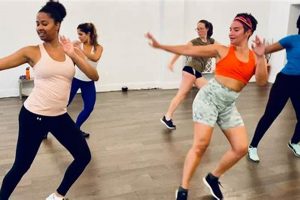
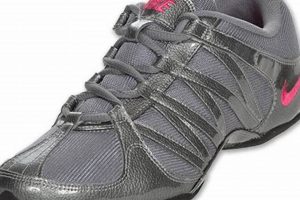
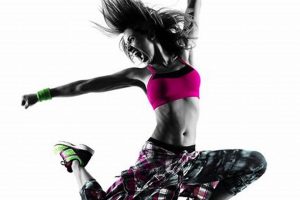
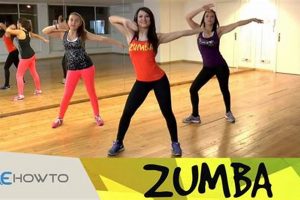
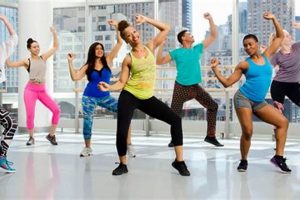
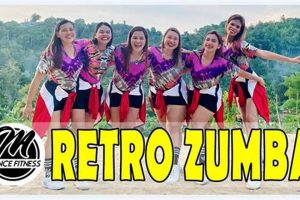
Attire specifically designed for Zumba fitness activities typically incorporates elements of flexibility, breathability, and comfort. Garments are often constructed from lightweight, moisture-wicking materials that facilitate unrestricted movement. Examples include athletic tops, supportive sports bras, leggings, and specialized footwear that provides cushioning and grip.
The selection of appropriate activewear enhances the Zumba experience by allowing participants to move freely and confidently. Suitable clothing contributes to performance and enjoyment. Historically, participants often repurposed generic athletic wear; however, the demand for apparel tailored to Zumba’s energetic movements led to the development of specialized product lines.
Subsequent sections will delve into specific types of apparel, including fabric technologies, design considerations, and the impact of attire on overall performance and participant satisfaction. Furthermore, the role of branding and trends in the activewear market will be examined.
The following guidelines offer insights into selecting garments appropriate for Zumba fitness routines, focusing on functionality and performance enhancement.
Tip 1: Prioritize Moisture-Wicking Fabrics: Materials such as polyester blends and nylon are effective in drawing sweat away from the body, promoting comfort during high-intensity activity. Avoid cotton, which retains moisture and can lead to discomfort.
Tip 2: Ensure Adequate Range of Motion: Garments should allow for a full range of motion in all directions. Test apparel by performing common Zumba movements such as arm swings and hip rotations before purchase.
Tip 3: Select Supportive Undergarments: A well-fitting sports bra is crucial for minimizing bounce and providing adequate support during high-impact movements. Consider compression-style options for enhanced support.
Tip 4: Consider Layering Options: Depending on the environment, layering can provide flexibility. A lightweight jacket or vest can be added or removed as needed to regulate body temperature.
Tip 5: Footwear Considerations: Shoes designed for Zumba often feature smooth soles that allow for easy pivoting and turning. Lateral support is also important to prevent ankle injuries.
Tip 6: Evaluate Garment Durability: Given the dynamic nature of Zumba, select apparel constructed from durable materials that can withstand frequent washing and intense movements. Reinforced seams and quality stitching are indicators of durability.
Adherence to these recommendations optimizes comfort, performance, and safety during Zumba sessions, ensuring participants can focus on the activity itself.
The subsequent sections will address specific design features and considerations for selecting apparel based on individual needs and preferences.
1. Flexibility

Flexibility in garment design and material composition is a paramount consideration when selecting attire for Zumba fitness activities. The dynamic nature of Zumba, involving a wide range of motion and rapid transitions, necessitates apparel that supports and facilitates unrestricted movement.
- Material Stretch Properties
The inherent stretch properties of fabrics directly influence the garment’s ability to accommodate the body’s movements. Materials such as spandex (elastane) and certain knitted fabrics provide significant stretch, allowing for a greater range of motion without restriction. The percentage of stretch fiber in a fabric blend correlates directly with its flexibility. For example, leggings with a high spandex content (e.g., 20% or more) will offer greater flexibility compared to those with a lower content.
- Garment Construction Techniques
The way a garment is constructed also impacts its flexibility. Seams that are strategically placed and reinforced with stretch stitching techniques (e.g., coverstitch or serging) allow for movement without causing stress or tearing. Gussets, or triangular pieces of fabric inserted in areas like the crotch or underarm, enhance flexibility by providing additional room and preventing binding. Athletic wear designers often employ articulated patterns, which mimic the natural curves and movements of the body, further improving flexibility.
- Design Accommodations for Movement
Design features such as wide waistbands, adjustable straps, and strategically placed ventilation panels can contribute to overall flexibility. A waistband that stays in place during movement prevents distractions and discomfort. Adjustable straps allow for a customized fit, ensuring the garment moves with the body. Ventilation panels made from breathable mesh materials can prevent overheating and allow for greater freedom of movement by reducing bulk and restriction.
- Impact on Performance and Injury Prevention
Wearing flexible apparel directly affects performance in Zumba. Unrestricted movement enables participants to execute dance steps more accurately and with greater fluidity. Furthermore, adequate flexibility in clothing can contribute to injury prevention by reducing strain on joints and muscles. Garments that restrict movement can increase the risk of muscle pulls, strains, and other musculoskeletal injuries. Therefore, selecting apparel with appropriate flexibility is crucial for maximizing performance and minimizing risk.
The integration of flexible materials, advanced construction techniques, and thoughtful design features in Zumba attire ensures that participants can move freely and comfortably, enhancing their overall experience and reducing the potential for injury. These considerations underscore the importance of prioritizing flexibility when selecting activewear for Zumba fitness activities.
2. Breathability
Breathability in apparel, especially activewear intended for high-intensity activities such as Zumba, is a critical factor influencing comfort, performance, and overall well-being. Garments lacking adequate breathability can impede thermoregulation, leading to discomfort and potentially impacting physical capabilities.
- Fabric Permeability and Airflow
Fabric permeability refers to the material’s ability to allow air to pass through it. Highly permeable fabrics facilitate the evaporation of perspiration, cooling the body during exercise. Knitted fabrics with open structures, as opposed to tightly woven materials, generally exhibit greater permeability. For instance, mesh panels strategically incorporated into leggings or tops enhance airflow to areas prone to sweating, such as the back and underarms. Inadequate airflow can trap moisture, leading to overheating and discomfort.
- Moisture-Wicking Properties and Evaporation Rate
While fabric permeability focuses on airflow, moisture-wicking properties relate to the fabric’s capacity to draw sweat away from the skin. Fabrics like polyester, nylon, and polypropylene are hydrophobic, meaning they repel water, which facilitates the movement of moisture to the outer surface of the garment. The evaporation rate, or the speed at which moisture evaporates from the fabric, is crucial for maintaining comfort. Faster evaporation rates prevent the garment from becoming saturated, reducing the risk of chafing and maintaining a cooler body temperature. For instance, a garment treated with a durable water repellent (DWR) finish enhances moisture wicking.
- Impact of Fiber Type on Thermal Regulation
The type of fiber used in the fabric significantly impacts thermal regulation. Natural fibers like cotton, while comfortable, retain moisture and have lower breathability compared to synthetic fibers. Synthetic fibers, designed with specific cross-sectional shapes and surface treatments, offer enhanced breathability and moisture management. For example, modified polyester fibers with micro-channels increase surface area, improving wicking and evaporation. Blends of natural and synthetic fibers aim to combine the comfort of natural fibers with the performance benefits of synthetic materials. A blend of merino wool and nylon, for example, provides breathability, temperature regulation, and odor resistance.
- Garment Design and Ventilation Strategies
Garment design plays a crucial role in optimizing breathability. Strategically placed ventilation panels, such as mesh inserts or laser-cut perforations, enhance airflow to key areas. Loose-fitting designs promote greater air circulation compared to tight-fitting garments. Features like open-back designs or racerback styles in tops also contribute to ventilation. The placement and size of ventilation features are critical; too few or poorly positioned vents may not provide adequate airflow, while excessive ventilation can compromise coverage or support.
The selection of breathable apparel for Zumba directly influences the participant’s comfort and performance. Fabrics with high permeability and efficient moisture-wicking properties, combined with strategic garment design, ensure effective thermoregulation, allowing participants to maintain optimal body temperature and performance levels. Consequently, the careful consideration of breathability is a key factor in selecting activewear suitable for Zumba activities.
3. Moisture-wicking

Moisture-wicking properties in apparel are of paramount importance for Zumba participants due to the high-intensity nature of the activity. The ability of fabric to efficiently manage perspiration directly impacts comfort, performance, and hygiene.
- Capillary Action and Fabric Construction
Moisture-wicking relies on capillary action, where the fabric’s structure facilitates the movement of liquid from the skin to the outer surface. Engineered synthetic fibers, such as polyester and nylon, often feature micro-channels that enhance this process. The tightness of the fabric’s weave also influences wicking efficiency; looser weaves generally promote better airflow and evaporation compared to tightly woven fabrics. For instance, a double-knit polyester fabric with a brushed back exhibits superior moisture-wicking compared to a plain weave cotton fabric.
- Evaporation Rate and Cooling Effect
The evaporation rate, or the speed at which moisture dissipates from the fabric surface, is crucial for maintaining a cooling effect during exercise. Faster evaporation rates prevent the garment from becoming saturated, reducing the risk of discomfort and chafing. Fabrics treated with hydrophilic finishes can enhance evaporation by increasing the surface area available for moisture release. Activewear utilizing quick-drying technology is designed to maximize this evaporation process.
- Fiber Properties and Hydrophobicity
Hydrophobic fibers, which repel water, are essential for effective moisture management. Synthetic fibers like polyester and polypropylene possess inherent hydrophobicity, allowing them to resist water absorption and facilitate moisture transfer. In contrast, hydrophilic fibers, such as cotton, absorb moisture, leading to saturation and reduced comfort. The use of hydrophobic fibers in activewear ensures that perspiration is transported away from the skin rather than being absorbed.
- Odor Control and Antimicrobial Treatments
The presence of moisture can contribute to the growth of odor-causing bacteria. Moisture-wicking fabrics, by minimizing moisture retention, indirectly aid in odor control. Many activewear garments incorporate antimicrobial treatments, such as silver ions or other biocides, to inhibit bacterial growth and reduce odor. The effectiveness of these treatments varies depending on the specific technology used and the frequency of washing. Apparel with inherent antimicrobial properties, like merino wool, also offers odor control benefits.
The integration of effective moisture-wicking technologies in Zumba attire ensures that participants remain comfortable and dry, optimizing performance and reducing the risk of skin irritation. The selection of appropriate fabrics and garment construction techniques that prioritize moisture management is thus a critical consideration for activewear designed for high-intensity activities such as Zumba.
4. Support

Adequate support in activewear is a critical factor, particularly for high-impact activities such as Zumba. Garments must provide the necessary structural integrity to minimize strain and maximize comfort, thereby enhancing performance and reducing the risk of injury.
- Breast Support in Active Tops and Sports Bras
Female participants require specialized breast support to mitigate movement during Zumba routines. Sports bras, engineered with varying levels of compression and encapsulation, are designed to minimize bounce and provide adequate support for different cup sizes. High-impact sports bras often incorporate features such as molded cups, underwires, and adjustable straps to ensure a secure and personalized fit. Inadequate breast support can lead to discomfort, pain, and potential long-term damage to Cooper’s ligaments. The selection of an appropriately sized and supportive sports bra is therefore paramount.
- Muscle Support and Compression Garments
Compression garments, such as leggings and compression shorts, provide support to muscles by applying external pressure. This compression enhances blood flow, reduces muscle fatigue, and minimizes muscle soreness following intense activity. Compression wear also helps to stabilize muscles and joints, decreasing the risk of strains and sprains. The level of compression should be appropriate for the individual’s needs; excessive compression can impede circulation, while insufficient compression may not provide adequate support. Compression garments are often recommended for individuals with pre-existing muscle or joint conditions.
- Core Support and Stability
Core stability is crucial for maintaining balance and proper form during Zumba routines, which involve a variety of dynamic movements. Activewear with built-in core support, such as high-waisted leggings or compression tanks, can enhance core engagement and stability. These garments provide gentle compression to the abdominal muscles, promoting proper posture and reducing the risk of lower back pain. Core support is particularly beneficial for individuals with weaker core muscles or those prone to back injuries.
- Foot and Ankle Support in Footwear
Appropriate footwear is essential for providing support to the feet and ankles during Zumba. Shoes designed for dance fitness activities typically feature cushioned midsoles for impact absorption and lateral support to prevent ankle rolling. Lightweight materials and flexible soles allow for a wide range of motion while maintaining stability. Inadequate foot and ankle support can increase the risk of sprains, strains, and other foot-related injuries. The selection of shoes that provide adequate cushioning, arch support, and lateral stability is crucial for Zumba participants.
The integration of adequate support features into garments significantly impacts participant comfort, safety, and performance in Zumba. The selection of activewear that provides appropriate breast, muscle, core, and foot support is therefore a critical consideration for maximizing the benefits of the activity while minimizing the risk of injury. Further research into ergonomic design and material technologies is continually refining the supportive capabilities of activewear, enhancing the overall experience for Zumba enthusiasts.
5. Durability
Durability represents a crucial attribute in activewear designed for Zumba, a fitness program characterized by dynamic movements and high-energy routines. Garments must withstand repetitive motions, frequent laundering, and exposure to perspiration, maintaining structural integrity and aesthetic appeal over extended periods.
- Fabric Strength and Abrasion Resistance
The inherent strength of the fabric, measured by metrics such as tensile strength and tear resistance, dictates the garment’s ability to withstand stress during rigorous activity. Abrasion resistance, the ability to resist surface wear from rubbing against other materials or surfaces, is equally important. Fabrics such as high-denier polyester and nylon blends, known for their robustness, are often selected for high-wear areas like knees and seats in bottoms. Poor fabric strength results in premature tearing or degradation, diminishing the garment’s lifespan and necessitating frequent replacement.
- Seam Integrity and Stitch Quality
Seams represent points of potential failure in apparel, particularly under the stress of repeated movement. Reinforced seams, utilizing techniques such as overlocking or flatlock stitching, enhance seam strength and prevent unraveling. Stitch density, the number of stitches per inch, also influences seam integrity. Higher stitch density generally correlates with greater durability. Substandard stitching or poorly constructed seams compromise the garment’s ability to withstand dynamic movement, leading to seam breakage and reduced usability.
- Colorfastness and Resistance to Fading
Maintaining color vibrancy is an essential aspect of garment durability. Colorfastness refers to the fabric’s ability to retain its original color upon exposure to sunlight, washing, and perspiration. Dyes with poor colorfastness fade or bleed, diminishing the garment’s aesthetic appeal. Fabrics treated with UV-resistant finishes enhance colorfastness, extending the garment’s visual lifespan. The use of high-quality dyes and appropriate dyeing processes is essential for ensuring long-lasting color retention.
- Shape Retention and Resistance to Stretching
Activewear garments must maintain their original shape after repeated use and washing. Fabrics with good shape retention properties resist stretching, sagging, and deformation. Elastomeric fibers, such as spandex, contribute to shape retention by providing stretch and recovery. Garments with poor shape retention lose their fit and support over time, compromising both performance and aesthetics. The incorporation of appropriate stretch fibers and careful consideration of fabric construction are crucial for maintaining garment shape and fit.
The longevity and sustained performance of apparel intended for Zumba hinge on its durability. By prioritizing fabrics with high strength and abrasion resistance, utilizing robust seam construction, ensuring colorfastness, and maintaining shape retention, manufacturers can create activewear that withstands the demands of regular Zumba participation, delivering value and satisfaction to the consumer.
6. Range of Motion
Range of motion constitutes a foundational element in the selection and design of attire suitable for Zumba fitness activities. Zumba’s choreography incorporates diverse movements, encompassing broad arm extensions, deep squats, lateral lunges, and torso twists. Restrictive garments impede these movements, thereby diminishing the effectiveness of the workout and potentially increasing the risk of musculoskeletal strain. Therefore, apparel must facilitate, rather than hinder, the body’s natural range of motion to enable full participation and maximize the benefits of the exercise. An example of restricted range of motion can occur when wearing tight, non-stretch denim, making Zumba movements difficult to execute correctly and safely.
Fabrics with inherent elasticity, such as spandex blends, and garment construction techniques that incorporate gussets or strategically placed seams directly contribute to enhanced range of motion. Design considerations, including articulated patterns that mirror the body’s anatomical structure, further optimize mobility. Consider the difference between wearing a restrictive, non-stretch woven shirt versus a flexible, four-way stretch knit top; the latter demonstrably supports a greater range of motion. Furthermore, the appropriate fit is crucial. Overly loose garments can interfere with movement, while excessively tight apparel restricts it. Thus, the design and selection process must prioritize a balance between fit and freedom.
In summary, optimizing range of motion represents a primary objective in the design and selection of apparel for Zumba. The integration of flexible materials, thoughtful construction techniques, and appropriate fit yields garments that support and enhance the body’s natural movement capabilities. This, in turn, maximizes workout effectiveness, minimizes the risk of injury, and contributes to an overall positive Zumba experience. Challenges remain in balancing flexibility with support and durability, requiring ongoing innovation in material science and garment design.
7. Footwear
Footwear plays a pivotal role within the broader context of Zumba dance wear, impacting both performance and safety. Selecting appropriate footwear is not merely a matter of aesthetics; it directly influences a participant’s ability to execute movements correctly and minimizes the risk of injury.
- Cushioning and Impact Absorption
Footwear designed for Zumba must provide adequate cushioning to absorb the impact forces generated during dance routines. Repetitive jumping and pivoting place considerable stress on joints. Shoes with well-cushioned midsoles, often constructed from EVA foam or gel inserts, mitigate this impact. Insufficient cushioning can lead to foot, ankle, and knee pain, increasing the likelihood of overuse injuries. A comparison reveals running shoes, designed for linear motion, often lack the necessary lateral support and cushioning for the multi-directional demands of Zumba, whereas cross-training shoes or dance sneakers are better equipped.
- Lateral Support and Stability
Zumba involves frequent lateral movements and changes in direction. Footwear must offer sufficient lateral support to prevent ankle rolling and maintain stability. Features such as reinforced sidewalls and supportive outsoles are crucial. Shoes lacking lateral support increase the risk of ankle sprains and other lower extremity injuries. Unlike walking shoes prioritizing forward propulsion, Zumba footwear emphasizes stability during side-to-side motion.
- Sole Design and Traction
The outsole design directly impacts traction and the ability to execute dance steps effectively. A smooth sole with a pivot point allows for easy turning and gliding, essential for many Zumba movements. Conversely, an overly aggressive tread pattern can impede movement and increase the risk of knee injuries due to excessive grip. Split-sole designs, common in dance sneakers, offer flexibility while maintaining traction in critical areas. Ballroom dance shoes exemplify specialized footwear prioritizing smooth gliding over high-impact absorption, unsuitable for Zumbas more athletic demands.
- Weight and Flexibility
Lightweight and flexible footwear enhances agility and reduces fatigue during prolonged Zumba sessions. Heavy, stiff shoes can restrict movement and increase energy expenditure. The shoe’s upper material should also be breathable to promote ventilation and prevent overheating. Balance is essential; excessively flexible shoes may compromise support. Minimalist running shoes, while lightweight, often lack the structure and cushioning required for Zumba’s high-impact routines.
The characteristics outlined collectively underscore the interdependent relationship between footwear and Zumba performance. Selecting footwear specifically engineered to address the demands of Zumba choreography contributes to both enhanced execution of movements and a reduced risk of injury, solidifying its place as a fundamental component of appropriate dance wear. Specialized dance sneakers effectively accommodate both high-impact and lateral movements with pivot points that reduces joint stress.
Frequently Asked Questions About Zumba Dance Wear
The following section addresses common inquiries regarding appropriate attire for Zumba fitness activities, providing detailed information to assist participants in making informed choices.
Question 1: What constitutes appropriate apparel for a Zumba class?
Appropriate apparel typically includes moisture-wicking tops and bottoms that allow for a full range of motion. Breathable fabrics are recommended to enhance comfort during high-intensity activity. Supportive undergarments, particularly sports bras, are essential for minimizing discomfort and potential injury.
Question 2: Are there specific footwear requirements for Zumba?
Footwear should offer cushioning and lateral support. Dance sneakers or cross-training shoes with smooth soles are generally recommended. Avoid running shoes with aggressive tread patterns, as these can impede pivoting and increase the risk of knee injuries.
Question 3: How does the choice of fabric impact Zumba performance?
Fabrics that wick moisture away from the skin, such as polyester blends, help regulate body temperature and prevent discomfort. Avoid cotton, as it retains moisture and can become heavy and restrictive. The fabric’s stretch and breathability also influence movement and overall comfort.
Question 4: Can regular athletic wear be substituted for specialized Zumba apparel?
While some athletic wear may be suitable, specialized apparel is designed with Zumba’s specific movements in mind. Features like enhanced flexibility, breathability, and support cater to the dynamic nature of the activity. Generic athletic wear may not offer the same level of comfort or performance.
Question 5: How should Zumba apparel be cared for to ensure longevity?
Follow the manufacturer’s care instructions. Generally, washing garments in cold water and avoiding harsh detergents or fabric softeners will prolong their lifespan. Air drying is preferred to prevent shrinkage and damage to elastic fibers.
Question 6: Does attire influence a participant’s confidence in a Zumba class?
Apparel that fits well, feels comfortable, and allows for unrestricted movement can contribute to a participant’s confidence and overall enjoyment of the class. Feeling comfortable and supported in one’s attire can enhance participation and self-assurance.
In summary, selecting appropriate apparel for Zumba involves careful consideration of fabric, fit, support, and footwear. Prioritizing these factors will enhance comfort, performance, and safety.
The subsequent section will explore the impact of branding and trends on the activewear market and their relevance to Zumba participants.
In Summary
Throughout this exploration, several critical factors have been identified as central to the selection of appropriate attire for Zumba. These include fabric properties such as moisture-wicking capabilities and breathability, garment construction techniques that prioritize flexibility and support, and footwear considerations to ensure both stability and cushioning. Each element contributes to a participant’s comfort, performance, and safety during this high-intensity activity.
The decision to invest in specialized Zumba dance wear should be viewed as a strategic investment in one’s fitness experience. Proper attire not only enhances physical performance but also minimizes the risk of injury, thereby facilitating consistent participation and maximizing the long-term benefits of Zumba. Further research and technological advancements in fabric and garment design will likely continue to refine the options available, underscoring the importance of remaining informed and discerning when selecting suitable apparel. Therefore, the participant should make informed choices by considering these fundamental considerations to reap the full benefits of their chosen fitness regimen.