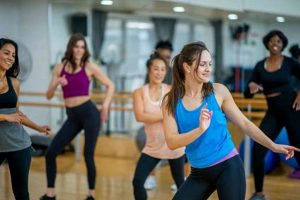
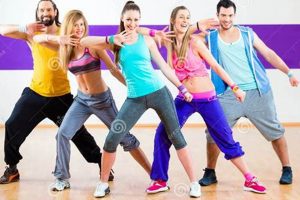
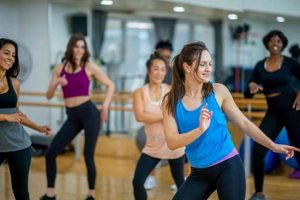
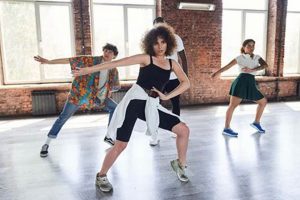
This energetic fusion combines the vibrant rhythms and movements of Brazil with the fitness elements of Zumba. It incorporates traditional Brazilian dance styles like Samba, Axe, and Funk Carioca into a structured workout format. This creates a high-energy, calorie-burning experience focused on cardiovascular fitness and muscular endurance. For example, a typical session might involve Samba-inspired steps for a leg workout followed by Axe-influenced arm movements.
The integration of diverse cultural dance forms promotes physical well-being and also exposes participants to a broader understanding of Brazilian culture. The high-intensity nature contributes to weight management, improved coordination, and enhanced mood. Historically, Zumba has drawn inspiration from various Latin American dance styles. This specific variation builds upon that foundation, providing a more focused immersion into the diverse dance heritage of a particular nation.
With this fundamental understanding of the core elements, the subsequent sections will delve into the specific benefits related to cardiovascular health, the unique dance styles incorporated, and the effective methods for learning and teaching this exciting fitness activity.
Effective Approaches
The following recommendations are designed to optimize participation and maximize the benefits derived from this particular fitness activity. Consistency and proper technique are crucial for achieving desired results and preventing potential injuries.
Tip 1: Warm-Up Thoroughly: Prior to engaging in any high-intensity dance fitness program, a comprehensive warm-up is essential. This should include dynamic stretching exercises targeting major muscle groups. For example, arm circles, leg swings, and torso twists prepare the body for the demands of the session.
Tip 2: Master Basic Steps: Familiarization with fundamental Brazilian dance steps, such as the Samba bounce and Axe hip movements, will enhance coordination and confidence. Starting with introductory classes or online tutorials can provide a solid foundation.
Tip 3: Maintain Proper Posture: Correct posture is critical for preventing strain and maximizing core engagement. Focus on maintaining an upright spine, engaged abdominal muscles, and relaxed shoulders throughout the routines.
Tip 4: Hydrate Regularly: Adequate hydration is vital, particularly during intense physical activity. Consume water before, during, and after each session to replenish fluids lost through perspiration.
Tip 5: Listen to the Body: Pay attention to physical signals and avoid pushing beyond individual limits. Modify movements as needed to accommodate any limitations or discomfort. Rest and recovery are essential components of any fitness regimen.
Tip 6: Utilize Appropriate Footwear: Selecting supportive athletic shoes with good shock absorption is crucial for protecting the joints and preventing injuries. Shoes with a good grip are also beneficial for maintaining stability during dynamic movements.
Tip 7: Prioritize Cool-Down: End each session with a cool-down period that includes static stretching exercises. Holding each stretch for 20-30 seconds promotes flexibility and reduces muscle soreness.
Following these guidelines helps ensure a safe and enjoyable experience. Adherence to these recommendations facilitates the attainment of improved physical fitness, enhanced coordination, and a deeper appreciation for the cultural elements integrated into this fitness activity.
The subsequent sections will address specific workout routines, nutritional considerations, and strategies for maintaining long-term engagement in this energizing fitness practice.
1. Rhythmic Integration

Rhythmic integration forms the cornerstone of Brazilian Zumba dance, serving as the mechanism through which fitness and cultural expression converge. It is the deliberate synchronization of traditional Brazilian musicality with Zumba’s structured workout format, creating a holistic, engaging exercise experience.
- Musical Synesthesia
Musical Synesthesia, in this context, refers to the seamless blending of Brazilian musical genres like Samba, Axe, and Funk Carioca with Zumba’s established rhythmic structures. This incorporation involves dissecting the underlying rhythms of these genres and re-contextualizing them within fitness-oriented choreography. For instance, the polyrhythmic structures of Samba are adapted to maintain a consistent tempo suitable for cardiovascular exercise, while retaining the authentic feel of the original music.
- Choreographic Adaptation
The process of Choreographic Adaptation involves designing movement sequences that accurately reflect the spirit and energy of Brazilian dance styles while simultaneously providing an effective workout. This requires a deep understanding of both the specific dance styles and the principles of exercise science. The steps need to be modified to ensure they are accessible to participants of varying fitness levels without sacrificing the authenticity of the movement. For example, complex footwork from Forro might be simplified while preserving the characteristic swaying motion.
- Emotional Expression
Beyond the technical aspects, Rhythmic Integration fosters Emotional Expression by encouraging participants to internalize and embody the emotions inherent in Brazilian music and dance. The passionate and expressive nature of these forms allows for a deeper connection to the music and a more immersive workout experience. Participants are not merely performing steps; they are conveying a sense of joy, energy, and cultural pride through their movements.
- Intensity Modulation
Effective Rhythmic Integration also necessitates careful Intensity Modulation. Different Brazilian musical styles possess varying tempos and energy levels. Strategic selection and arrangement of these styles throughout a class enables instructors to control the intensity of the workout. A session might begin with a slower, more sensual Samba rhythm for warm-up, transition to high-energy Axe for peak cardiovascular activity, and conclude with a gentler Bossa Nova rhythm for cool-down, ensuring a balanced and effective exercise experience.
In essence, the effectiveness of Brazilian Zumba dance hinges on the successful execution of rhythmic integration. By seamlessly weaving together Brazilian musical traditions, choreographic adaptations, emotional expression, and intensity modulation, it offers a uniquely engaging and physically beneficial experience, fostering both fitness and cultural appreciation.
2. Cultural Immersion

Cultural immersion, in the context of Brazilian Zumba dance, represents a deliberate effort to integrate authentic elements of Brazilian culture into the fitness experience. This goes beyond merely using Brazilian music; it involves understanding and incorporating traditional dance steps, historical context, and cultural nuances. The inclusion of these elements serves to enrich the physical activity, transforming it into a multi-faceted experience that engages both the body and the mind. The effect is a heightened sense of connection to the culture and a more profound appreciation for the artistry involved. For example, a well-designed class might incorporate Capoeira-inspired movements, not just as exercises, but with a brief explanation of its historical significance as a form of resistance during the colonial period.
The importance of cultural immersion within Brazilian Zumba dance lies in its ability to provide a more complete and meaningful experience. Without this element, the activity risks becoming a generic workout set to Brazilian music, devoid of the depth and authenticity that distinguishes it. Real-life examples of successful cultural immersion include instructors who collaborate with Brazilian dancers or musicians to ensure the accuracy and authenticity of their choreography and music selection. Furthermore, the integration of Portuguese phrases related to the dance steps or cultural context can deepen participant engagement. Educational components, such as brief explanations of the origins and meanings of particular dance styles, enhance the overall value of the experience.
In summation, cultural immersion is not merely an ancillary aspect of Brazilian Zumba dance, but a fundamental component that significantly elevates its impact and appeal. Challenges in achieving genuine cultural immersion often stem from a lack of knowledge or resources, emphasizing the need for instructors to prioritize ongoing education and collaboration with cultural experts. This commitment ensures that the activity remains both a fitness endeavor and a celebration of Brazilian culture, offering participants a well-rounded and enriching experience that extends beyond the physical realm.
3. Calorie Expenditure

Brazilian Zumba dance exhibits a significant correlation with calorie expenditure, primarily due to the high-intensity nature of the activity. The combination of continuous movement, varied dance styles, and rhythmic engagement elevates the metabolic rate, resulting in substantial energy consumption. Real-world examples demonstrate individuals expending between 500 to 800 calories in a single, hour-long session, contingent on factors such as individual weight, fitness level, and intensity of participation. This energy expenditure is a direct consequence of the sustained physical exertion required to execute the dance steps and maintain the pace of the routines. The vigorous movements inherent in Samba, Axe, and Funk Carioca styles further contribute to an increased demand for energy, thus enhancing the overall calorie burn.
The practical significance of this understanding lies in its implications for weight management and cardiovascular health. Regular participation in Brazilian Zumba dance can contribute to a caloric deficit, a fundamental principle for weight loss. Additionally, the sustained elevated heart rate associated with the activity improves cardiovascular function and enhances overall metabolic efficiency. Individuals seeking to manage their weight or improve their cardiovascular health may find this fitness activity a particularly effective and enjoyable method. The dynamic nature of the dance also promotes muscle engagement, contributing to increased lean body mass, which further enhances baseline metabolic rate. Incorporating this understanding into fitness regimens can facilitate informed decision-making regarding exercise selection and intensity.
In summary, the link between Brazilian Zumba dance and calorie expenditure is demonstrably strong, stemming from the inherent demands of the activity. The high-intensity movements and rhythmic engagement promote significant energy consumption, offering potential benefits for weight management and cardiovascular health. While individual results may vary, the practical implications of this understanding underscore the value of this fitness activity as a component of a comprehensive health and wellness strategy.
4. Cardiovascular Enhancement
Cardiovascular enhancement, a critical aspect of overall health, is directly influenced by engagement in rhythmic, aerobic activities. Brazilian Zumba dance, with its blend of high-energy movements and continuous motion, presents a potent mechanism for improving cardiovascular function. The repetitive nature of the steps, coupled with the dynamic engagement of major muscle groups, creates a sustained elevation in heart rate, a key indicator of cardiovascular exertion and adaptation.
- Elevated Heart Rate Zones
Brazilian Zumba dance consistently elevates participants into target heart rate zones conducive to cardiovascular improvement. The incorporation of Samba, Axe, and other Brazilian dance styles inherently demands sustained aerobic effort, pushing individuals into ranges that promote enhanced oxygen utilization and improved cardiac output. This sustained elevation contrasts with intermittent activities, offering a prolonged stimulus for cardiovascular adaptation.
- Increased Oxygen Uptake (VO2 Max)
Regular participation in Brazilian Zumba dance contributes to an increase in VO2 max, a measure of the body’s ability to utilize oxygen during intense exercise. The demanding choreography forces the body to become more efficient at extracting and delivering oxygen to working muscles, leading to improved endurance and overall cardiovascular fitness. This adaptation is particularly relevant for individuals seeking to enhance their athletic performance or improve their capacity for daily physical activities.
- Improved Vascular Function
The rhythmic contractions and relaxations of muscles during Brazilian Zumba dance promote improved vascular function. The increased blood flow stimulates the production of nitric oxide, a vasodilator that helps relax and widen blood vessels, leading to reduced blood pressure and improved circulation. This enhanced vascular function contributes to a lower risk of cardiovascular diseases, such as hypertension and atherosclerosis. Real-world observations demonstrate improved blood pressure readings in individuals who consistently participate in this activity.
- Enhanced Cardiac Efficiency
Sustained engagement in Brazilian Zumba dance fosters enhanced cardiac efficiency, wherein the heart becomes more effective at pumping blood with each beat. This adaptation results in a lower resting heart rate, indicating improved cardiac strength and reduced strain on the cardiovascular system. The heart’s ability to deliver more blood with less effort contributes to increased endurance and a reduced risk of cardiovascular events.
The various components described above collectively underscore the capacity of Brazilian Zumba dance to elicit meaningful cardiovascular enhancements. The activity’s ability to elevate heart rate, improve oxygen uptake, promote vascular function, and enhance cardiac efficiency positions it as a valuable tool for promoting cardiovascular health. Furthermore, the enjoyment derived from the dance element enhances adherence, a critical factor in achieving long-term cardiovascular benefits. The integration of this activity into a comprehensive fitness regimen can significantly contribute to improved cardiovascular well-being.
5. Muscular Endurance

Brazilian Zumba dance cultivates muscular endurance through its sustained, repetitive movements that engage multiple muscle groups simultaneously. The constant execution of dance steps, which may include squats, lunges, and core stabilization exercises, necessitates the prolonged ability of muscles to exert force without fatigue. This continuous muscle engagement, particularly in the legs, core, and arms, progressively builds the capacity to withstand prolonged activity. Real-life examples of this effect manifest in participants experiencing increased stamina during classes and a reduced incidence of muscle soreness following sessions. The importance of muscular endurance within this context lies in its contribution to overall fitness levels and the ability to participate in the activity for extended durations, thereby maximizing its benefits. Without sufficient muscular endurance, individuals may experience premature fatigue, limiting the effectiveness of the workout and increasing the risk of injury. For instance, maintaining proper form during Samba steps requires sustained activation of core muscles to stabilize the spine, and fatigue in these muscles can compromise posture, potentially leading to lower back strain.
The practical significance of understanding the development of muscular endurance through Brazilian Zumba dance extends beyond the dance floor. The improved stamina translates to enhanced performance in other physical activities, from everyday tasks like climbing stairs to more demanding exercises like running or swimming. Furthermore, the enhanced muscular endurance contributes to improved posture and body mechanics, reducing the risk of musculoskeletal injuries in various activities. Specific examples include the strengthening of calf muscles through repeated footwork, which improves ankle stability and reduces the likelihood of sprains, and the reinforcement of shoulder muscles through arm movements, which enhances upper body strength and reduces the risk of shoulder injuries. The development of muscular endurance also supports improved body composition by increasing lean muscle mass, which boosts metabolism and contributes to long-term weight management.
In summary, muscular endurance is an integral component of Brazilian Zumba dance, fostered by the sustained, repetitive nature of the activity. This developed endurance not only enhances performance within the dance itself but also translates to tangible benefits in other physical pursuits, contributing to improved overall fitness, reduced injury risk, and enhanced body composition. Challenges in achieving optimal muscular endurance in this context often involve improper form or neglecting to progressively increase training intensity. These challenges underscore the importance of seeking guidance from qualified instructors and gradually progressing through the routines to maximize the benefits and minimize the risk of injury.
6. Coordination Improvement

Coordination improvement is intrinsically linked to Brazilian Zumba dance due to the diverse and complex movement patterns involved. The incorporation of styles such as Samba, Axe, and Funk Carioca necessitates precise execution of steps and transitions, demanding a high degree of neuromuscular control. The sequential learning and repetition of these movements promote enhanced communication between the brain and muscles, resulting in improved coordination. A practical example can be observed in the initial difficulty participants experience when attempting to coordinate footwork with arm movements, which gradually diminishes with practice as their motor skills improve. The importance of coordination within Brazilian Zumba dance extends beyond physical execution; it facilitates a greater sense of embodiment and self-expression through movement.
The practical implications of improved coordination are far-reaching. Enhanced coordination not only makes the dance experience more fluid and enjoyable but also transfers to other areas of life. For instance, individuals who improve their coordination through dance may find it easier to learn new physical skills, react quickly in sports, or maintain balance in daily activities. Specific movements like the “Samba bounce” require precise timing and rhythm, which contribute to refined motor skills and spatial awareness. Furthermore, the mental focus required to learn and execute dance steps promotes cognitive function and improves memory retention. This interplay between physical and cognitive elements makes coordination improvement a valuable outcome of participating in Brazilian Zumba dance.
In summary, coordination improvement is a fundamental benefit derived from engaging in Brazilian Zumba dance. The activity’s demanding movement patterns stimulate neuromuscular pathways, resulting in enhanced motor skills and cognitive function. While individual progress may vary depending on factors such as prior experience and dedication, the inherent structure of the dance promotes noticeable improvements in coordination. A challenge lies in maintaining proper technique and consistent practice to maximize these benefits. Addressing this challenge requires patience, self-awareness, and potentially seeking guidance from experienced instructors. The connection between coordination and Brazilian Zumba dance is demonstrably strong, solidifying its position as a multifaceted activity that benefits both physical and cognitive well-being.
Frequently Asked Questions
The following addresses common inquiries regarding the nature, benefits, and participation requirements associated with Brazilian Zumba dance.
Question 1: Is prior dance experience necessary to participate effectively?
Prior dance experience is not a prerequisite for participation. While familiarity with basic dance steps may provide an initial advantage, the routines are designed to be accessible to individuals of varying fitness levels and dance backgrounds. Instructors typically provide modifications and variations to accommodate different skill levels.
Question 2: What distinguishes it from standard Zumba classes?
Brazilian Zumba dance specifically incorporates dance styles and rhythms from Brazil, such as Samba, Axe, and Funk Carioca. Standard Zumba classes encompass a broader range of Latin and international rhythms. The focus on Brazilian styles provides a more concentrated cultural and movement experience.
Question 3: What are the primary physical benefits derived from participation?
The primary physical benefits include cardiovascular enhancement, increased calorie expenditure, improved muscular endurance, and enhanced coordination. The high-intensity nature of the activity elevates heart rate and promotes caloric burn, while the repetitive movements build muscular endurance. The complex choreography improves coordination and motor skills.
Question 4: Is it suitable for all age groups and fitness levels?
The activity is generally suitable for a wide range of age groups and fitness levels. However, individuals with pre-existing health conditions, such as cardiovascular issues or musculoskeletal injuries, should consult with a healthcare professional prior to participation. Modifications can be implemented to accommodate different fitness levels and physical limitations.
Question 5: What type of attire and footwear are recommended for participation?
Comfortable, breathable athletic attire is recommended. Supportive athletic shoes with good shock absorption are essential to protect the joints and prevent injuries. Avoid footwear that restricts movement or lacks adequate support.
Question 6: How frequently should sessions be attended to achieve noticeable results?
Attending sessions 2-3 times per week is generally sufficient to achieve noticeable results in terms of cardiovascular fitness, muscular endurance, and coordination. Consistency is crucial for maximizing the benefits. Incorporating other forms of exercise and maintaining a balanced diet will further enhance results.
These FAQs serve as a foundational understanding of the key aspects. Further exploration into specific routines, nutritional considerations, and advanced techniques will follow.
The subsequent sections will address specific workout routines, nutritional considerations, and strategies for maintaining long-term engagement in this energizing fitness practice.
Conclusion
This exploration has illuminated the multifaceted nature of brazilian zumba dance. From its rhythmic integration and cultural immersion to its contributions to calorie expenditure, cardiovascular enhancement, muscular endurance, and coordination improvement, this activity presents a comprehensive approach to physical fitness. The careful combination of Brazilian dance styles with established Zumba principles fosters an engaging and effective workout experience.
Understanding the core elements and benefits of brazilian zumba dance provides a foundation for informed participation. This activity offers a viable option for those seeking to enhance their physical well-being and engage with a vibrant cultural tradition. Further investigation into advanced techniques and individualized training regimens can maximize its potential benefits.