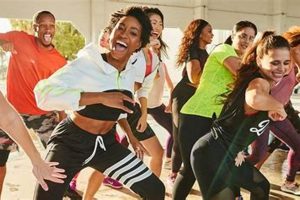
Achieving official recognition to lead Zumba classes involves a structured training program and successful completion of a certification process. This process ensures instructors possess the fundamental knowledge, skills, and techniques necessary to safely and effectively guide participants through Zumba routines. For example, the standard pathway includes completing a Zumba Basic 1 training followed by obtaining the required license.
The value of official accreditation lies in several areas. Certified individuals gain credibility within the fitness community and among potential clients. It provides access to official Zumba instructor resources, marketing support, and ongoing educational opportunities. Furthermore, accredited instructors contribute to maintaining the quality and consistency of Zumba instruction globally, preserving the brand’s integrity and ensuring a positive experience for participants. Its development reflects the need for standardized training within the rapidly growing dance fitness industry.
The following sections detail the steps involved in achieving this accreditation, covering the necessary training courses, licensing requirements, and ongoing professional development options to maintain active certification. It also includes information about cost considerations and what to expect during the training itself.
Essential Guidance for Aspiring Zumba Instructors
The pursuit of official Zumba instructor status requires careful planning and diligent effort. Adherence to the following guidelines can optimize the certification journey.
Tip 1: Thoroughly Research Training Options: Examine the various training levels and specialized certifications offered by Zumba. Assess personal fitness background and teaching experience to determine the most appropriate starting point.
Tip 2: Budget Strategically: The cost of training, licensing fees, and continuing education can be significant. Establish a realistic budget and explore potential financing options or payment plans.
Tip 3: Prepare Physically: Zumba instruction demands considerable physical stamina. Engage in regular cardio workouts, strength training, and flexibility exercises to meet the demands of the training program.
Tip 4: Engage Actively in Training: Fully participate in all training sessions, ask clarifying questions, and practice the choreography diligently. Actively seek feedback from the Zumba Education Specialist (ZES).
Tip 5: Understand Licensing Requirements: Familiarize oneself with the terms and conditions of the Zumba Instructor Network (ZIN) membership and the ongoing requirements for maintaining an active license.
Tip 6: Network with Other Instructors: Connect with established Zumba instructors to gain insights, mentorship, and potential collaboration opportunities. Attend local Zumba events and workshops to expand professional network.
Tip 7: Practice Teaching Regularly: After completing the initial training, practice teaching regularly to refine instruction skills, build confidence, and develop a unique teaching style. Consider teaching free classes to gain experience.
By incorporating these actionable strategies into the preparation and execution of the accreditation process, individuals enhance their prospects for achieving success as a licensed Zumba instructor.
The subsequent section will address common questions and concerns regarding the certification process.
1. Training Course Completion

Training course completion is a foundational step in the accreditation process, providing aspiring Zumba instructors with the core skills and knowledge required to lead classes effectively and safely. It establishes a baseline of competence in Zumba choreography, music integration, and class management.
- Zumba Basic 1 Training
This introductory course covers the fundamental Zumba steps, rhythms, and teaching techniques. Participants learn the basic formula for constructing a Zumba class and how to adapt choreography for different fitness levels. For instance, instructors learn to break down complex steps into simpler movements for beginners. Successful completion of this course is a prerequisite for further specialized training.
- Specialty Certifications
Following Basic 1, instructors can pursue specialized certifications such as Zumba Kids, Zumba Gold (for active older adults), Zumba Toning (using light weights), and Aqua Zumba. Each specialty certification builds upon the foundational knowledge and adapts it to specific populations or fitness modalities. An example is Zumba Kids, which incorporates games and simplified choreography to engage children.
- Role of Zumba Education Specialist (ZES)
Training courses are typically led by ZES, experienced Zumba instructors certified to train new instructors. The ZES provides guidance, feedback, and mentorship throughout the training process. ZES also conducts practical assessments to ensure participants demonstrate competency in teaching Zumba techniques. The ZES plays a crucial role in upholding the quality and standards of Zumba instruction.
- Practical Assessment and Certification
Completion of the training course often involves a practical assessment where participants demonstrate their ability to lead a short Zumba routine. Successful assessment results in the issuance of a certificate of completion, signifying that the individual has met the basic requirements for Zumba instruction. This certificate, while necessary, is not sufficient for official licensing; ZIN membership is also required.
Successfully completing relevant training courses equips individuals with the foundational skills and knowledge necessary for effective Zumba instruction. This investment in training is a crucial determinant of subsequent success within Zumba classes.
2. Licensing Acquisition

Official Zumba instruction necessitates not only training completion but also the acquisition of a valid license. This licensing process grants instructors the right to legally teach Zumba classes under the Zumba Fitness, LLC brand and access associated resources.
- Zumba Instructor Network (ZIN) Membership
ZIN membership is the primary means of obtaining a Zumba license. Upon completion of Zumba Basic 1 training (and subsequent specialty trainings), individuals become eligible to join ZIN by paying a monthly fee. This membership grants permission to use Zumba trademarks and logos, access to choreography and music updates, and inclusion in the official Zumba instructor directory. For example, an instructor cannot legally advertise or promote their classes as “Zumba” classes without an active ZIN membership.
- Monthly Membership Fees
Maintaining an active Zumba license requires consistent payment of monthly ZIN membership fees. The fee structure varies depending on the region and any promotional offers. Failure to maintain payments results in suspension of ZIN membership, which effectively revokes the right to teach Zumba classes. Instructors must factor these ongoing costs into their business planning and pricing strategies.
- Rights and Responsibilities of Licensed Instructors
Licensed Zumba instructors have specific rights and responsibilities outlined in the ZIN membership agreement. They have the right to utilize Zumba branding and resources to market their classes, provided they adhere to Zumba’s brand guidelines. They also have the responsibility to teach the choreography as intended, maintain a professional demeanor, and comply with all applicable laws and regulations. For instance, instructors must ensure they have appropriate music licensing for the venues where they teach.
- Insurance Requirements
While ZIN membership provides access to resources, it does not typically include liability insurance. Licensed Zumba instructors are generally responsible for obtaining their own liability insurance to protect themselves against potential claims of injury or negligence. Insurance coverage is essential for mitigating financial risk and ensuring the safety of participants. Instructors can often obtain coverage through fitness professional insurance providers.
The acquisition and maintenance of a Zumba license via ZIN membership represents a critical step toward becoming a fully accredited Zumba instructor. Licensing grants legal authorization to teach, provides access to essential resources, and establishes a framework of rights and responsibilities that guide professional conduct and safeguard participants. Failure to comply with licensing requirements can result in legal repercussions and damage to professional reputation.
3. Ongoing Education

Maintaining official certification as a Zumba instructor necessitates engagement in ongoing education. The Zumba program is dynamic, evolving with new choreography, music, and fitness trends. Continued learning ensures instructors remain current, effective, and capable of providing high-quality instruction. Failure to pursue ongoing education can lead to stagnation and a decline in instructional competence.
- Zumba Instructor Conventions
Zumba hosts annual instructor conventions that provide opportunities for professional development, networking, and exposure to new routines and techniques. These conventions feature workshops, master classes, and presentations led by experienced Zumba Education Specialists (ZES). Attending these events allows instructors to expand their knowledge, refine their skills, and stay connected to the Zumba community. For example, an instructor might learn new choreography variations or gain insights into adapting routines for diverse populations. Participation in conventions often contributes towards continuing education credits required to maintain certification.
- Specialized Workshops and Master Classes
Beyond the annual conventions, Zumba offers specialized workshops and master classes throughout the year. These sessions focus on specific aspects of Zumba instruction, such as cueing techniques, musicality, or adapting choreography for different fitness levels. Instructors can choose workshops that align with their interests and areas for improvement. An instructor might attend a workshop on teaching Zumba to seniors or a master class on incorporating Latin dance styles into Zumba routines. Completion of these workshops may also contribute to continuing education requirements.
- ZIN (Zumba Instructor Network) Resources
The Zumba Instructor Network (ZIN) provides members with access to a wealth of online resources, including choreography videos, music playlists, and marketing materials. ZIN members receive monthly updates on new routines and techniques, allowing them to stay current with the latest Zumba trends. Additionally, the ZIN website features forums and online communities where instructors can share ideas, ask questions, and connect with other professionals. Regular utilization of ZIN resources is a cost-effective method of pursuing ongoing education and professional development.
- Continuing Education Units (CEUs) and Certification Renewal
Many Zumba certifications require instructors to accumulate a certain number of Continuing Education Units (CEUs) within a specified timeframe to maintain their active status. CEUs can be earned through participation in Zumba conventions, specialized workshops, online courses, and other approved activities. The specific requirements for CEU accumulation vary depending on the certification level and Zumba program. Instructors must carefully track their CEU credits and submit documentation to Zumba Fitness, LLC to renew their certifications. Failure to meet CEU requirements can result in the expiration of certifications and the loss of official Zumba instructor status.
The integration of ongoing education into a Zumba instructor’s professional trajectory is indispensable for sustained success and adherence to Zumba’s standards of excellence. It guarantees that instructors not only acquire initial certification but also continuously refine their skills and knowledge, ensuring they deliver optimal and engaging fitness experiences to their participants. Embracing a commitment to lifelong learning is paramount for those seeking to maintain official certification and thrive as Zumba instructors.
4. Insurance Coverage

The pursuit of accreditation to lead Zumba classes often overlooks a critical component: adequate insurance coverage. While certification validates an instructor’s competency in Zumba techniques, it offers no protection against potential liabilities arising from injuries or accidents during classes. Engaging in Zumba instruction without insurance presents significant financial and legal risks. For instance, if a participant sustains an injury during a class and alleges negligence on the part of the instructor, the instructor may be held liable for medical expenses, lost wages, and other damages. The financial burden associated with such a claim could be substantial, potentially jeopardizing personal assets. Therefore, securing appropriate insurance coverage is an indispensable aspect of responsible and professional Zumba instruction. The lack of insurance negates much of the preparation and legitimacy gained through the certification process.
Instructors can obtain insurance through various sources, including fitness professional insurance providers and general liability insurance companies. Policies typically cover bodily injury, property damage, and professional liability. The specific coverage needed will depend on the instructor’s individual circumstances, such as the venues where they teach, the size of their classes, and the level of risk associated with their activities. Some facilities where Zumba classes are held may require instructors to provide proof of insurance before allowing them to teach on their premises. The types and amounts of coverage vary, requiring instructors to investigate options carefully. Securing the right coverage allows the instructor to focus on instruction, minimizing financial exposure.
In summary, insurance coverage is a non-negotiable element for any individual seeking to conduct Zumba classes responsibly and professionally. Though not explicitly mandated by every certification program, its absence exposes instructors to potentially devastating financial and legal consequences. Proactive procurement of appropriate insurance not only protects instructors’ personal assets but also demonstrates a commitment to the safety and well-being of participants, thereby enhancing credibility and promoting a safe and enjoyable Zumba experience. Understanding insurance needs is just as vital as mastering Zumba steps.
5. Professional Development
Professional development represents a crucial, often overlooked, aspect of maintaining relevance and enhancing expertise following accreditation as a Zumba instructor. While certification establishes a baseline of competency, ongoing professional growth ensures instructors remain competitive, adaptable, and capable of delivering engaging and effective classes. It is through consistent engagement with learning opportunities that certified individuals distinguish themselves and foster sustainable careers.
- Specialized Skill Enhancement
Professional development enables instructors to cultivate specialized skills beyond the core Zumba curriculum. This may involve pursuing certifications in related fitness modalities (e.g., Pilates, Yoga), attending workshops focused on specific dance styles, or acquiring expertise in working with particular populations (e.g., seniors, individuals with disabilities). Such enhancements broaden an instructor’s skillset and appeal, allowing for the creation of diverse and customized class offerings. For example, an instructor skilled in both Zumba and Pilates may design a hybrid class that integrates elements of both disciplines, attracting a wider audience and enhancing participant benefits. These expanded skillsets add marketable value.
- Business and Marketing Acumen
Effectively marketing services and managing a Zumba business requires a distinct skillset separate from instructional expertise. Professional development in business and marketing equips instructors with the knowledge and tools to attract and retain clients, manage finances, and promote their classes effectively. This may involve attending workshops on social media marketing, developing business plans, or learning effective pricing strategies. For instance, an instructor who understands search engine optimization (SEO) can optimize their online presence to attract more potential clients searching for Zumba classes in their area. The understanding of business and marketing is essential for sustainability.
- Networking and Collaboration
Professional development opportunities often facilitate networking and collaboration with other instructors and fitness professionals. These connections can lead to valuable mentorship, shared resources, and collaborative teaching opportunities. Attending Zumba conventions or participating in local fitness events provides platforms for instructors to connect, share ideas, and learn from each other’s experiences. For example, two instructors may collaborate to host a larger, joint Zumba event, leveraging their combined client base and marketing resources. Professional networks create a peer support system.
- Adaptability and Innovation
The fitness landscape is constantly evolving, with new trends and technologies emerging regularly. Professional development encourages instructors to remain adaptable and innovative, incorporating new techniques and approaches into their classes to maintain participant engagement and interest. This may involve experimenting with new music genres, incorporating virtual reality elements into classes, or adapting routines to accommodate individuals with different physical limitations. An instructor who embraces innovation can create unique and compelling Zumba experiences that differentiate them from competitors and attract a loyal following. The ongoing desire to update instructional methods reflects dedication to the profession.
In conclusion, professional development is not merely an optional addendum but an integral component of a successful and sustainable Zumba instruction career. Through specialized skill enhancement, business acumen, networking, and a commitment to adaptability, certified individuals can distinguish themselves, build thriving businesses, and deliver exceptional fitness experiences, solidifying their long-term value within the Zumba community and beyond. It ensures the Zumba instructor not only achieves certification but thrives within their profession.
Frequently Asked Questions
The following section addresses common inquiries regarding the process of becoming a certified Zumba instructor, providing clear and concise information to prospective candidates.
Question 1: Is prior dance experience required to pursue Zumba instructor certification?
No formal dance background is strictly necessary. However, a foundational understanding of rhythm, movement, and body awareness can prove beneficial. The Zumba Basic 1 training is designed to equip individuals with the fundamental skills needed to lead Zumba classes, regardless of prior dance experience.
Question 2: What is the minimum age requirement for Zumba instructor certification?
Individuals must typically be at least 18 years of age to enroll in Zumba Basic 1 training and pursue official certification. This requirement ensures that candidates possess the maturity and responsibility necessary to effectively manage classes and interact with participants.
Question 3: How long does it take to become a certified Zumba instructor?
The timeline for certification varies depending on the individual’s pace and the specific certifications pursued. Completing Zumba Basic 1 training typically takes one day. However, acquiring additional specialty certifications and building a client base can extend the process significantly.
Question 4: What are the ongoing costs associated with maintaining Zumba instructor certification?
Maintaining an active Zumba license requires ongoing payment of monthly ZIN (Zumba Instructor Network) membership fees. These fees grant access to choreography updates, music playlists, and marketing resources. Failure to maintain ZIN membership can result in the suspension of certification.
Question 5: Is it possible to teach Zumba classes without official certification?
Teaching Zumba classes without official certification and a valid ZIN membership is a violation of Zumba Fitness, LLC’s intellectual property rights. Instructors must possess valid certification and licensing to legally teach Zumba classes and utilize the Zumba brand name and trademarks.
Question 6: What types of insurance coverage are recommended for Zumba instructors?
Zumba instructors are typically advised to obtain professional liability insurance and general liability insurance. These policies protect instructors against potential claims of injury, negligence, or property damage arising from their classes.
This FAQ section offers clarification of essential considerations for those considering a career as a Zumba instructor. Understanding these points can guide candidates toward a well-informed decision and successful certification process.
The subsequent segment will provide a summary of the key stages and benefits of obtaining Zumba instructor certification.
How to be a Certified Zumba Instructor
This exploration has detailed the systematic process inherent in securing accreditation as a Zumba instructor. Key stages encompass the completion of foundational training, the attainment and maintenance of a valid Zumba Instructor Network (ZIN) license, a commitment to ongoing education, and the acquisition of appropriate insurance coverage. Adherence to these protocols ensures not only the legal right to teach but also the competence and protection necessary for a successful and responsible career.
Achieving certified status signifies a commitment to professional standards and the well-being of class participants. The acquisition of knowledge and skills, combined with diligent adherence to licensing and insurance requirements, builds a foundation for long-term success within the Zumba community. Aspiring instructors are encouraged to meticulously consider each step, ensuring a future defined by expertise, integrity, and a dedication to providing quality fitness experiences.
![Best Zumba Instructor Resume Sample Guide | [Year] | The Ultimate Zumba Guide: Dance Your Way to a Healthier You](https://mamazumba.com/wp-content/uploads/2026/04/th-356-300x200.jpg "Best Zumba Instructor Resume Sample Guide | [Year] The Ultimate Zumba Guide: Dance Your Way to a Healthier You")
![Unlock Zumba Fun: Instructor Promo Codes [Deals] | The Ultimate Zumba Guide: Dance Your Way to a Healthier You](https://mamazumba.com/wp-content/uploads/2026/04/th-336-300x200.jpg "Unlock Zumba Fun: Instructor Promo Codes [Deals] The Ultimate Zumba Guide: Dance Your Way to a Healthier You")