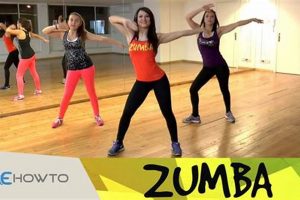
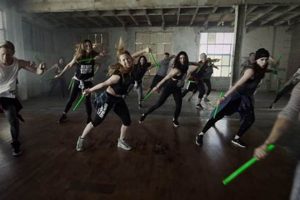
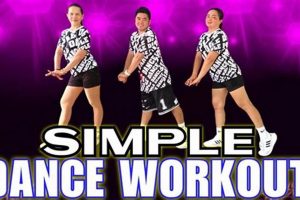
A group fitness activity blends Latin-inspired dance movements with aerobic exercise. It typically occurs in a structured setting led by a certified instructor, incorporating various rhythms and styles such as salsa, merengue, and cumbia. Participants follow the instructor’s choreography, engaging in a dynamic and energetic cardiovascular routine.
Participation offers multiple advantages including improved cardiovascular health, increased muscular endurance, and enhanced coordination. The engaging nature of the activity can also contribute to stress reduction and improved mood. Originating in the late 1990s, it has gained global popularity due to its accessibility and enjoyable format, appealing to individuals of diverse fitness levels and backgrounds.
The following sections will delve into the specific elements that contribute to the effectiveness of this fitness approach, examine potential modifications for different populations, and outline strategies for maximizing its impact on overall well-being. Further analysis will address equipment, class structures and techniques.
Maximizing the Benefits
Effective participation requires adherence to specific guidelines to ensure safety and optimize results. Consistent application of the following principles enhances the experience and minimizes potential risks.
Tip 1: Prioritize Proper Footwear: Adequate support is crucial for impact absorption and injury prevention. Select shoes designed for cross-training activities, providing cushioning and lateral stability.
Tip 2: Maintain Hydration: Fluid loss occurs through perspiration. Replenishing fluids before, during, and after is essential for performance and preventing dehydration.
Tip 3: Focus on Form: Maintaining correct posture and movement patterns maximizes effectiveness and reduces the likelihood of strain or injury. Observe the instructor and utilize mirrors for self-assessment.
Tip 4: Gradually Increase Intensity: Begin with a moderate level of exertion and progressively increase the intensity as fitness improves. Avoid pushing beyond one’s limits, especially when starting.
Tip 5: Listen to the Body: Pay attention to physical signals. Discomfort or pain indicates a need to modify or discontinue the activity. Rest and recovery are vital components of a fitness regimen.
Tip 6: Utilize Modifications: Recognize that adaptations are necessary. Modify movements, reduce jump height, or take breaks as needed. This ensures the exercise remains accessible and safe.
Tip 7: Arrive Early for Class: This will allow the participants to find a comfortable position in the room to be able to see the instructor throughout the entire class.
Adherence to these guidelines will promote a safe, effective, and enjoyable experience. Incorporating these principles into participation facilitates achieving fitness goals and maximizing the positive impact on overall well-being.
The subsequent sections will discuss common modifications and adaptations suitable for diverse populations, as well as explore strategies for incorporating it into a broader fitness plan.
1. Choreography

Choreography is fundamental to the structure and execution of a group fitness session. It provides the framework within which participants engage in physical activity, dictating the sequence of movements and contributing significantly to the workout’s overall effectiveness.
- Movement Sequencing
Movement sequencing involves the arrangement of steps and combinations. Instructors design this sequence to build progressively, starting with simpler actions and advancing to more complex patterns. The arrangement directly influences the class’s flow, the participants’ ability to follow along, and the overall caloric expenditure. Poor sequencing can lead to confusion and decreased participation; effective sequencing promotes continuous engagement and optimal physical output.
- Rhythmic Alignment
Rhythmic alignment synchronizes movements with the musical beat. This alignment enhances coordination and provides an auditory cue for executing steps correctly. Instructors select music and choreography that complement each other, creating a cohesive experience. Misalignment between movement and music can disrupt the rhythm and diminish the workout’s enjoyment and efficacy.
- Stylistic Variety
Stylistic variety incorporates different dance styles and cultural influences, diversifying the movement repertoire. Incorporating salsa, cumbia, merengue, and other genres introduces new steps and rhythms, preventing monotony and engaging a broader range of muscles. However, excessive variation without a cohesive structure can confuse participants and dilute the workout’s core benefits. Balance is essential to maintain both engagement and structured fitness progression.
- Instructor Cues
The cues provided by the instructor serve as a guide, informing participants of upcoming movements. Effective instructors use verbal and nonverbal cues to demonstrate and explain each step, improving comprehension and encouraging correct form. Lack of clear cueing can lead to errors, inefficiencies, and decreased effectiveness of the exercise.
The integration of these choreographed elements dictates participant engagement. Effective choreography, with thoughtful attention to these facets, ensures that it serves as a catalyst for improved fitness and heightened enjoyment. It underscores the class’s capacity to deliver not only a physical workout but also an immersive cultural experience.
2. Rhythm

Rhythm serves as a foundational element, providing structure and cohesion to the physical activity. The synchronization of movement to musical beats directly influences participant engagement and the overall effectiveness of the cardiovascular workout. Varied rhythms, characteristic of Latin-inspired music, introduce diverse movement patterns, promoting enhanced coordination and muscular engagement. For example, a transition from a quick salsa rhythm to a slower cumbia rhythm necessitates adjustments in tempo and technique, challenging participants to adapt and control their movements accordingly. Absence of a consistent rhythmic framework can lead to disjointed movements, reduced calorie expenditure, and decreased participant satisfaction.
The incorporation of varied rhythms provides a range of training stimuli, promoting adaptability and preventing plateaus in fitness progress. Instructors use rhythmic changes to modulate the intensity of the workout, alternating between high-energy, fast-paced sequences and lower-impact, slower-tempo segments. This modulation allows participants to sustain effort over a longer duration, maximizing the cardiovascular benefits. A practical example includes alternating between fast merengue sequences that challenge the heart rate and slower bachata routines that focus on balance and core engagement, ensuring a comprehensive full-body workout.
In conclusion, rhythm is a critical determinant of participant experience and the physiological impact of the class. Its presence provides structure, enhances engagement, and dictates the variation of movement patterns. Effective integration of diverse rhythms, modulated intensity, and proper alignment ensures a high-quality, beneficial fitness experience. Recognizing the integral role of rhythm is essential for instructors and participants seeking to maximize the health benefits derived from this dance-based fitness activity.
3. Intensity
The level of exertion significantly affects the physiological benefits derived from participation in the group fitness activity. Managing this element is essential for maximizing cardiovascular improvements and ensuring participant safety.
- Heart Rate Modulation
Heart rate serves as a direct indicator of the body’s response to physical stress. The workout class incorporates intervals of varying intensity to elevate and sustain heart rate within a target zone. This approach promotes cardiovascular conditioning. For example, a high-energy salsa segment can elevate heart rate to 80-85% of maximum, followed by a brief recovery period during a cumbia routine. Monitoring heart rate allows for personalized adjustment of exertion levels, ensuring participants remain within a safe and effective training range.
- Movement Amplitude
The range of motion executed during dance steps directly impacts muscular engagement and caloric expenditure. Larger, more exaggerated movements increase intensity by requiring greater effort from various muscle groups. An example includes extending arms fully during a grapevine step or incorporating deeper squats during a reggaeton track. Adapting movement amplitude based on individual fitness levels ensures the workout remains challenging yet attainable.
- Impact Level
The degree of impact exerted on joints influences both the cardiovascular and musculoskeletal demands of the activity. High-impact movements, such as jumps and leaps, increase intensity but also raise the risk of injury. Instructors often provide low-impact alternatives, such as stepping instead of jumping, to accommodate participants with joint issues or lower fitness levels. Modifying impact level allows individuals to customize the workout based on their physical limitations and fitness goals.
- Choreographic Complexity
The intricacy of dance routines affects the cognitive and physical demands of the exercise. Complex choreography requires greater focus and coordination, which can indirectly increase intensity. A routine with frequent changes in direction or a combination of multiple steps challenges participants to maintain concentration while executing the movements. Instructors often introduce new steps gradually to allow participants to master the choreography before increasing complexity.
In summary, the deliberate manipulation of heart rate, movement amplitude, impact level, and choreographic complexity enables participants to tailor their experience within the group fitness setting. The integration of these elements not only enhances the physical benefits, such as improved cardiovascular health and muscular endurance, but also contributes to the overall enjoyment and sustainability of the fitness regimen.
4. Community
The formation of a cohesive social group is a significant, yet often understated, element of group fitness programs. In this setting, the sense of collective engagement directly influences individual motivation and adherence to the exercise regimen. Shared experiences, mutual encouragement, and social interaction serve as potent catalysts, transforming a solitary exercise endeavor into a communal activity. For example, participants who regularly attend the same classes often develop supportive relationships, providing accountability and fostering a sense of belonging that extends beyond the duration of the workout. This environment fosters a positive feedback loop, enhancing commitment and diminishing attrition rates.
The structure of the class facilitates social interaction. Group settings provide opportunities for individuals to connect with others who share similar fitness goals and interests. Instructors frequently encourage interaction through partner work, group activities, or celebratory routines. A practical example can be seen in beginner-level classes, where experienced participants often assist newcomers in learning the choreography, promoting camaraderie and reducing feelings of intimidation. Social media groups and in-person gatherings further strengthen these bonds, extending the sense of community beyond the confines of the studio.
The cultivation of a supportive and inclusive atmosphere contributes significantly to the overall success of this type of fitness pursuit. The social bonds formed within the group serve as a powerful motivator, increasing attendance and adherence to the fitness program. While the primary objective is physical fitness, the communal aspect provides a vital source of emotional support and encouragement, essential for achieving long-term wellness goals. The symbiotic relationship between physical activity and social connection underscores the holistic benefits of this form of group exercise.
5. Accessibility

The inherent adaptability of this dance-based fitness class allows broad participation, making it accessible to individuals across various fitness levels, age groups, and physical capabilities. This element fosters a welcoming environment, mitigating barriers that often deter individuals from engaging in structured exercise programs. Instructors play a pivotal role in ensuring inclusivity by offering modifications to movements, adjusting the intensity of routines, and providing clear, concise instructions. As a result, individuals with limited mobility, chronic conditions, or minimal dance experience can participate alongside more advanced students, experiencing the physical and social benefits of the activity.
The practical application of accessibility principles extends beyond mere physical modifications. Instructors often employ inclusive language, avoid overly complex choreography, and encourage participants to work at their own pace. For example, a class may incorporate options for high-impact and low-impact movements, allowing individuals to select the variation that best suits their needs and abilities. Additionally, some programs offer specialized classes tailored to specific populations, such as seniors or individuals with disabilities, further enhancing accessibility and ensuring a safe and effective workout experience. Community centers offer free classes that allow all members of the public to take part in this physical activity.
In conclusion, accessibility is not merely an add-on but rather an integral component that enhances the class’s appeal and effectiveness. By prioritizing inclusivity and providing appropriate modifications, instructors create an environment where individuals of all backgrounds and abilities can experience the joy of movement and the benefits of regular physical activity. The ongoing commitment to accessibility ensures this fitness modality remains a viable and welcoming option for individuals seeking to improve their health and well-being, regardless of their physical limitations or previous experience.
6. Fitness

The incorporation of structured movement within a group setting significantly influences various components of physical well-being. The inherent design of this dance-based fitness activity directly affects cardiovascular health, muscular endurance, and overall body composition. Its influence extends to both physiological and psychological aspects of wellness.
- Cardiovascular Health
Sustained engagement in rhythmic movement patterns elevates heart rate and improves circulatory efficiency. The alternating high- and low-intensity intervals challenge the cardiovascular system, enhancing its capacity to deliver oxygen to working muscles. The repetitive nature of the steps ensures participants maintain an elevated heart rate for a prolonged period, promoting improved cardiovascular fitness. For example, participants who regularly attend experience a reduction in resting heart rate and improved blood pressure levels.
- Muscular Endurance
The repetitive execution of dance steps engages multiple muscle groups, leading to improved muscular endurance. The sustained muscular contractions, particularly in the lower body and core, increase the muscles’ ability to resist fatigue. This enhanced endurance enables participants to perform daily activities with greater ease and efficiency. Regular participants may notice improvements in their ability to perform activities such as climbing stairs or carrying groceries without experiencing muscle fatigue.
- Body Composition
Consistent participation contributes to a favorable shift in body composition, reducing body fat and increasing lean muscle mass. The combined effect of cardiovascular activity and muscular engagement promotes calorie expenditure and fat oxidation. The increased muscle mass further boosts metabolism, leading to sustained weight management. Individuals often experience a reduction in waist circumference and overall body fat percentage through consistent involvement.
- Coordination and Balance
The execution of various dance steps enhances coordination and balance, contributing to improved motor skills and reduced risk of falls. The requirement to synchronize movements with the music engages the neural pathways responsible for motor control. Furthermore, routines that incorporate lateral movements and changes in direction challenge the body’s balance mechanisms. Practicing these routines enhances proprioception, allowing individuals to maintain stability and coordination in various environments and movement patterns.
The integration of these components contributes to a holistic improvement in physical fitness, fostering overall well-being and promoting a healthier lifestyle. The benefits derived from this class extend beyond mere physical improvements, influencing psychological health and enhancing quality of life. The combination of physical activity, social interaction, and rhythmic movement promotes a positive feedback loop, encouraging continued participation and sustained adherence to a fitness regimen.
Frequently Asked Questions
The following addresses common inquiries regarding participation, benefits, and potential considerations.
Question 1: Is prior dance experience required to participate effectively?
Prior dance training is not mandatory. Instructors typically provide modifications for individuals with varying levels of experience and physical capabilities. New participants can gradually acclimate to the choreography and intensity.
Question 2: What specific health conditions may contraindicate participation?
Individuals with pre-existing cardiovascular conditions, orthopedic injuries, or balance impairments should consult with a healthcare professional prior to engaging in this activity. Modifications and alternative exercises may be necessary to mitigate potential risks.
Question 3: How does it contribute to weight management and caloric expenditure?
It elevates heart rate and engages multiple muscle groups, resulting in significant caloric expenditure. Consistent participation, coupled with a balanced diet, can contribute to weight management and improved body composition.
Question 4: What type of footwear is most appropriate for this activity?
Cross-training shoes that provide adequate cushioning and lateral support are recommended. Running shoes may not provide sufficient stability for the varied movements involved, increasing the risk of ankle injuries.
Question 5: How can intensity be adjusted to accommodate different fitness levels?
Instructors offer modifications to the choreography, allowing individuals to adjust the amplitude of movements and the impact level. Participants can also self-regulate intensity by taking breaks and modifying steps as needed.
Question 6: What are the primary benefits beyond physical fitness?
Beyond physical improvements, participation fosters social interaction, enhances mood, and reduces stress levels. The communal aspect and engaging nature of the activity contribute to a positive and sustainable fitness experience.
Understanding these aspects facilitates informed decision-making and promotes safe, effective participation.
The subsequent sections will explore strategies for integrating it into a comprehensive fitness plan and maximizing its impact on overall well-being.
Conclusion
This exploration has detailed various facets including choreography, rhythm, intensity, community, accessibility, and fitness impact. Each element contributes to its effectiveness as a structured physical activity.
Understanding its components allows informed participation and maximization of its health benefits. Its continued relevance rests on its adaptability and ability to foster well-being across diverse populations.