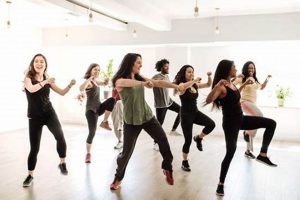
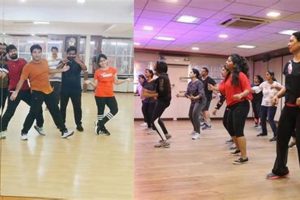
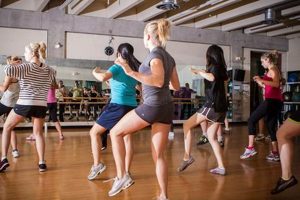
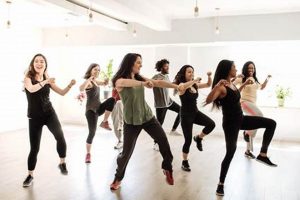
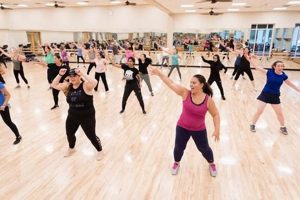
Preparation for a Zumba session involves understanding the class structure and environment. Participants can anticipate a high-energy workout led by a certified instructor. The choreography blends Latin rhythms with easy-to-follow dance moves, catering to various fitness levels. A typical session incorporates a warm-up, a series of songs each with different dance routines, and a cool-down period. Appropriate attire includes comfortable athletic wear and supportive sneakers to facilitate movement and prevent injury.
Participation offers several potential benefits. Zumba functions as a full-body workout, promoting cardiovascular health and muscle toning. The energetic nature of the class may also contribute to stress reduction and improved mood. Zumba’s origins lie in the fusion of fitness and dance, evolving from a spontaneous improvisation to a globally recognized fitness program. Its popularity stems from its accessibility and the enjoyable nature of the workout.
Understanding these core elements provides a foundation. The following will address specifics such as music, intensity, instructor roles, and what to expect regarding personal progress and modifications during the session.
Tips for a Successful Zumba Experience
Maximizing benefits from a Zumba class requires preparation and mindful participation. The following guidelines aim to enhance the experience and mitigate potential challenges.
Tip 1: Arrive Early: Punctuality allows ample time for check-in, familiarization with the studio layout, and selection of an optimal viewing position. It also provides an opportunity to engage with the instructor and communicate any physical limitations or concerns.
Tip 2: Hydrate Adequately: Maintaining sufficient hydration is crucial. Consuming water before, during, and after the session supports physical performance and reduces the risk of dehydration-related complications.
Tip 3: Prioritize Comfortable Attire: Choosing breathable, unrestricted clothing facilitates ease of movement. Supportive athletic shoes are essential for minimizing the risk of foot and ankle injuries. Avoid restrictive or cumbersome accessories.
Tip 4: Focus on Following the Instructor: Observing the instructor’s movements closely provides guidance for executing the routines correctly. Do not hesitate to adapt the steps to accommodate personal fitness levels or physical limitations.
Tip 5: Embrace Modifications: Zumba instructors typically offer modifications for various fitness levels. Utilize these modifications as needed to ensure proper form and prevent overexertion. Listen to the body and prioritize safety.
Tip 6: Avoid Overtaxing: Pushing beyond physical limits can lead to injury. Monitor exertion levels and adjust intensity accordingly. It’s acceptable to take brief breaks as needed throughout the session.
Tip 7: Cultivate a Positive Mindset: Approach Zumba with an open mind and a willingness to learn. A positive attitude can enhance the enjoyment of the class and improve overall participation.
Adhering to these suggestions can promote a safe, enjoyable, and effective Zumba workout. Consistent application of these principles can contribute to enhanced fitness outcomes and a positive exercise experience.
With these preparatory steps outlined, consider the post-class routine for optimal recovery.
1. Energetic Music

Energetic music forms a cornerstone of the Zumba experience. The selected soundtrack, predominantly Latin rhythms, dictates the pace and intensity of the movements. This music selection triggers an instinctive response, motivating participants to engage actively. The faster tempos elevate heart rates, contributing to the cardiovascular benefits of the workout, while the infectious rhythms enhance enjoyment and reduce perceived exertion. Without these energetic musical components, Zumba loses a critical element of its character and effectiveness.
The specific musical styles employed directly influence the choreography. Salsa, merengue, cumbia, and reggaeton, among others, each contribute distinct movement patterns. This diversity prevents monotony and challenges participants to learn new dance steps. Instructors typically curate playlists that blend familiar tracks with lesser-known pieces, exposing attendees to a wider range of Latin musical styles and facilitating a dynamic and engaging class structure. The music serves not only as background sound but as a cue for transitions and changes in intensity.
The absence of vibrant music would fundamentally alter what participants anticipate. It would transform Zumba from a dance-fitness party into a generic exercise routine. The synchronization of movement to music creates a unique atmosphere. Understanding the role of energetic music allows participants to appreciate the intentionality behind playlist selection and optimize their enjoyment and physical results. The strong connection creates better involvement and overall class engagement.
2. Varied Choreography

Varied choreography is an integral component of the Zumba experience. Participants should anticipate a dynamic sequence of movements incorporating a spectrum of dance styles and rhythms. The strategic incorporation of varied routines prevents stagnation, promotes ongoing physical challenge, and enhances engagement throughout the class.
- Dance Style Integration
Zumba classes routinely integrate elements from salsa, merengue, cumbia, reggaeton, and other Latin and international dance forms. The utilization of multiple styles necessitates participants to adapt their movements, improving coordination and overall physical agility. For example, a sequence might transition from the rapid footwork of salsa to the hip movements characteristic of reggaeton. This integration maintains novelty and enhances participant interest.
- Intensity Modulation
Choreography serves as a mechanism for controlling the intensity of the workout. Instructors strategically alternate between high-energy routines that elevate heart rates and lower-intensity segments that allow for active recovery. An example would be the alternation between a high-impact merengue sequence and a slower, more controlled cumbia routine. This modulation ensures that participants of varying fitness levels can engage without undue risk of overexertion.
- Muscle Group Targeting
Distinct choreography patterns target diverse muscle groups, contributing to a comprehensive full-body workout. Some routines may emphasize lower body strength and endurance, while others focus on core engagement or upper body toning. For instance, a salsa routine might prioritize lower body movements, while a cumbia sequence could involve more upper body and core engagement. This varied targeting ensures a balanced physical workout.
- Skill Progression
Instructors introduce new steps and routines progressively over time, fostering skill development and challenging participants to expand their movement repertoire. This gradual introduction of complexity prevents the class from becoming monotonous and incentivizes ongoing participation. An example would be introducing a simple grapevine step initially and then incorporating variations or embellishments in subsequent classes. The continuous learning enhances long-term engagement.
Understanding the strategic integration of varied choreography is fundamental for those considering participation. It not only shapes the physical challenge but also significantly influences the enjoyment and long-term adherence to the Zumba program. This element assures the physical stimulation and mental engagement that characterize what attendees can expect.
3. Certified Instructor
The presence of a certified instructor directly influences the Zumba class experience. Certification ensures the instructor has undergone specialized training, equipping them with the knowledge and skills necessary to lead a safe and effective workout. This training covers choreography, proper form, injury prevention, and modifications for various fitness levels. Consequently, participants can anticipate a class that is structured, safe, and adaptable to individual needs. For example, a certified instructor will be able to identify incorrect posture during a routine and provide corrective guidance, minimizing the risk of injury. The absence of a certified instructor increases the potential for improper technique, leading to reduced effectiveness and elevated risk of physical harm.
Beyond technical expertise, a certified instructor contributes to the overall class atmosphere. They are trained to motivate participants, create an inclusive environment, and manage the energy of the group. A certified instructor might use verbal encouragement and positive reinforcement to inspire confidence and maintain enthusiasm throughout the session. The understanding of class dynamics enables them to adjust the pace and intensity based on participant feedback and observed exertion levels. This responsiveness leads to a class better suited to meeting the needs of all present.
In summary, certification represents a quality control measure that shapes the class experience. It assures participants that the instructor possesses the requisite knowledge and skills to deliver a safe, effective, and engaging Zumba workout. Therefore, verification of instructor certification becomes a critical step for individuals seeking to maximize the benefits and minimize the risks associated with this form of exercise. The value derived is a consequence of the instructors commitment to recognized standards, impacting not only physical outcomes but the enjoyment and accessibility of the activity.
4. Group Setting

The group setting constitutes a significant element. The shared experience of exercising alongside others fosters a sense of community and camaraderie. Participants can anticipate a more motivating and engaging atmosphere than that typically found in individual workouts. The presence of peers can provide encouragement and accountability, factors that contribute to improved adherence and sustained participation. A real-world example of this phenomenon is evident in the observed increase in attendance and enthusiasm among individuals who join Zumba classes with friends or family members, compared to those who attend alone. This social support system is a considerable benefit, increasing the likelihood of consistent involvement.
The group setting also introduces an element of social learning. Participants can observe and emulate the movements of others, facilitating the acquisition of new dance steps and improving overall technique. Novice attendees may benefit from watching more experienced participants, gaining insights into proper form and rhythm. Moreover, the shared energy and enthusiasm within the group create a more stimulating environment, potentially increasing the intensity and duration of the workout. The instructor leverages the group dynamic to create positive reinforcement, fostering a welcoming and supportive environment. This ensures that new participants feel supported by both the instructor and other attendees.
In conclusion, the group setting is not merely an incidental aspect. It directly influences motivation, learning, and overall enjoyment. Recognizing the importance of the group dynamic enables participants to leverage the social support and encouragement, enhancing the fitness experience and promoting long-term adherence. The challenge of potential intimidation can be overcome by the supportive nature of most Zumba communities, making understanding and appreciation of this component practically significant for prospective and current participants alike.
5. Adaptive Intensity

The principle of adaptive intensity is a fundamental aspect. Participants should expect a class structure that accommodates diverse fitness levels and physical capabilities. Adaptive intensity refers to the capacity to modify movements and exertion levels to align with individual needs and limitations. The instructor’s role involves providing modifications for each routine, allowing participants to choose options that are either less or more challenging. For example, a high-impact jump can be modified to a low-impact step touch. This adaptability ensures inclusivity and minimizes the risk of injury or overexertion.
The application of adaptive intensity can be observed in real-time. Instructors routinely offer several variations of each step, enabling participants to select an appropriate level of exertion. The modifications serve as a protective mechanism for individuals with joint issues, previous injuries, or lower fitness levels. Furthermore, adaptive intensity allows participants to progressively increase the difficulty of the workout over time, thereby promoting continued physical improvement. For instance, a participant initially performing only low-impact modifications may gradually transition to incorporating higher-impact movements as their fitness improves. The practical significance lies in its ability to empower individuals to personalize their workout, creating a sustainable fitness regimen. This focus caters to personal evolution.
Understanding adaptive intensity is essential for establishing realistic expectations and maximizing benefits. It ensures that Zumba is accessible to a wide range of individuals, regardless of their fitness backgrounds. Challenges may arise when participants overestimate their abilities and push beyond safe limits. However, by consciously applying adaptive intensity principles, attendees can mitigate these risks and participate in a manner that is both safe and effective. The element of adaptability enhances its appeal, making it a popular choice for individuals seeking an engaging and effective workout solution.
Frequently Asked Questions About Zumba Classes
The following questions and answers address common inquiries regarding participation in Zumba, offering clarity on various aspects of the activity.
Question 1: What level of dance experience is necessary to participate in Zumba?
Prior dance experience is not a prerequisite. Zumba routines are designed to be easy to follow, incorporating basic steps and repetitive movements. The primary emphasis is on fitness and enjoyment, rather than technical dance proficiency.
Question 2: Are Zumba classes suitable for individuals with physical limitations or injuries?
Zumba can be adapted to accommodate individuals with physical limitations. Instructors typically provide modifications for each routine, allowing participants to adjust the intensity and complexity of movements to suit their capabilities. Consultation with a healthcare professional is recommended prior to participation for those with pre-existing conditions.
Question 3: What type of attire is recommended for a Zumba class?
Comfortable athletic wear that allows for unrestricted movement is advisable. Breathable fabrics are preferable to manage perspiration. Supportive athletic shoes designed for lateral movement are essential to minimize the risk of foot and ankle injuries.
Question 4: How intense is a typical Zumba class, and what are the potential cardiovascular benefits?
Zumba classes can range in intensity, but generally provide a moderate- to high-intensity cardiovascular workout. Regular participation can contribute to improved cardiovascular health, increased endurance, and enhanced calorie expenditure. Individual results may vary based on factors such as fitness level and adherence to the program.
Question 5: What qualifications should a Zumba instructor possess?
A qualified Zumba instructor should hold a valid Zumba instructor certification, demonstrating completion of specialized training in Zumba techniques, safety protocols, and class management. Verification of certification credentials is recommended prior to enrolling in a class.
Question 6: How frequently should individuals participate in Zumba classes to realize noticeable fitness improvements?
To experience tangible fitness benefits, consistent participation is recommended. Attending Zumba classes two to three times per week can promote improvements in cardiovascular fitness, muscle tone, and overall well-being. Results are contingent on factors such as individual effort, dietary habits, and consistency of attendance.
In summary, these FAQs aim to equip potential participants with a foundational understanding. Considerations surrounding fitness level, physical limitations, and instructor credentials contribute to a positive and safe engagement.
Next, the discussion shifts to the possible long-term impacts on those who regularly attend sessions.
Concluding Insights on Zumba Class Dynamics
This exploration of what to expect in a Zumba class reveals a multifaceted fitness experience. Emphasis has been placed on key elements: energetic music driving movement, varied choreography engaging diverse muscle groups, certified instructors ensuring safety and providing guidance, a group setting fostering motivation, and adaptive intensity accommodating different fitness levels. These components work synergistically to provide a dynamic and accessible workout regimen. Understanding these aspects allows for informed participation.
Consideration of these insights is crucial for individuals seeking a fitness activity that combines physical exertion with an enjoyable atmosphere. Continued adherence and mindful engagement with these aspects can contribute to sustained fitness benefits and a positive exercise experience. Further research into the specific offerings of local Zumba classes, instructor qualifications, and participant testimonials may provide additional information for informed decision-making.