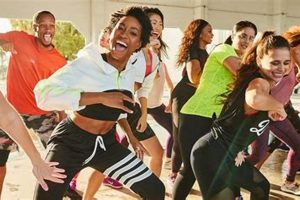
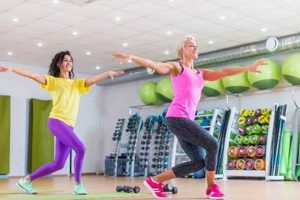
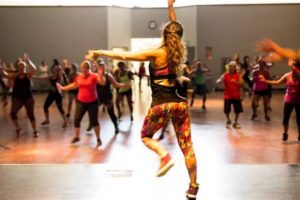
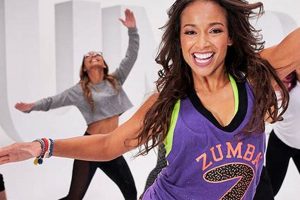
Achieving excellence as a Zumba instructor involves a multifaceted approach. It requires a combination of technical dance skills, a deep understanding of Zumba’s philosophy, and the ability to motivate and connect with a diverse group of participants. The instructor’s role extends beyond simply leading a class; it encompasses creating an inclusive and energetic environment where individuals feel comfortable and inspired to move.
The benefits of possessing these qualities are significant. Superior instructors cultivate larger, more dedicated followings. Their classes become known for their positive atmosphere and effective workouts, leading to increased participant satisfaction and retention. Historically, the most successful instructors have consistently demonstrated these attributes, building strong reputations and contributing significantly to the popularity and accessibility of Zumba.
Therefore, this document will explore the key elements essential for instructors to excel in their roles, detailing the specific knowledge, skills, and personal attributes that contribute to a truly impactful and rewarding Zumba experience for all involved. This includes mastering choreography, developing effective communication strategies, and understanding how to foster a supportive community within the class.
Tips for Zumba Instruction Excellence
The following recommendations are crucial for instructors seeking to enhance their Zumba instruction and deliver exceptional class experiences. Each tip focuses on specific areas of improvement, contributing to increased participant engagement and instructor effectiveness.
Tip 1: Master Fundamental Choreography: A comprehensive understanding of Zumba’s core steps and rhythms is paramount. Instructors should prioritize mastering these foundational elements before attempting more complex routines. This ensures accurate execution and allows for clear communication to participants.
Tip 2: Prioritize Music Selection: Music is the driving force of Zumba. Carefully select tracks that offer variety in tempo and genre, appealing to a broad audience. The chosen music should be appropriate for the skill level of the class and consistently energizing.
Tip 3: Cultivate Effective Cueing: Clear and concise cueing is vital for guiding participants through the routines. Verbal cues should anticipate movements, allowing individuals to prepare and execute steps correctly. Demonstrations of upcoming movements are equally important.
Tip 4: Foster a Positive and Inclusive Environment: A welcoming atmosphere encourages participation and reduces apprehension. Instructors should demonstrate enthusiasm, offer modifications for varying fitness levels, and celebrate individual successes.
Tip 5: Provide Consistent Feedback: Constructive feedback helps participants improve their technique and maintain proper form. This feedback should be delivered in a supportive and encouraging manner, focusing on specific areas for improvement.
Tip 6: Maintain Professional Development: The fitness landscape is constantly evolving. Instructors should actively seek opportunities for continuing education, attending workshops and certification courses to stay current with industry best practices.
Tip 7: Practice Self-Care: Maintaining physical and mental well-being is essential for instructors. Prioritizing adequate rest, nutrition, and stress management will contribute to sustained energy and enthusiasm in class.
By implementing these recommendations, instructors can significantly improve the quality of their Zumba classes, fostering a loyal following and creating a positive impact on participants’ lives.
The subsequent sections will delve deeper into specific techniques and strategies that can further elevate the instructor’s abilities and enhance the overall Zumba experience.
1. Choreography Mastery

Choreography mastery is a foundational element in the pursuit of excellence as a Zumba instructor. It directly influences the quality of the class experience, participant engagement, and the instructor’s overall credibility. A deep understanding and skillful execution of Zumba choreography is not merely about replicating steps; it’s about creating a fluid, engaging, and effective fitness experience.
- Rhythm and Musicality
Choreography mastery encompasses a profound connection to the music. It requires an instructor to internalize the rhythm, understand the phrasing, and translate the musical cues into corresponding movements. Effective instructors choose steps that naturally align with the musicality, creating a seamless and intuitive flow that enhances the overall Zumba experience. This rhythmic integration elevates the class from a series of exercises to an immersive dance-fitness experience.
- Step Execution and Technique
Accurate and precise execution of Zumba steps is crucial for both participant safety and program effectiveness. Choreography mastery demands a thorough understanding of proper form and technique for each movement. Instructors should demonstrate each step clearly, ensuring participants can replicate the movements safely and effectively. This attention to detail minimizes the risk of injury and maximizes the fitness benefits of the class. A command of technique further allows for modifications to accommodate various fitness levels.
- Sequencing and Transitions
The arrangement and flow of Zumba steps are integral to choreography mastery. Smooth transitions between different movements and routines contribute to a dynamic and engaging class. An instructor must be adept at sequencing steps in a logical and creative manner, maintaining a consistent energy level and preventing abrupt or awkward shifts in rhythm. Strategic sequencing also helps to target specific muscle groups, maximizing the workout’s efficiency.
- Creative Adaptation and Innovation
While adherence to Zumba’s core principles is important, choreography mastery also allows for creative adaptation and innovation. Skilled instructors can incorporate their own unique styles and interpretations into the choreography, adding personal flair while staying true to the program’s essence. This creative freedom keeps classes fresh and engaging, attracting new participants and retaining existing ones. Innovation can also involve modifying existing routines to suit the specific needs and preferences of the class.
In summation, choreography mastery is a complex skill set that significantly contributes to the success of a Zumba instructor. It transcends rote memorization and encompasses a deep understanding of rhythm, technique, sequencing, and creative adaptation. By prioritizing the development of these skills, instructors can create more engaging, effective, and enjoyable Zumba classes, solidifying their position as valuable fitness professionals.
2. Energetic Presence

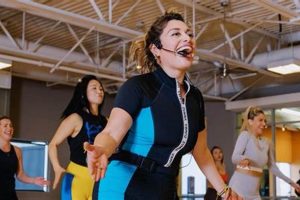
Energetic presence serves as a cornerstone for effective Zumba instruction. It transcends mere physical vitality; it encompasses a multifaceted demonstration of enthusiasm and engagement that directly impacts participant motivation and the overall class atmosphere. The instructor’s energy levels and ability to project that energy onto the class are critical determinants of success.
- Nonverbal Communication
Energetic presence is significantly conveyed through nonverbal cues. Posture, eye contact, and facial expressions all contribute to the perception of enthusiasm and engagement. An upright posture projects confidence and command, while consistent eye contact fosters a connection with individual participants. Genuine smiles and expressive facial gestures communicate the instructor’s enjoyment of the music and movement, creating a more positive and inviting environment. Ineffective nonverbal communication, such as avoiding eye contact or displaying a lack of enthusiasm, can negatively impact participant motivation and engagement.
- Vocal Projection and Modulation
The instructor’s voice plays a crucial role in maintaining an energetic presence. Clear and confident vocal projection ensures that instructions are easily heard and understood by all participants. Varying vocal tone and cadence, known as modulation, prevents monotony and keeps participants engaged. A flat or monotonous vocal delivery can lead to disinterest and decreased participation, while a dynamic and expressive voice enhances the overall energy of the class.
- Enthusiasm and Passion
Genuine enthusiasm for Zumba is contagious and directly influences participant motivation. Instructors who demonstrate a clear passion for the music and movement inspire participants to fully engage in the class. This enthusiasm is not simply a performance; it stems from a deep appreciation for the benefits of Zumba and a genuine desire to share that experience with others. Feigned enthusiasm is often transparent and can be detrimental to the instructor’s credibility.
- Physicality and Movement Quality
An energetic presence requires instructors to fully embody the movements they are teaching. This means executing steps with precision, power, and fluidity. The instructor’s physical demonstration serves as a model for participants, inspiring them to move with greater confidence and intensity. Sluggish or imprecise movements can undermine the instructor’s credibility and reduce participant motivation. A well-executed and dynamic physical performance enhances the overall energy and impact of the class.
The components of energetic presence are interdependent and collectively contribute to the instructor’s ability to create a dynamic and motivating Zumba experience. An instructor who effectively utilizes nonverbal communication, vocal projection, enthusiasm, and physicality cultivates a positive and engaging environment that fosters participant success and enhances the overall value of the class. These attributes directly contribute to perceived competence and are essential elements in becoming a great Zumba instructor.
3. Inclusive Communication

Inclusive communication is a critical component of effective Zumba instruction and, therefore, directly impacts the ability to achieve excellence in this role. The instructor’s capacity to create an environment where all participants feel welcomed, valued, and understood significantly influences class dynamics, participant retention, and the overall success of the program. When participants perceive the instructor as approachable and sensitive to their individual needs, they are more likely to engage fully and consistently attend classes. This, in turn, fosters a supportive community and maximizes the positive impact of the Zumba experience. Without inclusive communication, even technically proficient instructors may struggle to cultivate a thriving and diverse class environment.
Practical applications of inclusive communication manifest in several key areas. The instructor must utilize non-discriminatory language, avoiding phrases that perpetuate stereotypes or exclude individuals based on their age, gender, race, ethnicity, sexual orientation, or physical abilities. Providing modifications and adaptations to accommodate varying fitness levels and physical limitations is crucial, demonstrating a commitment to accessibility. Furthermore, active listening and genuine responsiveness to participant feedback are essential for understanding and addressing individual concerns and needs. For instance, an instructor who observes a participant struggling with a particular move might offer a modified version or provide individualized coaching, demonstrating attentiveness and promoting a sense of inclusion. This adaptive approach ensures that all participants feel empowered to succeed, regardless of their background or experience.
In conclusion, inclusive communication is not merely a desirable attribute but a foundational requirement for instructors striving for excellence in Zumba. It directly affects participant engagement, class dynamics, and the overall success of the program. While mastering Zumba choreography and delivering energetic performances are important, they are insufficient without the ability to create a welcoming and supportive environment where all individuals feel valued and respected. By prioritizing inclusive communication, instructors can cultivate a thriving Zumba community that benefits both participants and the instructor. Challenges remain in addressing unconscious biases and continuously refining communication strategies, but these are crucial steps toward fostering true inclusivity.
4. Adaptability

Adaptability is a cornerstone of effective Zumba instruction. It refers to the instructor’s capacity to modify teaching approaches, routines, and communication styles in response to the diverse needs and dynamics of a class. This responsiveness is essential for creating an inclusive and engaging environment, maximizing participant participation, and achieving optimal fitness outcomes. A rigid or inflexible approach can alienate participants, limit engagement, and ultimately hinder the instructor’s effectiveness. Therefore, the ability to adapt is inextricably linked to achieving excellence as a Zumba instructor.
- Modifying Choreography for Varying Fitness Levels
Adapting choreography to accommodate different fitness levels is a fundamental aspect of adaptability. A skilled instructor recognizes the diverse physical abilities within a class and provides modifications to ensure all participants can safely and effectively engage in the workout. This may involve offering low-impact alternatives, simplifying complex steps, or providing progressions for more advanced participants. For example, if a routine includes jumping jacks, the instructor might demonstrate a step-touch variation for those with joint limitations. Failure to adapt in this manner can lead to participant frustration, injury, and decreased motivation.
- Adjusting Communication Styles to Diverse Learning Preferences
Participants learn in different ways, and adaptability requires instructors to adjust their communication styles accordingly. Some individuals may prefer visual demonstrations, while others respond better to verbal cues or tactile guidance. An effective instructor utilizes a variety of communication methods to cater to these diverse learning preferences. For instance, when teaching a new step, the instructor might demonstrate the movement, provide a clear verbal explanation, and offer hands-on assistance to those who require it. By adapting communication styles, instructors can ensure that all participants understand the choreography and feel supported in their learning process.
- Responding to Real-Time Class Dynamics
Adaptability also involves the ability to respond to the dynamic energy and feedback within a class. An instructor must be attuned to the participants’ body language, energy levels, and overall mood, adjusting the intensity, music, or choreography as needed. If the class appears fatigued, the instructor might introduce a recovery song or modify the routine to reduce the physical demand. Conversely, if the class is highly energetic, the instructor might increase the intensity or introduce more challenging steps. This real-time responsiveness demonstrates attentiveness to participant needs and enhances the overall class experience.
- Adapting to Unexpected Circumstances
Adaptability extends to managing unexpected circumstances that may arise during a class. This could include equipment malfunctions, music disruptions, or participant injuries. An effective instructor remains calm and resourceful, adapting the class plan as needed to ensure a smooth and safe experience for all. For example, if the music system malfunctions, the instructor might lead the class in a cappella routines or improvise with alternative forms of movement. The ability to adapt to these unexpected situations demonstrates professionalism and ensures that the class continues uninterrupted.
These facets of adaptability are integral to effective Zumba instruction and are essential for achieving excellence in this field. Instructors who prioritize adaptability create inclusive, engaging, and effective classes that cater to the diverse needs and preferences of their participants. Adaptability directly influences participant satisfaction, retention, and overall fitness outcomes, solidifying the instructor’s reputation and contributing to their long-term success. By consistently demonstrating adaptability, instructors enhance the Zumba experience for all involved, achieving a level of excellence beyond mere technical proficiency.
5. Continuous Learning
Continuous learning is not merely a suggestion, but a professional imperative for those aspiring to excellence as a Zumba instructor. The fitness industry, including the Zumba program, is subject to ongoing evolution. New research emerges, training methodologies advance, and musical trends shift. Instructors who fail to engage in continuous learning risk becoming stagnant, losing relevance, and ultimately, failing to provide participants with an optimal Zumba experience. Continuous learning ensures instructors remain informed, effective, and adaptable to the changing needs of their students and the broader fitness landscape.
- Staying Current with Zumba Updates and Certifications
Zumba Fitness, LLC frequently updates its program with new routines, techniques, and educational resources. Instructors must actively seek out and participate in these updates to maintain their certifications and ensure they are teaching the most current and effective Zumba methods. Failure to do so can result in the delivery of outdated or inaccurate information, potentially compromising participant safety and hindering progress. Maintaining current certifications also demonstrates a commitment to professional development, enhancing the instructor’s credibility and appeal to potential students. Accessing and implementing these updates is a key aspect of how to be a great zumba instructor.
- Expanding Knowledge of Related Fitness Disciplines
A comprehensive understanding of related fitness disciplines, such as anatomy, physiology, and biomechanics, enhances an instructor’s ability to design safe and effective Zumba classes. This knowledge allows instructors to better understand how the body moves, identify potential risks, and provide appropriate modifications and progressions. Furthermore, familiarity with other fitness formats, such as strength training or yoga, can inform the creation of more well-rounded and engaging Zumba routines. Incorporating elements from related disciplines, while remaining true to the Zumba format, elevates the quality and effectiveness of the class. Possessing that knowledge is a true step on how to be a great zumba instructor.
- Attending Workshops and Conferences
Workshops and conferences provide opportunities for instructors to network with other professionals, learn from experts in the field, and discover new trends and techniques. These events offer valuable insights into choreography development, class management, and marketing strategies. Furthermore, workshops often provide hands-on training and opportunities to practice new skills under the guidance of experienced instructors. Actively participating in workshops and conferences demonstrates a commitment to professional growth and positions the instructor as a knowledgeable and engaged member of the Zumba community. Immersing the instructor to improve the craft is how to be a great zumba instructor.
- Seeking and Incorporating Participant Feedback
Continuous learning also involves actively soliciting and incorporating feedback from participants. This feedback provides valuable insights into what is working well and what areas need improvement. Instructors can gather feedback through formal surveys, informal conversations, or direct observation of participant responses during class. Constructively addressing participant feedback demonstrates a commitment to meeting their needs and preferences, fostering a stronger sense of community and enhancing the overall Zumba experience. Actively implementing action from suggestions is a huge factor on how to be a great zumba instructor.
In conclusion, continuous learning is not a passive endeavor but an active and ongoing process that is essential for any Zumba instructor seeking to achieve excellence. By staying current with Zumba updates, expanding knowledge of related disciplines, attending workshops and conferences, and incorporating participant feedback, instructors can enhance their skills, improve their teaching methods, and create more engaging and effective classes. The commitment to continuous learning not only benefits the instructor but also enhances the Zumba experience for all participants, contributing to a more vibrant and successful Zumba community.
Frequently Asked Questions
This section addresses common inquiries pertaining to the key factors contributing to superior Zumba instruction. The information provided aims to clarify misconceptions and offer actionable insights for professional development.
Question 1: What is the minimum qualification needed to become a Zumba Instructor?
Successful completion of a Zumba Basic 1 instructor training course is typically required to begin teaching officially licensed Zumba classes. Further specialized trainings exist to teach specialized classes such as Zumba Kids, Zumba Gold, etc. It is prudent to maintain current CPR/AED certification.
Question 2: How frequently should a Zumba Instructor update choreography?
New choreography should be integrated regularly to maintain participant engagement and prevent monotony. Incorporating new routines every 4-6 weeks is a general guideline, but responsiveness to participant feedback should also inform decisions. Music and routines are key factors to how to be a great zumba instructor.
Question 3: What are effective strategies for managing a diverse class?
Employing inclusive communication, providing modifications for varying fitness levels, and fostering a non-judgmental atmosphere are crucial. Understanding cultural sensitivities and respecting individual needs contributes significantly to a positive experience for all participants.
Question 4: How does an instructor handle a participant who is consistently disruptive?
Address the issue privately and respectfully. Clearly communicate expectations and the impact of the disruptive behavior on the class. Seek to understand the underlying cause and explore potential solutions. If the behavior persists, further action may be necessary.
Question 5: Is extensive dance experience a prerequisite for becoming a Zumba Instructor?
While dance experience can be beneficial, it is not a mandatory prerequisite. Passion for Zumba, a commitment to learning, and the ability to effectively motivate others are equally important. Mastering the fundamental steps and rhythms of Zumba is essential, and further dance training can enhance an instructor’s overall skill set.
Question 6: What is the role of social media in promoting a Zumba class?
Social media can be a powerful tool for promotion. Utilizing platforms to share class schedules, testimonials, and engaging content can attract new participants and build community. Maintaining a professional online presence is crucial for projecting a positive image.
The path to excellence as a Zumba instructor necessitates ongoing dedication, adaptability, and a genuine commitment to providing a positive and effective experience for all participants. It is a journey marked by continuous learning and refinement.
The subsequent section will examine ethical considerations for Zumba instructors, providing guidelines for responsible professional conduct.
Conclusion
This exploration has detailed critical facets of achieving excellence in Zumba instruction. Mastery of choreography, energetic presence, inclusive communication, adaptability, and continuous learning form the bedrock of effective teaching. These elements are not isolated skills but interconnected components that, when cultivated, significantly enhance participant experience and instructor efficacy.
The pursuit of how to be a great zumba instructor requires a sustained commitment to professional growth and a dedication to fostering a positive and inclusive fitness environment. Instructors must prioritize continuous learning, adapt to the diverse needs of their participants, and adhere to ethical principles. Success hinges on the ability to not only deliver technically proficient instruction but also to inspire and motivate others to achieve their fitness goals. The ongoing refinement of these skills will contribute to the continued growth and positive impact of Zumba within communities worldwide.