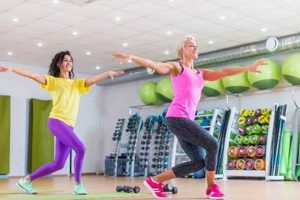
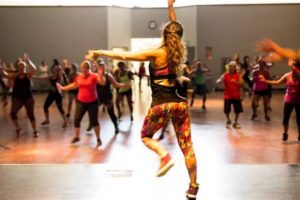
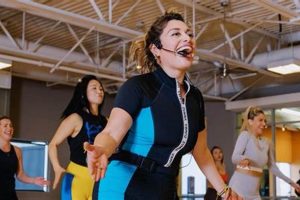
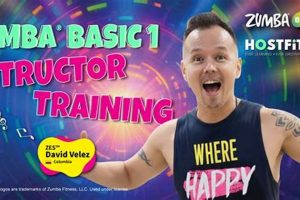
The process entails undergoing specialized training and certification to lead Zumba classes. This involves mastering the core rhythms and choreography inherent in the Zumba program, understanding cueing techniques, and acquiring the necessary knowledge of exercise safety and class management. For example, individuals aspiring to this role typically complete a Basic Steps Level 1 training, followed by ongoing professional development to enhance their skills and knowledge.
Acquiring the skills to guide others through Zumba workouts offers numerous advantages. It provides a platform to positively impact individuals’ physical health and well-being through enjoyable exercise. Furthermore, it presents opportunities for professional growth, increased earning potential, and the satisfaction of building a community around a shared passion for fitness. Zumba’s origins trace back to the mid-1990s, emerging as an innovative approach to fitness that blends Latin rhythms with easy-to-follow dance moves, quickly gaining global popularity.
Further exploration of the required certifications, continuing education opportunities, and the practical considerations of running Zumba classes will be addressed. Information regarding the necessary personal attributes, marketing strategies, and legal considerations is also relevant for sustained success in this field. Finally, an outline of resources and support networks available to practitioners will provide valuable guidance.
Essential Guidance for Aspiring Zumba Instructors
The path to becoming a certified Zumba instructor requires dedication and preparation. Adhering to these guidelines increases the likelihood of success and ensures a positive experience for both the instructor and participants.
Tip 1: Obtain Official Certification. Enrollment in a Zumba Basic 1 training course is the foundational step. This provides the necessary knowledge of core steps, rhythms, and teaching methodologies approved by Zumba Fitness, LLC. Avoid unofficial programs, as these lack recognized credentials and may not adequately prepare individuals for instruction.
Tip 2: Master the Fundamental Rhythms. A thorough understanding of the core Zumba rhythms such as Salsa, Merengue, Cumbia, and Reggaeton is crucial. Spend time practicing each rhythm, paying close attention to the nuances of the music and the corresponding movements. Proficiency in these rhythms forms the basis for creating engaging and effective routines.
Tip 3: Develop Strong Cueing Skills. Effective cueing is essential for guiding participants through routines. Practice using both verbal and non-verbal cues to clearly communicate upcoming movements. Consistent and clear cueing ensures that participants can follow the choreography safely and effectively.
Tip 4: Prioritize Music Selection. Carefully curate playlists that are high-energy, motivating, and appropriate for the target audience. Incorporate a variety of rhythms and tempos to keep classes engaging and prevent monotony. Ensure that music is legally obtained and appropriately licensed for public performance.
Tip 5: Focus on Class Structure and Flow. Design classes with a clear structure, including a warm-up, high-intensity workout, and cool-down. Ensure a smooth transition between songs and movements to maintain momentum and prevent disruptions. A well-structured class maximizes participant engagement and enjoyment.
Tip 6: Maintain Professionalism and Safety. Uphold a high standard of professionalism by arriving on time, being prepared, and maintaining a positive attitude. Prioritize participant safety by providing clear instructions, monitoring form, and adapting routines as needed to accommodate varying fitness levels and physical limitations.
Following these recommendations is vital for a rewarding and impactful journey toward instructing Zumba classes. Commitment to learning, skill development, and participant well-being are cornerstones of success.
With this guidance in mind, the following sections will delve deeper into the practical aspects of starting and managing a Zumba instruction business.
1. Certification

Formal certification is an indispensable prerequisite for individuals aspiring to lead Zumba classes. This process ensures instructors possess a standardized level of competence, covering fundamental Zumba techniques, safety protocols, and instructional methodologies. Completion of a recognized Zumba certification program directly validates an individual’s preparedness to guide participants in a safe and effective manner.
- Zumba Basic 1 Training
This introductory level certification program provides the foundational knowledge and skills needed to teach Zumba classes. It covers the basic steps of core Zumba rhythms, cueing techniques, and essential choreography. Successful completion of Zumba Basic 1 is generally considered the minimum requirement to begin instructing classes legally and professionally.
- Legal Authorization
Holding a valid Zumba instructor license, obtained through official certification, grants legal authorization to use the Zumba trademark and deliver classes under the Zumba brand. Operating without proper certification can result in legal repercussions and damage to professional reputation. Maintaining current certification is crucial for continued use of Zumba intellectual property.
- Credibility and Trust
Certification serves as a tangible demonstration of an instructor’s commitment to professional standards and expertise. It enhances credibility with potential clients and employers, instilling confidence in the instructor’s ability to deliver safe and effective Zumba workouts. Lacking proper credentials can create skepticism among participants and limit opportunities for employment or collaboration.
- Continuing Education
Zumba certification often requires ongoing professional development and continuing education to maintain active status. This ensures instructors stay current with the latest trends, techniques, and safety guidelines within the Zumba program. Participation in advanced training workshops and specialized courses further enhances an instructor’s skills and marketability.
These facets collectively underscore the critical role of certification in the journey to leading Zumba classes. Not only does it provide fundamental knowledge, but it also serves as a legal prerequisite, builds credibility, and promotes continued growth, thereby securing a path to success in this exercise domain.
2. Rhythm Mastery

Rhythm mastery is a foundational element of effective Zumba instruction. Competency in recognizing, interpreting, and conveying various musical rhythms is essential for instructors to lead engaging and authentic Zumba classes. Without a solid understanding of rhythmic structures, instructors may struggle to accurately execute choreography and effectively cue participants, undermining the overall class experience.
- Accurate Choreography Execution
Zumba choreography is intrinsically linked to specific musical rhythms. Instructors must possess the ability to accurately align movements with the underlying beat and tempo of the music. For example, a salsa routine demands precise interpretation of the clave rhythm, while a cumbia routine requires a nuanced understanding of its characteristic syncopation. Inaccurate execution compromises the integrity of the choreography and can lead to participant confusion and frustration.
- Effective Cueing and Communication
Rhythm mastery facilitates clear and effective cueing. Instructors who possess a deep understanding of rhythm can anticipate transitions and provide timely cues, enabling participants to seamlessly follow the choreography. For instance, recognizing an upcoming break in the music allows the instructor to cue a change in movement, preparing participants for the shift. Failure to provide appropriate rhythmic cues can result in disjointed transitions and a lack of flow within the class.
- Musicality and Expression
Rhythm mastery enables instructors to infuse their teaching with musicality and expression. By connecting with the music on a deeper level, instructors can convey the emotional nuances of each rhythm through their movements and energy. This enhances the overall class experience, creating a more immersive and enjoyable atmosphere for participants. An instructor’s ability to embody the spirit of the music translates into a more authentic and engaging Zumba experience.
- Adaptation and Improvisation
While Zumba provides pre-designed choreography, rhythm mastery empowers instructors to adapt and improvise when necessary. A strong understanding of rhythmic structures allows instructors to modify routines to suit the fitness levels and preferences of their participants. Moreover, it enables them to create original choreography that aligns with specific musical selections, adding a unique and personalized touch to their classes. This adaptability ensures that classes remain fresh, engaging, and accessible to a diverse range of participants.
The aforementioned facets of rhythm mastery collectively underscore its significance in enabling individuals to become proficient Zumba instructors. Beyond simply executing choreography, a comprehensive grasp of rhythmic structures empowers instructors to lead classes with precision, clarity, and musicality, ultimately contributing to a more rewarding experience for all involved. This competency allows instructors to cultivate classes that are not only fitness-oriented, but also dynamically expressive and musically authentic.
3. Cueing Skills

Proficient cueing skills are not merely an adjunct to Zumba instruction; they represent a core competency, vital for effective class management, participant safety, and overall program success. The ability to clearly and concisely communicate movement transitions and positional changes differentiates a competent instructor from one who struggles to maintain class flow and participant engagement.
- Verbal Communication Clarity
Verbal cues provide direct instruction, informing participants of upcoming movements and ensuring coordinated execution. An instructor utilizing precise verbal cues will articulate not only the name of the step but also relevant details such as directional changes, arm movements, or stylistic elements. For example, stating “Salsa forward, right foot leading” provides explicit direction, reducing ambiguity and preventing misinterpretations. This clarity becomes crucial in preventing collisions and maximizing the benefits of each routine.
- Non-Verbal Cueing Proficiency
Non-verbal cues, including hand gestures, facial expressions, and body language, supplement verbal communication and offer visual guidance. A skilled instructor uses non-verbal cues to demonstrate movements, highlight key points, and maintain energetic engagement. A simple hand gesture indicating the direction of a step or a facial expression conveying the intended mood of a routine can enhance participant understanding and encourage participation. Reliance on non-verbal cues becomes especially important when musical volume limits verbal instruction.
- Anticipatory Cueing Implementation
Effective cueing extends beyond immediate instruction to encompass anticipatory cues that prepare participants for upcoming transitions. Implementing anticipatory cues involves providing advance notice of upcoming movements, allowing participants time to mentally and physically prepare. For instance, signaling an upcoming change in rhythm or intensity several counts in advance ensures a smoother transition and minimizes the risk of participants becoming disoriented or falling behind. The ability to anticipate and prepare participants for change is a hallmark of experienced instructors.
- Adaptive Cueing in Diverse Settings
The ability to adapt cueing techniques to accommodate diverse participant needs and class environments reflects instructor flexibility and sensitivity. Adaptive cueing considers factors such as varying fitness levels, language barriers, and physical limitations. An instructor might provide modified cues for participants requiring low-impact options or use visual aids to support those with limited English proficiency. This adaptability ensures that all participants can safely and effectively participate, regardless of their individual circumstances.
In summary, the development and refinement of cueing skills constitute a critical investment for those aspiring to guide Zumba classes. Mastery of verbal and non-verbal communication, strategic implementation of anticipatory cues, and adaptation to diverse participant needs collectively contribute to a safe, engaging, and successful Zumba experience. Therefore, aspiring instructors must prioritize the development of robust cueing skills as a cornerstone of their professional preparation.
4. Music Selection

Effective music selection is an intrinsic component of competent Zumba instruction. The chosen music dictates the class’s energy, influences movement selection, and ultimately affects participant engagement and satisfaction. Therefore, thoughtful and informed music selection is essential for individuals pursuing a role guiding Zumba sessions.
- Rhythmic Variety and Genre Representation
Successful Zumba playlists incorporate diverse rhythms, mirroring the program’s foundational principle of blending global musical styles. Inclusion of Salsa, Merengue, Cumbia, Reggaeton, and other genres ensures a comprehensive workout and exposes participants to varied cultural expressions. A playlist dominated by a single rhythm can lead to monotony and reduced participant motivation. Conversely, a well-curated selection maintains interest and caters to diverse musical preferences.
- Tempo and Intensity Modulation
Music tempo directly influences the intensity of Zumba routines. A playlist should strategically alternate between high-energy tracks and moderate-tempo selections to facilitate effective interval training. Over-reliance on high-tempo music can lead to participant fatigue and potential injury, while consistently slow tempos may not provide sufficient cardiovascular stimulation. Skillful modulation of tempo ensures a balanced and effective workout experience.
- Lyric Appropriateness and Cultural Sensitivity
Instructors must exercise caution when selecting music, ensuring that lyrics are appropriate for a diverse audience. Explicit or offensive content can alienate participants and damage the instructor’s professional reputation. Furthermore, careful consideration of cultural context is essential to avoid misrepresentation or insensitivity. Prioritizing inclusive and respectful musical choices promotes a positive and welcoming class environment.
- Legal Compliance and Licensing Requirements
The utilization of copyrighted music in Zumba classes necessitates adherence to legal licensing regulations. Instructors must obtain the necessary performance licenses to legally play copyrighted music in a public setting. Failure to comply with these regulations can result in legal penalties and financial repercussions. Understanding and fulfilling licensing obligations is a crucial aspect of responsible Zumba instruction.
These facets collectively underscore the importance of music selection in the journey to leading Zumba classes. A well-curated playlist, thoughtfully constructed with attention to rhythmic variety, tempo modulation, lyrical appropriateness, and legal compliance, directly contributes to the success and sustainability of a Zumba instruction career. Therefore, aspiring instructors must prioritize the development of musical acumen as a core element of their professional skillset.
5. Class Structure

A well-defined class structure is intrinsically linked to competence in leading Zumba fitness sessions. The ability to organize and deliver a class in a logical, progressive manner is a critical skill. It directly impacts participant engagement, safety, and the overall effectiveness of the workout. A poorly structured class can lead to confusion, decreased motivation, and an increased risk of injury. Conversely, a thoughtfully designed session maximizes benefits and cultivates a positive experience. The structure provides a framework enabling instructors to deliver choreographed routines effectively.
A typical Zumba class structure consists of several key components: a warm-up phase to prepare muscles for exertion, a core workout section featuring a variety of rhythms and intensity levels, and a cool-down segment designed to gradually lower heart rate and promote flexibility. Each element serves a specific purpose, contributing to the holistic fitness benefits of the program. For example, without an adequate warm-up, participants may be more susceptible to muscle strains or other injuries. Similarly, a rushed or neglected cool-down can hinder recovery and increase the likelihood of post-exercise soreness. Adherence to this framework, while allowing for individual creativity, is a defining characteristic of proficient instructors.
The development of a clear and consistent class structure is, therefore, a crucial step in the process. Mastery of Zumba choreography is insufficient without the ability to effectively sequence routines, manage transitions, and adapt to the needs of participants. A comprehensive understanding of class structure, combined with strong instructional skills, enables instructors to deliver safe, engaging, and effective Zumba workouts, thereby solidifying their success and cultivating a loyal following.
6. Safety Focus

A robust safety focus is paramount for individuals undertaking the path to lead Zumba classes. The instructor bears a direct responsibility for the physical well-being of all participants. Consequently, comprehension and implementation of safety protocols are non-negotiable aspects of competent Zumba instruction. The absence of this emphasis can result in participant injury, legal ramifications, and damage to the instructor’s professional standing. Safety practices directly influence the efficacy and longevity of an instructor’s career. For example, an instructor neglecting proper warm-up procedures may inadvertently cause muscle strains or sprains among class attendees. Similarly, failure to monitor participant form during high-intensity movements can lead to joint injuries or other musculoskeletal issues. These scenarios underscore the direct link between safety practices and participant health outcomes, reinforcing the significance of a safety-conscious approach.
The integration of a comprehensive safety focus encompasses several key areas. These include pre-class health screenings, modifications for participants with physical limitations, proper footwear recommendations, and adequate hydration protocols. Pre-class health screenings, although not always formal, can identify participants with pre-existing conditions requiring specific modifications. Offering variations for movements allows individuals to participate safely, regardless of fitness level or physical capabilities. Recommending appropriate footwear minimizes the risk of slips and falls, especially on varied flooring surfaces. Encouraging adequate hydration is essential to prevent dehydration-related complications during strenuous activity. All of these elements underscore that ensuring participant well-being depends not only on in-class observation, but also preparation and preventative strategies.
In conclusion, a dedication to safety is not merely a supplementary element, but a fundamental requirement. A proactive approach to safety, including preventative measures, informed modifications, and diligent monitoring, directly contributes to a positive and sustainable Zumba instruction career. Challenges arise in the ever-evolving fitness landscape, demanding that practitioners stay updated on current best practices and adapt their techniques. Addressing these challenges effectively ensures instructors provide a fitness experience that is both engaging and demonstrably safe, thereby enhancing their overall effectiveness and professional standing.
Frequently Asked Questions
This section addresses common inquiries and clarifies essential aspects of the process, providing prospective instructors with valuable insights.
Question 1: What are the fundamental prerequisites?
The foundational requirement is successful completion of Zumba Basic 1 training, providing instruction in core rhythms, steps, and cueing techniques endorsed by Zumba Fitness, LLC.
Question 2: Is prior dance experience mandatory?
Prior dance experience is not strictly mandatory; however, a strong sense of rhythm and coordination is highly beneficial. The program emphasizes adapting steps to individual fitness levels.
Question 3: What ongoing requirements exist post-certification?
Maintaining an active Zumba instructor license often entails participating in continuing education courses and workshops to stay current with evolving fitness trends and choreography.
Question 4: What are the legal considerations pertaining to music usage?
Compliance with copyright laws is essential. Instructors must secure appropriate performance licenses to legally utilize copyrighted music in Zumba classes.
Question 5: How does one effectively market their classes?
Successful marketing strategies include leveraging social media, establishing partnerships with local gyms and community centers, and offering introductory promotional rates.
Question 6: What insurance coverage is advisable for instructors?
Acquiring professional liability insurance is strongly recommended to protect against potential claims arising from participant injuries or accidents during classes.
These FAQs provide clarity on essential aspects and equip aspiring instructors with key insights.
Having addressed these initial inquiries, the subsequent section will offer a condensed summary of the main points discussed, consolidating information for easier comprehension.
The Significance of Comprehensive Preparation
The preceding sections have explored the multifaceted journey of becoming a Zumba fitness instructor, emphasizing the crucial elements required for success. Certification, rhythm mastery, cueing skills, appropriate music selection, structured class design, and unwavering adherence to safety protocols have been highlighted as indispensable components. The process demands a commitment to ongoing learning, professional development, and a genuine dedication to the well-being of participants.
The path toward becoming a Zumba fitness instructor is more than just learning dance steps. A diligent understanding of the information presented here is vital for anyone aspiring to lead safe, effective, and engaging classes. Individuals should prioritize comprehensive training, continuous self-improvement, and a steadfast focus on creating a positive and inclusive fitness environment to ensure not only their own success but also the health and enjoyment of those they instruct.