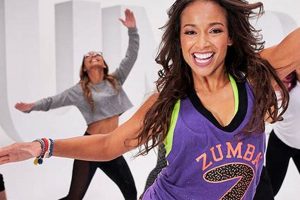
Coverage designed specifically for fitness professionals teaching a popular dance fitness program provides financial protection against potential liabilities arising from instructional activities. For example, if a participant sustains an injury during a class due to an instructor’s alleged negligence, this coverage can assist with legal defense costs and potential settlements.
The significance of such protection lies in mitigating the financial risks associated with leading exercise classes. It safeguards personal assets from claims related to bodily injury or property damage that may occur during a session. Historically, instructors were often personally liable for incidents, leading to the development of specialized insurance policies to address this vulnerability.
The following sections will delve into the types of coverage available, factors influencing premium costs, and key considerations when selecting an appropriate policy, ensuring instructors are well-informed and adequately protected.
Key Considerations for Securing Instructor Protection
This section outlines essential considerations for fitness professionals seeking adequate safeguarding against professional liabilities.
Tip 1: Understand Policy Types: Differentiate between general liability, professional liability (also known as errors and omissions), and accident medical coverage. General liability covers injuries to participants or damage to property. Professional liability protects against claims of negligence in instruction. Accident medical provides coverage for participant injuries, regardless of fault.
Tip 2: Verify Coverage Limits: Ensure the policy’s coverage limits are sufficient to address potential claims. Higher risk activities or larger class sizes may necessitate higher coverage amounts. Review the policy documents carefully to understand the maximum payout for different types of claims.
Tip 3: Review Exclusions: Scrutinize the policy for exclusions, situations or activities not covered. Common exclusions may include injuries resulting from pre-existing conditions or intentional misconduct. Understanding exclusions is crucial for identifying potential gaps in coverage.
Tip 4: Confirm Additional Insured Status: If instructing at a facility, verify that the policy allows for naming the facility as an additional insured. This protects the facility from liability arising from the instructor’s activities.
Tip 5: Assess Premium Costs: Obtain quotes from multiple insurers to compare premiums and coverage options. Premium costs can vary based on factors such as experience, location, and coverage limits. Balance cost-effectiveness with adequate protection.
Tip 6: Inquire About Continuing Education Discounts: Some insurers offer discounts for instructors who maintain current certifications or participate in continuing education. Actively pursue opportunities to reduce premium costs.
Tip 7: Document Incidents Thoroughly: Maintain detailed records of any incidents occurring during classes, including dates, times, participant information, and a description of the event. Accurate documentation is essential for processing claims and defending against potential lawsuits.
Securing appropriate protection is paramount for mitigating financial risks and ensuring long-term professional viability. Understanding policy options, limits, and exclusions is crucial for making informed decisions.
The following section will address frequently asked questions related to instructor protection, providing further clarity and guidance.
1. Policy Coverage Types

Understanding the various types of coverage available is paramount when securing protection related to fitness instruction. These distinct policy types address specific risks and liabilities inherent in leading classes.
- General Liability Insurance
This coverage protects against claims of bodily injury or property damage sustained by participants during a class. For example, if a participant slips and falls, incurring medical expenses, general liability coverage can assist with these costs and potential legal defense. This is a fundamental component as it addresses the most common risks associated with physical activity.
- Professional Liability Insurance (Errors and Omissions)
Professional liability safeguards against claims arising from alleged negligence or errors in instruction. If a participant alleges that an instructor’s improper guidance led to an injury, this coverage provides financial protection for legal defense and potential settlements. This facet is crucial for instructors who provide advice or guidance during their sessions.
- Accident Medical Coverage
Accident medical coverage provides benefits for participant injuries sustained during a class, regardless of fault. This coverage can help offset medical expenses for injured participants, fostering goodwill and mitigating potential liability claims. Its benefit is for providing immediate aid for those who have injuries during session.
- Cyber Liability Insurance
In situations where there is electronic processing of client or customer data, the cyber policy provides financial aid for costs in relation to cyber attacks and hacking of confidential data. This can cover notifying customers of data breaches, or loss of income and reputation. Cyber Liability is a facet for maintaining security for online transactions.
The selection of appropriate policy coverage types must align with the specific risks associated with a particular fitness discipline and instructional environment. Thorough consideration of potential liabilities is essential to ensure comprehensive financial protection, reinforcing the importance of informed decision-making in this context.
2. Liability Protection Scope

The liability protection scope within a policy pertaining to dance fitness instruction directly determines the extent to which an instructor is shielded from financial repercussions arising from claims of negligence or injury. A narrow scope may only cover specific types of incidents or exclude certain instructional settings, potentially leaving the instructor vulnerable. Conversely, a broad scope offers more comprehensive coverage, encompassing a wider range of potential liabilities. For example, if a policy’s scope excludes injuries sustained while using certain equipment, an instructor leading a class incorporating that equipment would be personally liable for any resulting claims. The importance of a carefully considered liability protection scope lies in its direct impact on the instructor’s financial well-being and professional security.
Understanding the implications of different liability scopes is crucial for informed decision-making. Consider a scenario where an instructor is accused of providing negligent instruction that leads to a participant’s injury. If the policy’s scope specifically includes protection against such claims of negligent instruction, the would receive assistance with legal defense costs and potential settlements. Without this specific inclusion, the instructor would bear the full financial burden of the claim. Furthermore, some policies may offer extended protection for incidents occurring outside of the traditional studio setting, such as during community events or private lessons. This added layer of coverage can be particularly valuable for instructors who frequently engage in diverse instructional activities.
In conclusion, the liability protection scope represents a fundamental component of dance fitness instruction insurance. A comprehensive understanding of its limitations and inclusions empowers instructors to select a policy that adequately addresses their specific needs and risk exposure. The breadth of the scope directly translates to the level of financial security afforded to the instructor, underscoring the need for meticulous review and careful consideration during the policy selection process.
3. Premium Cost Factors

Premium costs for dance fitness instructor insurance are influenced by a confluence of factors directly reflecting the perceived risk associated with insuring a given instructor. One primary driver is the scope of coverage selected, with policies offering broader protection against potential liabilities naturally commanding higher premiums. For example, a policy encompassing both general liability and professional liability will typically be more expensive than one limited to general liability alone, reflecting the increased risk assumed by the insurer. Furthermore, coverage limits play a significant role, as higher limits offer greater financial protection in the event of a substantial claim, thus increasing the premium. Location represents another key determinant, as instructors operating in areas with higher litigation rates may face elevated premiums to offset the increased risk of claims.
The instructor’s experience and qualifications also contribute to premium variations. Insurers often view instructors with extensive experience and recognized certifications as lower risks, potentially resulting in more favorable premiums. Conversely, newly certified instructors or those lacking substantial experience may face higher premiums due to the perceived lack of proven competence. Class size and the types of activities conducted during classes can further influence premium costs. Larger class sizes inherently increase the potential for accidents, leading to higher premiums. Similarly, classes incorporating high-impact movements or specialized equipment may be considered riskier, resulting in elevated premium charges. Prior claims history is a critical factor, with instructors having a history of claims likely facing higher premiums or even difficulty securing coverage.
In summary, premium costs for dance fitness instructor insurance are determined by a complex interplay of factors related to coverage scope, instructor qualifications, and environmental risk. A thorough understanding of these factors is essential for instructors seeking to obtain adequate protection at a reasonable cost. Evaluating individual risk profiles and comparing quotes from multiple insurers allows instructors to make informed decisions, balancing the need for comprehensive coverage with budgetary constraints. Prioritizing risk management and maintaining a safe instructional environment can also contribute to lower premiums over time, emphasizing the value of proactive safety measures.
4. Exclusionary Clauses
Exclusionary clauses within dance fitness instructor insurance policies define the boundaries of coverage, delineating specific circumstances or activities for which the insurer assumes no liability. These clauses are critical to understanding the true scope of protection afforded by a policy and can significantly impact an instructor’s financial exposure.
- Pre-Existing Conditions
Many policies exclude coverage for injuries or medical conditions that existed prior to the policy’s effective date. For instance, if a participant experiences a recurrence of a prior knee injury during a class, the resulting medical expenses may not be covered. This exclusion underscores the importance of participants informing instructors of any pre-existing conditions.
- Intentional Acts and Gross Negligence
Coverage is typically voided for incidents resulting from an instructor’s intentional misconduct or gross negligence. If an instructor deliberately disregards safety protocols, leading to participant injury, the policy will likely not provide protection. This clause serves as a deterrent against reckless behavior and reinforces the responsibility of instructors to prioritize participant safety.
- Unapproved Activities and Locations
Policies often specify the types of activities and locations covered. If an instructor leads a class involving activities not explicitly approved by the insurer or conducts a class in an unauthorized location, coverage may be denied. This exclusion highlights the need for instructors to adhere strictly to the terms and conditions of their policies.
- Failure to Maintain Certifications
Some policies require instructors to maintain valid certifications and licenses to remain eligible for coverage. If an instructor’s certification lapses, any incidents occurring during that period may not be covered. This clause emphasizes the importance of ongoing professional development and adherence to industry standards.
The ramifications of exclusionary clauses extend beyond mere denial of claims. They can expose instructors to significant financial liabilities, potentially jeopardizing their personal assets. A thorough review of these clauses is therefore essential for all dance fitness instructors seeking to secure adequate protection. Instructors should seek clarification from their insurers regarding any ambiguous language or unclear exclusions to ensure a complete understanding of the policy’s limitations.
5. Claims Process Overview

The claims process represents a critical juncture for those holding dance fitness instructor insurance, serving as the formal mechanism for seeking financial recourse following an incident potentially covered under the policy. A clear understanding of this process is essential for instructors to effectively navigate the complexities of filing a claim and maximizing the chances of a successful resolution.
- Incident Reporting and Documentation
The initial step involves promptly reporting the incident to the insurance provider, typically within a specified timeframe outlined in the policy. Accurate and comprehensive documentation is paramount, including details such as the date, time, and location of the incident; a description of the events leading to the claim; contact information for all parties involved, including witnesses; and any relevant medical records or police reports. Failure to provide complete and accurate information can delay or even invalidate the claim.
- Claim Investigation and Evaluation
Upon receiving the claim, the insurance provider initiates an investigation to assess the validity of the claim and determine the extent of coverage. This process may involve gathering additional information from the claimant, witnesses, or medical professionals. The insurer will evaluate the claim against the terms and conditions of the policy, including any applicable exclusions or limitations. A thorough investigation is essential to ensuring a fair and accurate assessment of the claim.
- Settlement Negotiation and Resolution
If the claim is deemed valid, the insurance provider will engage in settlement negotiations with the claimant to determine the appropriate amount of compensation. This process may involve presenting evidence of damages, such as medical expenses, lost wages, or property damage. The claimant may choose to accept the settlement offer or negotiate for a higher amount. If a settlement cannot be reached, the claimant may pursue legal action to resolve the dispute. Negotiation skills can be a huge boost to make the most of a potentially bad situation.
- Legal Defense and Representation
In the event of a lawsuit, the insurance policy may provide coverage for legal defense costs, including attorney fees, court costs, and expert witness fees. The insurance provider will typically assign an attorney to represent the insured instructor in the legal proceedings. The attorney will defend the instructor against the allegations and attempt to minimize any potential financial liability. Legal Defense could be the most vital piece in an instructor insurance policy.
These elements highlight the interconnectedness between a robust claims process and adequate dance fitness instructor protection. A well-defined and efficient claims process ensures that instructors can effectively leverage their policies to mitigate financial risks associated with potential liabilities, underscoring the importance of understanding and adhering to the insurer’s procedures.
6. Additional Insured Options

The “Additional Insured Options” within a Zumba instructor insurance policy extend liability coverage to parties beyond the named insured, typically the instructor. This is particularly relevant when instructors operate within facilities or studios owned by others. By adding the facility as an additional insured, the policy provides protection to the facility owner against claims arising from the instructor’s activities. For example, should a participant injure themself during a Zumba class and sue both the instructor and the facility, the policy, with the facility listed as an additional insured, could cover the facility’s legal defense costs and potential settlements, mitigating their financial risk. The absence of this option leaves the facility owner vulnerable to significant financial liabilities resulting from the instructor’s operations, regardless of the instructor’s personal coverage.
The inclusion of “Additional Insured Options” benefits both the instructor and the facility. It allows the instructor to meet contractual obligations often mandated by studios or gyms, which commonly require proof of insurance that specifically names the facility as an additional insured. This provision facilitates smoother business relationships and avoids potential conflicts arising from inadequate coverage. Furthermore, it can broaden the scope of protection available, as the facility’s interests are aligned with the instructor’s in defending against claims. Consider a scenario where an instructor’s alleged negligence leads to a substantial lawsuit. With the facility listed as an additional insured, the policy provides a unified defense strategy, ensuring that both parties are adequately represented and protected throughout the legal proceedings. This cohesive approach can result in more favorable outcomes and reduced overall legal expenses.
In conclusion, “Additional Insured Options” are a critical component of Zumba instructor insurance, serving to protect both the instructor and the entities with whom they collaborate. The strategic inclusion of facility owners or other relevant parties as additional insureds mitigates financial risks, facilitates compliance with contractual requirements, and fosters stronger business relationships. Instructors should carefully evaluate their individual circumstances and ensure that their policies adequately address the needs of all stakeholders, thereby securing comprehensive and effective liability protection. Failure to do so can expose both the instructor and the facility to unnecessary financial vulnerability.
7. Certificate Requirements

Certificate requirements function as a foundational element within dance fitness instructor insurance policies, directly influencing eligibility for coverage and impacting the insurer’s assessment of risk. Possession of valid and recognized certifications demonstrates an instructor’s competence and adherence to industry standards, mitigating the likelihood of negligence-related claims. Insurers often mandate specific certifications as a prerequisite for obtaining coverage, reflecting the belief that certified instructors are better equipped to provide safe and effective instruction. For example, a policy may stipulate that instructors must hold a current Zumba Instructor Training certificate to qualify for liability protection. Failure to meet these certificate requirements can render a policy void, leaving the instructor personally liable for any resulting claims. Therefore, compliance with certificate requirements is not merely a formality but a critical component of securing and maintaining adequate insurance coverage.
The practical significance of certificate requirements extends beyond initial policy issuance. Many policies require instructors to maintain continuous certification throughout the policy period, often necessitating ongoing professional development and recertification. This ensures that instructors remain up-to-date on the latest safety guidelines and instructional techniques, further reducing the risk of incidents. Consider a scenario where an instructor’s certification lapses due to failure to complete required continuing education units. If an incident occurs during the period of lapsed certification, the insurer may deny coverage, citing non-compliance with the policy’s certificate requirements. This highlights the ongoing responsibility of instructors to proactively manage their certifications and maintain continuous eligibility for insurance coverage. Real-world examples of denied claims due to lapsed certifications underscore the importance of meticulous attention to these details.
In conclusion, certificate requirements constitute an integral part of dance fitness instructor insurance, serving as a mechanism for risk assessment and quality assurance. While these requirements may pose challenges for instructors in terms of time and cost, they ultimately contribute to a safer instructional environment and enhance the credibility of the profession. Compliance with certificate requirements is essential for securing and maintaining adequate insurance coverage, protecting instructors from potentially devastating financial liabilities. By recognizing and adhering to these requirements, instructors can demonstrate their commitment to professionalism and risk management, fostering trust among participants and insurers alike.
Frequently Asked Questions
The following addresses common inquiries regarding insurance for fitness instructors, providing clarity on key aspects of coverage and liability.
Question 1: What specific types of liabilities does Zumba instructor insurance typically cover?
Zumba instructor insurance generally covers bodily injury to participants, property damage occurring during classes, and professional liability claims arising from alleged negligence in instruction.
Question 2: Is Zumba instructor insurance tax deductible?
In some jurisdictions, insurance premiums may be deductible as a business expense, contingent upon meeting specific requirements and regulations. Consulting a tax professional is advisable.
Question 3: What factors influence the cost of a Zumba instructor insurance policy?
Premium costs are often determined by coverage limits, the instructor’s experience, location, class size, and claims history.
Question 4: If a participant is injured during a class but does not immediately seek medical attention, am I still potentially liable?
Liability can persist even if medical attention is delayed. Documenting the incident and notifying the insurance provider promptly is crucial, regardless of the participant’s initial response.
Question 5: What are the implications of instructing at multiple locations or facilities?
The insurance policy must explicitly cover all instructional locations. Adding facilities as additional insureds may be necessary to ensure comprehensive protection.
Question 6: Are there specific exclusions common to Zumba instructor insurance policies?
Common exclusions may include injuries resulting from pre-existing conditions, intentional misconduct, or activities outside the scope of approved instructional practices.
Understanding the intricacies of Zumba instructor insurance is paramount for mitigating financial risks and ensuring professional longevity. A thorough review of policy terms and conditions is strongly recommended.
The subsequent section will delve into risk management strategies for Zumba instructors, providing practical guidance on minimizing potential liabilities.
Zumba Instructor Insurance
This exploration of Zumba instructor insurance has underscored its vital role in protecting fitness professionals from inherent liabilities. Key aspects, including policy types, coverage limits, exclusionary clauses, and the claims process, warrant careful consideration. The financial security and professional viability of an instructor are directly linked to the adequacy of their insurance coverage.
The proactive procurement of appropriate Zumba instructor insurance is not merely a compliance measure, but a fundamental responsibility. The complexities of potential legal challenges necessitate a thorough understanding of available options and informed decision-making. The future stability of a Zumba instructor’s career hinges upon mitigating risks through comprehensive insurance protection.