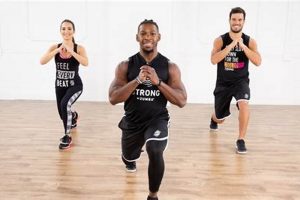
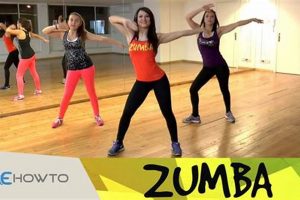
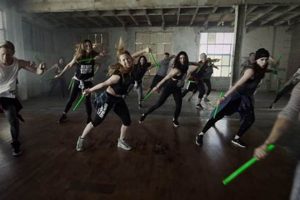
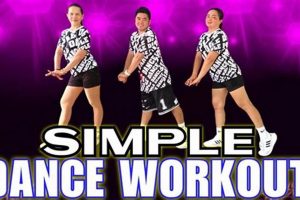
A high-intensity, accelerated form of Zumba incorporates quicker tempos and dynamic movements to elevate the cardiovascular challenge. This fitness approach blends traditional Zumba choreography with an increased emphasis on speed and repetitions, resulting in a more vigorous exercise experience. For example, a typical Zumba routine might introduce faster-paced salsa or merengue steps, coupled with amplified arm movements and energized jumps.
The significance of such an accelerated dance fitness program lies in its potential for enhanced caloric expenditure and improved cardiovascular health. The heightened intensity can lead to more effective fat burning and muscle toning, while the rhythmic nature of the dance offers a fun and engaging alternative to conventional workouts. Historically, incorporating faster rhythms into dance-based fitness has been recognized for its ability to boost endurance and improve coordination more efficiently.
The following sections will delve into the specific techniques employed in high-intensity Zumba, exploring the modifications necessary for different fitness levels and the potential advantages for those seeking a time-efficient and engaging workout routine. The content will also address safety considerations and modifications to ensure an effective and injury-free experience.
Essential Considerations for Accelerated Zumba
Optimizing a high-speed Zumba regimen requires strategic planning to maximize effectiveness and minimize potential risks. The following guidelines should be observed to ensure a safe and rewarding experience.
Tip 1: Prioritize Proper Warm-Up: A comprehensive warm-up routine, lasting at least 10 minutes, is crucial before engaging in vigorous dance movements. This prepares the muscles and joints, reducing the likelihood of strain or injury. Examples include dynamic stretching such as arm circles, leg swings, and torso twists.
Tip 2: Master Fundamental Steps: Before increasing the tempo, ensure proficiency in the basic Zumba steps. Focus on proper form and technique to avoid developing incorrect movement patterns that could lead to injury. Review instructional videos and practice each step slowly until it becomes second nature.
Tip 3: Gradual Tempo Increase: Avoid abruptly jumping into high-speed routines. Gradually increase the speed of the music and movements to allow the body to adapt. This progressive overload approach enhances endurance and prevents overexertion.
Tip 4: Incorporate Interval Training: Implement high-intensity intervals followed by periods of active recovery. This method improves cardiovascular fitness and maximizes calorie burn. For instance, alternate between one minute of fast-paced Zumba and 30 seconds of slower, less intense movements.
Tip 5: Maintain Proper Hydration: Dehydration can significantly impact performance and increase the risk of muscle cramps. Consume adequate fluids before, during, and after the workout. Water or electrolyte-rich beverages are recommended.
Tip 6: Wear Appropriate Footwear: Supportive athletic shoes with good cushioning are essential for protecting the feet and ankles. Avoid shoes with excessive grip, as they may restrict movement and increase the risk of ankle injuries.
Tip 7: Listen to the body’s signals: Pay close attention to any discomfort or pain. If experiencing any sharp pain, stop immediately and consult with a healthcare professional before resuming. Ignoring warning signs can lead to more serious injuries.
Adhering to these guidelines will optimize the benefits of a high-speed dance fitness approach, promoting cardiovascular health, muscular endurance, and overall well-being. These practices will increase energy expediture while reducing physical risks.
The subsequent sections will address methods to personalize the fast-paced Zumba workout to specific fitness objectives and explore strategies to maintain long-term engagement.
1. Intensity

Intensity, within the framework of high-speed dance fitness, constitutes a pivotal element that dictates the overall efficacy and potential impact of the exercise. It is directly related to physiological exertion, caloric expenditure, and subsequent fitness improvements; understanding its components is crucial.
- Tempo and Cadence Modulation
The rate at which movements are executed significantly impacts the intensity. A faster tempo, with a higher cadence of steps and repetitions, increases cardiovascular demand and muscular engagement. For example, transitioning from a moderate salsa rhythm to a faster merengue rhythm elevates the heart rate and oxygen consumption, thereby intensifying the workout.
- Range of Motion Amplification
Increasing the amplitude of movements, such as extending arms further or performing deeper squats, directly amplifies muscular involvement and overall energy expenditure. By exaggerating the range of motion in each step, the body expends more energy to control and execute the movement, augmenting the intensity. For instance, an ordinary side step in fast zumba would now require more power and range to execute.
- Impact and Ground Reaction Force Augmentation
Incorporating movements that involve higher impact, such as jumps or leaps, elevates the ground reaction force, placing greater demands on the musculoskeletal system. This increased impact necessitates more significant muscle activation for shock absorption and propulsion, contributing to an intensified workout. Implementing jumps within a dance fitness routine can greatly increase intensity.
- Density of Movement Sequences
Reducing rest intervals between dance sequences and maximizing the time spent actively moving increases the overall density of the workout, intensifying the physiological challenge. By minimizing downtime and stringing together complex dance combinations, the body remains in a heightened state of exertion for a more extended period. A fast zumba workout with minimal breaktime increases the exertion level of each movement.
Integrating these facets into a comprehensive dance workout regimen allows for precise control over the level of intensity. This adaptability enables customization to suit individual fitness levels and training objectives, promoting effective progress and mitigating the risk of overexertion. As such, this understanding of intensity is critical for any workout program aiming at effective fitness.
2. Choreography

Choreography, within the context of accelerated dance fitness, serves as the structural framework that determines both the physical demands and the engagement level of the activity. The selection, sequencing, and execution of dance steps significantly impact the workout’s intensity, efficacy, and overall appeal.
- Step Selection and Variety
The specific dance steps incorporated into the routine dictate the muscle groups engaged and the cardiovascular challenge presented. A wide variety of steps, drawing from different dance styles (e.g., salsa, merengue, reggaeton), prevents muscular fatigue, enhances coordination, and maintains participant interest. For instance, alternating between high-impact steps like jumps and lower-impact steps like shimmies provides a balanced workout, reducing the risk of overuse injuries.
- Sequence Complexity and Progression
The arrangement of dance steps in a sequence determines the cognitive demands and the coordination required. Starting with simpler sequences and gradually progressing to more complex combinations allows participants to master the fundamental steps before tackling more challenging routines. This progressive approach enhances confidence and reduces frustration, promoting long-term adherence.
- Tempo Synchronization and Rhythm
The alignment of dance steps with the music’s tempo and rhythm is crucial for maintaining fluidity and maximizing cardiovascular benefits. Steps must be synchronized to the beat to ensure proper execution and prevent injuries. A well-choreographed routine incorporates variations in tempo and rhythm to challenge participants and prevent monotony. For example, a routine that alternates between fast-paced and slow-paced sequences can help improve cardiovascular fitness and endurance.
- Spatial Awareness and Formations
The use of spatial arrangements and formations within the choreography adds another layer of complexity and engagement. Moving participants through different formations, such as lines, circles, or squares, enhances spatial awareness and promotes social interaction. Choreography can incorporate the use of space.
The meticulous design of choreography ensures a challenging yet accessible experience that maximizes both physical and psychological benefits. Its implementation promotes elevated cardiovascular fitness, muscular endurance, and the enhancement of overall well-being.
3. Transitions

Transitions, in the context of accelerated Zumba, represent the seamless connection between distinct dance segments or movements. These intermediary steps are crucial because they dictate the flow, rhythm, and overall effectiveness of the workout. Poorly executed transitions can disrupt the momentum, reduce intensity, and potentially increase the risk of injury. Conversely, well-executed transitions maintain a continuous cardiovascular demand, maximize calorie expenditure, and contribute to a more enjoyable workout experience. For example, a fluid transition from a high-energy salsa segment to a fast-paced merengue sequence requires precise timing and coordination. A sudden, abrupt change in tempo or movement can lead to participant disorientation and a drop in the workout’s intensity.
The importance of transitions extends beyond mere aesthetics. They serve as active recovery periods between higher-intensity bursts, allowing participants to briefly lower their exertion levels while still maintaining movement. This enables them to sustain the workout for a longer duration. Practical application involves incorporating transitional movements such as basic steps, modified versions of previous steps, or simple grapevine variations to connect more complex choreography. Additionally, vocal cues and clear demonstrations by the instructor play a vital role in guiding participants through these transitions effectively. For instance, an instructor might use verbal prompts like “prepare for the transition” or demonstrate the upcoming movement pattern ahead of time.
Effective transition integration poses challenges related to adapting choreography to varying fitness levels and maintaining consistent flow throughout the workout. The need for modifications to accommodate individual capabilities and managing class diversity while executing seamless transitions are primary considerations. Understanding and mastering these transition techniques are fundamental to delivering a safe, efficient, and engaging accelerated Zumba experience. The ability to implement smooth transitions directly impacts the workout’s intensity, participant adherence, and overall fitness outcomes.
4. Endurance

Endurance, within the scope of an accelerated Zumba regimen, is a critical determinant of sustained participation and optimal physiological adaptation. Its development ensures an individual’s capacity to maintain elevated levels of exertion throughout the workout, maximizing its effectiveness and minimizing the risk of premature fatigue or injury. Focus is essential for success and well-being during exercise.
- Cardiovascular Capacity
Cardiovascular capacity, the ability of the heart and lungs to efficiently deliver oxygen to working muscles, is paramount for sustaining the demands of a high-intensity Zumba workout. Improved cardiovascular endurance allows participants to maintain a higher heart rate for longer durations, optimizing calorie expenditure and promoting enhanced aerobic fitness. For instance, individuals with a higher VO2 max (maximal oxygen uptake) will exhibit a greater capacity to endure the demands of the accelerated dance sequences. This improvement is important in physical activities.
- Muscular Stamina
Muscular stamina, the capacity of muscles to repeatedly contract against resistance without experiencing significant fatigue, is essential for executing the repetitive movements characteristic of Zumba. Enhanced muscular endurance in lower body muscle groups, such as the quadriceps, hamstrings, and calves, allows for sustained performance of dance steps, reducing the likelihood of muscle cramps or exhaustion. An example would be a well-trained individual maintaining consistent form during multiple repetitions of a squat-based dance movement.
- Anaerobic Threshold
The anaerobic threshold, the point at which the body begins to rely more heavily on anaerobic metabolism to generate energy, influences the ability to maintain high-intensity effort. Raising the anaerobic threshold through targeted training allows individuals to sustain accelerated Zumba sequences for longer periods before experiencing lactate accumulation and muscular fatigue. As an illustration, a person with a higher anaerobic threshold could perform a high-energy salsa routine without experiencing a rapid increase in muscle burn.
- Energy Efficiency
Energy efficiency, the body’s ability to perform movements with minimal energy expenditure, contributes to enhanced endurance. Improved movement economy reduces the metabolic cost of each dance step, allowing participants to sustain a higher level of activity for a more extended duration. Skilled dancers, for example, demonstrate greater energy efficiency through refined technique and coordinated movements, enabling them to perform intricate routines with less effort.
These interwoven elements directly impact an individual’s capacity to engage fully in a fast-paced dance workout. Furthermore, understanding these components allows for the creation of training protocols tailored to enhance the parameters of endurance, fostering sustained participation and superior fitness results. Proper endurance training maximizes performance while minimizing injury risk, improving the speed and movements within high-speed Zumba fitness programs.
5. Recovery

Effective recovery strategies are integral to maximizing the benefits and minimizing the risks associated with accelerated Zumba. Given the high-intensity nature of such workouts, prioritizing recovery is essential for muscle repair, glycogen replenishment, and overall physiological restoration.
- Active Cool-Down
An active cool-down following a high-speed dance session facilitates gradual heart rate reduction and the removal of metabolic waste products from muscle tissues. This typically involves low-intensity movements mirroring those performed during the workout, such as slower dance steps or light stretching. For example, transitioning from a fast-paced salsa routine to a gentle sway with deep breathing allows the cardiovascular system to gradually return to its resting state.
- Nutritional Replenishment
Consuming a balanced meal or snack containing both carbohydrates and protein post-workout supports muscle protein synthesis and replenishes glycogen stores depleted during exercise. Carbohydrates provide the necessary glucose for energy restoration, while protein aids in repairing muscle damage. For example, a post-workout meal consisting of grilled chicken and brown rice ensures adequate nutrient intake for optimal recovery.
- Hydration Strategies
Rehydration is paramount for restoring fluid balance and preventing dehydration-related complications following intense physical activity. Electrolyte-rich beverages can assist in replacing minerals lost through sweat, supporting muscle function and nerve transmission. For instance, consuming a sports drink containing sodium, potassium, and magnesium can help replenish electrolytes lost during a fast-paced Zumba session.
- Rest and Sleep Optimization
Adequate rest and sleep are crucial for muscle repair, hormonal regulation, and overall recovery. During sleep, the body releases growth hormone, which facilitates muscle growth and repair. Aiming for 7-9 hours of quality sleep per night can significantly enhance recovery and prepare the body for subsequent high-intensity workouts. For example, establishing a consistent sleep schedule and creating a relaxing bedtime routine can promote deeper and more restorative sleep.
Implementing these facets in a comprehensive manner is paramount for those engaging in accelerated Zumba. This ensures optimal physiological adaptation, minimizes the risk of overtraining and injury, and maximizes the long-term benefits derived from this high-intensity dance fitness modality.
6. Technique

Technique, within the framework of a high-speed dance fitness routine, is not merely a matter of aesthetic precision but a cornerstone for maximizing efficacy and injury prevention. Optimal movement patterns ensure efficient energy expenditure, minimize joint stress, and enhance overall workout effectiveness.
- Postural Alignment and Core Engagement
Maintaining proper postural alignment and consistent core engagement are foundational to executing dance movements safely and effectively. Correct alignment reduces the risk of spinal strain and joint compression, while core engagement provides stability and power. For instance, during rapid lateral movements, engaging the abdominal muscles protects the lower back from excessive twisting and compression. This is critical in the context of accelerated Zumba, where speed can compromise form.
- Footwork Precision and Ground Reaction Force Management
Precise footwork is essential for absorbing and redirecting ground reaction forces generated during high-impact dance steps. Proper foot placement and weight distribution minimize stress on the ankles, knees, and hips. For example, landing softly on the balls of the feet during jumps, rather than flat-footed, reduces impact forces and mitigates the risk of stress fractures or joint pain. The increase in impact during fast zumba workout requires higher foot work management.
- Joint Articulation and Range of Motion Control
Controlled joint articulation throughout the full range of motion enhances flexibility, prevents stiffness, and promotes efficient movement patterns. Warming up muscles increase joint articulation. Proper range of motion increases speed and technique. For example, fully extending the arms during dance steps increases shoulder mobility and prevents muscle imbalances. This is particularly important in accelerated Zumba, where rapid movements can strain unprepared joints.
- Rhythmic Accuracy and Timing Synchronization
Synchronizing movements with the music’s rhythm and timing improves coordination, enhances cardiovascular benefits, and promotes a sense of flow. Accurate rhythmic execution ensures that movements are performed at the optimal speed and intensity. For instance, precisely aligning each step with the beat of the music maximizes calorie expenditure and maintains a steady heart rate. Fast Zumba Dance workout requires a higher level of timing synchronization.
Implementing these techniques is not only for performance improvement, but injury prevention to maintain a fitness schedule over time. Attention to form, power, and cardio improvements are all critical aspects of high-intensity dance workout for continued participation. These techniques can create a sustainable fitness and high participation levels.
Frequently Asked Questions Regarding Accelerated Zumba
This section addresses common inquiries and clarifies potential misconceptions concerning the practice of high-speed dance fitness routines. The information provided aims to offer a comprehensive understanding of its benefits, risks, and proper implementation.
Question 1: Is a high-intensity dance fitness program appropriate for individuals with pre-existing joint conditions?
Engaging in high-impact activities may exacerbate certain joint conditions. Consultation with a healthcare professional is recommended to assess individual suitability and to determine necessary modifications or alternative exercise options.
Question 2: How does “fast zumba dance workout” differ from traditional Zumba classes?
This fitness approach is defined by its elevated tempo and emphasis on rapid movement sequences, resulting in a heightened cardiovascular challenge compared to standard Zumba sessions. It’s more demanding on energy expenditure due to the speed of dance.
Question 3: Can a high-speed Zumba session effectively contribute to weight loss?
When combined with a balanced diet, a “fast zumba dance workout” can contribute to a caloric deficit, thereby promoting weight loss. The elevated intensity facilitates increased energy expenditure during and after the workout.
Question 4: What precautions should be taken to prevent injuries during high-speed Zumba?
Prioritizing proper warm-up routines, maintaining correct form, utilizing appropriate footwear, and gradually increasing intensity are critical precautions for minimizing injury risk. Listening to the body’s signals is crucial.
Question 5: How frequently should one engage in such a program to observe tangible results?
Engaging in 2-3 sessions per week, coupled with consistent adherence to proper technique and recovery strategies, is generally sufficient to observe measurable improvements in cardiovascular fitness and body composition. Consistency is key for noticeable physical changes.
Question 6: Is prior dance experience a prerequisite for participating in fast Zumba sessions?
While prior dance experience can be beneficial, it is not necessarily a prerequisite. Classes often cater to various skill levels, with instructors providing modifications and guidance to accommodate beginners. The basic steps are the core to build into advanced movements.
The information presented in this FAQ section underscores the importance of informed decision-making and responsible participation in fast-paced dance fitness programs. Awareness of its benefits and risks enables responsible training.
The subsequent section will provide guidance on customizing routines to specific fitness goals and considerations for maintaining long-term engagement with this fitness modality.
Concluding Thoughts on High-Intensity Zumba
This exploration has underscored the multifaceted nature of fast zumba dance workout routines. Attention to intensity modulation, choreographed sequences, and transitional movements are essential for maximizing the physical benefits and mitigating potential risks. Furthermore, prioritizing endurance training, strategic recovery protocols, and precise technique application are fundamental to ensuring sustained engagement and preventing injury.
The adoption of a high-speed dance fitness program necessitates a thoughtful and informed approach. While offering potential advantages in terms of cardiovascular improvement and caloric expenditure, individuals should carefully consider their personal fitness levels, potential contraindications, and the importance of expert guidance. Whether pursuing weight management, cardiovascular fitness, or improved coordination, participants should always prioritize safety and sustainability in their pursuit of health and wellness.