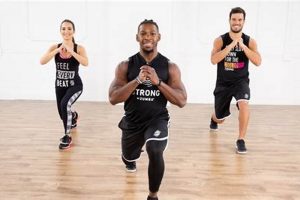
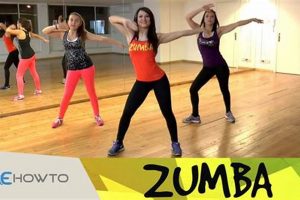
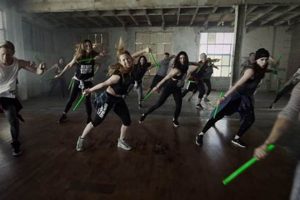
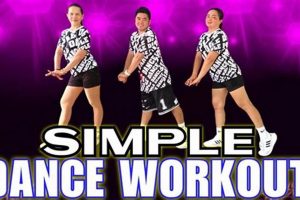
This popular physical activity blends Latin-inspired dance moves with aerobic exercise. It incorporates various rhythms and choreography to provide a full-body workout, often performed in a group setting led by a certified instructor. The objective is to elevate the heart rate and improve cardiovascular health through an engaging and dynamic routine.
Participation offers numerous physiological and psychological advantages. Regular engagement can enhance cardiovascular endurance, burn calories for weight management, and improve muscle tone. Furthermore, the social environment and energetic music contribute to stress reduction and mood elevation. The activity’s origins can be traced to the mid-1990s, evolving from a spontaneous improvisation into a globally recognized fitness phenomenon.
The subsequent sections will delve into the specific components, techniques, and considerations for maximizing the effectiveness of this exercise modality, including variations for different fitness levels and strategies for injury prevention.
Optimizing Results
Maximizing the benefits requires strategic implementation and diligent practice. Adherence to fundamental principles can enhance effectiveness and minimize potential risks.
Tip 1: Prioritize Proper Form. Maintaining correct posture and executing movements accurately is paramount. Focus on engaging core muscles and controlling each step to prevent strain and optimize muscle activation.
Tip 2: Gradually Increase Intensity. Avoid overexertion by progressively increasing the duration and complexity of the routines. Start with beginner-level classes and gradually advance as fitness levels improve.
Tip 3: Stay Hydrated. Adequate fluid intake is crucial for maintaining optimal performance and preventing dehydration. Consume water before, during, and after each session.
Tip 4: Wear Appropriate Footwear. Supportive athletic shoes designed for lateral movement are essential. These provide cushioning and stability, reducing the risk of ankle and knee injuries.
Tip 5: Listen to the Body. Pay attention to physical signals and modify or cease activity if pain or discomfort arises. Pushing through pain can lead to injury and hinder progress.
Tip 6: Incorporate Variety. While consistency is important, integrating different styles can prevent plateaus and engage different muscle groups. Explore various instructors and class formats.
Tip 7: Focus on Breathing. Coordinating breathing with movements can enhance endurance and promote relaxation. Inhale deeply through the nose and exhale fully through the mouth.
Tip 8: Ensure Adequate Warm-Up and Cool-Down. A proper warm-up prepares the muscles for activity, while a cool-down facilitates recovery and reduces muscle soreness. Spend at least 5-10 minutes on each.
By integrating these strategies, individuals can experience greater improvements in cardiovascular health, strength, and overall well-being. Diligence and awareness are key to unlocking the full potential of this exercise.
The subsequent section will explore common misconceptions and address frequently asked questions, providing further clarity and ensuring informed participation.
1. Rhythm

Rhythm serves as the foundational element, dictating the structure and flow of movements. Its precise application is critical for achieving the intended physiological benefits and maintaining participant engagement.
- Tempo Regulation
Tempo, measured in beats per minute (BPM), determines the speed of the music and, consequently, the speed of the physical actions. Lower tempos facilitate controlled movements and muscular endurance, while higher tempos elevate heart rate and promote cardiovascular conditioning. Accurate tempo regulation is crucial for aligning exertion with fitness goals.
- Musical Genre Influence
The selection of musical genres directly impacts rhythmic patterns. Latin rhythms, characterized by syncopation and distinct percussive elements, are commonly employed to elicit specific movement patterns. The chosen genre influences the energy level and stylistic expression of the activity.
- Movement Synchronization
Effective synchronization between movements and rhythmic cues is essential for maximizing coordination and minimizing the risk of injury. Participants must accurately interpret and respond to rhythmic signals to maintain proper form and prevent deviations that could compromise safety.
- Motivational Impact
Rhythm is a key motivator. Engaging rhythmic patterns can enhance enjoyment and adherence. The presence of compelling rhythms can mask the perception of exertion, facilitating sustained participation and improved fitness outcomes.
The interplay of tempo, genre, synchronization, and motivational impact underscores the importance of rhythmic precision. These rhythmic elements are crucial for optimizing both the physical and psychological effects of exercise participation.
2. Intensity

Intensity, within the context of this fitness modality, directly correlates with the physiological demands placed upon the body during the session. It is a primary determinant of caloric expenditure, cardiovascular improvement, and overall fitness gains. Increased intensity elicits a heightened heart rate, greater oxygen consumption, and accelerated metabolic processes. For example, incorporating higher-impact movements and faster tempos elevates the exercise intensity, pushing participants closer to their anaerobic threshold and promoting enhanced cardiovascular conditioning. Lower intensity routines, conversely, emphasize muscular endurance and controlled movements. Calorie expenditure is one way to measure the intensity of this kind of exercise, providing insights into its effectiveness in weight management.
Variations in intensity levels are implemented to accommodate individuals of varying fitness capacities and to prevent plateaus in training. Instructors often incorporate modifications to movements to allow participants to adjust the exertion level according to their capabilities. For instance, a jumping jack can be modified to a low-impact step-out, reducing the strain on joints while still maintaining cardiovascular stimulation. Moreover, interval training principles can be applied within a class structure, alternating between high-intensity bursts and periods of active recovery to maximize fat burning and improve endurance. Practical significance arises in the ability to personalize the training experience, aligning intensity with individual needs and objectives.
The careful manipulation of intensity is a key element in designing effective programs. Overexertion can lead to injuries and burnout, while insufficient intensity yields minimal physiological adaptation. Monitoring heart rate, perceived exertion, and adherence to proper form are crucial for optimizing intensity and ensuring safe, sustainable progress. The successful implementation of intensity adjustments supports long-term engagement and achievement of fitness goals.
3. Choreography

Choreography forms a cornerstone of its structure, dictating the specific movements, their sequence, and the overall flow of the workout. The effectiveness of this exercise modality hinges on the strategic design and execution of the choreographed routines.
- Step Pattern Complexity
The intricacy of the step patterns directly influences the cognitive engagement and physical challenge of the workout. Simple, repetitive steps promote ease of learning and sustained participation, particularly for beginners. Complex sequences, involving rapid transitions and varied movements, demand greater focus and coordination, appealing to more experienced participants. The judicious blend of simple and complex patterns maintains participant interest and accommodates diverse skill levels.
- Musical Synchronization
Precisely aligning movements with the musical rhythm amplifies the immersive experience and enhances the aerobic benefits. The choreography is designed to synchronize with specific beats and accents in the music, dictating the timing and intensity of each step. This synchronization fosters a sense of flow and momentum, encouraging sustained effort and maximizing cardiovascular stimulation.
- Cultural Representation
Choreography often incorporates elements of Latin and international dance styles, enriching the workout with cultural diversity and providing a dynamic range of movements. The inclusion of traditional steps from various cultures adds authenticity and fosters appreciation for global dance forms, broadening the appeal and inclusivity of the activity.
- Progressive Sequencing
Effective choreography employs a progressive structure, gradually increasing the intensity and complexity of movements throughout the session. This progressive sequencing prepares the body for peak exertion and ensures a safe and effective workout. The gradual increase in intensity helps prevent injury and promotes sustainable progress, allowing participants to build endurance and improve their fitness levels over time.
The interplay of step pattern complexity, musical synchronization, cultural representation, and progressive sequencing within the choreography underpins its appeal and efficacy. The strategic design of these elements ensures a balanced and engaging workout that caters to diverse fitness levels and promotes holistic well-being, making it an attractive and sustainable fitness option.
4. Endurance

Endurance, specifically cardiovascular endurance, represents a critical outcome of consistent participation in Zumba Fitness cardio workouts. It reflects the body’s capacity to sustain prolonged physical exertion without experiencing undue fatigue, and it is fundamentally linked to the effectiveness of this activity.
- Cardiovascular Adaptation
Regular engagement prompts physiological adaptations within the cardiovascular system. The heart muscle strengthens, leading to increased stroke volume (the amount of blood pumped with each heartbeat). Capillary density in muscles increases, enhancing oxygen delivery to working tissues. These adaptations collectively improve the body’s ability to supply oxygen and nutrients during sustained activity, thereby enhancing endurance. An individual’s ability to complete an entire class without significant breathlessness or fatigue is a testament to improved cardiovascular adaptation.
- Muscular Stamina
Sustained activity also cultivates muscular stamina, or the ability of muscles to perform repeated contractions over an extended period. Repetitive dance movements engage various muscle groups, particularly in the legs and core. This repeated activation enhances muscular endurance, allowing individuals to maintain proper form and intensity throughout the class. An example includes the ability to perform multiple repetitions of steps like salsa combinations without significant muscle fatigue.
- Improved Oxygen Utilization
Consistent participation enhances the body’s efficiency in utilizing oxygen. This is reflected in an improved VO2 max, the maximum rate of oxygen consumption during exercise. As oxygen utilization improves, individuals experience less fatigue at a given workload. During a routine, an increase in oxygen uptake happens, thus makes more endurance.
- Enhanced Energy Metabolism
Endurance training also influences energy metabolism. The body becomes more efficient at utilizing fat as an energy source, sparing glycogen stores and prolonging the time to exhaustion. This metabolic adaptation contributes to improved endurance and can be observed in the extended ability to perform high-intensity intervals within a class without rapidly depleting energy reserves.
The interconnectedness of cardiovascular adaptation, muscular stamina, improved oxygen utilization, and enhanced energy metabolism underscores the profound impact of on endurance. Regular participation fosters significant improvements in these physiological parameters, ultimately enhancing the ability to sustain effort and derive maximum benefits from this dynamic form of exercise.
5. Coordination

Coordination is an indispensable element of Zumba Fitness cardio workouts, directly influencing efficacy and safety. The activity demands simultaneous engagement of multiple muscle groups and cognitive functions to execute dance steps synchronized with music. Improved coordination enhances motor skills, spatial awareness, and reaction time, each of which are necessary for efficient and controlled movements.
The choreography frequently involves complex sequences combining steps from various dance styles. Success in Zumba Fitness relies on the ability to integrate arm movements with footwork, shifting body weight accurately, and maintaining postural stability. Deficient coordination increases the risk of missteps, imbalance, and potential injuries. For example, performing a salsa turn while maintaining rhythm requires precise coordination between visual cues, balance, and limb movements. Individuals who develop this skill find themselves less prone to errors and more capable of executing complex routines with grace and precision. This translates not only to a safer workout experience but also to enhanced enjoyment and greater confidence in performing physical activities outside the fitness environment.
Ultimately, understanding and enhancing coordination within Zumba Fitness provides both immediate benefits during the workout itself and long-term advantages in overall motor control and body awareness. It promotes physical well-being, minimizes injury risks, and broadens the individual’s capacity to engage in a wider range of physical endeavors with greater proficiency. These benefits reinforces this exercises as a valuable method for improving physical health.
6. Calorie Expenditure

Calorie expenditure is a direct and quantifiable outcome associated with participation in Zumba Fitness cardio workouts. This form of physical activity combines aerobic exercise with dance movements, leading to an elevation in metabolic rate and a corresponding increase in the number of calories burned. The magnitude of calorie expenditure during a session is influenced by several factors, including the intensity of the workout, the duration of the session, and the individual’s body weight and metabolic rate. For example, a person weighing 150 pounds might expend approximately 300-500 calories during a typical 60-minute session. Understanding this relationship is crucial for individuals seeking to manage their weight or improve their overall fitness through this exercise modality.
The practical significance of calorie expenditure extends beyond simple weight management. Increased calorie burning contributes to improved cardiovascular health, enhanced insulin sensitivity, and reduced risk of chronic diseases such as type 2 diabetes. Moreover, the engaging nature of Zumba Fitness, which combines music and dance, promotes adherence to exercise regimens, making it a more sustainable approach to achieving fitness goals compared to less enjoyable forms of exercise. Participants can track their approximate calorie expenditure using fitness trackers or heart rate monitors to gain insights into the effectiveness of their workouts and adjust intensity levels accordingly. Awareness of the association between these workouts and calorie expenditure fosters informed decision-making and promotes more effective strategies for reaching individual fitness objectives.
In summary, calorie expenditure is an integral component of Zumba Fitness cardio workouts, directly contributing to weight management, improved metabolic health, and enhanced adherence to physical activity. While the precise number of calories burned varies depending on individual and workout-related factors, the understanding of this relationship empowers participants to make informed choices, optimize their exercise regimens, and achieve their desired fitness outcomes.
Frequently Asked Questions About Zumba Fitness Cardio Workout
This section addresses common inquiries regarding the Zumba Fitness cardio workout, providing factual information to enhance understanding and promote informed participation.
Question 1: Is this activity suitable for individuals with limited dance experience?
Yes, participation does not require prior dance training. The routines are designed to be adaptable to various skill levels, with instructors providing modifications for beginners. Emphasis is placed on fun and movement rather than technical dance proficiency.
Question 2: What are the primary cardiovascular benefits?
Regular engagement improves cardiovascular endurance, strengthens the heart muscle, and enhances circulation. The elevated heart rate sustained throughout the workout contributes to reduced risk of heart disease, lower blood pressure, and improved cholesterol levels.
Question 3: How many calories can one expect to burn during a typical session?
Calorie expenditure varies based on individual factors such as weight, metabolism, and intensity level. However, a typical 60-minute session can result in burning between 300 and 700 calories.
Question 4: Are there any common injuries associated with Zumba Fitness?
While generally safe, potential injuries include ankle sprains, knee pain, and muscle strains. Adhering to proper form, wearing supportive footwear, and listening to the body’s signals can minimize these risks.
Question 5: How frequently should one participate to see results?
For optimal results, aim for at least three sessions per week. Consistency is key to improving cardiovascular fitness, building endurance, and achieving weight management goals.
Question 6: Can Zumba Fitness be modified for individuals with physical limitations?
Yes, many instructors offer low-impact modifications and chair-based versions to accommodate individuals with mobility issues or other physical limitations. It is advisable to consult with a healthcare provider before beginning any new exercise program.
These frequently asked questions provide a concise overview of key considerations related to the Zumba Fitness cardio workout. Further research and consultation with fitness professionals can provide additional insights and personalized guidance.
The following section will explore strategies for maximizing the effectiveness of participation, focusing on techniques and training approaches.
Conclusion
This examination of “zumba fitness cardio workout” has elucidated its multifaceted nature, underscoring the interplay of rhythm, intensity, choreography, endurance, coordination, and calorie expenditure. These elements combine to create a comprehensive fitness modality with the potential to yield significant cardiovascular benefits, enhance physical coordination, and contribute to effective weight management. The activity’s adaptability, as evidenced by its modifications for diverse fitness levels and physical limitations, further expands its accessibility and appeal.
Ultimately, consistent and informed engagement with “zumba fitness cardio workout” can serve as a valuable tool in the pursuit of improved health and well-being. Individuals are encouraged to explore its potential while adhering to established safety guidelines and seeking guidance from qualified fitness professionals to optimize results and mitigate potential risks. The activity’s future likely holds further integration with technology and personalized fitness approaches, promising continued evolution and refinement.