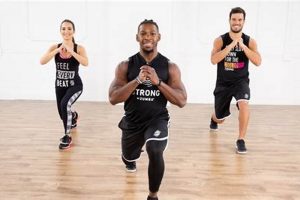
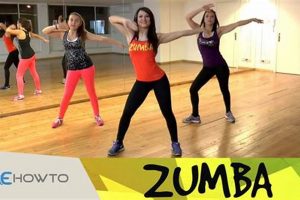
This exercise approach combines the high-intensity bursts of activity characteristic of interval training with the rhythm and dance movements found in a popular fitness program. It’s a fusion of cardiovascular exercise and energetic dance, intending to deliver a full-body workout that improves both aerobic and anaerobic fitness. Imagine short periods of vigorous dance followed by brief recovery periods, repeating this cycle for a set duration.
Integrating these two different approaches can result in significant improvements to cardiovascular health, muscular endurance, and overall calorie expenditure. The format provides an engaging alternative to traditional high-intensity routines, potentially improving adherence due to the enjoyable nature of the dance component. Furthermore, it presents a modification of established aerobic programs, offering new challenges and preventing fitness plateaus. The history of this fitness style is tied to the increased demand for exciting and efficient exercise formats.
The subsequent sections will delve into the specific components of this blended exercise approach, discuss practical considerations for its implementation, and review research related to its effectiveness in improving fitness outcomes. This encompasses an examination of safety protocols, modifications for various fitness levels, and comparative analyses with other workout regimens.
Guidance for Optimal Results
This section outlines key recommendations to maximize the benefits and minimize potential risks associated with this specific fitness modality. Adherence to these suggestions can contribute to a safer and more effective training experience.
Tip 1: Pre-Exercise Assessment: A thorough evaluation of physical capabilities and limitations is imperative prior to commencement. Consultation with a healthcare professional or certified fitness expert is advisable, particularly for individuals with pre-existing medical conditions.
Tip 2: Proper Warm-Up Protocol: Implement a dynamic warm-up sequence prior to each session. This should include movements designed to increase body temperature, enhance joint mobility, and prepare the musculoskeletal system for the demands of the workout.
Tip 3: Hydration Management: Adequate fluid intake is crucial to maintain optimal performance and prevent dehydration. Consume water before, during, and after each session, adjusting intake based on environmental conditions and individual sweat rate.
Tip 4: Intensity Modulation: Carefully regulate the intensity of exercise intervals to align with individual fitness levels and training goals. Consider utilizing heart rate monitoring or perceived exertion scales to guide intensity adjustments.
Tip 5: Appropriate Footwear Selection: Utilize supportive athletic shoes designed for high-impact activity. Proper footwear can minimize the risk of lower extremity injuries, such as ankle sprains and shin splints.
Tip 6: Controlled Cool-Down Period: Incorporate a static stretching routine at the conclusion of each session. This facilitates muscle recovery, reduces muscle soreness, and promotes flexibility.
Tip 7: Gradual Progression: Increase the duration or intensity of the exercise incrementally over time. Avoid abrupt changes in training volume to mitigate the risk of overuse injuries.
By integrating these recommendations, individuals can enhance the safety and efficacy of this workout regimen, thereby maximizing the potential for improved cardiovascular health, muscular endurance, and overall fitness.
The subsequent section of this article will delve into strategies for adapting this fitness approach to accommodate diverse fitness levels and specific training objectives.
1. Cardiovascular Efficiency

Cardiovascular efficiency, defined as the circulatory system’s capacity to deliver oxygen and nutrients to working muscles, is a primary beneficiary of structured physical activity. Specifically, integrating high-intensity interval training with rhythmical dance movements yields notable improvements in this physiological domain.
- Increased Stroke Volume
Consistent performance of this fitness methodology can lead to an augmentation in stroke volume, which is the amount of blood ejected by the left ventricle with each contraction. An enhanced stroke volume translates to a more efficient cardiac output, reducing the heart’s workload at rest and during submaximal exertion. For example, an individual with a higher stroke volume may experience a lower heart rate during daily activities, indicating improved cardiovascular function.
- Enhanced VO2 Max
VO2 max, the maximum rate of oxygen consumption during intense exercise, is a key indicator of aerobic fitness. The intermittent high-intensity bouts characteristic of this workout type challenge the body’s oxygen uptake and utilization mechanisms, leading to an increased VO2 max over time. This improvement allows individuals to sustain higher levels of physical activity for longer durations with less perceived effort.
- Improved Capillary Density
Regular participation can stimulate angiogenesis, the formation of new capillaries, within skeletal muscles. This increased capillary density facilitates greater oxygen and nutrient delivery to muscle fibers, thereby enhancing their capacity for aerobic metabolism and reducing fatigue. This is crucial for sustaining the demands of both the high-intensity intervals and the continuous dance segments.
- Reduced Resting Heart Rate
As the cardiovascular system adapts to the demands of repetitive training, a reduction in resting heart rate is often observed. This is indicative of improved cardiac efficiency and a reduced sympathetic nervous system tone. A lower resting heart rate suggests that the heart is functioning more effectively and is less stressed under normal conditions.
In synthesis, these physiological adaptations directly contribute to heightened cardiovascular efficiency, which not only improves athletic performance but also reduces the risk of cardiovascular disease. The specific combination of high-intensity bursts and dance-based movements provides a unique stimulus for these adaptations, potentially making it a valuable component of a comprehensive fitness program. The observed improvements in cardiovascular function are a direct consequence of the systematic application of these principles.
2. Muscular Endurance

Muscular endurance, the capacity of a muscle or group of muscles to sustain repeated contractions against resistance over an extended period, is a significant outcome of consistent physical activity. The integration of high-intensity interval training principles with dance-based movements directly influences the development of muscular endurance, impacting overall physical performance and fatigue resistance.
- Enhanced Mitochondrial Function
Repeated bouts of activity stimulate mitochondrial biogenesis within muscle cells. This process increases the number and efficiency of mitochondria, the cellular powerhouses responsible for energy production. Improved mitochondrial function allows muscles to generate ATP (adenosine triphosphate), the primary energy currency of the cell, more effectively and sustain activity for longer durations. For example, a dancer experiencing less fatigue during a routine demonstrates enhanced mitochondrial function.
- Increased Capillary Density
As noted previously in the context of cardiovascular efficiency, regular exercise promotes angiogenesis within skeletal muscles. This increased capillary density ensures a greater supply of oxygen and nutrients to muscle fibers, enabling them to sustain contractile activity for longer periods. This is particularly beneficial during extended dance sequences and repeated high-intensity intervals, where muscles require a constant supply of energy to maintain performance.
- Improved Lactate Threshold
Lactate threshold represents the point at which lactate production exceeds the body’s ability to clear it, leading to muscle fatigue and reduced performance. Consistent training can improve the lactate threshold by enhancing the body’s ability to buffer and clear lactate. This allows individuals to sustain higher levels of activity before experiencing the onset of fatigue. Dancers who can maintain their performance intensity for longer durations likely possess a higher lactate threshold.
- Increased Resistance to Fatigue
The combination of improved mitochondrial function, increased capillary density, and an enhanced lactate threshold collectively contributes to greater resistance to fatigue. Muscles become more efficient at utilizing energy, delivering oxygen, and clearing waste products, thereby reducing the rate of fatigue development. This is crucial for maintaining performance throughout the varying intensity levels incorporated in this fitness approach.
Collectively, these physiological adaptations directly contribute to improved muscular endurance. The structured application of high-intensity intervals coupled with the repetitive movements of dance effectively challenges the muscular system, resulting in enhanced endurance capabilities and improved overall physical function. The observed enhancements are a result of the synergistic effect of these principles applied within the training framework.
3. Caloric Expenditure

Caloric expenditure, the total energy expended by the body over a specific period, is a primary consideration in weight management and overall metabolic health. Within the context of this workout method, caloric expenditure becomes a significant factor in achieving fitness goals due to the combined effects of high-intensity intervals and dance-based movements.
- Elevated Metabolic Rate
High-intensity interval training (HIIT) has been shown to elevate the metabolic rate not only during the exercise session but also for an extended period afterward, a phenomenon known as the “afterburn effect” or Excess Post-exercise Oxygen Consumption (EPOC). The body requires additional energy to recover from the intense activity, leading to a sustained increase in caloric expenditure. For instance, an individual may burn calories at a higher rate for several hours following a session as the body replenishes energy stores and repairs muscle tissue.
- Increased Muscle Activation
The dance components of this approach involve a wide range of movements that engage multiple muscle groups simultaneously. This increased muscle activation contributes significantly to overall caloric expenditure. Compound movements such as squats, lunges, and twists require more energy to perform compared to isolated exercises, thereby increasing the metabolic demand. The combination of dynamic dance steps with resistance from body weight enhances the caloric output during each session.
- Enhanced Fat Oxidation
The combination of high-intensity intervals and aerobic dance movements can promote fat oxidation, the process by which the body uses fat as its primary fuel source. HIIT increases the activity of enzymes involved in fat metabolism, while the dance portion provides a sustained aerobic stimulus that further enhances fat burning. Engaging in regular sessions can help the body become more efficient at utilizing fat for energy, leading to a reduction in body fat percentage.
- Improved Insulin Sensitivity
Regular physical activity can improve insulin sensitivity, the body’s ability to use insulin effectively to transport glucose from the bloodstream into cells for energy. Improved insulin sensitivity can help regulate blood sugar levels, prevent insulin resistance, and promote overall metabolic health. Consequently, the body is better able to utilize glucose for energy during and after exercise, further contributing to increased caloric expenditure and improved body composition.
These facets collectively underscore the role of this workout method in promoting substantial caloric expenditure. The integration of high-intensity intervals and dance movements creates a synergistic effect, leading to elevated metabolic rates, increased muscle activation, enhanced fat oxidation, and improved insulin sensitivity. Consequently, this method offers an effective approach for achieving weight management goals, improving body composition, and enhancing overall metabolic health. For instance, compared to steady-state aerobic exercise, this approach can potentially result in greater caloric expenditure and improved fitness outcomes.
4. Coordination Enhancement

Coordination, defined as the efficient and harmonious interaction of multiple muscle groups to execute complex movements, is significantly influenced by specific exercise modalities. The integration of high-intensity interval training with dance elements directly challenges and refines coordination abilities, yielding improvements in motor skills and overall physical proficiency.
- Enhanced Proprioception
Proprioception, the body’s awareness of its position and movement in space, is a key element in coordination. The varied and often rapid movements within this workout modality stimulate proprioceptive receptors in muscles and joints, enhancing the individual’s ability to sense and control their body’s position. For example, maintaining balance during a quick directional change in a dance sequence requires heightened proprioceptive awareness.
- Improved Motor Planning
Motor planning involves the brain’s ability to sequence and execute complex movement patterns. This workout necessitates the rapid learning and execution of choreographed dance steps, which challenges the motor planning centers of the brain. The constant need to anticipate and react to changes in tempo and movement patterns enhances the efficiency of motor planning processes. Successfully performing a complex dance combination demonstrates improved motor planning capabilities.
- Increased Neural Efficiency
Repeated practice of coordinated movements can lead to increased neural efficiency, which refers to the reduction in neural activity required to perform a given task. As the nervous system becomes more adept at coordinating muscle activation, the brain requires less effort to execute the movement, resulting in smoother and more efficient performance. This adaptation allows individuals to perform complex dance routines with greater ease and precision.
- Enhanced Intermuscular Coordination
Intermuscular coordination refers to the ability of different muscle groups to work together synergistically to produce fluid and controlled movements. This workout requires the coordinated activation of muscles throughout the body, from the legs and core to the arms and shoulders. The constant demand for precise timing and sequencing of muscle contractions enhances intermuscular coordination, leading to improved overall movement efficiency. Executing a coordinated jump and turn demonstrates enhanced intermuscular coordination.
In summary, the varied movement patterns and high-intensity intervals inherent in this fitness regimen offer a potent stimulus for improving coordination abilities. By challenging proprioception, motor planning, neural efficiency, and intermuscular coordination, this workout approach promotes significant gains in motor skill proficiency and overall physical competence.
5. Adherence Potential

Sustained participation in any fitness regimen is contingent upon its capacity to engage and motivate individuals over extended periods. Adherence potential, therefore, is a critical factor in evaluating the long-term effectiveness of a specific exercise approach. This analysis examines key facets influencing the ability of individuals to consistently engage with this type of workout, thus realizing its potential benefits.
- Novelty and Enjoyment
The fusion of high-intensity intervals with dance provides a departure from conventional exercise routines. The incorporation of music and choreographed movements can enhance the enjoyment factor, reducing the likelihood of boredom. This novelty can serve as a strong initial motivator, encouraging individuals to explore and maintain their participation in the program. An individual who finds traditional exercise monotonous may find consistent engagement due to its dynamic and entertaining nature.
- Social Interaction
Group fitness settings, commonly associated with dance-based workouts, provide opportunities for social interaction and support. The camaraderie fostered within a class can enhance motivation and accountability, increasing the likelihood of sustained participation. Individuals may be more inclined to attend classes regularly if they feel connected to a supportive community. This social aspect can transform exercise from a solitary task into a shared experience, thus promoting adherence.
- Perceived Self-Efficacy
Mastering dance steps and completing high-intensity intervals can foster a sense of accomplishment and boost self-confidence. As individuals witness their progress and improve their physical abilities, their belief in their capacity to succeed (self-efficacy) strengthens. This increased self-efficacy can motivate individuals to continue pursuing their fitness goals. The ability to successfully execute challenging dance sequences can be a significant source of positive reinforcement.
- Adaptability and Modification
The ability to modify exercises to accommodate varying fitness levels and physical limitations is crucial for promoting inclusivity and long-term adherence. Modifications ensure that individuals of all abilities can participate safely and effectively, preventing discouragement and potential injuries. Providing options for low-impact variations or reduced intensity levels allows individuals to progress gradually and maintain their engagement. The availability of modifications enables participants to remain active and engaged even when faced with temporary setbacks or physical limitations.
The facets outlined above underscore the importance of considering psychological and social factors when evaluating the potential of this fitness regimen to foster long-term adherence. A workout that is enjoyable, socially engaging, confidence-boosting, and adaptable is more likely to become an integral part of an individual’s lifestyle, resulting in sustained health benefits and improved overall well-being. The capacity to maintain engagement is as crucial to the regimens success as the physical demands it presents.
Frequently Asked Questions
This section addresses prevalent inquiries regarding the combination of high-intensity interval training with dance.
Question 1: Is prior dance experience required to participate?
No, prior dance experience is not a prerequisite. Adaptations are typically available to accommodate varying levels of coordination and fitness.
Question 2: What are the primary safety considerations?
Adequate warm-up, proper hydration, appropriate footwear, and awareness of individual limitations are crucial for mitigating potential injury risks.
Question 3: How does this type of exercise compare to traditional cardio?
It may offer a more engaging alternative to traditional cardio, potentially improving adherence rates. It also elicits a greater post-exercise oxygen consumption (EPOC) effect compared to steady-state cardio.
Question 4: Can this approach be modified for individuals with physical limitations?
Yes, modifications are readily adaptable. Lower-impact alternatives, reduced intensity levels, and shorter interval durations can be implemented to accommodate various physical limitations.
Question 5: What are the expected fitness outcomes?
Expected outcomes include improvements in cardiovascular fitness, muscular endurance, coordination, and caloric expenditure, contingent upon consistent participation.
Question 6: How frequently should one engage in this activity to observe tangible results?
A minimum of three sessions per week, with appropriate rest intervals, is generally recommended to facilitate noticeable improvements in fitness parameters.
These responses offer preliminary guidance. Consultation with a qualified healthcare professional or certified fitness instructor is advised prior to initiating any new exercise regimen.
The subsequent segment will explore long-term considerations for maximizing the efficacy of this exercise strategy and preventing plateaus.
Conclusion
“hiit zumba workout” represents a fusion of disparate exercise methodologies, potentially offering a multifaceted approach to fitness enhancement. As discussed, it leverages the benefits of high-intensity interval training and the engagement fostered by dance-based movements. Its impact extends to cardiovascular efficiency, muscular endurance, caloric expenditure, coordination, and adherence potential. The adaptability of this fitness method enables modification to align with individual fitness levels and health considerations.
Its efficacy remains contingent upon consistent application and adherence to safety guidelines. Individuals should carefully evaluate their capabilities and seek professional guidance prior to incorporating “hiit zumba workout” into their fitness regimen. Future research should focus on longitudinal studies to ascertain the long-term effects and potential risks associated with this combined exercise modality.