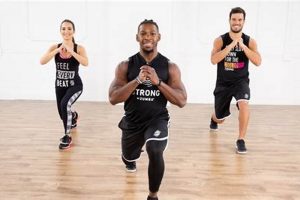
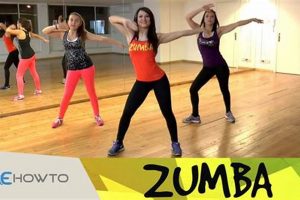
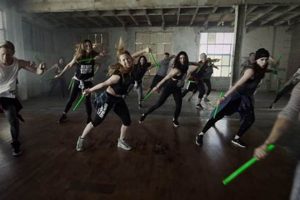
A specialized fitness regimen combines the principles of Zumba, a dance fitness program, with modifications appropriate for pregnant individuals. This approach focuses on low-impact movements and rhythmic patterns to promote cardiovascular health, muscle conditioning, and overall well-being during pregnancy. For instance, a class might incorporate salsa steps with modified jumps and turns to reduce strain on joints.
This activity is valued for its potential to improve mood, reduce stress, and manage weight gain during gestation. Historical context reveals that adapting exercise programs for pregnant women has become increasingly prevalent as research highlights the benefits of maintaining physical activity, within safe parameters, throughout pregnancy. The advantages can extend to easier labor and faster postpartum recovery.
Subsequent sections will delve into the specific safety considerations, modifications, and potential advantages associated with engaging in dance-based fitness activities during pregnancy. It will also address guidelines for selecting a qualified instructor and recognizing warning signs that necessitate cessation of exercise.
Guidance for Dance Fitness During Pregnancy
Adherence to specific guidelines is paramount when participating in dance-based fitness during gestation. The following points provide crucial information for maintaining safety and maximizing benefits.
Tip 1: Consultation with a Healthcare Provider: Prior to commencing any exercise program, including dance fitness, consult with a physician or qualified healthcare professional to ensure its suitability for individual health conditions and stage of pregnancy.
Tip 2: Modification of Movements: Adapt routines to accommodate the changing body. Focus on low-impact steps, reduced range of motion, and avoidance of jumping, twisting, or high-impact activities that could strain joints or the abdomen.
Tip 3: Hydration and Nutrition: Maintain adequate hydration by drinking water before, during, and after exercising. Proper nutrition is also essential to support both maternal and fetal health. Consult a registered dietitian for personalized recommendations.
Tip 4: Qualified Instruction: Seek guidance from a certified instructor experienced in prenatal fitness. A qualified instructor can provide appropriate modifications and ensure exercises are performed correctly, minimizing risk of injury.
Tip 5: Monitor Heart Rate: Adhere to recommended heart rate ranges during exercise. Consult a healthcare provider or certified fitness professional to determine appropriate target heart rate zones based on individual circumstances.
Tip 6: Recognize Warning Signs: Be vigilant for warning signs such as dizziness, shortness of breath, chest pain, vaginal bleeding, decreased fetal movement, or contractions. Discontinue exercise immediately and seek medical attention if any of these symptoms occur.
Tip 7: Appropriate Attire: Wear supportive athletic shoes and comfortable clothing that allows for freedom of movement. A supportive bra is crucial for minimizing breast discomfort during exercise.
Tip 8: Gradual Progression: Gradually increase the duration and intensity of workouts as fitness levels improve. Avoid pushing too hard or too fast, and listen to the body’s signals.
Following these guidelines promotes a safer and more beneficial dance-based fitness experience during pregnancy, supporting both maternal and fetal well-being.
The subsequent section will explore potential benefits and risks associated with this specific form of exercise, offering a balanced perspective for informed decision-making.
1. Safety Modifications

Engaging in dance fitness during pregnancy necessitates a keen awareness of physiological changes and the implementation of specific precautions. Safety modifications are not merely suggestions but rather fundamental adjustments essential for minimizing risks and optimizing well-being within the context of this exercise form.
- Impact Reduction
High-impact movements, such as jumping, can place undue stress on joints and increase the risk of injury. Modifications involve replacing these with low-impact alternatives, like stepping side-to-side or performing controlled squats. For example, instead of a jump squat, one could perform a regular squat or a pulse squat. This reduces pressure on the knees, ankles, and pelvic floor, thereby minimizing potential complications.
- Range of Motion Adjustment
During pregnancy, hormonal changes increase joint laxity, making them more susceptible to injury. Reducing the range of motion during exercises, particularly those involving twists or deep bends, is crucial. For example, instead of a full twist, a slight torso rotation can be substituted. This adjustment reduces strain on ligaments and muscles surrounding the joints.
- Balance and Stability Enhancements
As the center of gravity shifts during pregnancy, maintaining balance becomes more challenging. Modifications include widening the stance, using a chair for support, or performing exercises near a wall. For example, during single-leg exercises, holding onto a chair provides added stability, decreasing the likelihood of falls.
- Core Engagement Adaptation
Traditional core exercises may not be appropriate during pregnancy. Modifications involve focusing on transverse abdominis engagement and pelvic floor exercises. For instance, instead of crunches, pregnant individuals can perform pelvic tilts or engage their core while maintaining a neutral spine position. This strengthens the core without placing undue pressure on the abdominal muscles.
The application of these specific adjustments is pivotal in ensuring the appropriateness of dance fitness during pregnancy. These modifications collectively transform potentially risky movements into a safe and beneficial activity, supporting maternal health and well-being throughout the gestational period.
2. Qualified Instructor

The efficacy and safety of dance-based fitness during pregnancy are inextricably linked to the expertise of the instructor. A qualified instructor possesses specialized knowledge encompassing both general fitness principles and the specific physiological changes inherent to pregnancy. This knowledge base enables the instructor to modify routines, provide informed guidance, and address individual participant needs safely and effectively. For example, an instructor lacking proper training might unknowingly incorporate movements that exacerbate diastasis recti, leading to further abdominal separation and potential discomfort. Conversely, a certified prenatal instructor can adapt exercises to strengthen core muscles appropriately, mitigating this risk. The presence of a qualified instructor functions as a vital component, transforming a potentially hazardous activity into a beneficial and appropriate exercise form.
The practical application of this understanding is evident in the structuring of prenatal fitness classes. A qualified instructor will typically begin each session with a thorough warm-up, focusing on joint mobilization and light stretching. The core of the class will then involve adapted dance routines, incorporating low-impact movements and frequent breaks for hydration and rest. Furthermore, the instructor will consistently monitor participants for signs of fatigue or discomfort, providing individualized modifications as needed. A real-life example might include an instructor observing a participant experiencing lower back pain; the instructor could then offer an alternative exercise that reduces spinal compression, such as a seated row or a supported side stretch. This tailored approach ensures that all participants can engage in the activity safely and effectively, regardless of their individual fitness levels or pregnancy-related limitations.
In conclusion, a qualified instructor represents a cornerstone of safe and effective dance-based fitness during pregnancy. The instructor’s expertise directly influences the participant’s ability to reap the potential benefits of exercise while minimizing the inherent risks associated with physical activity during gestation. The challenge lies in ensuring accessibility to certified instructors and promoting awareness among expectant mothers regarding the importance of seeking qualified guidance. By prioritizing proper instruction, individuals can confidently engage in adapted dance fitness, supporting their physical and emotional well-being throughout their pregnancy journey.
3. Hydration Importance

Adequate fluid intake is a critical component of maternal health, particularly when engaging in physical activity such as dance-based fitness during pregnancy. Dehydration can exacerbate common pregnancy symptoms and compromise both maternal and fetal well-being, making proper hydration strategies an essential consideration.
- Thermoregulation During Exercise
Physical exertion elevates body temperature, and the body relies on perspiration to dissipate heat. During pregnancy, blood volume increases, placing additional demands on the cardiovascular system. Dehydration impairs the body’s ability to regulate temperature effectively, potentially leading to hyperthermia. For instance, insufficient fluid intake during a fitness session can result in elevated core temperature, posing risks to fetal development, particularly during the first trimester. Maintaining adequate hydration supports efficient thermoregulation, mitigating these risks.
- Amniotic Fluid Volume Maintenance
Amniotic fluid plays a crucial role in fetal development, providing cushioning, regulating temperature, and facilitating lung maturation. Dehydration can reduce amniotic fluid volume, a condition known as oligohydramnios. For example, inadequate maternal fluid intake can lead to decreased amniotic fluid, potentially affecting fetal kidney function and lung development. Proper hydration contributes to maintaining adequate amniotic fluid levels, supporting optimal fetal growth.
- Blood Volume and Circulation Support
Pregnancy increases blood volume by approximately 30-50% to meet the demands of the growing fetus. Dehydration can reduce blood volume, leading to decreased blood pressure and reduced placental perfusion. For example, insufficient fluid intake can result in decreased blood flow to the uterus and placenta, potentially compromising fetal oxygen and nutrient supply. Maintaining adequate hydration supports optimal blood volume and circulation, ensuring sufficient nutrient delivery to the fetus.
- Prevention of Common Pregnancy Discomforts
Dehydration can exacerbate common pregnancy discomforts such as constipation, fatigue, and headaches. Insufficient fluid intake can lead to reduced bowel motility, contributing to constipation. Additionally, dehydration can impair cellular function, leading to fatigue and headaches. For instance, inadequate fluid intake can result in increased susceptibility to headaches and feelings of sluggishness. Proper hydration can alleviate these discomforts, improving overall maternal well-being.
The multifaceted benefits of adequate hydration during dance-based fitness emphasize its essential role in supporting both maternal and fetal health. Adherence to recommended fluid intake guidelines, tailored to individual needs and activity levels, is paramount for optimizing outcomes and mitigating potential complications.
4. Heart Rate Monitoring

Heart rate monitoring serves as a crucial physiological metric for ensuring maternal safety and optimizing exercise intensity during dance-based fitness in pregnancy. Physiological changes inherent to gestation alter cardiovascular responses to physical exertion. The monitoring of heart rate provides a real-time indicator of cardiovascular strain, enabling individuals and instructors to adjust exercise intensity accordingly. Overexertion, indicated by exceeding recommended heart rate zones, can compromise uteroplacental blood flow, potentially affecting fetal oxygenation and nutrient delivery. Conversely, maintaining heart rate within target ranges supports cardiovascular fitness without undue risk. For example, an individual experiencing elevated heart rate during a particular dance sequence can modify the movement or reduce the intensity to maintain a safe level of exertion.
Practical application of heart rate monitoring necessitates establishing individual target heart rate zones based on pre-pregnancy fitness levels and individual health considerations. Healthcare providers or certified prenatal fitness professionals can provide personalized recommendations. Utilizing wearable heart rate monitors or manual pulse checks during and after dance routines allows for continuous assessment of cardiovascular response. An instructor might, for example, incorporate regular heart rate check-in points during a class, prompting participants to assess their pulse and adjust their level of exertion based on established guidelines. Should an individual consistently exceed their target heart rate zone, the instructor can offer modifications or suggest a temporary reduction in activity level.
In summary, the integration of heart rate monitoring into dance-based fitness represents a critical safeguard for pregnant individuals. It provides a quantitative measure of cardiovascular response, facilitating informed adjustments to exercise intensity and minimizing potential risks to both mother and fetus. Challenges lie in ensuring accessibility to accurate monitoring devices and promoting adherence to personalized heart rate guidelines. Emphasizing the importance of heart rate awareness empowers pregnant individuals to engage in physical activity safely and effectively, contributing to overall well-being throughout pregnancy.
5. Proper Attire

Appropriate clothing and footwear are integral to ensuring safety and comfort during dance-based fitness during pregnancy. Selecting attire that accommodates physiological changes and supports physical movement is essential for mitigating potential risks and maximizing benefits.
- Supportive Footwear
Footwear should provide adequate arch support and cushioning to minimize joint stress and prevent injuries. High-impact activities, even in modified form, can place added pressure on the feet and ankles. Shoes with good shock absorption and a stable base reduce the risk of ankle sprains and foot fatigue. For example, cross-training shoes are generally preferred over running shoes due to their enhanced lateral support, vital for the multidirectional movements in dance. Worn or ill-fitting shoes should be avoided, as they can compromise balance and increase the likelihood of falls, a heightened concern during pregnancy due to shifts in the center of gravity.
- Comfortable and Breathable Clothing
Clothing should allow for a full range of motion and promote thermoregulation. Loose-fitting garments made from breathable fabrics, such as cotton or moisture-wicking synthetics, help regulate body temperature and prevent overheating. Tight-fitting clothing can restrict movement and exacerbate discomfort. For instance, leggings with a high waistband designed for pregnancy can provide support without restricting abdominal expansion. Overheating poses a significant risk during exercise, particularly during pregnancy, and breathable clothing helps facilitate efficient heat dissipation.
- Supportive Undergarments
A supportive sports bra is essential for minimizing breast discomfort during dance-based fitness. Breast size and sensitivity often increase during pregnancy, and adequate support reduces strain on ligaments and prevents pain. A well-fitted sports bra with adjustable straps and a wide band provides optimal support and minimizes bouncing. Similarly, supportive underwear can enhance comfort and prevent chafing, particularly during activities involving repetitive leg movements. Proper undergarments contribute significantly to overall comfort and reduce distractions during exercise.
- Appropriate Support Garments
Depending on individual needs, support garments such as belly bands or compression socks may be beneficial. A belly band can provide support for the lower back and abdomen, reducing discomfort and improving posture. Compression socks can improve circulation and reduce swelling in the legs and feet, common complaints during pregnancy. Consulting with a healthcare provider or certified fitness professional can help determine if support garments are appropriate and ensure proper fit and usage. Support garments can enhance comfort and support, allowing for more effective and enjoyable exercise.
The selection of proper attire contributes directly to the safety, comfort, and effectiveness of dance-based fitness during pregnancy. Prioritizing supportive footwear, comfortable clothing, and appropriate support garments enables individuals to engage in physical activity with confidence and minimize potential risks associated with exercise during gestation.
6. Gradual Progression
The principle of gradual progression is paramount in the context of dance-based fitness during pregnancy. It dictates a measured and incremental increase in exercise intensity and duration to mitigate risks and optimize physiological adaptation throughout gestation. This approach recognizes the dynamic physiological changes accompanying pregnancy and ensures that exercise demands do not exceed maternal or fetal capabilities.
- Incremental Intensity Increase
Initial stages of participation in adapted dance fitness programs necessitate low-impact movements and reduced range of motion. As physiological adaptation occurs, a gradual introduction of more complex steps or increased movement speed becomes appropriate. For example, a participant beginning a program in the first trimester might start with 20-minute sessions of basic steps, progressively increasing to 30-minute sessions with more varied choreography by the second trimester, provided no contraindications arise. This incremental approach minimizes the risk of musculoskeletal strain and cardiovascular overexertion.
- Progressive Duration Extension
The duration of dance-based fitness sessions should be increased incrementally to allow for adequate recovery and physiological adaptation. Commencing with shorter sessions and gradually extending the workout length over several weeks is advisable. For instance, an individual might start with 15-minute sessions three times per week, gradually increasing to 30-minute sessions as tolerance improves. This allows the cardiovascular and musculoskeletal systems to adapt to the demands of exercise, reducing the risk of fatigue and injury. Regular monitoring of maternal well-being and fetal movement is essential throughout this progression.
- Phased Complexity Introduction
The complexity of dance routines should be introduced in a phased manner. Starting with simpler choreographies and gradually incorporating more challenging steps and combinations allows for progressive skill development and reduces the risk of coordination-related injuries. For example, a participant might begin with basic Latin steps such as salsa or merengue, gradually incorporating more intricate footwork or arm movements as proficiency increases. This approach enhances motor control and minimizes the potential for falls or other accidents.
- Individualized Adaptation and Regression
The rate of progression should be individualized based on maternal physiological responses and any pregnancy-related complications that may arise. Regression to previous levels of intensity or duration may be necessary if signs of overexertion, discomfort, or fetal distress are observed. For example, a participant experiencing round ligament pain might need to reduce the intensity of abdominal movements or revert to simpler choreography. Flexibility and adaptability are essential to ensure that exercise remains safe and beneficial throughout the pregnancy.
The facets of gradual progression, when implemented effectively, contribute significantly to the safety and efficacy of dance-based fitness during pregnancy. A carefully planned and individualized approach, tailored to the evolving physiological needs of the pregnant individual, optimizes maternal well-being and fetal outcomes. Adherence to this principle is paramount for ensuring a positive and beneficial exercise experience.
Frequently Asked Questions about Prenatal Zumba Workout
This section addresses common inquiries concerning the safety, suitability, and practical considerations associated with dance-based fitness during pregnancy. The information presented aims to provide a clear and informative overview of this specific exercise modality.
Question 1: Is dance fitness a safe form of exercise during pregnancy?
When executed with appropriate modifications and under the guidance of a qualified instructor, dance fitness can be a safe form of exercise during pregnancy. However, consultation with a healthcare provider is crucial prior to commencing any new exercise program.
Question 2: What modifications are necessary for dance fitness during pregnancy?
Modifications typically involve reducing impact, limiting range of motion, avoiding twisting movements, and ensuring adequate hydration. Emphasis is placed on maintaining balance and engaging core muscles in a safe and controlled manner.
Question 3: How does one identify a qualified dance fitness instructor for pregnant individuals?
A qualified instructor possesses certification in prenatal fitness and demonstrates a comprehensive understanding of the physiological changes associated with pregnancy. Inquiries regarding their experience and qualifications are essential.
Question 4: What are the potential benefits of dance fitness during pregnancy?
Potential benefits include improved cardiovascular health, mood enhancement, weight management, and reduced stress. The activity may also contribute to improved sleep and preparation for labor.
Question 5: What are the potential risks associated with dance fitness during pregnancy?
Potential risks include musculoskeletal injuries, dehydration, overheating, and reduced uteroplacental blood flow. Adherence to safety guidelines and appropriate modifications minimizes these risks.
Question 6: When should dance fitness be discontinued during pregnancy?
Dance fitness should be discontinued immediately if any warning signs arise, such as vaginal bleeding, dizziness, shortness of breath, chest pain, decreased fetal movement, or contractions. Immediate consultation with a healthcare provider is imperative.
Dance fitness, when approached with informed awareness and adherence to safety protocols, can serve as a beneficial component of a comprehensive prenatal wellness regimen. Consult with qualified professionals to ensure a safe and effective experience.
The subsequent section will delve into alternative forms of exercise suitable for pregnant individuals, offering a comparative analysis of various options.
Conclusion
This exploration of prenatal zumba workout has underscored the necessity for a nuanced and informed approach. The key elements identifiedsafety modifications, qualified instruction, hydration, heart rate monitoring, proper attire, and gradual progressionare not merely suggestions but essential components for mitigating potential risks and maximizing benefits. The importance of consulting healthcare professionals and prioritizing individual physiological responses cannot be overstated.
The successful integration of prenatal zumba workout into a comprehensive prenatal wellness strategy demands a commitment to informed decision-making and adherence to established safety guidelines. Future research should focus on quantifying the specific benefits and risks associated with this exercise modality to further refine best practices and ensure optimal maternal and fetal outcomes.