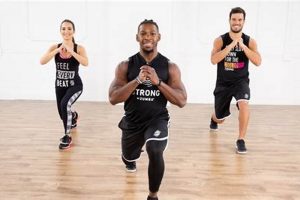
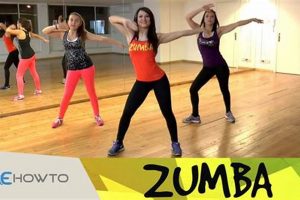
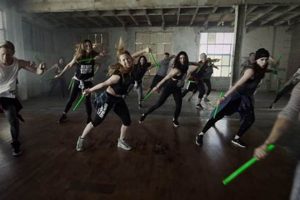
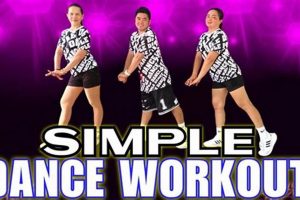
The fitness regimen combines traditional Zumba dance steps with targeted toning exercises. This approach integrates rhythmic movements with strength training, utilizing light weights or resistance bands to enhance muscle engagement. For example, a typical session incorporates salsa steps interspersed with bicep curls or squat variations with resistance band assistance.
This fusion offers a multifaceted fitness experience, addressing cardiovascular health while simultaneously building muscle strength and endurance. Historically, Zumba emerged as a popular dance fitness program, and the integration of toning elements evolved to meet the demand for a more comprehensive workout solution. The dual focus caters to individuals seeking both calorie burning and body sculpting benefits.
The subsequent sections will delve into the specific exercises incorporated within the program, examine its impact on different muscle groups, and provide guidelines for optimizing results and minimizing potential risks.
Optimizing Results from Zumba Tone Sessions
To maximize the effectiveness of this exercise format, adherence to specific guidelines is recommended. These tips are designed to enhance performance, prevent injury, and accelerate progress towards desired fitness goals.
Tip 1: Focus on Proper Form: Maintaining correct posture and executing movements with precision is crucial. This ensures targeted muscle activation and minimizes the risk of strain or injury. Consult with a certified instructor to refine technique.
Tip 2: Incorporate Progressive Overload: Gradually increase the resistance level or duration of exercises as strength improves. This principle challenges the muscles and promotes continued growth and adaptation.
Tip 3: Prioritize Core Engagement: Actively engage the abdominal muscles throughout the entire session. This supports spinal stability, improves balance, and enhances overall power output.
Tip 4: Maintain Consistent Hydration: Adequate fluid intake is essential for optimal muscle function and performance. Drink water before, during, and after the workout to prevent dehydration.
Tip 5: Integrate Balanced Nutrition: Fuel the body with a nutrient-rich diet that supports muscle recovery and growth. Prioritize protein intake and consume a variety of fruits, vegetables, and whole grains.
Tip 6: Allow for Adequate Rest and Recovery: Muscles require time to repair and rebuild after exercise. Schedule rest days and prioritize sufficient sleep to optimize recovery and prevent overtraining.
Tip 7: Select Appropriate Weights: Choosing weight levels that are challenging but allow for proper form is vital. Start with lighter weights and progressively increase as strength develops to prevent injury.
Following these guidelines will contribute to a more effective and rewarding experience, leading to improved fitness levels and enhanced overall well-being. Consistent application of these principles is key to achieving sustainable results.
The subsequent sections will explore common mistakes to avoid and address frequently asked questions regarding this specific type of workout, providing further insights for optimal participation.
1. Muscle Engagement

Muscle engagement within Zumba Tone is not merely an adjunct but a fundamental component that differentiates it from standard Zumba. This integration transforms a cardio-focused dance routine into a hybrid regimen that targets both aerobic fitness and muscular strength and endurance.
- Resistance Integration
The inclusion of light weights, resistance bands, or bodyweight exercises during specific dance sequences directly increases the demand on targeted muscle groups. For example, incorporating bicep curls with light dumbbells during a salsa step intensifies muscle activation in the biceps brachii, enhancing strength gains beyond what traditional Zumba offers.
- Targeted Muscle Activation
Zumba Tone is designed to strategically engage specific muscle groups throughout the workout. Squat variations during certain routines, for example, specifically target the quadriceps, hamstrings, and gluteal muscles, contributing to lower body strength and definition. This targeted approach ensures a more comprehensive and balanced muscular workout.
- Enhanced Caloric Expenditure
Increased muscle engagement translates to higher caloric expenditure compared to standard Zumba. Muscles require more energy to contract than other tissues, so the incorporation of resistance training boosts the metabolic rate both during and after the workout, facilitating weight management and fat loss.
- Postural Improvement
The focus on engaging core muscles during various dance moves and resistance exercises contributes to improved posture and spinal stability. Strengthening core muscles helps maintain proper alignment, reducing the risk of back pain and enhancing overall body mechanics. This benefit extends beyond the workout, impacting daily activities and posture.
These facets collectively highlight the critical role of muscle engagement in the efficacy of Zumba Tone. By strategically combining dance movements with resistance training, this fitness regimen offers a comprehensive approach to improving strength, endurance, and overall body composition, making it a more robust workout option compared to traditional Zumba.
2. Calorie Expenditure

The degree of caloric expenditure within a session is a primary determinant of its effectiveness for weight management. This exercise approach merges cardiovascular dance movements with resistance training, a combination that demonstrably increases the energy demands placed on the body. Calorie consumption is affected by factors like intensity, duration, and individual physiological characteristics. An individual weighing 150 pounds might expend between 400 and 600 calories in a 60-minute period, depending on workout vigor. A higher level of caloric expenditure results from the incorporation of resistance components, such as using dumbbells or resistance bands, compared to solely relying on the dance elements of standard Zumba.
Several physiological mechanisms contribute to this increased caloric burn. The inclusion of resistance exercises stimulates muscle protein synthesis, an energy-intensive process. Elevated muscle mass further contributes to a higher resting metabolic rate, leading to increased daily caloric usage even outside of active sessions. Consequently, a program offers a dual-pronged approach to weight management: immediate calorie consumption during the workout and an elevated baseline metabolism in the long term. For instance, a person consistently participating in this type of workout may experience a gradual reduction in body fat percentage and an increase in lean muscle mass, thus creating a positive feedback loop favoring weight maintenance.
Comprehending the relationship between workout and caloric expenditure is essential for setting realistic fitness goals and designing effective weight management strategies. Awareness of the factors influencing calorie consumption allows individuals to adjust the workout intensity and duration, optimize nutritional intake, and track progress accurately. Over time, consistent attention to caloric balanceexpenditure versus intakecan facilitate sustainable weight control and an enhanced metabolic profile, contributing to overall health and well-being.
3. Coordination Enhancement

Coordination enhancement is a significant, yet often understated, benefit derived from participation in this type of fitness routine. It represents a multifaceted improvement in the neuromuscular system, impacting balance, agility, and overall motor control. This development extends beyond mere physical dexterity, influencing cognitive functions and promoting a more integrated mind-body connection.
- Improved Proprioception
Proprioception, the body’s awareness of its position in space, is significantly enhanced through the execution of varied dance steps and resistance exercises. Routines demand precise limb movements and postural adjustments, forcing the body to adapt and refine its internal sense of spatial orientation. For example, maintaining balance while performing a weighted squat during a salsa sequence requires a heightened level of proprioceptive awareness compared to simpler movements. This refinement translates into improved balance and stability in daily activities.
- Enhanced Motor Planning
The choreography inherent in this exercise necessitates the brain to plan and execute complex motor sequences. Participants must anticipate the next step, coordinate muscle contractions, and adjust movements in real-time. The cognitive effort involved in learning and performing these sequences strengthens neural pathways associated with motor planning. Improved motor planning manifests in faster reaction times and more fluid movement patterns.
- Bilateral Coordination Development
Many routines incorporate movements that require the simultaneous use of both sides of the body, fostering bilateral coordination. Performing synchronized arm and leg movements, for instance, stimulates communication between the brain’s hemispheres, leading to improved coordination between the left and right sides of the body. This benefit translates into enhanced performance in activities requiring simultaneous use of both limbs, such as swimming or playing musical instruments.
These facets collectively illustrate the profound impact on coordination. By engaging multiple muscle groups in complex, rhythmic movements, this fitness approach provides a comprehensive stimulus for neuromuscular development. The benefits extend beyond the physical realm, influencing cognitive functions and contributing to a more integrated and efficient mind-body system.
4. Weight Management

The integration of dance and resistance training within a “zumba tone workout” establishes a direct link to weight management. This connection is driven by the increased energy expenditure associated with the combined activity. The dance component elevates heart rate and facilitates calorie burning, while resistance exercises stimulate muscle growth. Increased muscle mass contributes to a higher resting metabolic rate, meaning more calories are burned even at rest. For instance, consistent participation in a program, coupled with a balanced diet, can result in a gradual reduction in body fat percentage and an increase in lean muscle mass. This body composition shift is a key factor in long-term weight management success.
The practical significance of understanding this link lies in its implications for designing effective weight management strategies. A program, when implemented correctly, can be a sustainable approach to achieving and maintaining a healthy weight. Unlike restrictive diets or purely cardiovascular workouts, this form offers a multifaceted approach. The dance element makes the workout enjoyable and sustainable, reducing the likelihood of burnout. The resistance component ensures that weight loss is accompanied by muscle preservation, preventing the decrease in metabolic rate often seen with solely calorie-restrictive approaches. For example, an individual who consistently participates, while also maintaining a caloric deficit through diet, is more likely to experience successful and sustainable weight management compared to someone solely relying on diet or standard aerobic exercise.
In summary, a workout facilitates weight management through increased calorie expenditure, muscle growth, and enhanced metabolic rate. Recognizing the interplay of these factors is essential for designing and implementing effective weight management programs. While presents a valuable tool, success is contingent upon a comprehensive approach that incorporates balanced nutrition and consistent participation. Challenges may arise from improper form, inadequate intensity, or unrealistic expectations, but these can be mitigated through proper instruction, progressive overload, and a focus on long-term sustainable changes rather than quick fixes.
5. Cardiovascular Health

The sustained elevation of heart rate and increased oxygen consumption inherent in a “zumba tone workout” directly impact cardiovascular health. This activity, characterized by rhythmic dance movements integrated with resistance exercises, places significant demands on the circulatory system. The heart muscle strengthens as it pumps blood more efficiently, while blood vessels become more elastic, reducing the risk of arterial stiffness. For instance, individuals with pre-existing hypertension may experience a reduction in blood pressure due to regular participation in this fitness regimen. The integration of resistance exercises, while primarily focused on muscle toning, also contributes to cardiovascular benefit by increasing metabolic demand and further challenging the heart.
The importance of cardiovascular health within a “zumba tone workout” extends beyond mere aerobic fitness. A healthy cardiovascular system is essential for delivering oxygen and nutrients to working muscles, thereby enhancing performance and reducing fatigue. This is particularly crucial during the resistance training component, where adequate blood flow is necessary for muscle contractions and recovery. Furthermore, improved cardiovascular function reduces the risk of various chronic diseases, including coronary artery disease, stroke, and type 2 diabetes. The combination of dance and resistance elements creates a synergistic effect, maximizing the cardiovascular benefits compared to either activity performed in isolation. For example, an individual who maintains a consistent schedule may find that they are able to perform daily activities with greater ease and experience fewer symptoms of cardiovascular strain.
In summary, participation enhances cardiovascular health by strengthening the heart, improving blood vessel elasticity, and reducing the risk of chronic diseases. This benefit is an integral component of the overall fitness gains achievable through this activity. Potential challenges, such as overexertion or improper form, can be mitigated through appropriate warm-up routines, gradual increases in intensity, and guidance from qualified instructors. Emphasizing awareness and technique is critical to achieving the cardiovascular benefits safely and effectively.
6. Improved Endurance

Enhanced endurance is a notable outcome of consistent engagement in a “zumba tone workout.” This improvement manifests as an increased capacity to sustain physical exertion over extended periods, a direct result of the combined aerobic and strength training elements inherent in the program. The integration of dance-based cardio with targeted resistance exercises creates a synergistic effect that optimizes both cardiovascular and muscular endurance.
- Enhanced Cardiovascular Capacity
Sustained participation in elevates cardiovascular efficiency. The repetitive movements and rhythmic nature of the dance component increase heart rate and improve oxygen uptake, strengthening the heart muscle and expanding lung capacity. This translates to a greater ability to perform prolonged physical activity without experiencing excessive fatigue. For example, an individual initially unable to sustain the full workout duration might, after several weeks of consistent attendance, complete the entire session with less perceived exertion.
- Increased Muscular Stamina
The incorporation of resistance training exercises directly enhances muscular endurance. Repeatedly performing movements against resistance, whether through bodyweight, light weights, or resistance bands, increases the muscles’ ability to resist fatigue. This is particularly relevant in daily activities that require sustained muscle contractions. A common example is the ability to perform household chores or engage in recreational activities for longer periods without experiencing muscle soreness or exhaustion.
- Improved Lactate Threshold
Regular participation raises the lactate threshold, the point at which lactic acid accumulates in the muscles faster than it can be cleared. A higher lactate threshold allows individuals to exercise at a greater intensity for a longer duration before experiencing muscle fatigue. This is beneficial both during the workout, enabling participants to push themselves harder, and in everyday life, improving the capacity to handle physically demanding tasks.
- Enhanced Neuromuscular Efficiency
Through consistent repetition, routines improve neuromuscular efficiency, the coordination between the nervous system and the muscles. This enhanced coordination reduces energy expenditure during movement, allowing individuals to perform tasks with less effort. For instance, an experienced participant in this regimen may exhibit smoother, more efficient movements compared to a beginner, leading to decreased fatigue and improved overall endurance.
These facets collectively demonstrate the multi-faceted impact on endurance. By improving cardiovascular capacity, increasing muscular stamina, raising the lactate threshold, and enhancing neuromuscular efficiency, this fitness approach provides a comprehensive stimulus for endurance development. The benefits extend beyond the studio, positively influencing an individual’s ability to perform daily activities with greater ease and sustained energy levels.
7. Postural Alignment

integrates core strengthening exercises, an essential element for optimal posture. Specific routines emphasize engaging the abdominal and back muscles, creating a stable core that supports the spine. The sustained engagement of these muscles throughout the workout contributes to improved postural stability. For instance, the execution of salsa steps combined with resistance band exercises for the arms requires continuous core activation to maintain balance and prevent lower back strain. Consistent participation can lead to a heightened awareness of body positioning and a conscious effort to maintain proper alignment in daily activities.
Poor posture can lead to muscle imbalances, chronic pain, and increased risk of injury. Integrating exercises that promote postural correction, such as shoulder blade retractions and chest-opening stretches, can counteract these negative effects. The rhythmic nature of the dance component encourages fluid movement and can help to break down habitual postural patterns. For example, individuals who spend long hours sitting at a desk may find that participation helps to alleviate stiffness and improve their overall posture. Conscious attention to proper form during the workout reinforces these positive postural changes.
Therefore, by incorporating exercises that strengthen core muscles and promote postural awareness, contributes to improved alignment and overall musculoskeletal health. This alignment enhancement is a direct result of the activity’s design, which places emphasis on integrating resistance training with dynamic movement. The long-term benefits of improved posture extend beyond physical appearance, impacting comfort, reducing pain, and minimizing the risk of future injuries.
Frequently Asked Questions
This section addresses common inquiries regarding this specific fitness regimen, providing clarity on its components, benefits, and potential considerations.
Question 1: Is Zumba Tone Workout suitable for individuals with no prior dance experience?
The integration of basic dance steps makes it accessible to beginners. Instructors typically provide modifications to accommodate varying fitness levels. However, some degree of coordination and rhythm is beneficial for optimal participation.
Question 2: What type of equipment is required for Zumba Tone Workout?
Typically, light dumbbells (1-5 pounds) or resistance bands are utilized to enhance muscle engagement. The specific equipment may vary depending on the instructor and class format. A mat for floor exercises is also recommended.
Question 3: How frequently should Zumba Tone Workout be performed to see results?
Consistent participation, 2-3 times per week, is generally recommended to observe noticeable improvements in cardiovascular fitness, muscle tone, and weight management. Individual results may vary depending on factors such as diet and overall activity level.
Question 4: Can Zumba Tone Workout be modified for individuals with physical limitations?
Modifications are possible to accommodate various physical limitations. Individuals with joint pain, back issues, or other health concerns should consult with their physician and inform the instructor prior to participation. Low-impact variations and modifications can be implemented to reduce stress on joints.
Question 5: What are the primary muscle groups targeted during a Zumba Tone Workout session?
The routines engage multiple muscle groups, including the arms, legs, core, and glutes. The specific muscle activation depends on the exercises incorporated into the class. The upper body is often worked using dumbbells, while the lower body receives attention through squats and lunges. The core remains engaged throughout the session to maintain posture and stability.
Question 6: Are there any potential risks associated with Zumba Tone Workout?
As with any exercise program, potential risks include muscle strains, sprains, and overuse injuries. Proper warm-up routines, attention to form, and gradual increases in intensity can minimize these risks. Individuals with pre-existing health conditions should consult with their physician before participating.
Therefore, this program offers a comprehensive fitness solution with the capacity to enhance cardiovascular health, muscle tone, and coordination. Adherence to proper guidelines and awareness of potential risks is crucial for safe and effective participation.
The subsequent section will delve into considerations for choosing a qualified instructor and optimizing the workout environment.
Conclusion
This exploration of “zumba tone workout” has detailed its integrated approach, blending dance-based cardio with targeted resistance training. This combination yields multifaceted benefits, encompassing enhanced cardiovascular health, increased muscle endurance, and improved postural alignment. The strategic incorporation of weights or resistance bands amplifies muscle engagement, leading to higher caloric expenditure and promoting effective weight management.
The long-term efficacy of “zumba tone workout,” however, hinges on adherence to proper technique, consistent participation, and mindful progression. While this fitness modality offers a compelling avenue for achieving comprehensive physical well-being, individuals should carefully consider their fitness level and consult with qualified professionals to optimize results and mitigate potential risks. Ultimately, “zumba tone workout” stands as a viable option for those seeking a dynamic and holistic exercise program, but its success is dependent upon informed engagement and disciplined execution.