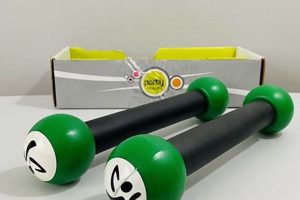
The act of engaging in Zumba classes with the intention of reducing body mass signifies a focused approach to physical fitness. It combines aerobic exercise with dance movements, creating a dynamic workout routine. The ultimate objective is a decrease in overall weight through sustained physical activity and caloric expenditure.
This type of exercise offers several potential advantages. Regular participation can contribute to improved cardiovascular health, increased muscle tone, and enhanced coordination. Furthermore, the engaging nature of the activity may positively influence adherence to a fitness regimen, proving more sustainable than other, less enjoyable forms of exercise. The historical context reveals the activity’s evolution from a dance-based class to a structured fitness program recognized for its health benefits.
The following sections will explore the mechanics of Zumba, the expected caloric expenditure, and the supplementary lifestyle changes that maximize potential for weight reduction. This will also examine the fitness demands and potential risks, and outline considerations for various body types and fitness levels.
Guidance for Weight Management Through Dance-Based Exercise
This section provides practical advice to optimize results when incorporating dance-based exercise into a weight management strategy. The following recommendations are designed to enhance effectiveness and promote sustainable lifestyle changes.
Tip 1: Maintain Consistent Participation: Regular attendance is crucial. Aim for a minimum of three sessions per week to establish a consistent routine and facilitate continuous progress.
Tip 2: Prioritize Proper Hydration: Consume adequate fluids before, during, and after each session. Hydration supports optimal metabolic function and enhances performance.
Tip 3: Focus on Controlled Movements: Emphasize precision and controlled execution of each dance step. This enhances muscle engagement and reduces the risk of injury.
Tip 4: Integrate a Balanced Dietary Plan: Exercise alone is insufficient. Adhere to a balanced dietary plan that prioritizes whole foods, lean protein, and controlled carbohydrate intake.
Tip 5: Incorporate Strength Training: Augment dance-based exercise with strength training exercises to build muscle mass. Increased muscle mass elevates basal metabolic rate, contributing to greater calorie expenditure.
Tip 6: Monitor Progress Objectively: Track weight, body measurements, and body composition regularly. Objective data provides insights into progress and allows for necessary adjustments to the fitness and dietary plan.
Tip 7: Prioritize Adequate Rest: Allow sufficient recovery time between sessions. Rest facilitates muscle repair and prevents overtraining, which can hinder progress.
By adhering to these recommendations and integrating dance-based exercise into a comprehensive weight management approach, individuals can maximize the potential for achieving and sustaining a healthy weight. The combination of consistent physical activity, balanced nutrition, and adequate rest contributes to a holistic approach to wellness.
The subsequent section will address frequently asked questions regarding the effectiveness and feasibility of employing dance-based fitness as a primary weight management tool.
1. Caloric Expenditure

Caloric expenditure is a fundamental factor when analyzing the relationship between Zumba and weight reduction. Zumba, as a form of aerobic exercise, elicits a substantial energy demand from the body, resulting in the consumption of calories. This expenditure, when exceeding caloric intake, creates a deficit necessary for weight loss. Individuals can expect to burn a variable number of calories per session, depending on factors such as intensity, duration, and individual metabolic rate. For instance, a person weighing 150 pounds may expend approximately 400-600 calories during a one-hour Zumba class.
The importance of caloric expenditure within the context of Zumba extends beyond simply burning calories. Consistent participation in Zumba sessions contributes to an increased basal metabolic rate. This elevation in metabolic rate means the body burns more calories at rest, further aiding in weight management. Real-life examples include individuals who, after incorporating Zumba into their routines, observe a gradual decrease in body fat percentage even without drastic dietary changes. However, maximizing the effect of Zumba on weight requires an awareness of dietary habits, ensuring that caloric intake does not negate the expenditure achieved during exercise.
In summary, understanding the connection between caloric expenditure and Zumba is crucial for effective weight management. While Zumba offers a potentially significant contribution to caloric deficit, it must be coupled with responsible dietary practices to achieve tangible results. Challenges may arise from overestimation of calories burned or underestimation of caloric intake, underscoring the necessity of accurate tracking and informed decision-making. Ultimately, Zumba, viewed through the lens of caloric expenditure, represents a valuable tool within a broader strategy for weight loss and improved health.
2. Cardiovascular Enhancement

Cardiovascular enhancement, as a physiological outcome of regular exercise, plays a significant role in the context of dance-based fitness and weight reduction. Improvements in cardiovascular function directly contribute to the body’s ability to efficiently utilize energy, impacting overall metabolic health and facilitating fat loss.
- Improved Cardiac Output
Zumba’s aerobic nature strengthens the heart muscle, leading to increased cardiac output. A stronger heart pumps more blood with each beat, improving oxygen delivery to working muscles. This enhanced efficiency supports greater endurance during workouts, facilitating higher caloric expenditure and, consequently, weight loss.
- Enhanced Oxygen Uptake
Regular participation in Zumba can improve the body’s capacity to extract and utilize oxygen from the bloodstream. This increased oxygen uptake enables individuals to sustain higher intensity exercise for longer durations. Improved oxygen utilization is critical for efficient fat oxidation, a key process in weight management.
- Reduced Resting Heart Rate
Consistent engagement in cardiovascular exercise, such as Zumba, typically results in a lower resting heart rate. A lower resting heart rate indicates improved cardiovascular efficiency. This adaptation reduces the overall workload on the heart and can contribute to improved long-term cardiovascular health, indirectly supporting weight management by enabling more consistent exercise habits.
- Enhanced Vascular Function
Zumba promotes healthy vascular function by improving the elasticity and dilation of blood vessels. This enhancement allows for better blood flow, reducing the risk of hypertension and cardiovascular disease. Improved vascular function contributes to efficient nutrient delivery to muscles and waste removal, supporting overall metabolic health and contributing to the long-term maintenance of a healthy weight.
The aforementioned aspects of cardiovascular enhancement, facilitated by Zumba, collectively contribute to a more efficient and resilient physiological state. These adaptations not only support immediate weight loss efforts but also foster long-term health and well-being. Regular engagement in dance-based exercise, coupled with a balanced dietary approach, can yield significant and sustainable results in weight management and cardiovascular health.
3. Muscle Engagement

Muscle engagement during Zumba sessions is a critical component influencing the effectiveness of the activity as a weight-loss tool. While Zumba is predominantly an aerobic exercise, the degree of muscle activation contributes to overall caloric expenditure and metabolic adaptations.
- Core Stabilization
Many Zumba movements require constant core stabilization to maintain balance and execute dance steps accurately. This continuous engagement of the abdominal and back muscles not only improves posture but also increases energy expenditure. Individuals often underestimate the caloric cost associated with maintaining core stability throughout the duration of a class. Consistent core engagement also contributes to improved functional strength, facilitating daily activities and reducing the risk of injury.
- Lower Body Activation
Zumba routines frequently incorporate movements that target the muscles of the lower body, including the quadriceps, hamstrings, glutes, and calves. Squats, lunges, and jumps, often disguised within dance sequences, contribute to muscle hypertrophy and strength gains. An increase in lean muscle mass elevates basal metabolic rate, resulting in higher calorie burn even at rest. Examples include modifications to Zumba steps that emphasize deeper squats or longer lunges to increase the intensity of lower body activation.
- Upper Body Integration
Although Zumba is predominantly lower body-focused, upper body movements, such as arm raises, claps, and rhythmic swaying, contribute to overall muscle activation. While the energy expenditure from upper body engagement may be lower than that of the lower body, these movements still contribute to caloric burn and enhance coordination. Modifications can be implemented to increase upper body activation, such as incorporating light hand weights or resistance bands into routines.
- Postural Muscles
Maintaining correct posture during Zumba exercises activates various postural muscles. This consistent engagement strengthens the muscles that support the spine and promotes proper alignment. Strong postural muscles contribute to improved body mechanics and reduce the risk of musculoskeletal issues. A conscious effort to maintain proper posture throughout a Zumba class enhances muscle activation and reinforces healthy movement patterns.
The degree of muscle engagement during Zumba sessions is a modifiable factor that influences the effectiveness of the exercise for weight management. While the activity is primarily aerobic, the emphasis on core stabilization, lower body activation, upper body integration, and postural control contributes to overall caloric expenditure and promotes beneficial metabolic adaptations. By consciously focusing on proper form and technique, participants can maximize muscle engagement and enhance the weight-loss potential of Zumba.
4. Adherence Factor

The adherence factor represents a crucial determinant in the long-term success of any weight management strategy, including the incorporation of dance-based fitness programs. Consistent participation is essential for achieving and maintaining weight loss, and the enjoyment and sustainability of a chosen exercise modality directly influence adherence rates.
- Enjoyment and Motivation
Dance-based fitness classes, such as Zumba, often offer a more enjoyable and engaging workout experience compared to traditional forms of exercise. The rhythmic music, social interaction, and varied movements can enhance motivation and make exercise feel less like a chore. Higher levels of enjoyment directly translate to improved adherence rates, as individuals are more likely to consistently attend classes they find pleasurable. For example, individuals who find treadmills monotonous may consistently attend Zumba classes due to the social and engaging atmosphere.
- Social Support and Community
Group fitness settings, including Zumba classes, provide opportunities for social interaction and the development of a supportive community. This social connection can enhance motivation, accountability, and adherence. Participants are more likely to attend classes when they feel a sense of belonging and support from fellow attendees and instructors. Social support can buffer against feelings of isolation and increase the likelihood of maintaining a consistent exercise routine. The sense of community fostered in Zumba can turn exercise from a solitary activity into a social event.
- Reduced Perceived Exertion
The distraction provided by music and dance movements can reduce the perceived exertion associated with exercise. Participants may feel less fatigue and discomfort during a Zumba class compared to other forms of aerobic exercise, leading to improved adherence. This reduced perception of effort can encourage individuals to exercise for longer durations and at higher intensities without feeling overwhelmed. The rhythmic and engaging nature of Zumba can mask the physical demands of the workout.
- Variability and Novelty
Zumba classes typically incorporate a variety of dance styles and movements, providing a degree of novelty that can combat boredom and maintain engagement. This variability can help prevent plateaus in motivation and adherence. Regular changes to routines and music selections can keep participants challenged and interested, ensuring that exercise remains stimulating. A lack of variety in exercise programs is a common cause of decreased adherence.
The multifaceted nature of the adherence factor underscores its importance in the context of dance-based fitness and weight management. By addressing the factors that influence enjoyment, social support, perceived exertion, and variability, individuals can optimize their likelihood of adhering to a consistent exercise routine and achieving their weight loss goals. The inherent characteristics of Zumba, with its emphasis on fun, community, and varied movements, contribute to its potential for promoting long-term adherence and sustainable weight management outcomes.
5. Metabolic Boost

Metabolic alterations, specifically an increase in the basal metabolic rate (BMR), represent a key physiological mechanism by which physical activity contributes to weight reduction. Dance-based fitness routines, such as Zumba, influence metabolic processes through various pathways, creating an environment conducive to fat loss.
- Increased Muscle Mass
Although Zumba is primarily an aerobic exercise, the repetitive movements and resistance against body weight stimulate muscle growth, particularly in the lower body and core. Increased muscle mass directly correlates with a higher BMR, as muscle tissue is more metabolically active than fat tissue. Individuals with greater muscle mass expend more energy at rest, facilitating a more substantial caloric deficit. Studies indicate that even modest increases in muscle mass can significantly impact resting metabolic rate, contributing to long-term weight management.
- Elevated Post-Exercise Oxygen Consumption (EPOC)
EPOC, also known as the afterburn effect, refers to the elevated oxygen consumption that occurs after a bout of exercise. Zumba, characterized by alternating periods of high and low intensity, elicits a significant EPOC response. The body continues to burn calories at an accelerated rate for several hours post-workout as it restores physiological homeostasis. Factors influencing EPOC include exercise intensity, duration, and individual fitness level. A higher EPOC contributes to a greater overall caloric expenditure, enhancing the effectiveness of Zumba as a weight loss strategy.
- Improved Insulin Sensitivity
Regular physical activity, including dance-based fitness, enhances insulin sensitivity. Insulin is a hormone that regulates blood sugar levels and facilitates glucose uptake by cells. Improved insulin sensitivity allows the body to utilize glucose more efficiently, reducing the likelihood of excess glucose being stored as fat. This metabolic adaptation plays a crucial role in preventing insulin resistance and type 2 diabetes, both of which can impede weight loss efforts. Dance fitness has been shown to improve insulin sensitivity in individuals with varying levels of fitness.
- Hormonal Regulation
Exercise influences the secretion of various hormones that impact metabolism and appetite regulation. Zumba, as a form of physical activity, can affect levels of hormones such as cortisol, ghrelin, and leptin. Cortisol, a stress hormone, can contribute to fat storage when chronically elevated. Exercise can help regulate cortisol levels, preventing its detrimental effects on metabolism. Ghrelin, a hunger hormone, and leptin, a satiety hormone, play critical roles in appetite control. Regular Zumba may help balance these hormones, reducing cravings and promoting feelings of fullness, thereby supporting caloric restriction.
The metabolic boost derived from dance-based exercise contributes to the efficacy in weight reduction. The combination of increased muscle mass, elevated EPOC, improved insulin sensitivity, and hormonal regulation creates a multifaceted metabolic environment that favors fat loss and long-term weight management. When integrated with a balanced dietary approach, the metabolic adaptations elicited by Zumba can lead to sustainable and positive changes in body composition.
Frequently Asked Questions Regarding Weight Reduction Through Zumba
The following addresses common inquiries pertaining to the effectiveness of Zumba as a weight-loss strategy. The information presented aims to clarify misconceptions and provide a realistic understanding of the potential benefits and limitations.
Question 1: Is Zumba Sufficient for Significant Weight Loss Without Dietary Changes?
Zumba, as a form of aerobic exercise, contributes to caloric expenditure. However, sustained and significant weight reduction typically necessitates a caloric deficit achieved through both exercise and dietary modifications. Relying solely on Zumba without addressing dietary habits may yield limited results.
Question 2: What is the Expected Caloric Expenditure During a Typical Zumba Session?
Caloric expenditure during a Zumba session varies based on individual factors such as weight, intensity of participation, and metabolic rate. Estimates generally range from 300 to 600 calories per hour. However, accurate measurement requires the use of heart rate monitors or other tracking devices.
Question 3: How Frequently Should Zumba Classes Be Attended to Observe Measurable Weight Loss?
A minimum of three sessions per week is generally recommended to achieve noticeable weight loss. Consistency is crucial. More frequent participation, combined with a healthy diet, can accelerate progress. Individuals should consult with a healthcare professional or certified fitness trainer for personalized recommendations.
Question 4: Does Zumba Build Muscle Mass, and How Does This Affect Weight Loss?
While Zumba is primarily an aerobic exercise, it can contribute to muscle tone and definition, particularly in the lower body and core. An increase in muscle mass elevates basal metabolic rate, resulting in increased calorie burn at rest. This indirectly supports weight loss efforts.
Question 5: Are There Specific Styles or Intensities of Zumba that Are More Effective for Weight Loss?
Higher intensity Zumba classes, involving more dynamic movements and greater cardiovascular demand, generally lead to higher caloric expenditure. However, the most effective style is the one that an individual enjoys and can consistently adhere to over time. Consistency is paramount.
Question 6: What are the Potential Risks or Considerations When Starting Zumba for Weight Loss?
As with any exercise program, there is a risk of injury, particularly if proper form and technique are not observed. Individuals with pre-existing medical conditions should consult with a healthcare provider before commencing Zumba. It is crucial to begin gradually and progressively increase intensity and duration.
In summary, Zumba offers a valuable contribution to a comprehensive weight loss strategy. However, its effectiveness is maximized when combined with a balanced dietary approach and consistent participation. A realistic understanding of potential benefits and limitations is essential for achieving sustainable results.
The following section will provide guidance on integrating Zumba into a broader weight management plan, encompassing dietary modifications and lifestyle adjustments.
Conclusion
The preceding exploration of the relationship between Zumba and weight loss highlights the multifaceted nature of the topic. As demonstrated, engaging in Zumba classes with the intention to reduce body mass presents a viable, yet incomplete, strategy. Its effectiveness hinges on factors such as consistent participation, intensity, dietary habits, and individual metabolic characteristics. Zumba’s benefits extend beyond simple caloric expenditure, encompassing cardiovascular enhancements, muscle engagement, and improved adherence to a fitness routine.
Therefore, individuals should approach this form of exercise as one component within a broader, comprehensive weight management plan. While Zumba can contribute to weight loss, sustained success necessitates a holistic approach that integrates responsible dietary practices, lifestyle modifications, and realistic expectations. Further research and individualized assessment remain crucial for optimizing the efficacy of Zumba as a weight reduction tool.