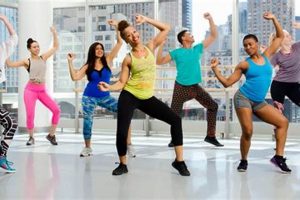
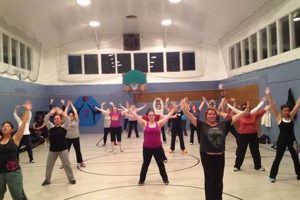
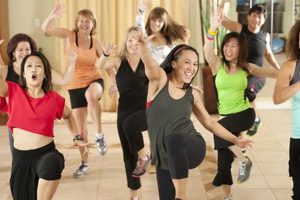
This fitness program combines Latin and international music with dance moves, creating an energetic and dynamic workout. Participants follow the instructor’s choreography, engaging in a cardio routine that incorporates elements of salsa, merengue, cumbia, and reggaeton, among other styles. This approach offers a full-body workout that can improve cardiovascular health, coordination, and mood.
The popularity of this group activity stems from its ability to make exercise feel less like a chore and more like a party. Its benefits extend beyond physical fitness, fostering a sense of community and reducing stress through enjoyable movement. Emerging in the late 1990s, the activity rapidly gained global recognition due to its accessible nature and adaptable format, appealing to a wide range of ages and fitness levels.
The following sections will delve into the specific physical and mental advantages of participating. It will also explore considerations for choosing the right session and discuss tips for maximizing results. Furthermore, it will address common misconceptions and provide insights into the long-term sustainability of incorporating it into a healthy lifestyle.
Guidance for Optimizing the Zumba Exercise Class Experience
To maximize the benefits and enjoyment derived from this type of fitness program, careful consideration of several key aspects is necessary.
Tip 1: Class Selection: Choosing the appropriate class level is paramount. Beginners should seek introductory sessions, while more experienced individuals may benefit from advanced routines. Assess current fitness levels and select accordingly.
Tip 2: Footwear Considerations: Supportive athletic shoes designed for lateral movement are crucial. Proper footwear reduces the risk of injury and enhances stability during dynamic dance routines.
Tip 3: Hydration and Nutrition: Adequate hydration is essential before, during, and after participation. Consuming a light, easily digestible meal approximately one to two hours prior can provide sustained energy.
Tip 4: Listen to the Body: It is imperative to respect personal physical limitations. Modify movements as needed to avoid overexertion and potential injury. Gradual progression is recommended.
Tip 5: Instructor Communication: Engage with the instructor to clarify any uncertainties regarding choreography or modifications. Open communication ensures proper technique and minimizes the risk of misinterpretation.
Tip 6: Embrace the Social Aspect: This group environment promotes a sense of camaraderie and shared motivation. Engaging with fellow participants can enhance enjoyment and adherence to the program.
Tip 7: Consistency is Key: Regular attendance is vital for realizing the full spectrum of physical and mental benefits. Aim for a consistent schedule that aligns with individual fitness goals and time constraints.
Adhering to these recommendations contributes significantly to a safe, effective, and rewarding fitness journey. The cumulative effect of these practices promotes improved cardiovascular health, coordination, and overall well-being.
The subsequent section will address common concerns and misconceptions surrounding this activity, providing evidence-based insights to inform decision-making.
1. Rhythmic Choreography

Rhythmic choreography forms the foundational structure of the activity. It dictates the sequence of movements, ensuring a continuous and engaging workout session. The selection and arrangement of dance steps, typically inspired by Latin and international musical genres, define the character of each class and directly influence the exercise experience. Without a cohesive structure, the activity loses its intended cardiovascular and coordination benefits, becoming an unstructured dance session rather than a purposeful workout. For example, a class may alternate between high-energy salsa steps and lower-impact cumbia moves, creating intervals that challenge different muscle groups and maintain participant engagement.
The effectiveness of a specific approach hinges on the instructor’s ability to blend various dance styles seamlessly. Proper transitions between routines are crucial to maintaining a consistent heart rate and minimizing disruption to the flow. Furthermore, the complexity of the choreography should be calibrated to the skill level of the participants. Overly intricate sequences can lead to frustration and decreased participation, while overly simplistic routines may fail to provide adequate physical challenge. The skill of effectively implementing these dances is critical for success. A carefully designed dance routine provides benefits, contributing to an experience that is both physically rewarding and emotionally uplifting.
In summary, rhythmic choreography acts as a catalyst within the format. It ensures that the fitness class achieves its goal of providing a dynamic and effective workout. The careful selection, arrangement, and execution of the routines are key determinants of its success. This choreography contributes to improvements in cardiovascular health, coordination, and overall well-being. Addressing this integral component will allow students to maximize the experience.
2. Cardiovascular Endurance

This type of activity places significant demands on the cardiovascular system. The continuous movement, rhythmic patterns, and varying intensity levels inherent in the dances elevate heart rate and increase oxygen consumption. This process directly contributes to the improvement of cardiovascular endurance, which is the ability of the heart and lungs to efficiently deliver oxygen to working muscles over a sustained period. An individual with higher cardiovascular endurance can perform physical activities for longer durations with less fatigue. The structured nature of the session, with its alternating periods of high and low-intensity movements, simulates interval training, a recognized method for enhancing cardiovascular function.
Consider a sedentary individual beginning a fitness regimen. Initially, even short bursts of energetic dance may induce breathlessness and muscle fatigue. However, consistent participation in this group activity leads to adaptations within the cardiovascular system. The heart becomes stronger, pumping more blood with each beat, and the lungs become more efficient at extracting oxygen from the air. Over time, the individual experiences a noticeable improvement in stamina and the ability to maintain a higher intensity level throughout the entire duration of the fitness class. This heightened endurance translates into improved performance in other activities, such as climbing stairs, walking long distances, or participating in sports. Furthermore, enhanced cardiovascular function reduces the risk of developing heart disease, stroke, and other related health conditions.
In summary, cardiovascular endurance is a central component, directly influenced by the dynamic movements and structured intensity variations. Consistent participation results in measurable improvements in stamina, leading to enhanced overall fitness. Understanding the connection between the two underscores the importance of this activity as a method for promoting cardiovascular health. Regular performance contributes to a healthier lifestyle and a reduced risk of cardiovascular-related diseases.
3. Community Engagement

Community engagement plays a pivotal role in the overall experience and effectiveness. The group setting fosters a sense of belonging and mutual support among participants. This shared experience creates an environment where individuals are more likely to remain motivated and committed to their fitness goals. The camaraderie that develops within a group can significantly enhance enjoyment and reduce feelings of isolation often associated with individual exercise routines. The collective energy and encouragement contribute to a more positive and uplifting workout, fostering adherence and long-term participation.
The influence of a supportive environment can be observed in various settings. For instance, participants may encourage one another during challenging routines or celebrate individual milestones. Instructors often facilitate this engagement by creating opportunities for interaction and fostering a sense of team spirit. This can involve partner exercises, group celebrations, or simply creating a welcoming and inclusive atmosphere. Real-world examples demonstrate that attendance rates tend to be higher and drop-out rates lower in settings where community engagement is actively cultivated. This suggests that the social element is a crucial factor in the sustainability of this exercise regimen.
In conclusion, community engagement serves as a powerful catalyst for enhancing the benefits. The sense of belonging, mutual support, and shared experience contribute to increased motivation, adherence, and overall enjoyment. Understanding the importance of this social dynamic allows for a more informed and strategic approach to maximizing the potential of a structured exercise program. By actively cultivating a supportive environment, instructors and participants alike can create a more rewarding and sustainable fitness journey.
4. Calorie Expenditure
Calorie expenditure is a significant outcome directly related to participation in this form of structured exercise. The dynamic and continuous nature of the activity results in a substantial energy demand, leading to the burning of calories and contributing to weight management and overall health.
- Intensity Level
The intensity level during the exercise period is a primary determinant of calorie expenditure. Higher intensity routines, involving more vigorous movements and increased exertion, result in a greater number of calories burned per unit of time. Instructors often incorporate intervals of high and low intensity to maximize calorie burn while maintaining participant engagement.
- Duration of Session
The total duration of the session directly influences the overall calorie expenditure. Longer sessions provide more opportunities for sustained movement, leading to a greater cumulative energy demand. Standard classes typically range from 45 to 60 minutes, a duration considered effective for promoting calorie burning while accommodating diverse fitness levels.
- Individual Factors
Individual factors such as weight, age, sex, and metabolic rate play a role in determining the precise number of calories burned during a session. Heavier individuals generally expend more energy than lighter individuals performing the same activity. Similarly, younger individuals may have higher metabolic rates, leading to increased calorie expenditure.
- Muscle Engagement
The extent to which various muscle groups are engaged contributes to calorie expenditure. Routines that incorporate full-body movements and challenge multiple muscle groups simultaneously tend to result in higher energy expenditure. The integration of strength-training elements can further enhance calorie burn and promote muscle development.
The combined effect of these facets highlights the role of this group activity in promoting calorie expenditure. By considering factors such as intensity, duration, individual characteristics, and muscle engagement, participants and instructors can strategically maximize the energy-burning potential, contributing to weight management goals and overall fitness improvements.
5. Mood Enhancement

Engagement has a demonstrably positive impact on mood. This effect stems from a confluence of physiological and psychological mechanisms. Physical activity, including the dynamic movements inherent in this setting, stimulates the release of endorphins, which are natural mood elevators. These neurochemicals interact with receptors in the brain, triggering feelings of pleasure and well-being. Furthermore, focused engagement in physical activity can serve as a distraction from stressors and anxieties, providing a mental break from daily concerns. The combination of these factors contributes significantly to improved emotional states and reduced symptoms of depression and anxiety. For example, individuals reporting increased stress levels often experience a noticeable reduction in tension and an enhanced sense of calm following consistent attendance.
The group setting amplifies the mood-enhancing benefits. The social interaction and shared experience cultivate a sense of belonging and mutual support. This positive social dynamic promotes feelings of connection and reduces feelings of isolation, further contributing to improved mood. Witnessing the progress and enthusiasm of fellow participants can also serve as a source of motivation and inspiration, reinforcing positive emotions and behaviors. Moreover, the structured format and clear expectations of the class provide a sense of predictability and control, which can be particularly beneficial for individuals seeking to manage anxiety or navigate periods of uncertainty. Studies show a positive correlation between participating in group fitness activities and self-reported levels of happiness and satisfaction.
Mood enhancement functions as a key component, contributing significantly to its overall appeal and effectiveness as a fitness modality. By addressing both physical and emotional well-being, it offers a holistic approach to health and wellness. Acknowledging and understanding this connection empowers individuals to leverage the fitness activity not only for physical fitness but also as a proactive strategy for managing mood and promoting mental well-being. Further research into the specific neurochemical mechanisms and psychological factors mediating mood enhancement can contribute to optimizing the experience for a broader range of individuals and addressing potential challenges related to adherence and accessibility.
6. Coordination Improvement

The improvement of coordination is a significant benefit derived from participating in dance-based fitness activities. The structured choreography and dynamic movements necessitate precise timing and body awareness, leading to enhanced motor skills and spatial orientation.
- Neuromuscular Adaptation
Neuromuscular adaptation is the physiological process through which the nervous system and muscles learn to work together more efficiently. The repetitive practice of dance steps strengthens neural pathways, allowing for faster and more accurate muscle activation. Over time, this adaptation translates to improved reaction time and overall agility. For instance, successfully executing a complex salsa combination requires the coordinated activation of multiple muscle groups in precise sequence. This constant demand promotes enhanced communication between the brain and the muscles.
- Spatial Awareness
Spatial awareness refers to the understanding of one’s body position in relation to the surrounding environment. The dynamic movements of this exercise program challenge an individual’s ability to maintain balance and control while navigating changing spatial relationships. Participants learn to anticipate movement, adjust their posture, and avoid collisions with others. This improved spatial awareness can translate to enhanced performance in other activities requiring precision and balance, such as sports or everyday tasks.
- Rhythmic Synchronization
Rhythmic synchronization involves the coordination of movements with an external beat or rhythm. Successfully executing dance steps in time with the music requires the precise timing and coordination of various body parts. This process hones an individual’s ability to perceive and respond to rhythmic cues, leading to improved coordination and musicality. For example, maintaining proper timing while performing a merengue step requires careful attention to the musical beat and the precise execution of footwork and arm movements.
- Motor Skill Development
Motor skill development encompasses the acquisition and refinement of movement patterns. The diverse range of dance styles incorporated in this program exposes participants to a variety of movement challenges, promoting the development of both gross and fine motor skills. Participants learn to control their body with greater precision and efficiency. These skill developments result in an improvement in performing dance choreography, as well as everyday movements.
The coordinated interaction of neuromuscular adaptation, spatial awareness, rhythmic synchronization, and motor skill development contributes to an enhanced experience, fostering both physical and cognitive benefits. Regular participation will improve fitness levels and sharpen cognitive facilities through improved coordination and precision.
7. Adaptable Intensity

The characteristic feature of this group exercise lies in its adaptable intensity, accommodating a diverse range of fitness levels and physical capabilities. This adaptability ensures accessibility and sustainability, making it a potentially suitable option for individuals with varying needs and limitations.
- Modification of Movements
The core feature enabling adaptable intensity is the capacity to modify movements. Instructors typically offer variations of each step, allowing participants to select options that align with their physical abilities and comfort levels. For instance, a high-impact jump can be modified to a low-impact step-touch, reducing stress on joints while maintaining the cardiovascular benefits. This customization allows individuals with injuries, limited mobility, or varying fitness levels to participate safely and effectively.
- Range of Class Formats
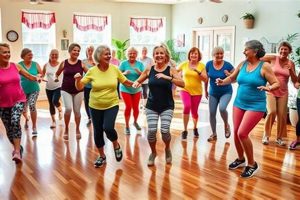
The format encompasses a spectrum of class types, each designed to cater to specific needs and preferences. Aqua sessions offer a low-impact option ideal for individuals with joint pain or mobility limitations. “Gold” sessions are specifically tailored for active older adults, featuring modified routines and reduced intensity. These diverse formats extend the accessibility of the program to a broader demographic, accommodating varying fitness levels and physical conditions.
- Self-Regulation of Effort
Participants retain the autonomy to self-regulate their level of exertion. Individuals can adjust the range of motion, speed of movements, and overall effort based on their personal comfort and fitness goals. This self-regulation empowers participants to listen to their bodies, avoid overexertion, and gradually progress at their own pace. This aspect is particularly valuable for beginners or individuals returning to exercise after a period of inactivity.
- Scalable Choreography
The choreography lends itself to scalability, enabling instructors to adapt the complexity of the routines to suit the skill level of the participants. Simpler routines with fewer steps and less intricate combinations are suitable for beginners, while more advanced routines challenge experienced participants with complex patterns and faster tempos. This scalability ensures that participants of all skill levels remain engaged and challenged without feeling overwhelmed or discouraged.
The adaptability of intensity ensures its broad appeal and long-term sustainability as a fitness regimen. By accommodating a wide range of fitness levels and physical limitations, it allows individuals to engage in physical activity safely and effectively. This adaptability promotes adherence and fosters a positive relationship with exercise, contributing to long-term health and well-being.
Frequently Asked Questions Regarding Zumba Exercise Class
This section addresses common inquiries and misconceptions associated with this fitness program, providing factual information to promote informed decision-making.
Question 1: Is it suitable for individuals with no prior dance experience?
Yes, it is designed to be accessible to individuals with varying levels of dance experience. Instructors typically provide modifications and break down steps to accommodate beginners. The emphasis is on enjoyment and movement rather than technical perfection.
Question 2: What are the potential risks involved?
As with any physical activity, there are potential risks, including muscle strains, sprains, and injuries resulting from falls. These risks can be minimized through proper warm-up, appropriate footwear, listening to the body, and modifying movements as needed. Individuals with pre-existing health conditions should consult with a healthcare professional before participating.
Question 3: How frequently should an individual participate to see results?
The optimal frequency depends on individual fitness goals and current activity levels. However, participating two to three times per week is generally considered sufficient to experience noticeable improvements in cardiovascular fitness, coordination, and mood. Consistency is crucial for achieving sustainable results.
Question 4: Does it effectively contribute to weight loss?
It can contribute to weight loss when combined with a balanced diet and healthy lifestyle. The calorie expenditure during a session can aid in creating a calorie deficit, which is necessary for weight loss. However, results vary depending on individual factors and adherence to a comprehensive weight management plan.
Question 5: Is it a suitable form of exercise for older adults?
Yes, the “Gold” variation is specifically designed for active older adults. These classes feature modified routines, reduced intensity, and a focus on balance and coordination. Consult with a healthcare provider to ensure suitability for individual health conditions.
Question 6: What type of clothing and footwear is recommended?
Comfortable, breathable clothing that allows for a full range of motion is recommended. Supportive athletic shoes designed for lateral movement are essential to prevent injuries and provide stability. Avoid wearing restrictive clothing or footwear that may impede movement.
In summary, it presents a viable option for individuals seeking an enjoyable and effective form of exercise. By addressing potential concerns and emphasizing safety precautions, participants can maximize the benefits and minimize the risks associated with this program.
The next section will delve into strategies for incorporating it into a sustainable fitness routine.
Conclusion
The preceding analysis has elucidated various facets of the zumba exercise class, encompassing its rhythmic choreography, cardiovascular benefits, community engagement, calorie expenditure, mood enhancement, coordination improvement, and adaptable intensity. The synthesis of these elements underscores its potential as a multifaceted approach to physical fitness and overall well-being. It is essential, however, to acknowledge that individual results may vary based on adherence, fitness level, and pre-existing health conditions. Informed participation requires careful consideration of these factors.
The evidence suggests its contribution to a healthy lifestyle. Further research is warranted to explore its long-term effects on specific populations and to optimize its application within diverse community settings. Individuals are encouraged to consult with healthcare professionals prior to engaging in any new exercise regimen. Responsible participation is key to realizing its potential benefits.