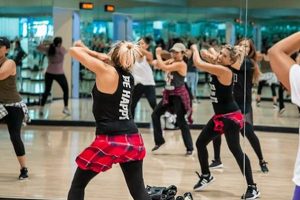
Establishing a Zumba instruction business involves a structured approach encompassing qualifications, business acumen, and marketing strategies. This endeavor necessitates certified training in the Zumba program, coupled with a solid understanding of business operations. Success hinges on effectively reaching a target audience and creating a sustainable business model. For instance, one must obtain the necessary Zumba certifications before advertising classes and securing a suitable venue.
The value of offering dance fitness sessions stems from providing accessible and enjoyable physical activity. These sessions promote cardiovascular health, improve coordination, and enhance overall well-being. The historical context of this type of fitness instruction reveals a growing demand for alternative exercise formats that cater to diverse fitness levels and preferences. Consequently, instructors who can cultivate a welcoming and motivating environment are well-positioned for success.
The subsequent sections will detail the specific steps involved in launching a successful Zumba instruction business, including obtaining certifications, securing insurance, marketing effectively, managing finances, and cultivating a loyal client base. Careful consideration of these elements is critical for long-term viability and growth in the competitive fitness market.
Essential Guidelines for Initiating Zumba Instruction
The following recommendations offer guidance to individuals seeking to establish a career in Zumba instruction. These points highlight critical areas for consideration and action.
Tip 1: Acquire Official Certification: Zumba Fitness, LLC mandates that instructors possess current certifications. Completing the Basic Steps Level 1 training is a fundamental prerequisite.
Tip 2: Secure Appropriate Insurance: Liability insurance safeguards against potential accidents or injuries during class sessions. Conduct thorough research to identify a suitable policy.
Tip 3: Develop a Comprehensive Business Plan: A structured business plan outlines financial projections, marketing strategies, and operational procedures. This document serves as a roadmap for growth.
Tip 4: Identify a Suitable Venue: The location should be accessible, spacious, and equipped with appropriate flooring and sound systems. Consider rental costs and contractual obligations.
Tip 5: Implement Effective Marketing Strategies: Employ a multi-faceted marketing approach, including social media promotion, local advertising, and community outreach programs. Targeted advertising maximizes reach.
Tip 6: Establish Clear Pricing Structures: Determine competitive pricing for classes and packages based on market research and cost analysis. Communicate pricing clearly to potential clients.
Tip 7: Prioritize Client Engagement: Foster a welcoming and inclusive class environment. Soliciting feedback and adapting routines based on client preferences promotes retention.
A focus on certification, risk mitigation, strategic planning, accessible venues, effective promotion, appropriate pricing, and active client engagement are paramount for establishing a sustainable Zumba instruction business.
The concluding section will synthesize the information presented, reinforcing the key elements of a successful Zumba instruction venture.
1. Certification Requirements

Certification represents a foundational element in the establishment of Zumba instruction, forming a direct linkage to the overarching process. Adherence to the stipulations set forth by Zumba Fitness, LLC, is not merely recommended, but required, for individuals seeking to offer sanctioned classes.
- Official Zumba Instructor Training
Successful completion of the Basic Steps Level 1 training constitutes the primary certification requirement. This course equips instructors with fundamental choreography, cueing techniques, and class management skills necessary to lead safe and effective Zumba sessions. Without this initial certification, one cannot legally advertise or conduct Zumba classes under the Zumba trademark.
- Active Zumba Instructor Network (ZIN) Membership
Maintaining an active ZIN membership provides access to a library of choreography, marketing resources, and continuing education opportunities. ZIN membership ensures instructors remain current with new routines and program updates, enhancing the quality of instruction and contributing to client satisfaction. Lapse in ZIN membership can lead to revocation of instructor privileges.
- Continuing Education and Specialized Certifications
Zumba Fitness, LLC, offers specialized certifications in various Zumba programs, such as Zumba Kids, Zumba Gold, and Aqua Zumba. Acquiring these additional certifications allows instructors to diversify their offerings and cater to specific demographics, broadening their potential client base. Continuing education credits are often required to maintain active certifications.
- Legal Compliance and Trademark Usage
Certification grants instructors the legal right to use the Zumba trademark and intellectual property. Unauthorized use of the Zumba brand without proper certification constitutes infringement and can result in legal repercussions. Adherence to certification guidelines safeguards the Zumba brand and ensures quality control.
In summation, Zumba certification encompasses not only initial training but also ongoing education and adherence to legal standards. This holistic approach ensures that instructors possess the necessary skills, knowledge, and legal authorization to offer high-quality, safe, and effective Zumba classes. Ignoring these requirements jeopardizes the instructor’s ability to operate legally and ethically, potentially hindering the long-term success of the Zumba instruction venture.
2. Insurance Coverage

Securing adequate insurance coverage is a fundamental aspect of launching Zumba instruction. This measure protects the instructor and the participants from potential financial liabilities arising from accidents or injuries sustained during class sessions. Without appropriate coverage, the instructor faces significant financial risk.
- General Liability Insurance
General liability insurance covers bodily injury, property damage, and personal injury claims that may occur on the premises where Zumba classes are held. For example, if a participant slips and falls during a class, general liability insurance can cover medical expenses and legal fees. The absence of this coverage exposes the instructor to potential lawsuits and significant financial burdens.
- Professional Liability Insurance (Errors and Omissions)
Professional liability insurance protects instructors against claims of negligence or errors in their teaching practices. This coverage is particularly relevant in cases where participants allege that improper instruction led to an injury. A real-world example might involve a participant claiming injury due to incorrect form demonstrated by the instructor. This coverage mitigates financial losses stemming from such claims.
- Accident Insurance
Accident insurance supplements general liability coverage by providing benefits for medical expenses incurred by participants due to accidents during class. This can include coverage for ambulance services, hospital stays, and rehabilitation. Although general liability might cover these costs, accident insurance offers an additional layer of protection and can expedite the claims process, ensuring timely medical care for injured participants.
- Workers’ Compensation Insurance (if applicable)
If the Zumba instructor employs assistants or other staff, workers’ compensation insurance is typically required. This coverage protects employees in the event of work-related injuries or illnesses. For instance, if an assistant injures their back while setting up equipment for a class, workers’ compensation would cover medical expenses and lost wages. Failure to provide this coverage can result in fines and legal penalties.
In summation, obtaining comprehensive insurance coverageincluding general liability, professional liability, accident, and potentially workers’ compensationis paramount for instructors beginning Zumba instruction. These protections safeguard the instructor’s financial well-being and ensure that participants receive appropriate medical care in the event of an accident. Neglecting this critical step increases the financial vulnerability of the Zumba instruction business and creates unnecessary risk for both instructor and participants.
3. Business Planning

A comprehensive business plan directly impacts the trajectory of a Zumba instruction venture. Its absence correlates with increased uncertainty and potential financial instability. The creation of a detailed plan necessitates a thorough assessment of market conditions, target demographics, and competitive landscapes. For example, a well-researched plan will identify the optimal pricing strategy for classes, balancing profitability with affordability to attract a sufficient clientele. The absence of such planning leads to arbitrary pricing, potentially deterring customers or undervaluing services.
Furthermore, a business plan outlines projected revenues and expenses, enabling the instructor to secure funding, manage cash flow, and anticipate financial challenges. Consider a scenario where an instructor anticipates seasonal fluctuations in class attendance; the business plan should incorporate strategies to mitigate revenue shortfalls during those periods. Without this forward-thinking approach, the Zumba instruction business may struggle to meet financial obligations and maintain operational stability. Additionally, the business plan identifies marketing and advertising strategies to reach the target audience. From online marketing to community outreach programs, a clearly defined strategy ensures efficient allocation of resources and maximizes exposure.
In summation, business planning serves as a cornerstone for initiating Zumba instruction, mitigating risks, and maximizing opportunities. It fosters informed decision-making, financial stability, and strategic resource allocation. The lack of a robust business plan is a significant impediment, potentially hindering growth and threatening the long-term viability of the Zumba instruction business. Therefore, prospective Zumba instructors must prioritize the development of a well-structured business plan as a foundational element of their entrepreneurial journey.
4. Venue Selection

The selection of an appropriate venue constitutes a critical factor in determining the success of Zumba instruction. The physical space directly impacts participant experience, safety, and overall operational efficiency. Therefore, careful consideration must be given to various aspects of the venue to ensure it aligns with the demands of a Zumba class and the needs of prospective students.
- Accessibility and Location
The venues accessibility plays a crucial role in attracting and retaining students. A location easily reached by public transportation or offering ample parking facilities is essential. Consider a studio located within a community center that provides easy access for local residents, contributing to higher class attendance. Conversely, a venue situated in a remote area with limited transportation options may deter potential participants, regardless of the quality of instruction. These accessibility implications directly affect class enrollment and overall business viability.
- Space and Layout
The physical dimensions and layout of the venue must adequately accommodate the dynamic movements inherent in Zumba classes. Sufficient floor space prevents overcrowding and reduces the risk of collisions. For instance, a room with dimensions of 1000 square feet can comfortably accommodate 20-25 participants, allowing for unrestricted movement. Conversely, a cramped space limits the instructor’s ability to teach effectively and compromises the safety of participants. The layout should also be free of obstructions and offer clear sightlines for all attendees.
- Amenities and Equipment
The availability of essential amenities and equipment contributes to the overall quality of the Zumba experience. A well-functioning sound system is paramount for delivering music that motivates and guides participants. Furthermore, adequate ventilation and climate control ensure a comfortable environment, preventing overheating and fatigue. Additional amenities, such as changing rooms, restrooms, and water fountains, enhance participant satisfaction. A venue lacking these basic provisions may negatively impact the perception of the Zumba class and lead to decreased attendance.
- Safety and Flooring
Safety is paramount in any physical activity setting. The venue should adhere to all relevant safety regulations and codes. The flooring surface is of particular importance, as it directly affects the risk of injuries. Sprung floors or dance-specific flooring are ideal, providing cushioning and reducing impact on joints. A slippery or uneven surface increases the risk of falls and sprains. Regular inspection and maintenance of the flooring are essential to ensure a safe environment for all participants. Failure to prioritize safety could lead to injuries and potential legal liabilities.
The facets of venue selection accessibility, space, amenities, and safety intersect to create an environment conducive to successful Zumba instruction. These components influence participant engagement, comfort, and well-being, ultimately impacting class enrollment and long-term sustainability. Therefore, instructors considering offering Zumba instruction must prioritize venue selection and assess each element diligently to create a positive and safe experience for their students. The chosen venue directly reflects the professionalism and commitment to quality of the instructor, shaping the overall perception and success of this business.
5. Marketing Strategies

Effective implementation of marketing strategies is a critical determinant in the success of commencing Zumba instruction. The undertaking of how to start Zumba classes is significantly reliant on creating awareness and generating demand for the offered services. A failure to deploy appropriate marketing techniques often results in limited class enrollment, hindering the establishment of a sustainable business. For example, a new instructor, regardless of their certification or skill, may struggle to attract students if they fail to utilize social media platforms, local advertising, or community outreach initiatives. In essence, marketing serves as the engine that drives participation and revenue generation for these fitness programs.
Marketing plans may encompass various channels. One approach is the utilization of targeted advertising campaigns within local community newsletters or newspapers, directly reaching potential participants within a defined geographic area. Another strategy involves partnering with local businesses, such as gyms or health food stores, to cross-promote Zumba classes. This collaborative approach expands the reach of the instructor’s marketing efforts while simultaneously benefiting the partner businesses. Digital marketing techniques, including search engine optimization (SEO) and pay-per-click (PPC) advertising, can also be deployed to enhance online visibility and attract prospective students actively searching for Zumba classes in their area. Each strategy necessitates careful planning, execution, and monitoring to ensure optimal results. Real-world evidence indicates a direct correlation between comprehensive marketing efforts and increased class attendance.
The synergy between launching Zumba instruction and employing robust marketing strategies is undeniable. Generating leads, converting prospects into paying clients, and maintaining a consistent flow of enrollment are integral components facilitated by marketing endeavors. Challenges may arise in tailoring marketing messages to resonate with diverse demographics or in competing with established instructors. However, a commitment to targeted and adaptable marketing plans remains a fundamental pillar in establishing a thriving Zumba instruction business. The connection is fundamental and not easily circumvented.
6. Client Engagement

Client engagement constitutes a cornerstone of successful Zumba instruction. Sustained class attendance and positive word-of-mouth referrals, both critical for business longevity, are directly influenced by the level of interaction and connection fostered between the instructor and participants. Effective engagement transforms a transactional service into a community-based experience.
- Building Rapport and Community
Establishing a welcoming and inclusive environment is paramount. This involves learning participants’ names, remembering personal details, and fostering a sense of camaraderie. For instance, an instructor who recognizes a participant’s birthday publicly within the class demonstrates a personal touch, fostering loyalty and positive associations with the Zumba session. The absence of such rapport can lead to a sense of anonymity and detachment, potentially impacting attendance rates. Building relationships is integral in how to start zumba classes since this builds a client base.
- Personalized Attention and Modifications
Acknowledging and addressing individual fitness levels and needs enhances the client experience. Providing modifications for exercises accommodates varying physical capabilities, ensuring inclusivity and preventing injuries. An instructor who offers alternative movements for participants with knee problems demonstrates a commitment to individual well-being, increasing client satisfaction. The provision of customized guidance differentiates the instruction and fosters a sense of personal investment in the participants progress. Without the personal touch, the chances to increase attendees may be lowered.
- Seeking and Responding to Feedback
Actively soliciting and incorporating client feedback optimizes the class structure and content. Regularly asking for suggestions regarding music choices, choreography, or class timing demonstrates a responsiveness to participant preferences. An instructor who modifies a routine based on consistent feedback regarding its difficulty showcases a commitment to meeting the needs of their clientele. The act of seeking feedback and acting upon it increases participants’ sense of ownership and investment in the Zumba class. It should be a necessary step on how to start zumba classes to make the classes perfect.
- Maintaining Communication and Follow-Up
Consistent communication outside of class hours strengthens the client-instructor relationship. Sending email reminders about upcoming classes, sharing motivational content, or providing healthy recipe suggestions keeps participants engaged and connected. An instructor who proactively reaches out to a participant who has missed several classes demonstrates a personal concern, potentially encouraging their return. Maintaining lines of communication reinforces the sense of community and provides opportunities for ongoing support and encouragement. This is key for long term business for how to start zumba classes.
The facets of client engagement building rapport, providing personalized attention, soliciting feedback, and maintaining communication are interconnected and contribute significantly to the long-term success of Zumba instruction. These elements transform a simple fitness class into a community-driven experience, fostering loyalty, and generating positive word-of-mouth referrals, ultimately influencing how to start Zumba classes and developing a sustainable and thriving venture.
Frequently Asked Questions
The following section addresses common inquiries regarding the process of how to start Zumba classes, providing clarity on essential requirements and considerations.
Question 1: What are the prerequisites for instructing Zumba classes?
Successful completion of the Basic Steps Level 1 Zumba instructor training constitutes a fundamental prerequisite. This certification, awarded by Zumba Fitness, LLC, ensures instructors possess the foundational skills and knowledge necessary to lead safe and effective classes. Additional certifications may be required for specialized Zumba programs.
Question 2: Is insurance coverage necessary for Zumba instructors?
Obtaining adequate insurance coverage, including general liability and professional liability insurance, is strongly advised. Such coverage mitigates potential financial risks associated with injuries or accidents that may occur during class sessions. The absence of appropriate insurance can expose the instructor to significant financial liabilities.
Question 3: How does one develop a viable business plan for Zumba instruction?
A comprehensive business plan outlines financial projections, marketing strategies, and operational procedures. The plan should incorporate market research, competitive analysis, and a clear understanding of the target demographic. A well-structured business plan serves as a roadmap for achieving financial stability and sustainable growth.
Question 4: What factors should be considered when selecting a venue for Zumba classes?
Venue selection should prioritize accessibility, sufficient space for movement, appropriate flooring, and necessary amenities, such as sound systems and ventilation. The venue should also adhere to all relevant safety regulations and codes. A poorly chosen venue can negatively impact participant experience and safety.
Question 5: Which marketing strategies are most effective for promoting Zumba classes?
Effective marketing strategies include targeted advertising within local communities, partnerships with local businesses, and utilization of digital marketing techniques. A multi-faceted approach maximizes reach and attracts prospective students. Continuous evaluation and adaptation of marketing efforts are essential for optimizing results.
Question 6: How can Zumba instructors foster client engagement and loyalty?
Client engagement can be fostered through personalized attention, building rapport, seeking and responding to feedback, and maintaining consistent communication. Creating a welcoming and inclusive environment promotes client retention and encourages positive word-of-mouth referrals.
The information presented underscores the importance of certification, risk management, strategic planning, venue selection, marketing, and client engagement for establishing a thriving Zumba instruction business.
The subsequent section presents a concluding summary of the key takeaways from this article.
How to Start Zumba Classes
The preceding analysis underscores the multi-faceted nature of how to start Zumba classes. Certification, insurance, business planning, venue selection, marketing, and client engagement form the pillars of a successful Zumba instruction business. Neglecting any of these elements significantly increases the risk of financial instability and operational challenges. Therefore, prospective instructors must approach the undertaking with diligence and careful consideration of each component.
The establishment of a thriving Zumba instruction business demands a sustained commitment to excellence and a dedication to fostering a positive and inclusive environment for participants. The future viability of this venture hinges upon ongoing adaptation to evolving market trends and a proactive approach to meeting the needs of a diverse clientele. Continuous professional development and a commitment to ethical business practices are essential for long-term success.