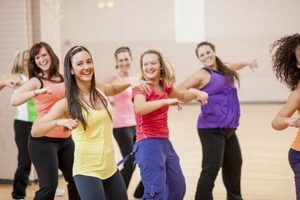
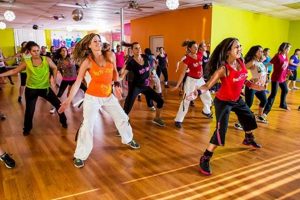
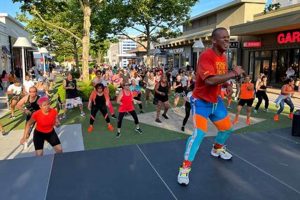
The instruction of Zumba sessions involves leading participants through choreographed dance routines set to upbeat music, primarily Latin rhythms. These sessions provide a structured fitness experience. A qualified instructor guides attendees in performing various steps and movements designed to elevate heart rate and improve overall physical conditioning.
Offering these fitness sessions contributes significantly to community health and well-being by providing an enjoyable and accessible avenue for physical activity. The popularity of this approach stems from its ability to blend exercise with entertainment, making it appealing to a broad demographic. Historically, the format evolved from a need to innovate traditional fitness routines, resulting in a dynamic and engaging workout option.
The following sections will explore the necessary qualifications, training methodologies, and business considerations relevant to successfully leading group fitness environments. Attention will also be given to the techniques for motivating participants and creating an inclusive atmosphere within these settings.
Guidance for Effective Zumba Instruction
The following points offer insights for maximizing the impact and professionalism associated with leading Zumba sessions. Adherence to these guidelines can enhance participant experience and instructor success.
Tip 1: Maintain Current Certification: Renewal of Zumba instructor certification is paramount. This ensures the instructor’s knowledge aligns with the latest choreography, safety protocols, and fitness standards. Lapsed certification may impact credibility and insurance coverage.
Tip 2: Plan Choreography in Advance: Structured session planning allows for a seamless flow of movements. Pre-planned routines enable instructors to focus on cueing, form correction, and participant engagement during the class.
Tip 3: Cue Effectively: Clear and timely cueing is essential for participants to follow choreography. Use verbal and visual cues to signal upcoming transitions and ensure participants understand the movements. Delayed or unclear cues can lead to confusion and potential injury.
Tip 4: Monitor Participant Form: Observation of participant form is crucial for injury prevention. Instructors should actively scan the class and offer gentle corrections to ensure proper technique. Focus should be on common errors and adjustments that benefit the majority.
Tip 5: Adapt to Varying Fitness Levels: Adaptations and modifications are necessary to accommodate different fitness levels. Provide options for low-impact and high-impact variations to ensure all participants can engage safely and effectively. This promotes inclusivity and reduces the risk of overexertion.
Tip 6: Select Appropriate Music: Music selection is fundamental to the Zumba experience. Choose a diverse playlist with appropriate tempo and rhythm to maintain energy levels and motivation. Consider cultural relevance and ensure music licensing compliance.
Tip 7: Foster a Positive Environment: Creating a positive and supportive environment encourages participation and adherence. Instructors should be enthusiastic, approachable, and create a sense of community within the class. Avoid judgment and promote self-acceptance.
The outlined guidance underscores the importance of preparation, safety consciousness, and adaptability when leading these types of fitness sessions. By applying these principles, instructors can contribute to a positive and effective workout experience for participants.
The subsequent sections will delve into the commercial elements, including marketing strategies and operational considerations, for delivering Zumba instruction as a professional service.
1. Certification

Instructor certification is an essential prerequisite for delivering Zumba sessions. The formal certification process validates the instructor’s competence and adherence to standardized practices within the Zumba program, ensuring a consistent and safe experience for participants.
- Validity and Currency
Zumba instructor certifications have an expiration date and require renewal. Maintaining a current certification demonstrates an ongoing commitment to professional development and ensures instructors are up-to-date with the latest choreography, techniques, and safety guidelines. Lapsed certification may affect the instructor’s eligibility to lead official Zumba classes.
- Scope of Training
The initial certification process covers fundamental Zumba rhythms, basic steps, and techniques for effective cueing and instruction. Advanced certifications may focus on specific Zumba programs (e.g., Zumba Kids, Zumba Gold) or provide in-depth training on anatomy, physiology, and injury prevention. The scope of the training equips the instructor with the necessary skills to lead diverse Zumba classes.
- Legal and Insurance Considerations
Certification status often impacts liability and insurance coverage. Many fitness facilities and insurance providers require Zumba instructors to hold valid certification to mitigate risks associated with physical activity. This protects both the instructor and the facility in the event of participant injury or other incidents.
- Brand Affiliation
Holding a valid Zumba instructor certification allows instructors to associate themselves with the Zumba Fitness brand. This provides access to official Zumba marketing materials, promotional opportunities, and instructor support networks. Brand affiliation can enhance credibility and attract participants seeking authentic Zumba experiences.
Possessing and maintaining Zumba instructor certification is a critical component of offering Zumba sessions professionally. The certification process ensures instructors meet established standards of competency and enables them to provide safe, effective, and enjoyable fitness experiences while aligning with brand expectations.
2. Choreography

Choreography serves as the foundational framework upon which Zumba sessions are constructed. It is the planned sequence of movements and steps that, when executed in time with music, forms the core of the Zumba experience. The quality and appropriateness of the choreography directly influence the efficacy and enjoyment of the class.
- Structure and Flow
The arrangement of individual steps into coherent routines is crucial. Choreography should facilitate a logical progression, allowing participants to learn and execute the movements with increasing confidence. Unplanned or disjointed sequences can lead to confusion and decreased engagement.
- Rhythm and Musicality
Effective Zumba choreography is intrinsically linked to the music’s rhythm and style. The selected movements should complement the tempo and accents of the music, creating a synergistic experience for the participants. Mismatched movements and music can detract from the overall workout and enjoyment.
- Fitness Goals and Intensity
Choreography can be designed to target specific fitness goals, such as cardiovascular endurance, muscular strength, or flexibility. The intensity of the movements, the duration of each routine, and the inclusion of high-impact versus low-impact options all contribute to the workout’s overall effect. A well-designed choreography will effectively address these goals.
- Adaptability and Modification
The ability to modify choreography to accommodate participants with varying fitness levels or physical limitations is paramount. Instructors should be prepared to offer alternative steps or adjustments to ensure inclusivity and prevent injury. Rigidity in choreography can exclude participants and compromise safety.
The listed facets underscore the significant role of choreography in these fitness sessions. A planned, rhythmic, and adaptable approach to choreography enhances the participant experience and contributes to the overall effectiveness of each session.
3. Cueing
Within the context of instructing Zumba sessions, cueing represents the method by which the instructor communicates upcoming movements and transitions to participants. Effective cueing is directly causal to participant comprehension and proper execution of the choreographed routines. Insufficient or ambiguous cueing leads to confusion, hindering participant engagement and increasing the potential for improper form, thus elevating the risk of injury. For example, announcing “Four counts to the grapevine!” before executing the step allows participants to anticipate and prepare for the transition, resulting in a smoother and safer experience. The absence of such a cue forces participants to reactively interpret the movement, which diminishes the intended rhythmic flow and aerobic benefit.
The importance of cueing extends beyond simply indicating the next step. Competent cueing also encompasses visual demonstrations and modifications for different fitness levels. Verbal cues combined with visual demonstrations are synergistic, reinforcing understanding for various learning styles. Consider a scenario where the instructor demonstrates a jump, while simultaneously stating, “Option to step instead of jump.” This allows participants to choose a modification based on their physical capabilities, promoting inclusivity and preventing overexertion. Further practical application is observed during complex routines where the instructor breaks down movements into smaller, manageable components, emphasizing the key elements that must be executed correctly. This approach reduces cognitive overload and promotes mastery, enhancing the overall participant experience.
In summary, effective cueing is a vital component of successful Zumba instruction. The use of clear, timely, and multi-sensory cues ensures participant safety, comprehension, and engagement. The challenges associated with inadequate cueing include reduced effectiveness of the workout and increased risk of injury. Recognizing the critical role of cueing in facilitating a positive and safe Zumba experience underscores its practical significance for both instructors and participants, contributing substantially to the broader theme of effective group fitness instruction.
4. Safety
Safety is a paramount consideration in the context of instructing Zumba sessions. The physical nature of the activity necessitates a proactive approach to minimize the risk of injury and ensure the well-being of all participants. A secure environment fosters confidence and promotes adherence to the fitness program.
- Pre-Participation Screening
Implementation of pre-class health questionnaires allows for identification of pre-existing conditions or physical limitations that may affect a participant’s ability to engage safely. Instructors can then offer modifications or recommend alternative activities as appropriate. Failure to screen participants can lead to exacerbation of underlying health issues during the class.
- Proper Warm-up and Cool-down
A thorough warm-up prepares muscles for the physical demands of the routine, reducing the risk of strains or tears. Similarly, a cool-down period allows the heart rate to gradually return to normal, preventing dizziness or lightheadedness. Skipping these critical phases can increase the likelihood of musculoskeletal injuries and cardiovascular complications.
- Appropriate Exercise Modifications
Instructors must provide modifications for individuals with varying fitness levels or physical limitations. Offering low-impact alternatives or adjustments to choreography allows participants to engage safely and effectively without exceeding their physical capabilities. A lack of modifications can lead to overexertion and injury.
- Awareness of Environmental Factors
The physical environment in which the Zumba session takes place must be carefully considered. Adequate space, appropriate flooring, and proper ventilation are essential for participant safety. Obstacles or inadequate space can increase the risk of falls or collisions. Overcrowding can contribute to overheating and discomfort.
Addressing these safety considerations is integral to the responsible instruction of Zumba sessions. A proactive approach to risk mitigation ensures a positive and sustainable fitness experience for all participants. The failure to prioritize safety can have significant consequences, ranging from minor injuries to more serious health complications.
5. Music

Music serves as the central element in these fitness sessions. The selection, tempo, and style of music directly influence the intensity, enjoyment, and overall effectiveness of the workout. Music provides the rhythmic foundation for the choreographed movements.
- Motivational Influence
The primary role of music is to motivate participants and sustain energy levels throughout the session. Upbeat rhythms and familiar songs can elevate mood, encourage active participation, and reduce perceived exertion. Conversely, inappropriate or uninspiring music can decrease motivation and detract from the workout experience. Latin rhythms, specifically, define the core musical style, but diverse genres can be incorporated to broaden appeal.
- Choreographic Alignment
The choreography must align closely with the musical structure. The tempo, accents, and phrasing of the music dictate the timing and execution of the steps. Precise synchronization between music and movement enhances the aesthetic appeal and physical effectiveness of the routines. For example, a faster tempo may necessitate modifications for lower impact.
- Cultural Relevance
The selection of music can reflect diverse cultural influences, contributing to the global appeal. Exposure to different musical styles broadens the participant experience and fosters a sense of inclusivity. However, it is essential to respect cultural sensitivities and avoid appropriation or misrepresentation. Correct pronunciation is key for both instructors and participants.
- Licensing and Copyright
Compliance with music licensing regulations is a legal and ethical requirement. Instructors must obtain appropriate licenses to use copyrighted music in public settings. Failure to comply with licensing agreements can result in legal penalties and damage to the instructor’s professional reputation. Services like Zumba Instructor Network (ZIN) often provide licensed music options.
These facets highlight the multifaceted relationship between music and the delivery of the workout sessions. Music selection is not merely a background element; it is integral to shaping the workout experience, adhering to legal requirements, and establishing a positive and motivating atmosphere.
6. Engagement

Participant engagement is a critical determinant of success when providing Zumba instruction. High engagement levels correlate with increased adherence, improved fitness outcomes, and a positive learning environment. Active participation transforms a simple exercise session into a communal experience.
- Instructor Enthusiasm and Connection
The instructor’s energy and genuine interest in the participants’ progress directly influence engagement. Displaying enthusiasm through dynamic movements, positive verbal reinforcement, and personalized interaction creates a welcoming atmosphere. For example, acknowledging participants by name or offering specific feedback on their form fosters a sense of individual attention. Conversely, a detached or indifferent instructor can diminish participant motivation and overall enjoyment. This instructor connection ensures a bond is created and they feel valued.
- Inclusive Environment and Community Building
Fostering a sense of community promotes interaction and support among participants. Encouraging interaction through partner activities, group celebrations of milestones, or organized social events outside of class strengthens bonds and enhances engagement. A judgmental or competitive atmosphere can inhibit participation and create a sense of exclusion. This environment should be fostered with positivity and acceptance.
- Variety and Adaptability in Routines
Maintaining participant interest requires incorporating variety into the sessions. Introducing new choreographies, musical styles, and fitness challenges prevents monotony and stimulates continued learning. Adapting routines to accommodate different skill levels and physical limitations ensures that all participants feel challenged yet capable. A rigid adherence to a fixed routine can lead to boredom and disengagement.
- Clear Communication and Constructive Feedback
Effective communication is fundamental to maintaining engagement. Providing clear instructions, demonstrating proper technique, and offering constructive feedback empowers participants to improve their skills and achieve their fitness goals. Vague or critical feedback can discourage participants and hinder their progress. This type of reinforcement keeps participants aware of their progress and what can be improved.
The multifaceted nature of engagement underscores its significance within the context of Zumba instruction. The presence of these components is crucial for fostering a positive, supportive, and effective environment. An engaged group leads to not only fitness gains but also lasting relationships, reinforcing a feeling of community, as well as making the workout experience more enjoyable and sustainable.
Frequently Asked Questions
The following section addresses common inquiries regarding the instruction of Zumba sessions, providing concise and factual responses based on industry best practices.
Question 1: What are the prerequisites for becoming a Zumba instructor?
Individuals must complete a Zumba Basic 1 training course and obtain a valid Zumba instructor license to lead Zumba classes legally.
Question 2: How often does Zumba instructor certification need to be renewed?
Zumba instructor licenses require renewal on a regular basis to ensure instructors maintain up-to-date knowledge of choreography and safety protocols. The renewal frequency varies depending on the specific Zumba program.
Question 3: Is it necessary to have a background in dance to become a Zumba instructor?
While a background in dance can be beneficial, it is not a strict requirement. The Zumba training program focuses on teaching the core rhythms and steps, regardless of prior dance experience.
Question 4: What are the legal considerations for playing music in Zumba sessions?
Instructors are responsible for ensuring compliance with music licensing regulations. Purchasing or obtaining appropriate licenses from rights organizations is necessary to legally play copyrighted music in public settings.
Question 5: What is the best way to handle participants with varying fitness levels in a Zumba class?
Offering modifications and progressions for each movement allows participants to adjust the intensity and complexity of the routine to suit their individual fitness levels.
Question 6: What type of insurance coverage is recommended for Zumba instructors?
Professional liability insurance is highly recommended to protect instructors from potential claims arising from participant injuries during class sessions.
These frequently asked questions underscore the importance of proper training, licensing, and risk management within the realm of Zumba instruction.
The subsequent section will explore the strategies for effectively marketing Zumba classes and attracting new participants.
Teach Zumba Classes
This exploration has elucidated critical components associated with the act of instructing Zumba sessions. The importance of certification, the necessity for pre-planned choreography, the value of clear cueing, the prioritization of safety, and the influential role of music were addressed. Furthermore, the significance of participant engagement in fostering a positive and effective workout environment was emphasized.
The insights presented herein serve to underscore the multi-faceted nature of effectively providing group fitness instruction. Competent leadership in this arena demands a synthesis of technical skill, pedagogical acumen, and business awareness. As the demand for accessible and engaging fitness options continues to evolve, those equipped with this comprehensive understanding will be positioned to make a meaningful contribution to community health and well-being.