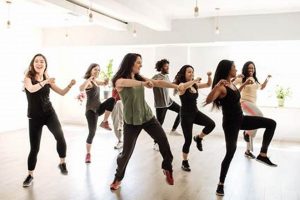
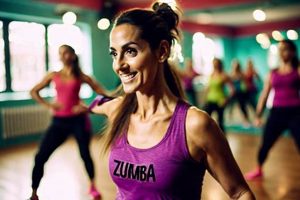
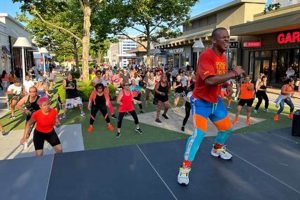
Group fitness activities involving choreographed movements to music, often drawing inspiration from Latin rhythms and international dance styles, provide a full-body workout. Examples include dance fitness programs that incorporate elements of salsa, merengue, and reggaeton, offering an energetic and engaging alternative to traditional exercise routines.
These types of group exercise offer numerous benefits, including improved cardiovascular health, increased muscular endurance, enhanced coordination, and stress reduction. Historically, the popularity of these fitness formats has grown due to their accessibility and ability to make exercise feel less like a chore and more like a social and enjoyable activity. The inclusive nature of these classes allows individuals of varying fitness levels to participate and experience the positive impacts of physical activity.
The following sections will delve into the specific features, health considerations, and variations found within this category of fitness programs, providing a detailed overview for prospective participants and fitness professionals alike.
Guidance for Participating in Energetic Group Fitness Activities
The following are recommendations for individuals considering participation in high-energy, choreographed group fitness activities. These suggestions are intended to maximize benefits and minimize potential risks.
Tip 1: Prioritize Proper Hydration. Maintaining adequate hydration levels is crucial before, during, and after participation. Dehydration can lead to fatigue, muscle cramps, and decreased performance. Consume sufficient fluids throughout the day, especially in the hours leading up to the activity.
Tip 2: Select Appropriate Footwear. Choose athletic shoes that provide adequate support and cushioning for lateral movements and high-impact activities. Improper footwear can increase the risk of ankle sprains and other lower extremity injuries. Consider shoes designed specifically for dance fitness.
Tip 3: Master Basic Steps. Familiarize oneself with the foundational steps of the specific program being undertaken. This allows for smoother transitions, reduces the risk of missteps, and enhances overall enjoyment. Many programs offer introductory sessions or online tutorials.
Tip 4: Listen to the Body. Pay close attention to physical signals and avoid pushing beyond comfortable limits. Modify movements as needed to accommodate individual fitness levels and physical limitations. It is acceptable to take breaks when necessary.
Tip 5: Maintain Controlled Movements. While enthusiasm is encouraged, prioritize controlled and precise movements over speed. This promotes proper form, reduces the risk of injury, and ensures effective muscle engagement.
Tip 6: Pre-existing Conditions. Consult with a healthcare professional before participating, especially if pre-existing health conditions exist. This can help identify any potential risks or necessary modifications to the activity.
Tip 7: Nutrition Considerations. Consume a balanced diet that supports the energy demands of the activity. A combination of carbohydrates and protein before and after participation can aid in performance and recovery.
Following these guidelines will help participants derive maximum benefit from energetic group fitness activities while minimizing the likelihood of injury. Remember to prioritize safety and listen to the bodys signals.
The subsequent sections will further explore specific variations and advanced techniques related to these types of fitness programs, building upon the foundational principles outlined above.
1. Choreography Complexity

Choreography complexity is a critical factor influencing participation and adherence in group fitness programs characterized by dance and rhythmic movement. It directly impacts the accessibility, perceived difficulty, and overall enjoyment experienced by individuals engaging in these activities. The following points detail several facets of choreography complexity within this context.
- Cognitive Load
Cognitive load refers to the mental effort required to learn and execute choreographed sequences. High cognitive load, resulting from rapidly changing steps or intricate patterns, can lead to frustration and discouragement, particularly among novice participants. Conversely, overly simplistic choreography may fail to challenge more experienced individuals, leading to disengagement.
- Learning Curve
The learning curve describes the rate at which participants acquire and retain new choreography. A steep learning curve, characterized by complex routines introduced too quickly, can create a barrier to entry. Gradual progression, with foundational steps building to more advanced combinations, promotes confidence and sustains participation. This enables broader accessibility.
- Physical Coordination Demands
Choreography may demand a high degree of physical coordination, involving synchronized movements of multiple body parts. Individuals with limited coordination or physical limitations may struggle to execute complex routines accurately, potentially leading to injury or reduced enjoyment. Effective programs offer modifications and variations to accommodate diverse abilities.
- Pattern Repetition and Predictability
The degree of pattern repetition and predictability within the choreography significantly affects its accessibility. Routines incorporating repetitive patterns and predictable transitions are generally easier to learn and remember. Conversely, choreography characterized by unpredictable changes and asymmetrical patterns demands greater attention and can increase the cognitive load. Skilled instructors balance novelty with repetition to maintain engagement without overwhelming participants.
Successfully managing choreography complexity involves carefully balancing challenge and accessibility. Programs demonstrating sensitivity to the cognitive and physical demands of the choreography are more likely to attract and retain a diverse participant base, fostering a positive and sustainable fitness experience. The adaptability of choreography is therefore an integral element of a successful and well-attended rhythmic group fitness program.
2. Instructor Qualification

The efficacy and safety of dance-based group fitness activities are significantly dependent upon instructor qualification. The instructor’s competence directly affects participant outcomes and risk mitigation. Inadequate training can result in improper technique instruction, increasing the likelihood of injury and diminishing the potential benefits of the program. Real-world examples consistently demonstrate that participants in classes led by certified and experienced instructors exhibit improved form, reduced injury rates, and increased engagement. Conversely, instances involving unqualified instructors have often led to participant injuries, dissatisfaction, and program attrition. Thus, understanding instructor qualification is practically significant in evaluating the quality and safety of these programs.
Specifically, appropriate instructor qualification includes comprehensive training in anatomy, kinesiology, and exercise physiology, coupled with specialized certifications in the specific dance fitness modality being taught. Furthermore, instructors should possess demonstrable skills in class management, cueing, and modification techniques to accommodate participants with varying fitness levels and physical limitations. For instance, an instructor lacking a thorough understanding of biomechanics may inadvertently cue movements that place undue stress on joints, leading to injuries. The ability to provide clear, concise instructions and offer modifications for different skill levels is crucial for ensuring a safe and inclusive environment for all participants. Practical application of this understanding requires fitness facilities to prioritize hiring certified and experienced instructors, and for participants to actively seek out programs led by qualified professionals.
In summary, instructor qualification is a non-negotiable component of high-quality dance-based group fitness activities. The challenges associated with unqualified instruction range from increased injury risk to reduced program effectiveness. A commitment to qualified instruction ensures safer, more effective, and more enjoyable fitness experiences for all participants. Furthermore, stringent requirements for instructor qualification can help promote the benefits of these activities to a broader demographic.
3. Music Variety

Music variety serves as a foundational element within dance fitness formats, influencing participant engagement, motivation, and adherence. The selection of music directly affects the perceived intensity and enjoyment of the workout, impacting both physiological and psychological responses. A diverse musical repertoire can cater to a broader audience, accommodating varying preferences and cultural backgrounds. The cause and effect relationship is clear: a limited musical selection may lead to boredom and attrition, while a rich variety can enhance participation and sustained engagement. For example, programs incorporating diverse genres, such as Latin rhythms, hip-hop beats, and international melodies, tend to attract a wider demographic than those restricted to a single musical style.
The importance of music variety extends beyond mere entertainment. It plays a functional role in pacing the class, dictating the speed and intensity of movements. Different genres lend themselves to varying tempos and choreography styles, allowing instructors to create a well-rounded workout that targets different muscle groups and energy systems. Furthermore, exposure to diverse musical styles can broaden participants’ cultural awareness and appreciation. Consider a class that integrates elements of salsa, merengue, and cumbia; participants not only improve their fitness but also gain exposure to the rich musical traditions of Latin America. The practical application of this understanding lies in the strategic curation of playlists that blend familiar favorites with novel selections, ensuring both comfort and stimulation.
In summary, music variety is not merely an aesthetic consideration but a critical component influencing the success and sustainability of dance-based fitness programs. Failure to recognize its significance can result in decreased participation and diminished program effectiveness. By prioritizing diverse musical selections, instructors can create more engaging, inclusive, and culturally enriching fitness experiences. Challenges to implementing music variety include licensing restrictions and the need for instructors to possess a broad musical knowledge. Overcoming these obstacles requires careful planning and a commitment to providing participants with a dynamic and rewarding fitness experience.
4. Intensity Level
Intensity level is a fundamental variable impacting both the accessibility and physiological outcomes of group fitness programs involving choreographed movement, such as dance-based exercise classes. Understanding its various facets is crucial for both instructors and participants to optimize benefits while mitigating potential risks.
- Cardiovascular Demand
Cardiovascular demand refers to the stress placed on the circulatory system during physical activity. In high-intensity dance fitness sessions, participants experience elevated heart rates and increased oxygen consumption, leading to improved cardiovascular fitness. However, excessive cardiovascular demand can pose risks for individuals with pre-existing cardiac conditions. Adaptations, such as low-impact modifications and strategically placed recovery periods, are essential for managing cardiovascular intensity.
- Impact Force
Impact force represents the physical stress exerted on joints and muscles during movements involving jumping, leaping, or rapid changes in direction. High-impact activities can contribute to bone density and muscle strength but also increase the risk of musculoskeletal injuries, particularly in the lower extremities. Low-impact alternatives, which substitute high-impact movements with gentler modifications, are commonly used to reduce impact force and accommodate individuals with joint issues or varying fitness levels.
- Metabolic Rate
Metabolic rate reflects the rate at which the body burns calories during exercise. Higher intensity levels correlate with increased caloric expenditure, contributing to weight management and improved body composition. However, sustained high-intensity activity can deplete glycogen stores and lead to fatigue. Balancing intensity with adequate rest and proper nutrition is vital for optimizing metabolic benefits.
- Perceived Exertion
Perceived exertion is a subjective measure of how hard an individual feels they are working during exercise. It is influenced by factors such as fitness level, fatigue, and environmental conditions. While objective measures of intensity, such as heart rate monitoring, are valuable, perceived exertion provides a crucial feedback mechanism for participants to gauge their effort and adjust their activity accordingly. Instructors often use the Borg Scale of Perceived Exertion to guide participants in assessing their intensity levels.
These multifaceted elements of intensity level are integral to the design and implementation of effective and safe dance-based fitness programs. By carefully considering cardiovascular demand, impact force, metabolic rate, and perceived exertion, instructors can tailor classes to meet the diverse needs and abilities of their participants, maximizing the positive impact on their overall health and well-being. Awareness of these facets ensures inclusivity and promotes sustainable engagement in group fitness activities.
5. Studio Environment

The studio environment significantly influences participant experience and program adherence in dance-based fitness classes. The physical space, including factors such as lighting, temperature, sound quality, and floor surface, directly impacts comfort, safety, and motivation. For instance, poor lighting can impede visibility, increasing the risk of missteps and injuries. Inadequate sound systems can diminish the impact of the music, reducing the energy and engagement within the class. An unsuitable floor surface, such as one that is too hard or slippery, can contribute to joint stress and potential falls. The cause-and-effect relationship is evident: a well-designed studio enhances the overall experience, fostering greater enjoyment and commitment, while a poorly designed one can deter participation and increase the risk of injury.
The spatial layout of the studio also plays a crucial role. Sufficient space between participants is necessary to allow for unrestricted movement and prevent collisions. Mirrors can aid in self-correction and improve form but should be positioned strategically to avoid creating distractions or visual clutter. Temperature control is essential for maintaining comfort levels, preventing overheating or muscle stiffness. Furthermore, the aesthetic design of the studio, including color schemes and dcor, can contribute to a positive and motivating atmosphere. An example of practical application includes studios that invest in sprung floors to reduce impact on joints, coupled with high-quality sound systems to enhance the music’s impact. The maintenance and cleanliness of the studio environment are also essential. A tidy, well-maintained space demonstrates professionalism and respect for participants, fostering a sense of trust and belonging.
In summary, the studio environment is an indispensable component of successful dance-based fitness programs. Challenges to creating an optimal environment include budgetary constraints and space limitations. However, prioritizing these factors can significantly enhance participant satisfaction and program effectiveness. Facilities must recognize that the physical space is not merely a backdrop but an active contributor to the overall fitness experience. The impact of a thoughtfully designed and well-maintained studio environment extends to improved participant safety, motivation, and sustained engagement, thereby solidifying the program’s long-term success.
6. Modifications Availability

The availability of modifications within dance-based fitness programs is a critical determinant of program inclusivity and accessibility. The direct cause is the broad range of physical abilities and limitations present within any given participant group. A program without adaptable options can exclude individuals with injuries, mobility restrictions, or varying fitness levels. The absence of modifications creates a barrier to entry, limiting the potential reach and impact of the activity. Examples are readily observable in classes where participants struggle to keep pace or safely execute movements due to physical constraints. The provision of alternative movements, reduced impact options, and adaptable range-of-motion variations addresses these limitations, fostering a more welcoming and effective fitness experience. Understanding this relationship is practically significant, as it informs program design and instructor training, ensuring that classes are accessible to a diverse population.
The implementation of modification strategies requires instructor expertise in movement biomechanics and adaptation techniques. Instructors must be capable of recognizing signs of fatigue, discomfort, or improper form and proactively offer appropriate modifications. These can include simplifying complex choreography, reducing the amplitude of movements, or providing low-impact alternatives. Further, instruction should facilitate self-awareness, empowering individuals to modify movements independently based on their own body feedback. Practical applications of this include incorporating cueing that explicitly states modification options alongside standard movements. The integration of visual aids, such as demonstrative assistants who showcase modified versions of the exercise, also enhances understanding and accessibility for participants. This requires an investment in instructor training and a commitment to creating a supportive and adaptive class environment.
In summary, the availability of modifications is not merely a supplemental feature but an essential component of any successful dance-based fitness program. Challenges to implementation may include instructor training costs and the time required to teach and demonstrate modifications during class. However, the benefits of inclusivity and increased program adherence far outweigh these challenges. A commitment to providing accessible options demonstrates a program’s dedication to participant well-being and expands its reach to a broader audience, ensuring a more sustainable and impactful fitness experience. This approach allows a fitness program to remain dynamic and engaging over the long term.
7. Cardiovascular Impact
Cardiovascular impact represents a critical physiological aspect of dance fitness programs, influencing their efficacy in promoting overall health and well-being. Understanding its nuances is essential for both instructors and participants to maximize benefits and minimize potential risks.
- Heart Rate Elevation
Dance fitness routines, characterized by continuous movement and rhythmic patterns, elicit sustained elevations in heart rate. This sustained increase places demands on the cardiovascular system, leading to improved cardiac function and increased oxygen uptake capacity. For example, a participant engaging in a moderately intense session may experience a heart rate within 60-80% of their maximum, contributing to enhanced cardiovascular endurance. Monitoring heart rate, either through wearable devices or perceived exertion scales, allows for personalized intensity adjustments.
- Blood Pressure Regulation
Regular participation in dance fitness can positively influence blood pressure levels. The combination of aerobic activity and muscle engagement promotes vasodilation, the widening of blood vessels, which in turn reduces blood pressure. Studies have shown that consistent engagement can lead to clinically significant reductions in both systolic and diastolic blood pressure, particularly in individuals with hypertension. However, individuals with pre-existing cardiovascular conditions should consult with a physician before commencing any new fitness program.
- Cholesterol Profile Improvement
Dance fitness may favorably alter cholesterol profiles, increasing levels of high-density lipoprotein (HDL), often referred to as “good” cholesterol, and decreasing levels of low-density lipoprotein (LDL), or “bad” cholesterol. This beneficial shift reduces the risk of atherosclerosis, the buildup of plaque in arteries, and subsequent cardiovascular events. The sustained aerobic activity associated with dance fitness stimulates enzymes involved in cholesterol metabolism, promoting a healthier lipid balance.
- Oxygen Consumption (VO2 Max)
Regular participation in dance fitness can lead to measurable improvements in maximal oxygen consumption (VO2 max), a key indicator of cardiovascular fitness. VO2 max reflects the body’s ability to utilize oxygen during intense exercise. Higher VO2 max values correlate with improved endurance capacity and reduced risk of cardiovascular disease. Dance fitness routines that incorporate varied intensity levels and dynamic movements effectively challenge the cardiovascular system, leading to enhanced VO2 max and improved overall aerobic fitness.
The cardiovascular benefits derived from participation in dance fitness are multifaceted and encompass improvements in heart rate regulation, blood pressure control, cholesterol management, and oxygen utilization. When appropriately implemented, these programs serve as an effective means of promoting cardiovascular health, contributing to a reduced risk of chronic diseases and an improved quality of life. However, mindful consideration of individual health conditions and proper exercise progression is crucial for ensuring safety and maximizing positive outcomes.
Frequently Asked Questions Regarding Dance-Based Group Fitness Programs
The following addresses common inquiries and misconceptions concerning fitness programs that incorporate choreographed dance movements. It aims to provide clear and informative responses to enhance understanding and inform participation decisions.
Question 1: What distinguishes these fitness programs from standard dance classes?
Fitness-oriented programs prioritize cardiovascular and muscular endurance over technical dance proficiency. The focus is on achieving a target heart rate and calorie expenditure through repetitive movements, rather than mastering specific dance techniques or complex choreography.
Question 2: Are these programs suitable for individuals with no prior dance experience?
Yes. These programs are typically designed to be accessible to individuals of all fitness levels, regardless of prior dance experience. Instructors often provide modifications and variations to accommodate different abilities and fitness levels. Emphasis is placed on participation and movement rather than perfection.
Question 3: What are the primary health benefits associated with regular participation?
Consistent participation can lead to improvements in cardiovascular health, muscular endurance, coordination, and body composition. The aerobic nature of these programs contributes to calorie expenditure and weight management. Additionally, the social aspect of group fitness can promote mental well-being.
Question 4: What potential risks or considerations should be taken into account before participating?
Potential risks include musculoskeletal injuries, particularly to the ankles, knees, and lower back. It is crucial to select appropriate footwear, maintain proper form, and listen to the body’s signals. Individuals with pre-existing health conditions should consult with a healthcare professional before participating.
Question 5: How can one assess the quality and safety of a specific program or instructor?
Evaluate the instructor’s qualifications, including certifications in fitness instruction and the specific dance fitness modality. Observe a class to assess the instructor’s ability to provide clear instructions, modifications, and encouragement. Ensure that the studio environment is safe and conducive to physical activity.
Question 6: How often should one participate to achieve optimal results?
The recommended frequency for optimal results is typically two to three times per week, with adequate rest days in between. Consistency is key, and adherence to a regular schedule will yield the greatest benefits over time. Individual fitness goals and limitations should be considered when determining the appropriate frequency.
This FAQ section provides a foundational understanding of dance-based group fitness programs. The information presented is intended for general guidance and should not be construed as medical advice. Consultation with a qualified healthcare professional is recommended before commencing any new exercise program.
The subsequent section will explore advanced training techniques and specialized variations within this category of fitness activities, building upon the core principles outlined above.
Conclusion
The preceding analysis has detailed various facets of classes like Zumba, encompassing choreography complexity, instructor qualification, music variety, intensity levels, studio environment, modifications availability, and cardiovascular impact. These elements collectively define the experience and outcomes associated with participation. A comprehensive understanding of these factors is essential for both potential participants and fitness professionals.
The long-term efficacy and safety of these programs depend on informed decision-making and a commitment to best practices. The principles outlined herein provide a framework for evaluating and optimizing participation in these classes. Continued adherence to these guidelines will contribute to the responsible and sustainable promotion of dance-based fitness activities.