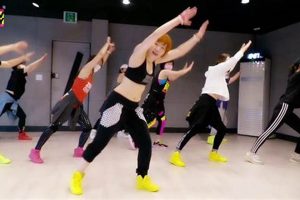
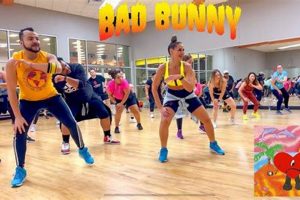
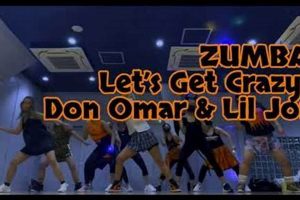
The integration of contemporary, well-known musical compositions into a group fitness dance program enhances participant engagement. This format blends the structured choreography of a fitness regimen with the appeal and familiarity of chart-topping songs, providing an accessible and enjoyable workout experience. As an illustration, a class might feature Latin-inspired dance moves performed to current pop hits remixed with a Latin beat.
This approach to fitness programming offers several advantages. The use of recognizable music can improve motivation and adherence to the workout routine. Participants may find the exercise more enjoyable and less strenuous due to the positive association with the music. Furthermore, exposure to a variety of popular genres can broaden participants’ musical tastes and cultural awareness, evolving from traditional zumba music. Its inception stems from instructors aiming to make exercise more accessible and appealing by incorporating widely enjoyed musical trends.
Understanding the rhythmic structure of these songs, adapting choreography to fit both the music and the fitness goals, and catering to the diverse musical preferences of participants are crucial elements in effectively executing such a class. These considerations will be explored in greater detail in the following sections.
Guidance for Implementing Fitness Programs with Contemporary Music
The following guidelines address key considerations for effectively integrating current musical trends into group fitness classes, specifically targeting enhanced engagement and participant satisfaction.
Tip 1: License Compliance is Paramount. Secure the appropriate licenses for all music utilized within the fitness environment. Failure to adhere to copyright regulations can result in legal ramifications. Public Performance Organizations (PROs) such as ASCAP, BMI, and SESAC provide licensing options for public performances of copyrighted music.
Tip 2: Prioritize Music Selection Based on Tempo and Rhythm. Analyze the beats per minute (BPM) of each song to ensure suitability for the intended exercise intensity. Select music that aligns with the desired level of exertion, whether targeting high-intensity interval training (HIIT) or lower-impact cardiovascular workouts. Consider the rhythmic patterns, ensuring consistent and predictable beats for ease of movement.
Tip 3: Choreography Should Complement Musical Phrasing. Design movement sequences that synchronize with the distinct sections of each song, such as verses, choruses, and bridges. Strategic transitions between exercises should coincide with musical shifts, enhancing the overall flow and coherence of the class. Avoid abrupt changes in movement that clash with the music’s structure.
Tip 4: Optimize Sound Quality and Volume Levels. Implement a high-quality sound system to ensure clear and balanced audio throughout the fitness space. Monitor volume levels to avoid excessive noise that could potentially damage hearing. Conduct sound checks before each class to verify optimal audio projection and minimize distortion.
Tip 5: Diversify Musical Genres to Accommodate Participant Preferences. Offer a range of musical styles to appeal to a broad spectrum of participant tastes. Consider incorporating different genres such as pop, hip-hop, electronic dance music (EDM), and Latin music. Conduct periodic surveys to gather feedback on participant preferences and adapt music selections accordingly.
Tip 6: Monitor Audience Response and Adapt Accordingly. Continuously observe participants’ reactions to the music and adjust playlists based on their engagement levels. Track which songs generate the most positive responses and incorporate similar tracks into future classes. Conversely, eliminate songs that elicit a lackluster reaction or cause noticeable disengagement.
The effective integration of current music requires careful planning, attention to detail, and a commitment to adapting to participant feedback. By adhering to these guidelines, fitness professionals can create engaging and enjoyable exercise experiences that promote adherence and improve overall well-being.
The subsequent sections will address specific techniques for adapting choreography to different musical genres and incorporating culturally relevant movement patterns.
1. Musicality

Musicality forms the core of effective integration of contemporary music into dance fitness programs. It extends beyond merely playing popular songs; it encompasses a deep understanding and utilization of the music’s structure, rhythm, and emotional nuances to enhance the workout experience. Success hinges on the instructor’s capability to translate the inherent qualities of the music into physical movement.
- Rhythmic Interpretation
Rhythmic interpretation involves dissecting the song’s rhythmic components, identifying its underlying beat, and aligning movements accordingly. This ensures that steps are synchronized with the music’s pulse, creating a cohesive and engaging experience. For instance, in a pop song with a strong backbeat, the choreography might emphasize movements on those accented beats, creating a powerful and synchronized feel. Incorrect rhythmic interpretation can lead to disjointed movements and a less effective workout.
- Melodic Phrasing
Melodic phrasing concerns the arrangement of movements in relation to the song’s melodic structure. Identifying phrases within the music and tailoring choreography to match creates natural transitions and dynamic variations within the class. If a song builds to a crescendo, the choreography can mirror this with increasingly energetic movements. Failure to consider melodic phrasing can result in repetitive or monotonous choreography.
- Genre Adaptation
Genre adaptation involves understanding the specific musical characteristics of different popular genres and tailoring the choreography to reflect them. A hip-hop track necessitates different movement qualities than a Latin pop song. Successfully adapting choreography to the nuances of each genre enhances authenticity and appeal. For example, incorporating isolations and sharper movements for hip-hop versus fluid hip movements for Latin music demonstrates genre awareness and enriches the experience.
- Emotional Resonance
Emotional resonance considers how the song’s emotional qualities can be translated into movement. Music evokes emotions, and choreographers can harness this to create a deeper connection with participants. Upbeat and energetic music can inspire powerful and athletic movements, while more emotive songs might inspire more expressive and lyrical choreography. Aligning the emotional tone of the choreography with the music’s emotional content can increase participant engagement and enjoyment.
These facets of musicality directly impact the effectiveness and enjoyment of a workout program integrating popular music. A deep understanding and skillful application of these principles can elevate a routine from a simple workout to an engaging and artistically compelling fitness experience, fostering both physical and emotional well-being within participants. The key is not just to play popular songs, but to become the music through movement.
2. Choreography

In the context of integrating contemporary music into group fitness dance programs, choreography serves as the crucial bridge connecting auditory stimuli with physical exertion. It is the framework through which popular songs are translated into structured movement patterns, thereby defining the participant’s workout experience. The effective implementation of choreography dictates not only the physical benefits derived from the activity but also the level of engagement and overall enjoyment experienced by the participants.
- Synchronization with Musical Structure
Effective choreography must align with the song’s inherent structure, including verses, choruses, bridges, and instrumental breaks. Transitions between movements should coincide with these musical shifts, ensuring a seamless flow. For instance, a powerful chorus might be paired with high-energy movements, while a more subdued verse could incorporate recovery steps. Disregarding musical structure can lead to disjointed and ineffective routines.
- Movement Diversity and Progression
Choreography should incorporate a variety of movement patterns to address different muscle groups and fitness components. The progression of movements, from simpler to more complex, allows participants of varying skill levels to engage effectively. A well-designed routine will include both locomotor movements (traveling steps) and non-locomotor movements (stationary actions) to provide a comprehensive workout. Avoidance of repetitive movements and inclusion of diverse exercises contribute to sustained participant interest.
- Adaptability to Various Genres
Contemporary music encompasses a wide range of genres, each with distinct rhythmic and stylistic characteristics. Choreography must be adaptable to these variations. Hip-hop music might require sharp, angular movements, while Latin music could necessitate fluid, circular motions. An instructor’s ability to effectively adapt choreography to different genres ensures a wider appeal and prevents monotony. Neglecting stylistic adaptation can result in inauthentic and less engaging routines.
- Safety and Modification Considerations
Choreography must prioritize participant safety. Movements should be accessible to individuals with different fitness levels and physical limitations. The instructor should provide modifications for more challenging steps, allowing participants to adjust the intensity according to their needs. High-impact movements should be balanced with lower-impact options. Failure to consider safety can lead to injuries and decreased participant satisfaction.
The skillful application of these choreographed elements transforms a collection of popular songs into an immersive and beneficial fitness experience. When synchronized movements match the music and include adjustments for fitness levels, attendees benefit. The ultimate objective is the seamless integration of contemporary popular music, resulting in physical exercise that enhances well-being and increases happiness.
3. Licensing
The utilization of popular songs within a fitness class, specifically in the context of dance-based exercise formats, necessitates strict adherence to copyright law. Licensing, in this framework, becomes a critical element, dictating the legality of publicly performing copyrighted musical works. Without proper licensing, instructors and fitness facilities expose themselves to potential legal repercussions, including substantial fines and legal action from copyright holders. This consequence underscores the direct cause-and-effect relationship between the unauthorized use of copyrighted music and potential legal liability.
The importance of licensing as an integral component of integrating contemporary music lies in respecting the intellectual property rights of composers, songwriters, and publishers. Public Performance Organizations (PROs), such as ASCAP, BMI, and SESAC, act as intermediaries, collecting royalties on behalf of copyright owners. Fitness facilities typically acquire blanket licenses from these PROs, which grant permission to play a vast repertoire of music within their premises. However, it is incumbent upon both the facility and the instructor to ensure that the scope of these licenses covers the specific manner in which the music is being used, including the choreography and any modifications made to the original compositions. For example, a fitness studio hosting a “dance to top 40 hits” class requires these licenses.
In summary, understanding the practical significance of licensing is paramount for individuals and organizations involved in offering dance fitness classes that incorporate popular music. Failure to secure appropriate licenses not only undermines the creative efforts of artists but also poses significant legal and financial risks. By prioritizing licensing compliance, instructors and facilities demonstrate a commitment to ethical business practices and contribute to a sustainable ecosystem for music creators. Navigating the complexities of copyright law can present challenges, but adherence to these principles is essential for the long-term viability and integrity of the fitness industry.
4. Engagement
Participant engagement constitutes a critical determinant of success within group fitness programs incorporating popular songs. This encompasses not only physical participation but also sustained interest, motivation, and a sense of connection with the exercise experience. High levels of engagement translate to improved adherence, enhanced workout intensity, and positive psychological outcomes.
- Musical Familiarity and Nostalgia
The use of recognizable and emotionally resonant music fosters immediate engagement. Popular songs often evoke memories and positive associations, creating a more enjoyable and motivating environment. For example, the inclusion of a well-known song from a participant’s youth can elicit a sense of nostalgia and increase enthusiasm. Conversely, the selection of unfamiliar or disliked music can lead to disengagement and reduced participation.
- Choreographic Appropriateness and Accessibility
Choreography that aligns with the musicality of the song and caters to varying fitness levels is essential for sustained engagement. Movements should be both challenging and achievable, allowing participants to experience a sense of accomplishment. The provision of modifications and variations ensures that individuals of all abilities can participate effectively. Overly complex or physically demanding choreography can lead to frustration and disengagement.
- Social Interaction and Community Building
Group fitness environments provide opportunities for social interaction and community building, which contribute significantly to engagement. Participants often form bonds with instructors and fellow classmates, creating a supportive and motivating atmosphere. Activities that encourage interaction, such as partner exercises or group challenges, can further enhance engagement. Isolation or a lack of social connection can diminish the overall experience.
- Instructor Enthusiasm and Connection
The instructor’s enthusiasm and ability to connect with participants play a crucial role in fostering engagement. An energetic and motivating instructor can inspire participants to push themselves harder and enjoy the workout more. Effective communication, positive reinforcement, and personalized attention can further strengthen the instructor-participant bond. A disengaged or unenthusiastic instructor can negatively impact the overall class atmosphere.
These facets of engagement highlight the interconnectedness between musical selection, choreographic design, social dynamics, and instructor effectiveness within group fitness programs. By carefully considering these elements, fitness professionals can create engaging and rewarding experiences that promote long-term adherence and enhance overall well-being. Prioritizing the needs and preferences of participants and adapting the program accordingly is essential for maximizing engagement and achieving positive outcomes.
5. Adaptability
Adaptability represents a cornerstone in the successful execution of dance fitness programs that incorporate current musical trends. Its significance extends beyond mere modification of existing routines; it requires a comprehensive understanding of diverse musical styles, varying fitness levels, and evolving participant preferences. This multifaceted element dictates the relevance and sustainability of programs incorporating popular music.
- Musical Genre Fluidity
The capacity to seamlessly transition between disparate musical genres, such as hip-hop, Latin, and pop, is paramount. Each genre possesses distinct rhythmic characteristics and stylistic nuances that necessitate corresponding adjustments in choreography and instructional delivery. A fitness class incorporating these styles must accommodate the different tempos, accents, and movement qualities inherent in each musical form.
- Fitness Level Differentiation
Adaptability must account for the varying fitness levels of participants. The choreography must be scalable, providing modifications and progressions to accommodate both novice and advanced individuals. Lower-impact alternatives, simplified movement patterns, and optional intensity boosters allow all participants to engage effectively and safely. These options should reflect a thoughtful progression and regression plan, not merely afterthoughts.
- Participant Preference Responsiveness
Effective adaptability includes responsiveness to participant feedback and preferences. Soliciting input regarding musical selections, choreographic difficulty, and overall class structure enables instructors to refine their approach and enhance participant satisfaction. Periodic surveys, informal discussions, and direct observation provide valuable insights into the evolving needs and desires of the class. This feedback loop ensures the program remains relevant and engaging.
- Space and Equipment Accommodation
Adaptability extends to the physical environment in which the class takes place. Choreography must be adaptable to varying studio sizes and the availability of equipment. Movement patterns should be modifiable to prevent overcrowding and minimize the risk of collisions. When equipment such as resistance bands or dumbbells is incorporated, its use must be seamlessly integrated into the existing choreography.
Ultimately, adaptability serves as the linchpin connecting the inherent dynamism of popular music with the diverse needs and preferences of fitness participants. Embracing this principle ensures that dance fitness programs utilizing contemporary music remain inclusive, challenging, and sustainable, promoting long-term engagement and positive health outcomes. The success of this method resides not in the music itself, but in the instructor’s abilities to apply a wide range of fitness levels, and space and equiptment.
6. Diversity

The integration of diverse musical selections within a group fitness dance program directly impacts participant inclusivity and engagement. The use of only one musical genre or artist inherently limits the appeal and accessibility of the class. This restriction may cause participants to feel excluded or unrepresented, leading to reduced participation and a sense of disconnect from the fitness experience. For instance, a class solely featuring Latin music might not resonate with individuals unfamiliar with that cultural style or preferring alternative genres. The goal to provide a workout with popular songs that makes a workout feel less like work and more like dancing, the diversity in music allows more options.
A commitment to musical diversity broadens the appeal of the program and creates a more welcoming environment. Inclusion of varied genres, such as hip-hop, pop, electronic, and world music, caters to a wider range of musical tastes and cultural backgrounds. A class may seamlessly transition between a high-energy K-Pop hit and a classic R&B anthem, allowing participants to connect with music that resonates with them personally. Instructors consider factors such as tempo, rhythmic patterns, and choreographic compatibility to develop music. In a real-world context, fitness facilities often conduct surveys to gather feedback on musical preferences, ensuring class content reflects the community’s interests.
Ultimately, prioritizing diversity is essential for creating a sustainable and inclusive fitness program. Overcoming challenges such as securing licenses for a wide range of music and developing choreography, that is suitable to genres is crucial to reach the goal of inclusive approach to physical fitness. By embracing musical variety, fitness professionals can cultivate a sense of belonging and contribute to a more equitable and engaging workout experience for all participants. Diversity provides opportunities to those that don’t like one genre of music, to still have the chance to work out to their own liking.
7. Sustainability

The endurance of dance fitness programs hinges on multiple factors, including consistent engagement, evolving preferences, and operational viability. In the context of incorporating current musical trends, sustainability addresses the long-term success of these programs by ensuring they remain relevant, appealing, and economically feasible.
- Instructor Skill Development
The longevity of fitness classes incorporating popular music depends on instructors’ capabilities to stay current with musical trends and choreographic techniques. Ongoing professional development, including workshops and certifications, is crucial for maintaining instructor expertise and preventing burnout. If instructors lack these skills, the program may become stagnant, losing participants’ attention over time.
- Participant Retention Strategies
Sustaining enrollment requires proactively addressing participants’ evolving needs and preferences. Regular surveys, feedback sessions, and personalized attention can help identify areas for improvement and ensure continued satisfaction. For example, offering themed classes based on current popular music trends can attract new participants and re-engage existing ones. Lack of proactive strategies could lead to an eventual decline in participation and the need to discontinue.
- Music Licensing Compliance
Long-term economic viability necessitates strict adherence to copyright law. Regularly renewing music licenses and accurately reporting music usage protects against legal action and ensures fair compensation for artists. Failure to comply with licensing requirements can result in fines, legal fees, and damage to the reputation of the fitness facility. Ignoring compliance jeopardizes the program’s existence.
- Program Innovation and Adaptation
The fitness landscape constantly evolves, requiring ongoing innovation to maintain a competitive edge. Introducing new formats, incorporating emerging technologies, and adapting to changing fitness trends are essential for long-term success. For example, integrating virtual reality elements or live streaming options can attract a wider audience and enhance the workout experience. A lack of adaptation can lead to obsolescence as newer, more appealing options emerge.
Ultimately, sustainability in dance fitness classes relies on a holistic approach that addresses instructor expertise, participant engagement, legal compliance, and program innovation. By prioritizing these factors, fitness professionals can create thriving programs that remain relevant, appealing, and economically viable for years to come, promoting long-term health and wellness benefits for participants, and fostering lasting enjoyment for all participants dancing to their favorite song.
Frequently Asked Questions
This section addresses common inquiries regarding the integration of contemporary music into dance-based fitness programs. The information provided aims to clarify key considerations and best practices.
Question 1: Is it mandatory to use current Top 40 hits exclusively in such classes?
No, the selection of music should prioritize a balance between familiarity and musicality. While Top 40 hits can be effective, considering a broader range of popular genres and eras may enhance participant engagement and cater to diverse preferences.
Question 2: What are the primary legal concerns associated with using popular music in a fitness setting?
Copyright infringement is the main legal concern. The public performance of copyrighted music requires appropriate licenses from Performing Rights Organizations (PROs) like ASCAP, BMI, and SESAC. Failure to obtain these licenses can lead to legal action.
Question 3: How can choreography be adapted to accommodate participants with varying fitness levels?
Adaptation involves providing modifications and progressions for each movement pattern. Instructors should offer lower-impact alternatives, simplified steps, and opportunities to increase the intensity based on individual capabilities.
Question 4: What strategies can maximize participant engagement in these types of classes?
Engagement is fostered through musical familiarity, choreographic appropriateness, social interaction, and instructor enthusiasm. Creating a supportive environment where participants feel comfortable and motivated is essential.
Question 5: How often should playlists be updated to maintain participant interest?
Playlist updates should occur regularly, ideally every 4-6 weeks, to keep the music selection fresh and prevent monotony. Participant feedback should inform these updates.
Question 6: What are some methods for incorporating diverse musical styles while maintaining a cohesive class structure?
Cohesion is achieved through careful selection of songs with compatible tempos and rhythmic patterns. Transitions between genres should be seamless and well-choreographed, ensuring a unified workout experience.
In summary, the responsible and effective integration of popular music into dance fitness programs requires attention to legal requirements, choreographic considerations, and participant engagement strategies. Implementing these guidelines supports a successful and enjoyable workout environment.
The next section will address case studies and practical examples of successful integration strategies.
Conclusion
This exploration of “zumba to popular songs” has illuminated crucial aspects of its implementation. Topics such as legal licensing considerations, the importance of carefully crafted choreography and instructor adaptability, along with the need for diversification in music selection, have been addressed. These factors, when executed effectively, contribute to the creation of a dynamic fitness experience.
Continued adherence to best practices and a commitment to responsible, informed integration will be paramount in realizing the full potential of “zumba to popular songs”. By acknowledging both the artistic and legal complexities, fitness professionals can promote sustained engagement and contribute to participant well-being.