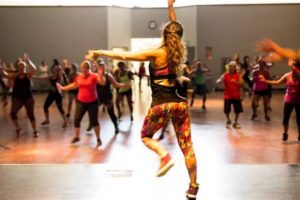
The occupation involves leading fitness classes that blend Latin rhythms and dance moves. This profession centers around guiding participants through choreographed routines designed to improve cardiovascular health, coordination, and overall fitness levels. Success in this field often depends on the instructor’s ability to create an energetic and inclusive atmosphere, fostering participant engagement and motivation.
The value of this vocational path lies in its contribution to public health and well-being. Individuals in this role facilitate access to enjoyable and effective exercise, potentially mitigating risks associated with sedentary lifestyles. Historically, similar roles have evolved from dance instructors and fitness specialists adapting to changing trends in exercise and entertainment, demonstrating the ongoing need for qualified individuals in this activity-based sector.
The following sections will provide more detail on the skills and qualifications required, the process of obtaining certification, and the potential career trajectory within the fitness industry. Furthermore, we will examine the essential elements for effectively marketing classes and building a sustainable client base. Finally, we will cover the potential compensation models that can be expected in different settings.
The following outlines essential guidance for those pursuing opportunities within the fitness sector, specifically focused on facilitating dance-based exercise programs. Careful consideration of these points can contribute to long-term professional success.
Tip 1: Prioritize Comprehensive Certification. A widely recognized certification from a reputable organization is crucial. Validate the certifying body’s accreditation and ensure the curriculum covers anatomy, physiology, and safe instruction practices.
Tip 2: Master Choreography and Cueing Techniques. Effective instruction relies on clear, concise cueing and precise execution of dance movements. Regularly practice and refine choreography to ensure seamless transitions and participant comprehension.
Tip 3: Cultivate Engaging and Inclusive Class Environments. Successful instruction fosters a welcoming atmosphere for individuals of all fitness levels and backgrounds. Adapt modifications for those with physical limitations and encourage positive interaction among participants.
Tip 4: Develop Strong Music Selection Skills. The music is integral to the experience. Curate playlists that are high-energy, motivating, and culturally relevant. Maintain variety and adjust tempo based on the class’s intensity level.
Tip 5: Implement Effective Marketing and Promotion Strategies. Promoting classes through social media, local community centers, and partnerships with health organizations can expand reach and attract new clients. Highlight the health benefits and unique aspects of the class to differentiate it from competitors.
Tip 6: Maintain Professional Development and Continuous Learning. The fitness industry is constantly evolving. Stay current with the latest trends and techniques through workshops, conferences, and continuing education courses. This dedication demonstrates a commitment to excellence and enhances credibility.
Tip 7: Focus on Building Client Relationships. Cultivating rapport with participants encourages loyalty and positive word-of-mouth referrals. Remember participant names, provide personalized feedback, and create opportunities for social interaction outside of class.
Adherence to these principles will enhance the instructor’s ability to provide safe, effective, and enjoyable exercise experiences, contributing to career longevity and success.
The subsequent section will address strategies for career advancement and strategies to optimize income potential in the long term.
1. Certification requirements.

The acquisition of formal certification is a mandatory prerequisite for individuals pursuing opportunities as movement instructors within the licensed program. This process is not merely procedural; it signifies the attainment of specific competencies necessary for safe and effective class delivery. The nature and scope of these requirements have a direct and significant impact on the competence and credibility of a movement instructor.
- Initial Training Completion
The first step involves successfully finishing a standardized training course. This curriculum covers fundamental movement techniques, basic anatomy, and injury prevention strategies. For instance, completing the Basic Steps Level 1 training provides the foundation for leading introductory classes. Failure to meet the curriculum standards results in denial of certification and ineligibility to teach under the trade name.
- License Agreement Adherence
Instructors are required to adhere to a legally binding agreement that governs the use of intellectual property and branded materials. This license ensures that instructors use only approved choreography and marketing resources, maintaining consistency and quality across all affiliated classes. Non-compliance can result in revocation of certification and legal action.
- Continuing Education Obligations
Maintaining active certification often necessitates the completion of continuing education courses or workshops. These activities serve to update instructors on new routines, safety protocols, and pedagogical approaches. For example, renewal typically requires participating in a specified number of workshops per year. Failing to meet these requirements can lead to a lapse in certification status.
- Background Checks and Insurance Coverage
Many certifying bodies mandate background checks and require instructors to maintain personal liability insurance. These measures protect both the instructors and class participants from potential legal or financial risks. For instance, a criminal record may disqualify an individual from certification. Insurance coverage safeguards the instructor against claims arising from injuries sustained during classes.
Consequently, these certification requirements shape the entry-level standards for the movement-based fitness profession. Strict enforcement of these standards contributes to the program’s reputation for safety and effectiveness, influencing public perception and participant confidence. These elements create a controlled and standardized experience, and reinforce its reputation as a safe and reliable workout modality.
2. Choreography mastery.

Choreography mastery constitutes a fundamental pillar within the professional landscape. Competency in this area directly influences the effectiveness of class instruction, participant engagement, and ultimately, the instructor’s career sustainability. A deficient understanding of dance steps and movement patterns can lead to participant confusion, increased risk of injury, and a diminished overall class experience. For example, an instructor unable to clearly demonstrate or break down complex sequences may struggle to retain students, impacting class attendance and revenue generation.
Conversely, an individual with significant choreography expertise can curate engaging and effective class routines tailored to diverse skill levels. Such expertise allows for the seamless integration of variations and modifications, catering to individuals with physical limitations or specific fitness goals. Consider a scenario where an instructor adeptly incorporates simpler modifications for elderly participants while simultaneously challenging more advanced students with complex variations. This adaptability demonstrates mastery and fosters an inclusive environment, promoting long-term participation and positive word-of-mouth referrals. Furthermore, this competence enables the creation of unique and memorable class experiences, differentiating the instructor from competitors and solidifying their reputation.
In conclusion, proficiency in choreography directly impacts professional success. While certification provides a foundational understanding, continuous development of choreographic skills is essential for career longevity and building a loyal client base. Ignoring this critical aspect can hinder growth, while prioritizing it fosters a thriving vocational trajectory.
3. Class environment.
The characteristics of the class directly impact its success and sustainability, and are inextricably linked to the potential for a fulfilling and viable career for the dance fitness professional. A positive and well-managed setting enhances the participant experience, fostering loyalty and encouraging new attendees. Conversely, a negative or poorly managed environment can deter participants, resulting in decreased attendance and professional setbacks.
- Safety Protocols and Risk Management
The physical space should be conducive to safe movement, free from obstructions, and appropriately sized for the number of participants. The flooring should provide adequate traction and cushioning to minimize the risk of injury. The dance fitness professional must enforce rules regarding appropriate attire, hydration, and modifications for pre-existing conditions. Neglecting these aspects can lead to incidents, compromising participant well-being and exposing the instructor to liability risks. Compliance with safety standards fosters trust and encourages consistent participation.
- Atmosphere and Inclusivity
An inviting environment transcends mere physical space. The instructor’s demeanor, music selection, and interaction with participants establish the tone of the class. Encouraging positive social interaction, celebrating individual achievements, and providing modifications for varying fitness levels contribute to a sense of inclusivity. A hostile or judgmental atmosphere, on the other hand, can alienate participants and lead to attrition. The skilled instructor cultivates a space where individuals feel comfortable and motivated, regardless of their fitness background.
- Music and Acoustics
The quality of the sound system and the acoustics of the room significantly impact the overall experience. Music should be played at an appropriate volume, allowing participants to clearly hear instructions while still feeling energized by the beat. Echoing or distorted sound can hinder communication and detract from the enjoyment. Careful consideration of sound quality enhances the auditory experience, positively impacting participant engagement and motivation.
- Class Structure and Pacing
A well-structured class flows logically from warm-up to cool-down, incorporating appropriate intervals of high-intensity exercise and active recovery. The instructor should monitor participant exertion levels and adjust the pace accordingly. A haphazardly structured class can lead to fatigue, injury, and a diminished sense of accomplishment. A carefully designed and paced class maximizes fitness benefits while minimizing the risk of adverse events, contributing to participant satisfaction and retention.
In summation, “Class environment” is not merely a physical setting, but a multifaceted ecosystem shaped by the dance fitness professional. Prioritizing safety, inclusivity, sound quality, and structured choreography cultivates a space where participants thrive, enhancing both their physical well-being and the instructor’s opportunities for sustained professional growth. A holistic approach to this environment is thus paramount for a long and fruitful vocational journey.
4. Music proficiency.

Music proficiency represents a critical determinant of success within the vocational path. The selection, mixing, and timing of music directly influences participant engagement, motivation, and the overall effectiveness of the exercise routine. A lack of skill in these areas can lead to a disjointed class experience, negatively impacting participant retention and the instructor’s professional reputation. The selection of music impacts energy levels and a sense of cultural authenticity. Without a nuanced understanding of musicality, the fitness professional may find it challenging to create a dynamic and engaging atmosphere, resulting in a less effective workout. For example, if song transitions are abrupt or poorly timed, participants may lose their rhythm and become frustrated, diminishing the intended benefits of the exercise session.
Furthermore, the capability to adjust playlists based on the participants’ preferences and fitness levels demonstrates adaptability and enhances the sense of inclusivity. An instructor who understands music structure and can modify the routine in response to the energy levels can significantly improve the class experience. For instance, during a low-energy period, the individual might introduce a high-intensity track to re-energize the class. It also supports marketing efforts. A unique and effective playlist can be a strong selling point, attracting participants seeking a distinctive experience. Moreover, a fitness instructor with a strong understanding of diverse musical genres may broaden their appeal, attracting a wider demographic to their classes. The capability to compile such music requires time and practice and is directly related to experience.
In conclusion, music proficiency is not merely a supplementary skill, but an essential component within the field. It dictates the tempo, energy, and cultural relevance of a class. The fitness professional can enhance participant engagement and build a robust professional career by prioritizing the development of these skills. Ignoring this critical element risks compromising the quality of instruction and potentially jeopardizing long-term career prospects, whereas the deliberate cultivation of musical expertise facilitates the creation of dynamic, engaging, and culturally enriching classes that foster participant loyalty and professional success.
5. Marketing Skills.

Marketing skills represent a critical, yet often underestimated, component within a fitness profession. In this field, the possession of strong marketing capabilities directly correlates with the capacity to build a sustainable client base, increase class attendance, and ultimately, secure long-term professional success. The link between the capacity to promote effectively and career longevity is undeniable; without it, even the most skilled instructor may struggle to attract and retain participants in a competitive market. For instance, an instructor excelling in choreography and class delivery, but lacking the ability to promote their classes through social media, local community events, or targeted advertising, may face challenges in filling class slots and achieving financial stability.
Effective marketing involves a multifaceted approach, encompassing online and offline strategies. Social media platforms, such as Instagram and Facebook, offer invaluable avenues for instructors to showcase their expertise, share class schedules, and connect with potential clients. Utilizing targeted advertising campaigns, creating engaging content that highlights the benefits of dance fitness, and fostering a strong online community are essential elements of a successful marketing strategy. Moreover, participation in local health fairs, partnerships with community centers, and offering introductory workshops can expand reach and attract new participants. Success requires a deep understanding of the target audience, including their demographics, interests, and motivations.
Ignoring the necessity of marketing is detrimental to long-term vocational prospects. While exceptional teaching skills are fundamental, they are insufficient without the ability to effectively communicate the value proposition and attract a consistent stream of participants. The capacity to market effectively empowers fitness professionals to control their career trajectory, increase their earning potential, and establish a thriving and sustainable enterprise. The fitness professional is thus wise to prioritize the development of marketing acumen alongside technical expertise, creating a synergy that maximizes their prospects for a successful and fulfilling vocational path.
6. Continuous learning.
within the fitness industry, and especially within a dynamically evolving field, represents a crucial element for maintaining professional relevance, ensuring participant safety, and fostering long-term career sustainability. A static skillset rapidly becomes obsolete, potentially hindering the instructor’s ability to attract and retain clients in a competitive market. The ongoing pursuit of knowledge and skill refinement is thus paramount.
- Staying Abreast of Evolving Fitness Trends
The fitness industry witnesses constant innovation in exercise methodologies, nutritional guidance, and technological integration. Movement instructors must actively monitor these trends to adapt their teaching styles and class content accordingly. Failing to incorporate updated techniques can result in classes becoming outdated and less appealing to potential participants. The consistent review of new research allows for the adoption of improved methods and an increased appeal to the modern fitness consumer.
- Enhancing Understanding of Anatomy and Physiology
A deeper comprehension of human anatomy and physiology enables instructors to design safer and more effective exercise programs. Knowledge of muscle mechanics, joint function, and potential injury risks allows for the creation of routines that minimize the likelihood of strain or trauma. The capacity to modify movements based on individual participant needs and limitations enhances safety and promotes long-term adherence. A robust understanding of the human body is therefore foundational to ethical and effective practice.
- Developing Advanced Choreography and Cueing Skills
Mastery of choreography extends beyond the memorization of steps; it involves understanding the principles of movement sequencing, musicality, and creative expression. Refinement of cueing techniques ensures clear communication and facilitates participant comprehension, leading to improved class engagement and reduced confusion. Regular workshops and training sessions focused on choreography and cueing enhance the instructors ability to provide a dynamic and accessible experience. The ability to evolve alongside changing tastes enhances relevance and appeal.
- Maintaining CPR and First Aid Certifications
While not directly related to the technical aspects of dance fitness instruction, maintaining current CPR and First Aid certifications represents a critical aspect of professional responsibility. Preparedness to respond effectively to medical emergencies safeguards participant well-being and mitigates potential liability risks. Regular renewal of these certifications ensures proficiency in essential life-saving skills. An instructor trained in emergency procedures cultivates a class environment characterized by a high regard for participant safety.
The aforementioned facets demonstrate the interconnectedness of “Continuous learning.” and a long career in movement-based fitness instruction. The pursuit of up-to-date knowledge, the understanding of human physiology, the development of exceptional choreography skills, and a focus on safety promote a fulfilling career. Continuous improvement allows the instructor to adapt to new training methodologies, provide a secure environment for all attendees, and meet the public’s growing demand for fun and effective fitness solutions.
7. Client rapport.

Client rapport is fundamentally intertwined with career success. The capacity to establish and maintain positive relationships directly influences class attendance, participant retention, and the acquisition of new clients through word-of-mouth referrals. A lack of rapport can lead to diminished participant engagement, decreased class sizes, and ultimately, professional instability. Consider a scenario where an instructor consistently neglects to acknowledge participants’ progress or fails to address their individual needs; this behavior erodes trust and diminishes the perceived value of the classes, resulting in attrition. Conversely, a dance fitness professional who cultivates strong connections fosters a sense of community, encouraging participants to remain committed to the fitness program and recommend it to others.
Effective relationship-building techniques include actively listening to participant feedback, providing personalized encouragement, and fostering a supportive and inclusive class environment. For example, an instructor might take the time to learn participant names, inquire about their fitness goals, and offer modifications based on individual limitations. Organizing social events outside of class or creating online forums for participants to connect can further strengthen relationships and enhance the sense of community. The implementation of such strategies, however, requires genuine empathy and a commitment to prioritizing participant well-being; superficial attempts at relationship-building are often easily detected and may prove counterproductive.
In summation, the cultivation of strong client rapport is not merely a peripheral aspect; it forms a cornerstone of sustainable career success. It requires genuine engagement, active listening, and a commitment to creating a supportive and inclusive class environment. Prioritizing this aspect can be a powerful differentiator, fostering a loyal client base, increasing class attendance, and ultimately, contributing to a fulfilling and prosperous career within the fitness industry. Ignoring the importance of client interaction is a risk that may damage potential long-term vocational goals.
Frequently Asked Questions
The following addresses common inquiries regarding the vocational path, providing concise and authoritative answers. These questions and answers aim to clarify key aspects related to qualifications, training, and career prospects.
Question 1: What formal qualifications are strictly necessary to commence this vocational activity?
Completion of a certification program is generally mandatory to legally teach. This program ensures a baseline of competency in choreography, safety protocols, and fitness instruction. Local regulations may also impose additional requirements.
Question 2: How does compensation typically work in this profession?
Compensation models vary. Some instructors are salaried employees of fitness centers, while others operate as independent contractors, earning a per-class fee or a percentage of class revenue. Income can fluctuate based on experience, class size, and geographic location.
Question 3: What types of insurance coverage should an instructor acquire?
Professional liability insurance is essential to protect against claims arising from injuries sustained during classes. Some facilities may require instructors to provide proof of insurance coverage prior to commencing work.
Question 4: Is continued training or licensing renewal needed during this career?
Many certifying organizations mandate ongoing training or continuing education to maintain active certification status. This requirement ensures that instructors stay current with evolving fitness trends and safety guidelines.
Question 5: What essential considerations should be made when securing locations for classes?
Accessibility, adequate floor space, appropriate acoustics, and a safe environment are all critical factors. Consideration should also be given to the target audience’s needs and preferences when selecting a location.
Question 6: What options exist for the career advancement?
Opportunities include specializing in particular niche (such as with senior citizens), managing a fitness studio, or developing proprietary fitness programs. Building a strong reputation and expanding client reach can lead to increased earning potential.
These FAQs provide a fundamental understanding of critical considerations. Prospective movement instructors are advised to conduct thorough research and seek personalized guidance to navigate the complexities of this rewarding profession.
The next section will explore strategies for developing a unique personal brand within this field.
Concluding Remarks on Vocational Prospects
This analysis has explored the multi-faceted dimensions of “zumba instructor career,” emphasizing essential certifications, choreography skills, class environment management, music proficiency, effective marketing, continuous learning, and strong client rapport. Each facet is a critical determinant of sustained vocational success. The analysis has underscored the importance of balancing fitness expertise with business acumen, risk mitigation, and ongoing professional development.
Entering the fitness instruction field represents a commitment to both personal passion and professional responsibility. The information presented serves as a call to diligent preparation, ethical practice, and a persistent dedication to the well-being of those served. Future professionals should apply these insights with discernment and a commitment to excellence. The individual must adopt their work as a serious path with potential for both prosperity and meaningful social impact.