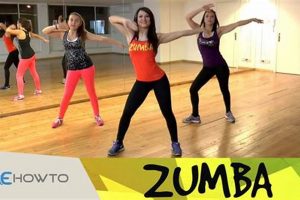
Guidance regarding practices that enhance the effectiveness and safety of Zumba workouts is essential. Such advice addresses various aspects, including appropriate attire, hydration strategies, proper form execution, and warm-up/cool-down routines. For example, wearing supportive athletic shoes and staying adequately hydrated are common recommendations.
Following appropriate recommendations yields numerous advantages. It may reduce the risk of injury, optimize calorie expenditure, and improve overall cardiovascular health. The practice of seeking and adhering to expert advice allows participants to enjoy the dance-based workout with maximized wellness outcomes.
The ensuing content will delve into specific areas of preparation, execution, and recovery. Attention to each of these facets ensures a more rewarding and beneficial exercise experience.
Enhancing Zumba Fitness Outcomes
The following recommendations are provided to assist individuals in maximizing benefits and minimizing risks associated with Zumba participation.
Tip 1: Prioritize Proper Footwear. Select athletic shoes that offer adequate lateral support and cushioning. This helps prevent ankle injuries and provides stability during dance movements.
Tip 2: Hydrate Adequately. Consume sufficient water before, during, and after each session. Dehydration can lead to muscle cramps and reduced performance.
Tip 3: Learn Basic Steps. Familiarize oneself with fundamental Zumba steps prior to attending a class. This aids in following the instructor and reduces the likelihood of improper form.
Tip 4: Maintain Correct Posture. Focus on engaging core muscles and maintaining an upright posture. This promotes spinal stability and reduces the risk of back pain.
Tip 5: Modify Movements as Needed. Adapt steps to match individual fitness levels and physical limitations. This allows for safe participation regardless of experience.
Tip 6: Incorporate Warm-up and Cool-down. Begin each session with a dynamic warm-up and conclude with static stretching. This prepares muscles for activity and promotes flexibility.
Tip 7: Listen to the Body. Discontinue activity if experiencing pain or discomfort. Ignoring warning signs can lead to more serious injuries.
Tip 8: Select Qualified Instructors. Attend classes led by certified Zumba instructors. Certification ensures the instructor has received proper training and is qualified to lead a safe and effective class.
Implementing these guidelines is expected to contribute to improved workout effectiveness and a reduced incidence of injuries.
The next segment will address frequently asked questions concerning Zumba programs.
1. Proper Footwear Selection

Proper footwear selection constitutes a critical component of comprehensive recommendations. The impact of footwear on movement dynamics, injury prevention, and overall performance during such exercise routines is substantial. Inappropriate footwear can lead to increased risk of ankle sprains, shin splints, plantar fasciitis, and other musculoskeletal issues. This underscores the direct relationship between this aspect and participant wellbeing. Footwear characteristics, such as lateral support, cushioning, and sole traction, directly influence the stability and agility required for many of Zumba’s dance-based movements. For instance, wearing running shoes with excessive forward propulsion can hinder lateral movement and increase instability, while shoes lacking adequate cushioning can exacerbate impact forces on joints.
Case studies and anecdotal evidence consistently demonstrate the positive impact of appropriate footwear. Participants reporting fewer instances of foot and ankle pain, improved balance, and enhanced confidence in executing movements frequently attribute these improvements to selecting supportive athletic shoes. Moreover, instances of exercise-related injuries often involve individuals using worn-out or ill-fitting shoes. Retail outlets specializing in athletic footwear offer gait analysis services that provide personalized recommendations, further emphasizing the importance of tailoring footwear selection to individual biomechanical needs. This selection is not merely about comfort; it represents a proactive approach to injury prevention and performance enhancement.
In conclusion, footwear is not a peripheral consideration but rather an integral element of safe and effective exercise, significantly influencing biomechanics, injury risk, and overall workout experience. Prioritizing appropriate shoe selection represents a fundamental step in mitigating potential risks and maximizing physical benefits. This highlights the practical significance of recognizing it as essential for those participating in this fitness activity.
2. Hydration Management

Maintaining adequate hydration levels is a fundamental aspect of maximizing the benefits and minimizing the risks associated with Zumba workouts. The strenuous nature of this exercise modality, characterized by high-intensity movements and prolonged activity, necessitates a strategic approach to fluid intake. Dehydration can impair performance, increase the risk of injury, and negatively impact overall well-being.
- Physiological Impact of Dehydration
Dehydration directly affects physiological functions critical for exercise performance. Reduced blood volume impairs oxygen delivery to muscles, leading to fatigue and decreased power output. Furthermore, dehydration elevates core body temperature, increasing the risk of heat-related illnesses such as heat exhaustion and heatstroke. Properly hydrated individuals exhibit improved cardiovascular function and enhanced thermoregulation during physical activity.
- Electrolyte Balance
Sweat loss during exercise results in the depletion of essential electrolytes, including sodium, potassium, and magnesium. Electrolyte imbalances can disrupt nerve and muscle function, leading to muscle cramps and impaired coordination. Hydration strategies should consider the replenishment of electrolytes, particularly during prolonged or intense Zumba sessions. Sports drinks containing electrolytes may be beneficial in maintaining fluid and electrolyte balance.
- Pre-Exercise Hydration Strategies
Adequate hydration should commence prior to engaging in Zumba. Consuming sufficient fluids in the hours leading up to a workout ensures optimal hydration status. A general recommendation is to drink 16-20 ounces of water 2-3 hours before exercise. Pre-emptive hydration optimizes cardiovascular function and minimizes the risk of dehydration-related complications.
- Intra-Exercise Hydration Practices
Maintaining hydration during Zumba sessions requires consistent fluid intake. Small, frequent sips of water are preferable to infrequent, large gulps. Individuals should aim to consume 4-8 ounces of water every 15-20 minutes during exercise. Adjustments to fluid intake should be made based on individual sweat rates and environmental conditions. Monitoring urine color can provide a general indication of hydration status; light-colored urine typically indicates adequate hydration, while dark urine suggests dehydration.
The relationship between hydration management and safe participation cannot be overstated. Prioritizing pre-, intra-, and post-exercise hydration protocols ensures that participants can safely engage in the activity, thus experiencing its benefits. Failing to recognize hydration’s role undermines the broader effectiveness of adherence and may lead to preventable health complications.
3. Form Execution

Correct form execution forms a cornerstone of effective practices. Improper technique during these workouts not only diminishes the intended benefits but also significantly elevates the risk of injury. The relationship between form and safety is particularly critical given the dynamic and repetitive nature of the movements. For example, incorrect alignment during a salsa step can place undue stress on the knees, while insufficient core engagement during a hip swivel may contribute to lower back strain. The potential for injury underscores the necessity of emphasizing proper technique as a primary component of guidelines. An example would be bending from the waist, rather than engaging the glutes and legs during a squat, increasing the stress on the spine.
Adherence to proper form extends beyond injury prevention; it also optimizes muscular engagement and maximizes calorie expenditure. By maintaining correct posture and engaging the appropriate muscle groups, participants can ensure that each movement contributes effectively to the overall workout. For instance, actively engaging the core muscles during lateral movements enhances stability and promotes a more efficient transfer of energy. Conversely, a lack of focus on form leads to compensatory movements that reduce the effectiveness of the exercise. Professional guidance often involves verbal cues and visual demonstrations to facilitate correct form, which in turn aids the participants in improving their awareness.
In summary, prioritizing correct form execution is integral to deriving maximum benefit and minimizing risk. This aspect of practice is not merely an aesthetic concern but a functional imperative, directly impacting safety, efficacy, and long-term participation. Recognizing and addressing deviations from correct technique through mindful practice and expert guidance represents a fundamental principle. When implemented correctly, it transforms the Zumba experience into a valuable tool for physical health.
4. Warm-up Integration

The integration of a structured warm-up routine directly influences the effectiveness and safety of Zumba exercise. Prior to engaging in high-intensity dance movements, muscles, joints, and the cardiovascular system require preparation. Failure to incorporate a warm-up increases the risk of musculoskeletal injuries, reduces performance capacity, and diminishes the overall benefits derived from the exercise session. For instance, initiating a Zumba class with high-impact steps without first elevating heart rate and mobilizing joints can result in muscle strains or ligament sprains.
A comprehensive warm-up typically includes cardiovascular activation, dynamic stretching, and movement-specific drills. Cardiovascular activation, such as light jogging or marching in place, increases blood flow to muscles and raises core body temperature. Dynamic stretching, involving controlled movements through a full range of motion, enhances joint mobility and muscle flexibility. Movement-specific drills, replicating elements of the Zumba routine at a lower intensity, prepare the body for the demands of the activity. For example, incorporating simplified salsa steps or basic merengue rhythms during the warm-up familiarizes participants with the movements and reduces the likelihood of improper form execution during the main workout.
Warm-up integration, therefore, constitutes an indispensable element of comprehensive guidance. Its strategic application mitigates injury risk, optimizes physical preparedness, and maximizes the benefits. The inclusion of targeted exercises aligns with best practice, contributing to an enhanced workout experience. The absence of this phase presents significant risks, undermining the potential value derived from the activity. The consideration and implementation of pre-class warm-up is vital.
5. Cool-down Procedures

Effective cool-down procedures represent an indispensable element of responsible fitness guidelines. The practice facilitates physiological recovery following the elevated demands of an activity. Appropriate execution mitigates potential adverse effects and supports long-term engagement.
- Gradual Reduction in Intensity
The initial phase of cool-down involves a progressive decrease in exercise intensity. Abrupt cessation of activity can lead to blood pooling in the extremities, potentially causing dizziness or lightheadedness. Transitioning from high-impact dance movements to low-intensity steps, such as marching in place or gentle swaying, enables the cardiovascular system to readjust gradually. This gradual reduction stabilizes heart rate and blood pressure, promoting cardiovascular equilibrium.
- Static Stretching Exercises
Following the reduced-intensity phase, static stretching exercises target major muscle groups engaged during participation. Holding each stretch for 20-30 seconds promotes muscle relaxation and flexibility. Targeting muscle groups such as the hamstrings, quadriceps, calves, and hip flexors helps to alleviate muscle stiffness and soreness. Static stretching improves range of motion and contributes to long-term musculoskeletal health.
- Hydration Replenishment
The cool-down phase presents an opportune moment to replenish fluids lost during exercise. Consuming water or electrolyte-containing beverages aids in restoring fluid balance and preventing dehydration. Adequate hydration supports muscle recovery and helps to minimize post-exercise fatigue. Individual hydration needs vary based on sweat rate and environmental conditions, but consistent fluid intake during the cool-down period is crucial.
- Mindful Breathing Techniques
Incorporating mindful breathing techniques during the cool-down phase promotes relaxation and reduces stress. Deep, diaphragmatic breathing activates the parasympathetic nervous system, counteracting the effects of the sympathetic nervous system activated during exercise. Focusing on slow, controlled breaths helps to lower heart rate, reduce muscle tension, and promote a sense of calm. Mindful breathing enhances mental and physical recovery following the activity.
Integrating these facets into standard protocols enhances the overall benefits derived from the exercise. By prioritizing gradual intensity reduction, static stretching, hydration replenishment, and mindful breathing, participants can optimize recovery, minimize risks, and promote sustained participation in Zumba programs.
6. Qualified Instruction

The presence of qualified instruction significantly influences the effectiveness and safety. A certified instructor imparts knowledge, promotes proper form, and adapts to individual fitness levels. Their presence differentiates a safe environment from a potentially hazardous one.
- Certification and Training
Certification represents a formal acknowledgement of competence. Licensed Zumba instructors undergo training covering choreography, safety protocols, and modifications. Certification signifies the instructor’s adherence to established standards. The presence of certification assures participants that the instructor is equipped to lead safe and effective classes. Uncertified instructors may lack the knowledge to address individual needs or prevent injuries.
- Form Correction and Injury Prevention
A skilled instructor provides real-time feedback on participants’ form, correcting deviations that can lead to injuries. They observe movements, identify improper alignment, and offer guidance to improve technique. This proactive approach minimizes the risk of sprains, strains, and other musculoskeletal problems. An instructor lacking adequate training may fail to recognize and correct form errors, thereby increasing the likelihood of participant injury.
- Modification and Adaptation
Participants possess varying levels of fitness, experience, and physical limitations. A competent instructor adapts choreography and offers modifications to accommodate individual needs. This ensures that all participants can engage safely and effectively, regardless of their fitness level. Instructors incapable of providing modifications may create an environment where individuals feel pressured to perform beyond their capabilities, potentially resulting in injury.
- Classroom Management and Safety
Effective classroom management contributes significantly to a safe exercise environment. A qualified instructor manages space, maintains appropriate music volume, and addresses potential hazards. Furthermore, the instructor is equipped to handle emergency situations, such as injuries or medical incidents. Inexperienced or untrained instructors may struggle to maintain control of the class, increasing the risk of accidents and injuries.
The aforementioned facets highlight the direct link between qualified instruction and the integrity. A trained and certified instructor enhances safety, optimizes effectiveness, and promotes participation. Selecting classes taught by qualified individuals is therefore a prudent decision. Failing to prioritize instructor qualifications increases vulnerability to injuries and diminishes the benefits.
7. Listen To Your Body

The principle of heeding bodily signals represents a crucial, often overlooked component. The inherent dynamism and high-energy nature can lead individuals to push beyond their physical limits, disregarding warning signs that indicate potential strain or injury. This neglect negates the intended benefits and can instigate musculoskeletal problems. For instance, experiencing sharp pain during a particular step necessitates immediate cessation and evaluation, whereas persisting through the discomfort could result in a more serious condition, such as a muscle tear or joint sprain.
Integration of this concept into workout strategy improves adherence and maximizes gains. Recognizing subtle cues, such as fatigue or muscle tightness, allows for proactive adjustments to exercise intensity and duration. This personalized approach prevents overtraining and ensures a more sustainable and enjoyable fitness journey. For example, an individual experiencing persistent lower back discomfort should modify routines to reduce spinal stress and consult a physical therapist to address underlying biomechanical issues. Furthermore, monitoring heart rate and perceived exertion levels offers objective metrics for gauging exertion, enabling individuals to maintain an optimal training intensity. This self-awareness contributes to a more effective and sustainable path toward improved physical fitness.
Emphasis promotes responsible participation and cultivates a mindful relationship with physical activity. Recognizing and responding to bodily signals requires self-awareness, discipline, and a willingness to prioritize long-term health over short-term gains. This approach not only mitigates injury risk but also enhances the overall experience, fostering a deeper appreciation for the body’s capabilities and limitations. Failure to heed can lead to setbacks, emphasizing the importance of listening to the body’s cues. This connection, therefore, is not merely advice; it is a foundational requirement for safe and effective adherence.
Frequently Asked Questions Concerning Zumba Fitness Tips
The following addresses recurring inquiries regarding strategies for optimizing benefits and minimizing risks associated with program participation.
Question 1: How critical is proper footwear selection?
Proper footwear selection is of paramount importance. The impact forces generated during dance movements place considerable stress on the lower extremities. Inadequate footwear can increase the risk of ankle sprains, shin splints, and other musculoskeletal injuries. Supportive athletic shoes designed for lateral movement are strongly recommended.
Question 2: What constitutes an effective hydration strategy?
An effective hydration strategy encompasses pre-, intra-, and post-exercise fluid replenishment. Prior to engaging in Zumba, consuming sufficient water is essential. During the session, frequent sips of water, approximately 4-8 ounces every 15-20 minutes, are advised. Post-exercise hydration aids in recovery and electrolyte balance.
Question 3: Why is correct form execution emphasized?
Correct form execution minimizes the risk of injury and maximizes the effectiveness of the workout. Improper technique can place undue stress on joints and muscles, leading to strains, sprains, or chronic pain. Seeking guidance from a certified instructor to ensure proper alignment is crucial.
Question 4: What elements should be included in a warm-up routine?
A comprehensive warm-up should incorporate cardiovascular activation, dynamic stretching, and movement-specific drills. Cardiovascular activation increases blood flow to muscles, while dynamic stretching enhances joint mobility. Movement-specific drills prepare the body for the specific demands of the session.
Question 5: What is the rationale behind cool-down procedures?
Cool-down procedures facilitate physiological recovery and minimize the risk of delayed-onset muscle soreness. A gradual reduction in exercise intensity, followed by static stretching, promotes muscle relaxation and improves flexibility. The cool-down phase aids in restoring cardiovascular function and reducing the risk of blood pooling.
Question 6: How does qualified instruction contribute to participation safety?
Qualified instructors possess the knowledge and expertise to guide participants safely through classes. Certification signifies that the instructor has received proper training in choreography, safety protocols, and modification techniques. A qualified instructor can provide form correction, adapt movements to individual fitness levels, and manage classroom safety.
These guidelines represent a foundation for responsible and effective exercise engagement. Their adherence can meaningfully impact personal outcomes.
The next part of the article addresses long-term benefits for zumba exercise.
Conclusion
This exploration of practices designed to enhance engagement demonstrates that preparation, execution awareness, and recovery attention are vital. These factors, encompassing footwear, hydration, form, warm-up, cool-down, expert guidance, and self-awareness are not mere suggestions, but core elements of responsible participation. Their strategic application is expected to contribute positively to personal outcomes.
Prioritization of these integrated is viewed as fundamental. A commitment to these facets ensures safe and sustained benefits, thereby maximizing the potential for positive health and fitness outcomes. Implementing them is a step toward well-being.