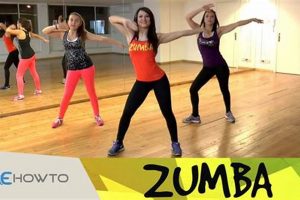
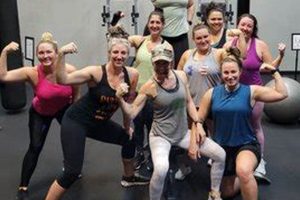
This choreographed exercise program blends Latin and international music with dance moves. It integrates interval training, alternating fast and slow rhythms, alongside resistance training. As an example, participants might perform salsa steps followed by squats or lunges, all set to a high-energy soundtrack.
The combination of cardiovascular exercise, muscle conditioning, and rhythmic movement offers various advantages. Regular participation can lead to improved cardiovascular health, increased muscular strength and endurance, and enhanced coordination. The energetic nature of the workout also contributes to stress reduction and overall well-being. Originating in the late 1990s, the activity has since grown into a globally recognized form of group exercise.
The following sections will detail specific movements common within the program, the typical structure of a session, and considerations for individuals with varying fitness levels.
Enhancing Your Group Dance Fitness Experience
Optimizing the effectiveness and enjoyment of your participation requires attention to several key factors.
Tip 1: Proper Footwear Selection: Choose shoes that provide adequate support and cushioning. Cross-training shoes are generally recommended, as they offer lateral support essential for the varied movements.
Tip 2: Hydration is Paramount: Maintain consistent hydration throughout the session. Dehydration can lead to fatigue and muscle cramps, hindering performance and recovery.
Tip 3: Master Basic Steps: Familiarize yourself with foundational steps of common Latin dances, such as salsa, merengue, and cumbia. Understanding these basics will facilitate easier integration into the routines.
Tip 4: Listen to Your Body: Pay attention to physical signals. If discomfort or pain arises, modify movements or take a brief rest. Pushing beyond limits can result in injury.
Tip 5: Maintain Proper Posture: Engage core muscles and maintain an upright posture. This enhances stability, improves form, and helps prevent back strain.
Tip 6: Vary Intensity Levels: Adjust the intensity of movements based on your individual fitness level. Modify jumps, squats, and other exercises to suit your capabilities.
Tip 7: Prioritize Warm-up and Cool-down: Ensure adequate warm-up prior to commencing the primary exercises. A proper cool-down aids in muscle recovery and minimizes soreness.
The above recommendations, when implemented, contribute to a safer, more effective, and more enjoyable exercise experience. Focus on technique and gradual progression to maximize the benefits and minimize the risk of injury.
The following section provides practical insights into customizing this type of program to individual needs and goals.
1. Cardiovascular Engagement

Cardiovascular engagement represents a crucial component of the a vigorous exercise program, significantly influencing its effectiveness. The continuous, rhythmic movements elevate heart rate and promote circulation, which in turn strengthens the cardiovascular system. The fast-paced steps and dynamic transitions inherent within the workout design demand sustained exertion, creating a substantial cardiovascular challenge. For example, during a session, individuals may experience an elevated heart rate for a sustained duration, mirroring the demands of traditional aerobic activities such as running or cycling. This elevated heart rate directly contributes to improved cardiovascular health, including reduced risk of heart disease and stroke.
The degree of cardiovascular engagement during the workout can be modulated based on individual fitness levels. Modifying the intensity of the dance steps, such as reducing the height of jumps or opting for lower-impact variations, allows participants to adjust the level of exertion to their capabilities. Likewise, increasing the range of motion and incorporating more dynamic movements intensifies the cardiovascular demand. Understanding the impact of these adjustments empowers individuals to optimize their cardiovascular workout within the group fitness context. Further, consistent cardiovascular training promotes enhanced oxygen delivery to muscles, improving endurance and performance in daily activities.
In summary, the program’s cardiovascular impact forms a foundational element of its health benefits. Acknowledging and optimizing this aspect, through attentive monitoring of exercise intensity, contributes to the overall efficacy. Sustained, well-managed cardiovascular engagement proves essential, and remains a core tenet of group fitness’s appeal.
2. Choreographic Coordination

Choreographic coordination constitutes a fundamental element within the dance fitness regime. Its importance extends beyond mere memorization of steps; it encompasses cognitive processing, motor skill development, and the seamless integration of movement with musical rhythm, all essential components of the class.
- Cognitive Engagement
The execution of the program necessitates continuous cognitive engagement. Participants must process visual and auditory cues to accurately reproduce the movements demonstrated by the instructor. This cognitive demand enhances mental acuity and sharpens reaction time. For example, when transitioning from a salsa step to a cumbia rhythm, individuals must rapidly adjust their movements and footwork. This constant mental processing stimulates neural pathways and improves cognitive flexibility.
- Motor Skill Refinement
The repetitive practice of the choreographic routines contributes to the refinement of motor skills. As participants become more familiar with the steps, their movements become more fluid and efficient. This improvement in motor control translates to better coordination and balance in other physical activities. For instance, the repeated execution of turns and pivots enhances spatial awareness and improves the ability to maintain equilibrium during dynamic movements.
- Rhythmic Synchronization
Synchronizing movements with the music represents a core aspect of choreographic coordination. Participants learn to internalize the rhythm and timing of the music, allowing them to execute the dance steps in perfect harmony. This synchronization enhances the overall aesthetic appeal of the program and contributes to the feeling of immersion and enjoyment. During a class session, the collective synchronization of the group amplifies the positive energy and creates a sense of shared accomplishment.
- Spatial Awareness and Body Positioning
Successfully navigating the choreography demands a heightened sense of spatial awareness and precise body positioning. Participants must maintain appropriate distances from each other, avoid collisions, and execute movements within a defined space. This spatial awareness improves proprioception, the body’s ability to sense its position and orientation in space. For instance, when performing a grapevine step, individuals must coordinate their footwork and body movements to avoid stepping on their neighbors or disrupting the flow of the routine.
The intricate interplay between cognitive engagement, motor skill refinement, rhythmic synchronization, and spatial awareness underscores the significance of choreographic coordination within dance fitness. This element not only contributes to the physical benefits of the activity but also enhances cognitive function and promotes a sense of embodied awareness, solidifying its place as a uniquely effective method of training.
3. Rhythmic Intensity
Rhythmic intensity, defined as the rate and vigor of musical and movement patterns, plays a central role in determining the overall effectiveness and physical demand of a Zumba fitness session. It influences cardiovascular strain, caloric expenditure, and the level of muscular engagement throughout the exercise.
- Tempo Modulation
The manipulation of musical tempo, transitioning between fast and slow rhythms, dictates the pace of movements and directly affects the intensity of the workout. Higher tempos necessitate quicker footwork and more dynamic transitions, thus increasing cardiovascular exertion. A rapid merengue section, for instance, elevates heart rate significantly more than a slower cumbia segment. Consequently, strategic variations in tempo are essential for creating interval training effects within the session.
- Movement Amplitude
The range and magnitude of movements executed in time with the music directly influence the muscular and cardiovascular challenge. Larger, more expansive movements, such as high-knee lifts or broad arm swings, require greater muscle activation and increase energy expenditure. In contrast, smaller, more subtle movements provide a lower-impact option suitable for individuals with varying fitness levels or physical limitations. Therefore, the amplitude of movements can be adjusted to accommodate diverse participant needs.
- Choreographic Complexity
The intricacy and sequencing of dance steps contribute to the overall rhythmic intensity of the program. More complex choreography necessitates greater cognitive processing and motor coordination, leading to increased mental and physical exertion. A routine involving rapid transitions between different dance styles, such as salsa, reggaeton, and belly dance, demands a high degree of concentration and agility. This heightened complexity elevates the overall intensity of the workout.
- Impact Level
The amount of force exerted upon the joints during exercise significantly influences the intensity of the workout. High-impact movements, such as jumps and leaps, place greater stress on the musculoskeletal system and demand higher levels of cardiovascular fitness. Conversely, low-impact modifications, such as stepping instead of jumping, provide a gentler alternative suitable for individuals seeking to minimize joint stress. Thus, adapting the impact level is crucial for ensuring accessibility and safety for all participants.
These facets of rhythmic intensity, when carefully considered and strategically implemented, can effectively modulate the physical demands and overall experience. A well-designed session utilizes a balanced approach, incorporating variations in tempo, amplitude, choreographic complexity, and impact level to maximize participant engagement and optimize fitness outcomes. A clear understanding of rhythmic intensity ensures the program remains adaptable and beneficial for individuals of all fitness levels.
4. Muscular Endurance

Muscular endurance, the ability of a muscle or group of muscles to sustain repeated contractions against resistance over an extended period, is a critical component fostered through consistent participation in this style of group fitness. The repetitive nature of the dance movements, often involving squats, lunges, and arm raises, challenges the muscles to work continuously. This repeated exertion, while not typically involving heavy loads, contributes significantly to enhancing the capacity of muscles to resist fatigue. For instance, during a typical session, an individual may perform hundreds of repetitions of various steps and arm movements, directly stimulating the development of muscular endurance in the legs, core, and upper body.
The development of muscular endurance through this exercise has tangible benefits extending beyond the class itself. Improved muscular endurance facilitates enhanced performance in everyday activities, such as climbing stairs, carrying groceries, and maintaining good posture. Furthermore, increased muscular endurance contributes to injury prevention by strengthening the muscles that support and stabilize joints. Consider the impact on core strength; improved core muscular endurance provides better support for the spine, reducing the risk of back pain and injuries. The continuous engagement of various muscle groups during a session promotes balanced muscle development and reduces the likelihood of muscle imbalances.
In summary, the development of muscular endurance is an inherent and valuable outcome of regular participation. The consistent repetition of dance-based movements cultivates the ability of muscles to withstand prolonged effort. The effects are not limited to the duration of the class. The improved muscular endurance translates into enhanced physical performance, reduced injury risk, and an increased capacity to perform daily tasks with greater ease and efficiency. The enhancement of muscular endurance serves as a significant and beneficial aspect of this widely practiced fitness activity.
5. Social Interaction

Social interaction forms an integral, often overlooked, dimension that enhances the physical and psychological benefits of participation. The group setting fosters a sense of community, mutual support, and shared experience. This interactive element distinguishes it from solitary exercise regimens and significantly impacts motivation, adherence, and overall enjoyment.
- Community Building
The shared experience of learning and executing dance routines creates a sense of camaraderie among participants. Regular attendance fosters opportunities for individuals to connect with like-minded individuals, forming friendships and support networks. For instance, participants often collaborate on mastering new steps, share fitness goals, and provide encouragement to one another. This sense of community enhances the exercise experience and contributes to sustained participation.
- Motivation and Accountability
The presence of others in the class setting serves as a potent motivator. Observing the efforts of fellow participants can inspire individuals to push themselves harder and adhere to their fitness goals. Furthermore, the social accountability that arises from attending regularly scheduled classes fosters commitment and reduces the likelihood of skipping workouts. For example, knowing that others are expecting one’s presence can override feelings of fatigue or lack of motivation.
- Reduced Social Isolation
For individuals experiencing social isolation or loneliness, the structured social interaction offers a valuable opportunity to connect with others and combat feelings of isolation. The shared activity provides a non-threatening environment for individuals to interact, build relationships, and expand their social circles. Senior citizens or individuals with limited mobility may particularly benefit from the social connections fostered through participation.
- Positive Emotional Impact
The combination of physical activity and social interaction releases endorphins and promotes feelings of well-being and happiness. The supportive and encouraging atmosphere of a class contributes to a positive emotional experience, reducing stress and improving mood. For example, participants often report feeling energized, uplifted, and more confident after attending a session.
The social dimension underscores a critical, though often underappreciated, aspect. By fostering community, enhancing motivation, reducing social isolation, and promoting positive emotions, the interactive element contributes significantly to its sustained popularity and the overall well-being of its participants. Therefore, recognizing and nurturing the social aspects maximizes the benefits of the activity.
Frequently Asked Questions About Dance Fitness
The following questions address common inquiries and misconceptions about group dance-based exercise programs, specifically those inspired by Latin and international rhythms. The information provided aims to clarify aspects related to safety, effectiveness, and suitability for various individuals.
Question 1: Is Prior Dance Experience Necessary?
Prior dance experience is not a prerequisite for participation. Programs are designed to accommodate individuals of all fitness levels and skill sets. Instructors typically break down steps into manageable components, allowing beginners to gradually learn the choreography. Modification options are often provided to cater to varying levels of coordination and experience.
Question 2: What are the Potential Risks?
As with any physical activity, certain risks are associated. These may include muscle strains, sprains, and joint injuries. The risk of injury can be minimized through proper warm-up, cool-down, appropriate footwear, and adherence to the instructor’s guidance. Individuals with pre-existing medical conditions should consult with a healthcare professional prior to participation.
Question 3: How Many Calories Can Be Burned?
Caloric expenditure varies depending on factors such as intensity, duration, and individual metabolism. A typical session, lasting approximately one hour, can burn between 300 and 700 calories. Consistent participation, combined with a healthy diet, can contribute to weight management.
Question 4: Is it Suitable for Individuals with Joint Issues?
While some movements may be high-impact, modifications are generally available to reduce stress on the joints. Low-impact variations allow individuals with arthritis or other joint conditions to participate safely. Consulting with a physician or physical therapist is recommended to determine appropriate modifications.
Question 5: How Often Should One Participate?
For optimal results, it is recommended to participate at least two to three times per week. This frequency allows for sufficient cardiovascular and muscular conditioning, while also providing adequate recovery time between sessions. Listen to the body and adjust the frequency based on individual needs and fitness levels.
Question 6: Does it Effectively Build Muscle Strength?
While primarily a cardiovascular workout, it also contributes to muscular endurance and tone. The repetitive movements engage various muscle groups, particularly in the legs, core, and arms. However, it may not be sufficient for significant muscle hypertrophy. Incorporating additional strength training exercises may be necessary to achieve substantial muscle growth.
Understanding these fundamental aspects of dance-based fitness programs empowers individuals to make informed decisions regarding participation and optimize their exercise experience. Prioritizing safety, proper technique, and individual limitations remain vital.
The subsequent section explores advanced techniques and variations to further enhance the workout experience.
Conclusion
This exploration of the Zumba fitness routine has detailed its core components: cardiovascular engagement, choreographic coordination, rhythmic intensity, muscular endurance, and social interaction. The analysis has illuminated the multifaceted benefits derived from its consistent practice and the crucial role each element plays in contributing to its effectiveness.
Understanding these aspects equips individuals to make informed choices regarding participation, maximizing positive outcomes while minimizing potential risks. Continued research and responsible implementation will ensure the continued relevance and positive impact on global health and wellness.