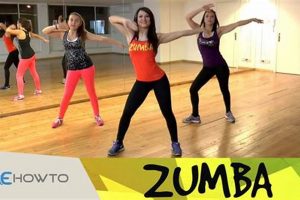
Zumba is a high-energy dance fitness program that combines Latin and international music with dance moves. The advantages derived from participating in this activity encompass improvements in cardiovascular health, muscular endurance, and overall well-being. It serves as an enjoyable method for individuals to engage in physical activity.
The value of engaging in Zumba lies in its ability to provide a full-body workout while feeling more like a dance party than a traditional exercise routine. It offers improvements in coordination, balance, and flexibility, alongside the caloric expenditure and potential weight management. Furthermore, the social aspect of Zumba classes can contribute to reduced stress and enhanced mental health.
The following sections will elaborate on the physiological and psychological gains associated with this particular form of exercise, detailing how it can positively impact different aspects of an individual’s fitness journey.
Maximizing Results from Zumba Exercise
This section offers guidance on how to optimize the physical and mental advantages associated with Zumba participation.
Tip 1: Prioritize Proper Form. While Zumba emphasizes movement and enjoyment, correct posture is crucial to preventing injuries. Maintain core engagement and listen to instructors’ cues regarding body alignment.
Tip 2: Hydrate Adequately. Zumba involves high-intensity movements that induce perspiration. Ensure sufficient fluid intake before, during, and after classes to avoid dehydration.
Tip 3: Modify Movements as Needed. Recognize personal fitness levels and modify movements to suit individual capabilities. Lower-impact alternatives can still yield significant benefits.
Tip 4: Engage Regularly. Consistency is key to realizing the full spectrum of advantages. Aim for at least two to three Zumba sessions per week.
Tip 5: Incorporate Variety. Supplement Zumba with other forms of exercise, such as strength training or stretching, to achieve a well-rounded fitness regimen.
Tip 6: Listen to Your Body. Pay attention to signals of fatigue or discomfort. Rest and recovery are essential components of a successful fitness program.
Tip 7: Select Qualified Instructors. Ensure that instructors possess appropriate certifications and experience. A knowledgeable instructor can provide guidance and modifications tailored to individual needs.
Adherence to these recommendations can enhance the effectiveness of Zumba as a comprehensive fitness activity, optimizing both physical and mental well-being.
The concluding section will summarize the principal advantages of Zumba and offer final thoughts on its integration into a healthy lifestyle.
1. Cardiovascular Health

Engagement in Zumba contributes positively to cardiovascular health through sustained aerobic activity. The rhythmic movements and varied dance patterns elevate heart rate and increase blood circulation. This stimulation strengthens the heart muscle, improving its efficiency in pumping blood and delivering oxygen to tissues throughout the body.
The benefits extend beyond the immediate physical activity. Regular Zumba participation can lead to lower resting heart rate, reduced blood pressure, and improved cholesterol levels. These factors collectively decrease the risk of cardiovascular diseases such as heart attacks and strokes. For example, an individual with a sedentary lifestyle who begins attending Zumba classes several times per week may experience a noticeable improvement in their endurance and overall cardiovascular fitness within a few months. The dance-based nature of Zumba offers an engaging alternative to traditional cardiovascular exercises, encouraging long-term adherence.
The link between Zumba and cardiovascular health underscores the importance of incorporating aerobic activity into a comprehensive fitness regimen. While individual results may vary based on factors such as age, fitness level, and dietary habits, the potential cardiovascular advantages of Zumba are substantial. Understanding this connection motivates informed decision-making regarding exercise choices and underscores the importance of consulting with healthcare professionals for personalized guidance.
2. Calorie Expenditure

Calorie expenditure constitutes a fundamental aspect of energy balance and weight management, significantly influencing the overall advantages derived from Zumba participation.
- Intensity of Movement
The vigorous dance movements and varied rhythms characteristic of Zumba result in a substantial caloric burn. The higher the intensity and duration of the session, the greater the number of calories expended. For example, a 60-minute Zumba class can potentially burn between 300 and 900 calories, contingent upon factors such as body weight and individual fitness level. This increased caloric expenditure contributes to weight loss or maintenance when coupled with a balanced diet.
- Metabolic Rate Elevation
Zumba sessions not only burn calories during the activity itself but also elevate the body’s metabolic rate for a period afterward. This phenomenon, known as the “afterburn effect” or Excess Post-exercise Oxygen Consumption (EPOC), means that the body continues to burn calories at a higher rate even after the exercise is complete. This prolonged elevation in metabolic rate enhances the overall caloric expenditure associated with Zumba, contributing further to weight management efforts.
- Muscle Engagement
Zumba engages multiple muscle groups simultaneously, contributing to enhanced caloric burn. The diverse dance moves activate muscles in the legs, core, and arms, leading to increased energy demands. Greater muscle mass, developed through regular engagement, further enhances the body’s resting metabolic rate, impacting long-term caloric expenditure. This interconnectedness underscores the systemic advantages of Zumba beyond localized muscle development.
- Weight Management Integration
The caloric expenditure associated with Zumba serves as an essential component of a comprehensive weight management strategy. By increasing the number of calories burned, Zumba helps create a caloric deficit necessary for weight loss. Integrating Zumba with mindful eating habits maximizes its effectiveness in promoting a healthy body weight. This multifaceted approach underscores the synergy between physical activity and dietary considerations in achieving sustainable weight management goals.
The interplay between the factors above underscores the pivotal role of caloric expenditure in realizing the benefits of Zumba. By optimizing the intensity, frequency, and integration of Zumba with other healthy lifestyle choices, individuals can maximize the activity’s potential for weight management and overall fitness enhancement.
3. Muscular Endurance
Muscular endurance, the ability of a muscle or group of muscles to sustain repeated contractions against resistance for an extended period, is a significant component of the overall physical advantages derived from Zumba. Participation in Zumba necessitates the repetitive performance of dance movements, engaging muscles throughout the body in a sustained manner. This sustained engagement directly contributes to enhanced muscular endurance, particularly in the legs, core, and arms. An individual who routinely attends Zumba classes will likely experience an increased capacity to perform activities requiring sustained muscle effort, such as hiking, cycling, or even prolonged standing, compared to a sedentary counterpart.
The development of muscular endurance through Zumba stems from the repetitive nature of the choreography, which forces muscles to adapt and become more efficient at utilizing energy stores and resisting fatigue. For instance, maintaining proper posture throughout a Zumba class demands continuous activation of core muscles, gradually improving their ability to sustain contraction over time. Similarly, the dynamic leg movements inherent in Zumba choreography strengthen the leg muscles, enhancing their capacity to withstand repeated impact and exertion. This improvement translates to functional benefits beyond the Zumba class, facilitating daily activities and reducing the risk of muscle fatigue and injury. To maximize improvements in muscular endurance, it is recommended to consistently challenge oneself by increasing the intensity or duration of Zumba sessions over time. This progressive overload forces muscles to continually adapt and enhance their endurance capacity.
In summary, enhanced muscular endurance is a valuable outcome of consistent Zumba participation. The repetitive and sustained muscle engagement inherent in Zumba choreography promotes adaptations that improve the muscles’ ability to withstand fatigue and sustain effort over prolonged periods. This benefit translates into improved functional capacity and reduced risk of injury, making Zumba a beneficial activity for enhancing overall physical fitness. Understanding the connection between Zumba and muscular endurance empowers individuals to appreciate the comprehensive advantages of this fitness modality.
4. Coordination Improvement

Coordination improvement represents a significant physiological advantage associated with Zumba participation. The activity necessitates the synchronized activation of multiple muscle groups, fostering enhanced communication between the nervous system and the musculoskeletal system. This process yields improvements in motor control, balance, and reaction time.
- Neuromuscular Synchronization
Zumba’s diverse choreography requires the brain to process and transmit signals to various muscles simultaneously, facilitating precise and timely movements. This repetitive process strengthens neural pathways, improving the efficiency of neuromuscular communication. For instance, executing a complex salsa step requires the coordinated effort of leg muscles, core stabilizers, and arm movements, which progressively enhances an individual’s ability to perform intricate movements with greater ease and precision. This enhancement has implications beyond Zumba, potentially improving performance in other physical activities and reducing the risk of falls or accidents in daily life.
- Spatial Awareness Enhancement
Navigating the dance floor and adapting to changes in choreography during a Zumba class necessitates heightened spatial awareness. Participants must maintain awareness of their body position in relation to other individuals and the surrounding environment. This constant awareness cultivates an improved sense of body positioning and spatial orientation. For example, quickly adjusting one’s position to avoid colliding with another participant requires a heightened sense of spatial awareness, which translates into improved navigation skills in various contexts, such as driving or navigating crowded spaces. This improvement has implications for safety and overall confidence in movement.
- Balance and Stability Augmentation
Many Zumba movements involve single-leg stances, rapid changes in direction, and dynamic weight shifts, all of which challenge balance and stability. The body adapts to these challenges by strengthening the muscles responsible for maintaining equilibrium, such as the core and lower leg muscles. For instance, performing a cha-cha step requires maintaining balance while shifting weight from one leg to the other, which enhances stability and reduces the risk of falls. This is particularly beneficial for older adults or individuals with balance impairments, as it can improve their mobility and independence. This improvement has implications for fall prevention and maintaining an active lifestyle.
- Reaction Time Acceleration
The fast-paced nature of Zumba and the need to respond quickly to changes in the music and choreography necessitate rapid reaction times. Participants must process visual and auditory cues and initiate appropriate movements without delay. This continuous stimulus accelerates reaction time and enhances the ability to respond quickly to unexpected events. For example, reacting to an instructor’s cue to transition to a new dance move requires rapid processing and execution, which translates into improved reaction times in other contexts, such as driving or playing sports. This improvement has implications for safety and overall cognitive function.
In summary, the coordination improvements derived from Zumba participation extend beyond the dance floor. The enhanced neuromuscular synchronization, spatial awareness, balance, and reaction time contribute to overall physical competence and well-being. These benefits underscore the comprehensive impact of Zumba, extending beyond mere physical exercise to encompass neurological and cognitive enhancements. The practical implications of these improvements are numerous, ranging from improved athletic performance to reduced risk of falls and accidents in daily life. The connection between Zumba and coordination highlights the value of integrating movement-based activities into a holistic fitness program.
5. Stress Reduction

Zumba, as a form of physical activity, demonstrably contributes to stress reduction through various physiological and psychological mechanisms. The repetitive movements inherent in Zumba trigger the release of endorphins, natural mood elevators that can counteract the effects of stress hormones such as cortisol. Furthermore, the social interaction within a Zumba class provides a sense of community and belonging, mitigating feelings of isolation and loneliness often associated with heightened stress levels. For example, an individual experiencing work-related stress may find that attending a Zumba class provides a temporary escape from these pressures, leading to a more relaxed state of mind post-exercise. The act of focusing on the music and movements in Zumba can also serve as a form of mindfulness, diverting attention from stressful thoughts and promoting a sense of presence in the moment. This makes stress reduction a valuable component.
The physical exertion involved in Zumba can also help to release pent-up tension and frustration. Engaging in vigorous activity provides a healthy outlet for emotional expression, allowing individuals to physically channel their stress. The rhythmic nature of the dance movements can be particularly cathartic, enabling participants to release negative emotions in a controlled and constructive manner. This process contrasts with passive coping mechanisms, such as avoidance or emotional eating, which can exacerbate stress in the long term. Additionally, the physical benefits of Zumba, such as improved sleep quality and increased energy levels, indirectly contribute to stress resilience by enhancing the body’s ability to cope with stressors.
In summary, the stress reduction associated with Zumba stems from a combination of physiological and psychological factors. The release of endorphins, the social interaction, the mindful focus on movement, and the opportunity for emotional release all contribute to a reduced perception of stress. Recognizing this connection underscores the importance of incorporating physical activity, such as Zumba, into a comprehensive stress management strategy. While Zumba may not eliminate stressors entirely, it can provide a valuable tool for mitigating their impact and promoting overall well-being. Future research could investigate the long-term effects of Zumba on stress resilience and its efficacy compared to other stress reduction techniques.
6. Social Interaction

Social interaction is an inherent element of Zumba classes, contributing significantly to the multifaceted advantages associated with participation. It moves beyond simple physical activity, weaving social bonds into the fitness experience, fostering a sense of community and mutual support, improving overall well-being.
- Community Building
Zumba classes typically involve group participation, creating a shared environment where individuals engage in a common activity. This fosters a sense of community among participants, providing opportunities to connect with others who share similar interests in fitness and dance. The shared experience of learning and performing dance routines, often accompanied by music and laughter, can forge strong bonds between class members, transcending mere acquaintance.
- Reduced Feelings of Isolation
Loneliness and social isolation are prevalent concerns in contemporary society, often contributing to mental health challenges. Attending Zumba classes offers a structured setting for social engagement, mitigating feelings of isolation by providing regular opportunities for interaction and connection. The supportive atmosphere encourages participants to interact, offering encouragement and support to one another. This can be particularly beneficial for individuals who may otherwise lack opportunities for social interaction.
- Enhanced Motivation and Accountability
The social dynamics of a Zumba class can enhance motivation and accountability among participants. Knowing that others are expecting their presence at class can serve as a powerful motivator, encouraging individuals to maintain their fitness routine even when facing personal challenges. The shared goals and mutual support within the group can foster a sense of responsibility towards fellow participants, leading to greater adherence to the exercise program. This sense of accountability can significantly increase the likelihood of achieving desired fitness outcomes.
- Increased Enjoyment and Adherence
The social element of Zumba enhances the overall enjoyment of the activity, making it more appealing and sustainable in the long term. The camaraderie and shared laughter within the class can transform a potentially tedious workout into an engaging and enjoyable experience. The friendships forged within the Zumba community can provide ongoing support and encouragement, further reinforcing adherence to the program. This increased enjoyment and adherence translate into long-term health benefits, as individuals are more likely to continue participating in an activity they find socially rewarding.
The social interaction inherent in Zumba classes extends its appeal and effectiveness beyond purely physical benefits. By fostering community, reducing isolation, enhancing motivation, and increasing enjoyment, Zumba creates a holistic environment that promotes overall well-being. The social aspect of Zumba makes it more accessible and sustainable compared to solitary exercise regimens, underscoring its value as a comprehensive approach to health and fitness. This interconnectedness between social engagement and physical activity is a significant factor contributing to the enduring popularity and positive impact of Zumba programs.
7. Mood Enhancement

Mood enhancement is a significant psychological outcome associated with Zumba participation, resulting from a confluence of physiological and social factors. The physical exertion triggers the release of endorphins, neurotransmitters known for their mood-elevating properties. These endorphins interact with brain receptors, producing feelings of euphoria and reducing the perception of pain and discomfort. The rhythmic nature of Zumba, coupled with the upbeat music, can also induce a state of flow, characterized by a sense of immersion and enjoyment, further contributing to a positive mood. This aspect of Zumba provides a respite from daily stressors and promotes a sense of well-being, creating a positive feedback loop where improved mood encourages continued participation.
Furthermore, the social context of Zumba classes plays a crucial role in mood enhancement. The group setting fosters a sense of community and belonging, providing opportunities for social interaction and support. This reduces feelings of isolation, a known contributor to negative mood states. The shared experience of learning and performing dance routines can create a sense of camaraderie, further enhancing positive emotions. Consider the example of an individual struggling with mild depression: consistent attendance at Zumba classes may provide not only physical benefits but also a valuable social outlet and a source of positive reinforcement, leading to a sustained improvement in mood. This is especially significant in light of studies showing that group exercise can be more effective than individual workouts in promoting psychological well-being.
In summary, mood enhancement is a tangible benefit of Zumba arising from a combination of neurochemical changes and social interaction. The release of endorphins and the creation of a positive social environment contribute to improved emotional well-being. Understanding this link is crucial for promoting Zumba as a holistic fitness activity, recognizing its potential to positively impact both physical and mental health. While individual responses may vary, the consistent finding that Zumba enhances mood underscores its value as a tool for managing stress, promoting psychological resilience, and improving overall quality of life.
Frequently Asked Questions
The following addresses common inquiries regarding the potential advantages derived from participating in Zumba. These questions and answers aim to provide clarity and dispel any misconceptions surrounding this fitness modality.
Question 1: Does Zumba provide a comprehensive cardiovascular workout?
Zumba’s high-energy movements elevate the heart rate and improve blood circulation, contributing to cardiovascular fitness. However, individuals with pre-existing heart conditions should consult a healthcare professional prior to participation.
Question 2: How effective is Zumba for weight loss?
Zumba can contribute to weight loss through calorie expenditure. However, sustained weight loss requires a holistic approach encompassing dietary modifications and consistent exercise.
Question 3: Are there any age restrictions for participating in Zumba?
Zumba is adaptable to various fitness levels and age groups. However, individuals should assess their physical capabilities and consult a physician if they have any concerns.
Question 4: Can Zumba improve muscle tone and strength?
While Zumba primarily focuses on cardiovascular fitness, it also engages multiple muscle groups, contributing to improved muscle tone and endurance. Supplementary strength training exercises are recommended for comprehensive muscle development.
Question 5: Is Zumba an appropriate exercise option for individuals with joint pain?
Zumba can be modified to accommodate individuals with joint pain. Low-impact variations and modifications can reduce stress on the joints. Consulting with a physical therapist or certified instructor is advisable.
Question 6: Does Zumba provide any mental health benefits?
Zumba can promote mental well-being through endorphin release and social interaction. These factors can contribute to reduced stress and improved mood.
In summary, Zumba offers a range of physical and mental benefits. However, individual results may vary. Integrating Zumba into a balanced lifestyle is crucial for maximizing its potential advantages.
The subsequent section will provide a conclusion summarizing the overall benefits of Zumba and offering final recommendations.
Zumba Fitness Benefits
The preceding exploration has articulated the multifaceted advantages inherent in Zumba participation. From cardiovascular enhancements and caloric expenditure to muscular endurance, coordination, stress reduction, social interaction, and mood elevation, the scope of positive effects is extensive. The interconnectedness of these benefits underscores Zumba’s potential to contribute holistically to an individual’s physical and mental well-being. Consideration of individual fitness levels and consultation with healthcare professionals remain paramount prior to commencing any new exercise regimen.
Understanding the potential gains from this activity, individuals are positioned to make informed decisions regarding their fitness pursuits. The long-term implications of regular physical activity, including Zumba, extend beyond immediate physiological responses, impacting overall health trajectory and quality of life. Further investigation into the sustained effects of Zumba and its comparative efficacy relative to other exercise modalities warrants continued scholarly attention.