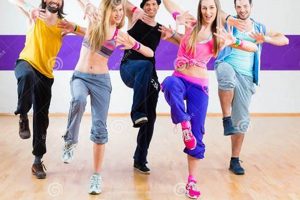
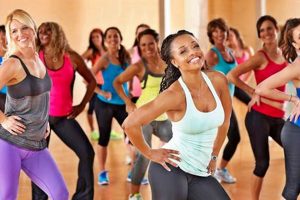
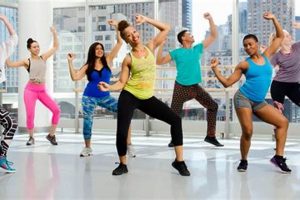
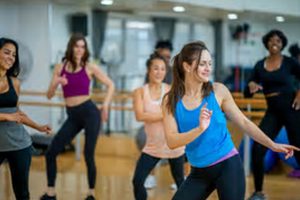
The initial phase of a Zumba class involves a preparatory sequence of movements. This sequence focuses on gradually increasing body temperature and activating key muscle groups. The goal is to prepare participants physically and mentally for the more intense rhythmic exercises that follow. It consists of low-impact moves designed to enhance joint mobility and flexibility before engaging in more demanding dance routines.
This preliminary stage is crucial for injury prevention, optimizing performance, and maximizing the overall enjoyment derived from the session. By systematically raising the heart rate and improving blood flow to the muscles, the body becomes more responsive to the demands of the workout. Historically, these preparatory routines are standard practice across various forms of physical activity, acknowledging the body’s need for a phased transition to exertion.
Having established the fundamental principles of preparing for a Zumba session, the subsequent discourse will delve into the specific movement patterns involved and the underlying physiological mechanisms at play during the full-body workout. Further analysis will explore how variations in the preparatory sequence can be tailored to accommodate different fitness levels and individual needs.
Essential Considerations for Zumba Dance Warm Up
The following recommendations address crucial aspects to ensure a safe and effective preparatory phase before participating in a Zumba session. Adherence to these guidelines minimizes the risk of injury and optimizes physical readiness.
Tip 1: Prioritize Dynamic Stretching: Incorporate dynamic movements such as arm circles, leg swings, and torso twists. Dynamic stretches actively engage muscles and improve range of motion, preparing the body more effectively than static stretches before exercise.
Tip 2: Focus on Major Muscle Groups: Target key muscle groups involved in Zumba, including legs, core, and arms. Targeted activation enhances performance and reduces the likelihood of strain. For example, include squats and lunges for leg engagement.
Tip 3: Gradually Increase Intensity: Commence with low-impact movements and progressively elevate the intensity. This systematic approach allows the cardiovascular system to adapt and prevents sudden stress on the body.
Tip 4: Monitor Heart Rate: Maintain an awareness of cardiovascular response. A gradual increase in heart rate signifies effective preparation. Individuals should adjust the intensity to remain within a safe and comfortable range.
Tip 5: Emphasize Joint Mobility: Incorporate movements that promote joint lubrication and flexibility. This is particularly important for ankles, knees, hips, and shoulders, reducing the risk of sprains and strains.
Tip 6: Include Core Activation: Engage the core muscles throughout the preparation period. Core stability is fundamental for maintaining proper form and preventing lower back injuries during the more vigorous Zumba routines.
Tip 7: Pay Attention to Body Signals: Encourage participants to be mindful of their bodies and adjust movements as needed. Ignoring discomfort or pain can lead to injuries.
Consistent implementation of these strategies is essential for maximizing the benefits of a Zumba class. A carefully designed preliminary phase sets the stage for a safe and effective workout.
The subsequent sections of this resource will explore specific variations and adaptations of the preliminary sequence, catering to diverse fitness levels and individual needs.
1. Joint Mobilization
Joint mobilization constitutes a fundamental element of a structured preparatory sequence before participating in a Zumba session. Its primary function is to enhance the range of motion within various articulations, thereby reducing the risk of injury during the more dynamic movements characteristic of Zumba. An insufficient range of motion can lead to compensatory movements, placing undue stress on ligaments, tendons, and cartilage. Specific examples include rotations of the ankles, knees, hips, shoulders, and wrists. Each movement is designed to increase synovial fluid production and distribution, which lubricates the joints, reducing friction and improving overall function. The effect of proper joint mobilization is a demonstrable increase in flexibility and a decreased incidence of musculoskeletal strain during exercise.
The incorporation of targeted joint mobilization exercises within a preparatory sequence allows for a more efficient and fluid execution of Zumba routines. For instance, hip circles executed before the core Zumba sequence involving significant lateral movement can improve hip mobility, enabling greater range of motion and power generation. Similarly, shoulder rotations enhance the flexibility of the shoulder girdle, which is beneficial during routines requiring arm extensions and coordinated upper body movements. The practical significance of understanding this connection lies in the ability to tailor preparatory sequences to individual needs and limitations. Individuals with pre-existing joint issues can modify the intensity or range of motion of joint mobilization exercises to suit their specific requirements.
In summary, joint mobilization is not merely an ancillary component of a preparatory sequence; rather, it is an integral element crucial for optimizing biomechanical function, minimizing injury risk, and enhancing the overall effectiveness of a Zumba workout. The challenge lies in ensuring proper technique and appropriate exercise selection based on individual capabilities and limitations. A consistent adherence to joint mobilization principles contributes significantly to the long-term sustainability of a Zumba practice and overall musculoskeletal health.
2. Muscle Activation

Muscle activation, in the context of a preparatory phase prior to a Zumba session, is the process of engaging specific muscle groups that will be predominantly used during the workout. This is crucial for several reasons: It increases blood flow to the targeted muscles, elevating their temperature and enhancing their elasticity, thereby reducing the risk of strains or tears. Moreover, it establishes a neuromuscular connection, priming the muscles to respond more efficiently and powerfully when the Zumba routines commence. For example, incorporating squats and lunges activates the quadriceps, hamstrings, and gluteal muscles, which are heavily involved in many Zumba dance movements. The lack of proper muscle activation before commencing the Zumba session increases the risk of muscle fatigue, poor movement mechanics, and ultimately, injury.
Further examples of targeted muscle activation include core-stabilization exercises. Planks or Russian twists, performed during the preparatory phase, engage the abdominal and back muscles. This core engagement is vital for maintaining proper posture and balance throughout the Zumba session, which often involves rapid changes in direction and high-impact movements. Arm circles and light resistance exercises can activate the shoulder and arm muscles, ensuring that the upper body is prepared for the choreography. A practical application of this understanding involves tailoring muscle activation exercises to the specific Zumba routines that will be performed in a given session. If the Zumba class emphasizes Latin rhythms with a focus on hip movements, then targeted glute activation exercises would be particularly beneficial.
In summary, muscle activation is an indispensable element of a Zumba preparatory phase. It fosters efficient neuromuscular function, reduces the likelihood of injuries, and optimizes performance. The challenge lies in identifying the specific muscle groups most relevant to the intended Zumba routine and incorporating appropriate activation exercises. Consistency in applying these principles yields long-term benefits, enhancing both physical safety and performance during Zumba sessions.
3. Gradual Intensity

The principle of gradual intensity is a cornerstone of any effective preparatory routine, including the specific application within a Zumba session. It reflects a systematic increase in the demands placed on the body, fostering adaptation and reducing the risk of adverse events. This approach acknowledges the physiological need for a phased transition from a resting state to the more vigorous activities inherent in a full Zumba workout.
- Cardiovascular Acclimation
Cardiovascular acclimation involves progressively elevating the heart rate and blood flow to working muscles. The initial phase may incorporate low-impact movements such as marching in place or gentle swaying, gradually transitioning to more dynamic actions. This controlled escalation allows the cardiovascular system to adapt, preventing a sudden surge in blood pressure and reducing the risk of cardiac strain.
- Musculoskeletal Preparation
Musculoskeletal preparation necessitates a progressive increase in the range of motion and load placed on joints and muscles. Beginning with basic stretches and light movements, the routine can evolve to include dynamic exercises that mimic the actions encountered during Zumba. This prepares the musculoskeletal system for the demands of the workout, enhancing flexibility, stability, and force production while minimizing the potential for sprains, strains, and other injuries.
- Neuromuscular Priming
Neuromuscular priming involves activating the neural pathways that control muscle contraction and coordination. This is achieved through a sequence of movements that progressively challenge balance, agility, and reaction time. Neuromuscular priming optimizes motor control, enhances responsiveness, and reduces the risk of falls or incorrect execution of Zumba movements.
- Thermoregulation and Metabolic Activation
The thermoregulation process allows gradual intensity increases in body temperature and activates metabolic pathways necessary for energy production. Lower-intensity exercises stimulate metabolic enzymes, while the increase in body temperature improves muscle elasticity and nerve conduction velocity. This process is essential for optimal energy utilization and performance during more demanding Zumba routines.
The adherence to gradual intensity principles is essential to effectively preparing the body for a Zumba session. Each facet ensures systems and reduces potential harm. By starting gently and increasing demands, the body adapts, enhancing performance and minimizing risk. Incorporating gradual intensity principles into preparatory routines establishes a solid foundation for a safe and effective workout.
4. Core Engagement
Core engagement during a preparatory sequence for a Zumba session directly influences the stability and control of the torso. The exercises performed in a Zumba class, particularly the dynamic, multi-directional movements, place considerable demands on the core musculature. Without adequate pre-activation, the risk of lower back strain or injury is significantly elevated. Effective core engagement during the preparatory sequence serves to stabilize the spine, allowing for more efficient and safer transfer of force throughout the body. For example, incorporating planks or controlled torso rotations readies the core muscles to brace the spine effectively during the more vigorous Zumba movements, reducing the likelihood of injury from twisting or bending.
Furthermore, core activation during the preparatory sequence promotes improved balance and posture, both critical components of safe and effective Zumba participation. When the core muscles are engaged, the body’s center of gravity is more stable, allowing for greater agility and control during the dance routines. Exercises such as pelvic tilts or abdominal bracing techniques reinforce proper spinal alignment, contributing to better overall posture and reduced risk of fatigue. The understanding of core engagement is essential for instructors to guide participants, ensuring they can properly engage their core during preparation before participating in the main routines. Proper alignment and controlled movements is essential to enhance a safe and effective workout.
In summary, the connection between core engagement and a Zumba preparatory phase is instrumental in promoting spinal stability, optimizing balance, and minimizing injury risk. The challenge is to ensure that participants understand and can effectively engage their core muscles during preparation, facilitating a safer and more effective Zumba experience. Consistent emphasis on this aspect of preparation contributes significantly to the long-term sustainability of a Zumba practice.
5. Cardiovascular Readiness

Cardiovascular readiness, a key aspect of a Zumba class preparatory sequence, defines the state of the circulatory system’s ability to meet the elevated demands of physical exertion. Establishing this readiness is not simply about increasing heart rate, but rather priming the entire system to efficiently deliver oxygen and nutrients to working muscles while effectively removing metabolic waste products. This initial cardiovascular adjustment significantly impacts performance and reduces the risk of adverse cardiovascular events during the subsequent dance routines.
- Heart Rate Elevation
A gradual elevation of the heart rate during the preparatory phase allows the heart to adapt to the increasing workload. This gradual increase prevents a sudden spike in blood pressure, which could be detrimental, especially for individuals with pre-existing cardiovascular conditions. Low-impact movements, such as marching or step touches, are instrumental in achieving this controlled increase in heart rate. This controlled elevation enables the cardiovascular system to meet the demands of the forthcoming workout more effectively.
- Increased Blood Flow
The preparatory sequence facilitates increased blood flow to the muscles that will be actively engaged during the Zumba session. Enhanced blood flow delivers oxygen and nutrients, vital for muscle function, while simultaneously removing metabolic byproducts such as lactic acid. Dynamic stretching, such as arm circles and leg swings, plays a crucial role in promoting blood flow to the extremities. This heightened blood flow improves muscle efficiency and reduces the likelihood of cramping or fatigue.
- Improved Oxygen Delivery
Cardiovascular readiness improves the efficiency of oxygen delivery to the muscles. As the heart rate increases and blood vessels dilate, more oxygen becomes available to fuel muscle contractions. Deep breathing exercises, incorporated into the warm-up, enhance oxygen uptake and utilization. This improved oxygen delivery is crucial for sustaining energy levels and preventing fatigue throughout the duration of the Zumba class.
- Enhanced Thermoregulation
The preparatory phase contributes to enhanced thermoregulation, the body’s ability to maintain a stable internal temperature. Increased blood flow to the skin facilitates heat dissipation, preventing overheating during the Zumba session. Light aerobic movements stimulate sweat production, further assisting in temperature regulation. Effective thermoregulation is essential for preventing heat-related illnesses such as heat exhaustion or heat stroke.
These facets of cardiovascular readiness underscore the importance of a structured preparatory sequence in a Zumba class. By systematically preparing the cardiovascular system for the demands of the workout, the risk of adverse events is minimized, and participants are better equipped to sustain energy levels and perform the routines effectively. The preparatory phase, therefore, is not merely a formality but rather an essential component of a safe and beneficial Zumba experience.
Frequently Asked Questions Regarding Zumba Dance Warm Up
The following section addresses common queries and misconceptions related to the preparatory phase prior to engaging in a Zumba session. The information provided is designed to clarify best practices and promote a comprehensive understanding of the importance of adequate preparation.
Question 1: Is a preparatory phase truly necessary before participating in a Zumba class?
Yes, a preparatory phase is essential. This preliminary segment primes the cardiovascular, musculoskeletal, and neuromuscular systems for the demands of the forthcoming exercise, mitigating the risk of injury and optimizing performance.
Question 2: What specific elements constitute an effective preparatory routine?
An effective preparatory routine typically incorporates joint mobilization exercises, targeted muscle activation, a gradual increase in intensity, core engagement techniques, and cardiovascular readiness protocols.
Question 3: How long should a preparatory phase typically last?
The duration of the preparatory phase can vary, but generally, a period of 5 to 10 minutes is sufficient to adequately prepare the body for the physical exertion involved in a Zumba class.
Question 4: What are the potential consequences of neglecting the preparatory phase?
Neglecting the preparatory phase can increase the risk of muscle strains, joint sprains, and cardiovascular complications. It can also impede overall performance and reduce the enjoyment derived from the Zumba session.
Question 5: Can the preparatory routine be modified to accommodate different fitness levels?
Yes, the preparatory routine can and should be modified to accommodate different fitness levels. Individuals with pre-existing conditions or limitations may require a more tailored approach, focusing on range of motion and low-impact movements.
Question 6: How does core engagement contribute to a safer Zumba experience?
Core engagement stabilizes the spine, promotes improved balance, and reduces the risk of lower back injuries, all of which are critical for safe and effective participation in a Zumba class.
Understanding and implementing the principles outlined above is critical for maximizing the benefits of Zumba. Adherence to these guidelines promotes a safer and more rewarding exercise experience.
The next section of this resource will provide actionable tips for instructors to effectively guide participants through a preparatory sequence, ensuring optimal physical readiness and minimizing potential risks.
Conclusion
This exploration of the Zumba dance warm up highlights its critical role in preparing participants for the physical demands of a full Zumba session. The structured preparatory routine, encompassing joint mobilization, muscle activation, gradual intensity progression, core engagement, and cardiovascular readiness, is not merely a supplementary element but an integral component of a safe and effective workout. Understanding and implementing these principles are fundamental to injury prevention and optimized performance.
Therefore, diligent application of these techniques remains essential. The commitment to thorough preparation ensures sustainable participation and long-term benefits from Zumba. The future of fitness instruction relies on informed practices that prioritize participant well-being alongside energetic engagement, underscoring the enduring significance of Zumba dance warm up.