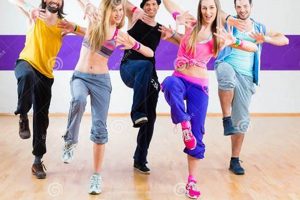
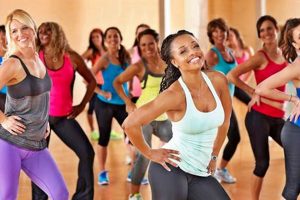
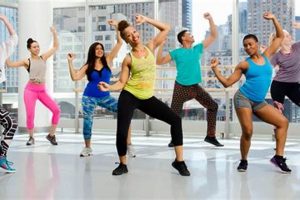
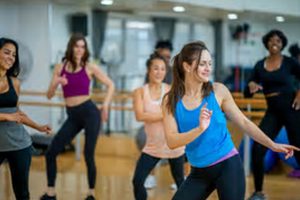
The identification of specific steps utilized within Zumba is crucial for both instructors and participants. Knowing the terminology allows for clearer communication within classes and a deeper understanding of the choreographic structure. For example, terms like “merengue,” “salsa,” and “cumbia” refer to foundational rhythms and corresponding movements adapted for a fitness context.
Understanding the lexicon of these exercises facilitates effective teaching, proper execution, and enhanced workout efficacy. Familiarity with the terminology also contributes to the preservation and respectful adaptation of the cultural dances from which the fitness program draws inspiration. This knowledge ensures authenticity is maintained, while allowing for safe and effective physical activity.
Therefore, a detailed examination of common steps, their origins, and variations is fundamental to a comprehensive understanding of this popular fitness activity. Subsequent sections will delve into specific examples and discuss their application in different Zumba routines.
Guidance on Zumba Choreography
The following guidance addresses effective strategy and knowledge related to fitness routines drawing inspiration from Latin rhythms.
Tip 1: Rhythmic Foundation. Maintain a strong rhythmic base. Before implementing complicated steps, prioritize accurate timing with the music’s underlying beat. This solidifies participants’ comfort and coordination.
Tip 2: Step Simplification. New choreography should simplify complex dance steps. Remove intricate arm movements or footwork initially, focusing on the core movement pattern. Gradually add complexity as participants gain proficiency.
Tip 3: Cueing Clarity. Employ clear and concise verbal cues before each movement. For example, stating “Next, step-touch right” before the step-touch begins provides anticipatory guidance.
Tip 4: Progressive Difficulty. Sequence movements from simple to complex within each routine. This gradual increase in difficulty allows participants to build confidence and master the choreography. A warm-up section that establishes basic movements is crucial.
Tip 5: Incorporate variety. Routines should include a range of tempos and rhythms to maintain participants’ interest and challenge different muscle groups. This might involve transitioning between fast merengue sections and slower cumbia sections.
Tip 6: Mirror Image Teaching. Instructors should teach facing the class, using a mirror image. This ensures that right and left directions are easily understood by participants.
Tip 7: Modifications and Alternatives. Offer modifications and lower-impact alternatives for each movement. This caters to various fitness levels and physical limitations, ensuring inclusivity.
Adhering to these points facilitates accessible and effective exercise sessions, maximizing participant engagement and minimizing the risk of injury.
In conclusion, mindful preparation, clear instruction, and considerate adaptation of choreography are essential for successful implementation in group fitness environments.
1. Rhythm Identification

Rhythm identification forms the core framework around which specific exercises are structured. The effectiveness of a Zumba class depends heavily on the participants’ and instructor’s ability to distinguish and execute steps that align with the music’s underlying rhythm. For example, a merengue sequence necessitates precise timing and distinct hip movements that differ significantly from those utilized in a salsa sequence. Improper execution, stemming from misidentification of the rhythm, can lead to ineffective workouts and potential injuries.
The connection directly influences the selection and sequencing of individual movements. Instructors must accurately discern the rhythmic pattern to select appropriate actions. A cha-cha rhythm, for instance, demands smaller, quicker steps compared to a cumbia rhythm, which utilizes a more grounded, swaying motion. Furthermore, the transition between different rhythmic patterns dictates the overall flow and intensity of the class, necessitating a clear understanding of how each rhythmic foundation interacts with the intended choreography.
Therefore, successful Zumba practice relies on a thorough understanding of rhythm. Challenges arise when instructors lack proficiency in rhythm identification, leading to inconsistent execution and a diluted experience. Mastery of rhythmic patterns and their respective steps not only ensures an effective workout but also honors the cultural integrity of the dances upon which Zumba is built, leading to a more authentic and beneficial fitness experience.
2. Step Origins
Understanding the genesis of Zumba moves provides instructors and participants with a deeper appreciation for the art form. Tracing movements back to their cultural roots reveals the authenticity and richness behind each step.
- Merengue Influence
Many Zumba routines incorporate merengue steps originating from the Dominican Republic. Characteristics of merengue in Zumba often include a march-like step, hip movements, and a fast tempo, adapted to fit within a high-energy fitness context. Its inclusion adds a dynamic element to the workout while representing a distinct cultural expression.
- Salsa Heritage
Salsa’s influence is evident in variations and partner-work inspired formations often seen in choreographed Zumba routines. Incorporating salsa steps in Zumba provides a framework for rhythmic movement, encourages partner engagement, and integrates syncopation into workouts.
- Cumbia Foundation
Cumbia rhythms are used in Zumba through basic steps with variations for high- or low-impact. The grounded, swaying motion characterizes the style, adding diversity in tempo and movement to the fitness routine, reflecting Colombian musical traditions.
- Reggaeton Elements
Steps inspired by Reggaeton are also integrated, providing opportunities for energetic, hip-hop-influenced movements. This incorporation expands the range of physical activities, enhances coordination, and diversifies the musical landscape used in Zumba, bringing a contemporary flair.
In summary, acknowledging step origins not only enhances the overall Zumba experience but promotes cultural awareness and ensures the respectful adaptation of dance traditions within a fitness context. Respecting their origins enhances the authenticity and appeal of this activity.
3. Choreographic Cues

The effectiveness of a Zumba class hinges significantly on the instructor’s proficiency in delivering accurate and timely choreographic cues. These cues serve as essential communication tools, guiding participants through sequences of movements while maintaining the flow and energy of the session. The precision of these cues directly correlates with the ability of class members to correctly execute named actions.
- Anticipatory Cueing
Anticipatory cueing involves providing verbal or non-verbal signals a few beats before a new step or transition. This allows participants to prepare for the upcoming movement. An example would be calling out “Salsa, two counts” prior to initiating a salsa sequence. The result is reduced confusion, improved coordination, and greater workout effectiveness.
- Directional Clarity
Directional clarity necessitates the use of precise language to indicate the direction of movement, specifying left or right, forward or backward. Instructors might say “Step right, then touch left.” Clear directional cues minimize ambiguity and ensure that participants execute steps correctly, promoting uniformity within the class.
- Rhythm and Tempo Indicators
Rhythm and tempo indicators involve verbal cues or counts that reinforce the timing of each step. Phrases such as “One, two, three, tap” synchronize the movement with the music’s beat. Consistent application of these indicators helps participants maintain proper timing and rhythm, contributing to a more engaging workout.
- Visual Demonstrations
Visual demonstrations consist of instructors physically demonstrating each step while cueing verbally. This combination allows participants to learn through observation and auditory input. Displaying the movements enables quicker comprehension and reinforces accuracy. This synergistic approach enhances participants’ understanding and execution of Zumba dance movements.
In summary, the use of effective choreographic cues is integral to successful Zumba instruction. Accurate anticipatory cueing, directional clarity, rhythm and tempo indicators, and visual demonstrations work together to facilitate learning, improve coordination, and maximize workout effectiveness. These cues directly influence participants’ ability to perform identified actions and ensure a rewarding and efficient fitness experience.
4. Movement Adaptation
Movement Adaptation is intrinsically linked to exercise routines derived from cultural forms. The identification and application of modifications ensures accessibility and safety. Within Zumba, movement adaptation involves modifying rhythms and steps to suit various fitness levels and physical capabilities. For example, the “cumbia bsico” can be adapted from a full-body swaying motion to a more contained step-touch, reducing the impact on joints. This tailored approach transforms choreography into a safe and effective workout while respecting its cultural origins. Without adaptation, the program risks excluding individuals and increasing injury potential, undermining its broader health benefits.
The practical significance is evident in the creation of routines that accommodate individuals with pre-existing conditions, age-related limitations, or varying fitness levels. Providing alternative actions during instruction allows participants to engage fully without compromising their well-being. For example, a high-impact jump during a salsa sequence can be modified to a simple step or weight shift. This adaptable framework encourages widespread participation while maintaining the energetic and engaging nature of Zumba. Instructors must be proficient in offering a range of modifications, ensuring inclusivity and promoting a positive exercise experience for all attendees.
In conclusion, adaptation is a crucial component in the implementation of choreographed activities. It supports the inclusivity and effectiveness of such workouts while upholding cultural respect. Challenges may arise in balancing modifications and maintaining the authenticity of steps, but careful consideration and skillful adaptation can foster broader participation and promote a lasting appreciation for the diverse cultural influences integrated within a Zumba program.
5. Fitness Application

The effective incorporation of named actions directly influences its suitability as a comprehensive exercise regime. This application focuses on adapting traditional dance elements to promote cardiovascular health, muscular endurance, and overall physical well-being. Understanding how these named movements translate into specific fitness benefits is crucial for both instructors and participants.
- Cardiovascular Enhancement
The application of rapid, rhythmic steps elevates the heart rate and improves cardiovascular function. Named actions like the “merengue march” or “salsa step-touch,” when performed continuously, provide a sustained aerobic workout. This enhancement contributes to improved stamina and a reduced risk of cardiovascular disease.
- Muscular Endurance and Toning
Many utilized movements engage multiple muscle groups simultaneously, promoting muscular endurance and toning. For instance, the “cumbia bsico” activates core muscles, glutes, and legs. Repeated execution builds strength and endurance in these muscle groups, leading to improved physical fitness.
- Coordination and Motor Skills Development
The integration of varied steps requires coordination and motor skill development. By learning the “reggaeton grapevine” or the “cha-cha slide,” participants enhance their agility and coordination. These skills translate into improved balance and reduced risk of falls, especially in older adults.
- Calorie Expenditure and Weight Management
The combination of aerobic activity and resistance-based movements contributes to significant calorie expenditure, aiding in weight management. Consistent participation in fitness sessions using named actions, along with a balanced diet, supports weight loss and maintenance, fostering a healthier lifestyle.
In summary, the value lies in its ability to transform these steps into structured exercise routines that offer measurable fitness benefits. The intentional selection and sequencing of actions contribute to enhanced cardiovascular health, muscular endurance, coordination, and calorie expenditure. This holistic approach underscores the significance of appropriate implementation for achieving optimal fitness outcomes.
6. Cultural Context
An understanding of the cultural context surrounding steps is essential for responsible and authentic instruction. The integration of traditional dance forms requires acknowledging and respecting their origins, purpose, and significance within their respective cultures. Failure to do so can lead to cultural appropriation and a diminished appreciation for the art forms upon which the fitness routine is based.
- Origin Acknowledgement
Acknowledging the origin of steps involves understanding their historical and cultural roots. For instance, the “cumbia basico” stems from Colombian traditions, where it represents communal celebration and storytelling. Recognizing this context adds depth to the fitness practice and encourages participants to appreciate the dance beyond its physical benefits. Without this acknowledgment, the movements become divorced from their cultural significance, reducing them to mere exercise.
- Music Selection
Music selection plays a pivotal role in maintaining cultural authenticity. Incorporating music that reflects the dance’s cultural heritage reinforces its origins. When playing merengue, selecting tracks by Dominican artists helps preserve the music’s intended flavor and rhythm. Conversely, using generic or unrelated music diminishes the cultural integrity of the dance, potentially misrepresenting its essence.
- Appropriate Attire
Appropriate attire, though not always strictly enforced, can contribute to the cultural context. While strict adherence to traditional dress is impractical in a fitness setting, avoiding attire that disrespects or appropriates cultural symbols is crucial. For example, refraining from wearing culturally significant garments without understanding their meaning demonstrates respect and sensitivity.
- Avoiding Stereotypes
Avoiding stereotypes is critical for responsible instruction. The actions should be presented without perpetuating harmful stereotypes or misconceptions about the cultures they represent. Instructors must refrain from making generalizations or portraying cultures in a caricatured manner. Maintaining cultural sensitivity requires ongoing education and awareness.
In conclusion, integrating cultural context enriches the fitness experience, promoting respect and appreciation for diverse traditions. By acknowledging origins, selecting appropriate music, avoiding stereotypes, and maintaining cultural sensitivity, instructors can ensure their sessions honor the cultural heritage of each step. This approach transforms the fitness session from a mere physical workout into a culturally informed and respectful practice.
Frequently Asked Questions
The following addresses common inquiries regarding the terminology and classification of movements within the Zumba fitness program.
Question 1: Why is it necessary to learn the specific names associated with these dance movements?
Understanding the associated terminology promotes clear communication between instructors and participants. Standardized naming conventions facilitate efficient learning, precise execution, and accurate recall of routines. The use of defined terms also assists in researching and sharing knowledge within the wider fitness community.
Question 2: Are all Zumba steps original creations, or are they derived from existing dance styles?
While Zumba blends various dance elements, its core movements are largely adapted from traditional Latin dance styles, including salsa, merengue, cumbia, and reggaeton. Some routines may incorporate original choreography, but the foundational steps are rooted in established dance forms.
Question 3: Is there a standardized, universally recognized naming system for the steps used in Zumba?
While there is no single, globally enforced standard, many commonly used steps have widely accepted names within the fitness industry. Instructors often adapt or modify moves, which can lead to regional variations in terminology. However, core steps generally retain recognized names.
Question 4: How important is it to accurately execute these dance steps in order to gain the fitness benefits of Zumba?
Accurate execution is crucial for maximizing fitness benefits and minimizing the risk of injury. Correct form ensures that the intended muscle groups are engaged, optimizing the cardiovascular and muscular endurance aspects of the workout. Instructors provide guidance to assist participants in achieving proper form.
Question 5: Do the movements and their names vary depending on the specific type of Zumba class being offered?
Variations exist based on the class format. For instance, Zumba Gold, designed for active older adults, may use modified steps with different names to accommodate lower impact levels. Zumba Toning integrates resistance training elements, potentially altering the execution of existing movements.
Question 6: Where can one find a comprehensive resource for learning the names and proper execution of various Zumba movements?
Certified Zumba instructors are primary resources for learning these aspects. Additionally, various online platforms, instructional videos, and fitness guides offer information on Zumba steps and their proper execution. However, verifying the credentials and experience of online sources is advised.
Mastering the terminology related to these movements enhances one’s ability to participate effectively and benefit fully from this widespread fitness activity.
Considerations regarding the future of this domain in fitness will be addressed subsequently.
Conclusion
The preceding examination of “zumba dance moves names” underscores the critical role of terminology in effective instruction and participation. Precise language fosters clear communication, facilitates accurate execution, and preserves the cultural integrity of the dance forms integrated within the fitness program. Understanding and utilizing correct terms is essential for instructors to convey information effectively and for participants to comprehend and replicate movements safely.
Continued adherence to standardized naming conventions and a commitment to respecting the cultural origins of individual steps are paramount. As the program evolves, maintaining a focus on accurate and informative communication will contribute to its enduring efficacy and cultural relevance. The future of this domain relies on a shared understanding and consistent application of established terminology.