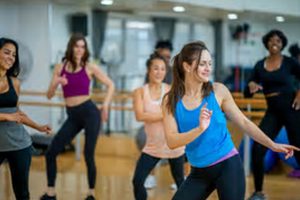
Programs blending rhythmic movement with Latin-inspired music are increasingly offered to individuals diagnosed with a neurodegenerative disorder affecting motor control. These specialized sessions modify typical choreography to accommodate varying mobility levels and cognitive functions, aiming to create an inclusive and supportive environment for participation.
The integration of physical activity within a group setting has demonstrated potential benefits for symptom management. These include improvements in balance, coordination, and gait, along with possible enhancements in mood and cognitive performance. The social interaction inherent in these classes can also combat feelings of isolation, contributing to an improved overall quality of life for participants. Furthermore, the structured and repetitive nature of the exercises can assist in maintaining or regaining motor skills affected by the condition.
Subsequent sections will delve into the specific adaptations made to facilitate participation, the empirical evidence supporting the efficacy of this therapeutic approach, and the resources available to individuals seeking to engage in such activities.
Guidance for Participation
Participation in movement-based programs requires careful consideration of individual needs and limitations. The following guidelines aim to facilitate safe and beneficial engagement.
Tip 1: Consult with a Medical Professional: Prior to commencing any new exercise regimen, obtaining clearance from a physician or neurologist is essential. This consultation should address any pre-existing conditions and potential contraindications.
Tip 2: Seek Qualified Instructors: Verify that the instructor possesses specialized training and experience in adapting movement routines for individuals with neurological conditions. Certification and relevant credentials should be readily available.
Tip 3: Prioritize Safety and Support: Classes should be conducted in a safe and supportive environment, minimizing potential hazards such as uneven flooring or inadequate lighting. Consider the presence of trained assistants or caregivers to provide individualized support.
Tip 4: Modify Movements as Needed: Do not hesitate to adapt movements to accommodate individual physical capabilities. Low-impact modifications and the use of assistive devices are encouraged to maintain safety and comfort.
Tip 5: Focus on Rhythmic Stability: Emphasis should be placed on movements that promote rhythmic stability and coordinated movement patterns. Controlled and deliberate execution is preferred over speed or complexity.
Tip 6: Monitor Symptom Response: Closely monitor symptoms during and after the activity. Discontinue participation if any adverse reactions, such as increased tremors, dizziness, or pain, are experienced.
Tip 7: Hydration and Nutrition: Ensure adequate hydration and nutrition before, during, and after classes to maintain energy levels and support physical exertion.
Adherence to these guidelines can maximize the potential benefits of adapted movement programs, promoting physical and emotional well-being.
The following sections will provide information on resources, finding programs, and further research on this topic.
1. Motor Skill Maintenance

Motor skill maintenance, in the context of Parkinson’s disease, refers to the preservation and, ideally, enhancement of existing motor functions impacted by the neurodegenerative condition. These skills encompass a range of movements from basic ambulation to more complex tasks requiring coordination and dexterity. The progressive nature of Parkinson’s often leads to a decline in these skills, affecting an individual’s ability to perform daily activities and maintain independence. Specialized rhythmic movement programs are, in part, designed as an interventional strategy targeting the deceleration of motor skill degradation.
Participation in movement programs can provide several benefits relevant to motor skill retention. The structured and repetitive nature of the choreographed routines helps reinforce neural pathways associated with motor control. For example, the rhythmic stepping and arm movements involved in many adapted routines may help improve gait and reduce instances of freezing. By actively engaging in these movements, individuals may be able to counteract the rigidity and bradykinesiaslowness of movementcharacteristic of Parkinson’s. Moreover, the cognitive demands of learning and recalling dance steps can further stimulate neural plasticity, potentially contributing to the maintenance of motor skill performance over time. An example is the improved manual dexterity observed in participants performing rhythmic hand movements, which directly relates to better performance of fine motor tasks in daily life.
In summary, rhythmic movement programs serve as a valuable tool for promoting motor skill maintenance in individuals with Parkinson’s disease. The benefits derive from the repetitive, structured nature of the activities and the cognitive engagement required to learn and execute choreography. While it is unlikely to completely halt the progression of the condition, it presents a viable strategy for mitigating motor skill decline and promoting functional independence, thus contributing to enhanced quality of life. Challenges remain in standardizing program delivery and assessing long-term efficacy across diverse populations.
2. Balance Improvement
Balance improvement constitutes a critical component of rhythmic movement interventions specifically tailored for individuals with Parkinson’s disease. The progressive neurodegeneration characteristic of this condition directly impacts postural stability, resulting in increased fall risk and reduced functional independence. The integration of structured movement within these sessions is intended to counteract these balance deficits through targeted exercise and cognitive engagement. Exercises such as weight shifting, stepping patterns, and controlled rotational movements, implemented under the guidance of qualified instructors, aim to stimulate proprioceptive feedback and enhance neuromuscular control. This targeted approach is hypothesized to promote both static and dynamic balance, thereby mitigating the potential for falls and improving mobility in daily activities. For example, increased gait stability has been observed in participants following a period of rhythmic movement sessions, enabling them to navigate uneven surfaces with greater confidence.
The efficacy of these interventions stems from the integration of multiple factors. The rhythmic nature of the music and movement patterns provides an external timing cue that can help synchronize motor movements, offsetting the internally generated timing deficits often observed in Parkinson’s. Furthermore, the social engagement and group dynamics fostered within these programs can contribute to improved motivation and adherence, thereby maximizing the potential for long-term balance improvements. For instance, the combination of exercise and social interaction helps improve confidence to participate in community events with mobility. The cognitive demands of learning and recalling choreographic sequences also engage higher-level cortical processes involved in motor planning and execution, promoting neural plasticity and adaptive motor learning.
In conclusion, balance improvement is a key objective and a significant benefit derived from rhythmic movement interventions for individuals with Parkinson’s disease. The structured exercise, rhythmic cueing, social engagement, and cognitive stimulation that are integrated into these programs contribute to improved postural stability, reduced fall risk, and enhanced functional independence. Sustained engagement is essential to counteract the progressive nature of this condition. Additional investigation is necessary to establish long-term efficacy and optimize program delivery across varied patient populations.
3. Social Engagement

Social engagement is a significant component of rhythmic movement programs designed for individuals with Parkinson’s disease. Its inclusion addresses not only the physical challenges associated with the condition but also the potential for social isolation and diminished quality of life. The structured group environment fosters opportunities for interaction and support, thereby mitigating the psychological and emotional burden often experienced by those affected by the illness.
- Reduced Isolation
Participation in group-based activities provides a structured setting for regular social interaction. Individuals with Parkinson’s may experience social withdrawal due to physical limitations or emotional challenges. A shared activity encourages interpersonal connections and reduces feelings of loneliness and isolation, creating a supportive community.
- Peer Support and Shared Experiences
Classes offer a platform for individuals to connect with others facing similar challenges. This allows for the exchange of coping strategies, encouragement, and mutual understanding. The shared experience fosters a sense of camaraderie and reduces the stigma associated with the condition, promoting emotional well-being.
- Enhanced Communication Skills
The interactive nature of group activities stimulates communication skills. Participants are encouraged to interact with instructors and fellow participants, improving their ability to express themselves and engage in meaningful conversations. This is crucial for maintaining cognitive function and overall social competence.
- Increased Motivation and Adherence
Social support networks contribute to increased motivation and adherence to exercise programs. The encouragement and accountability derived from peer interactions can help individuals overcome challenges and maintain consistent participation. This ultimately leads to better outcomes in terms of physical and emotional health.
The elements of social engagement are integral to the holistic benefits derived from rhythmic movement programs for individuals with Parkinson’s disease. By addressing both physical and psychosocial needs, these interventions contribute to enhanced quality of life, reduced isolation, and improved overall well-being. The collective impact of these factors strengthens the resilience and adaptive capacity of participants, enabling them to better manage the challenges associated with the condition.
4. Cognitive Stimulation
Rhythmic movement programs, often utilizing musical elements, present opportunities for cognitive stimulation for individuals with Parkinson’s disease. The necessity to learn and recall dance steps demands focused attention and memorization. These cognitive processes can help mitigate the cognitive decline often associated with the progression of the condition. The requirement to adapt to changing rhythms and sequences also promotes mental flexibility and problem-solving skills. For example, participants may need to adjust their movements based on auditory cues, thereby enhancing auditory processing and cognitive adaptability. This aspect of such classes can be particularly beneficial for individuals experiencing cognitive impairments, as it provides a structured and engaging means of cognitive exercise. Participants often report improved focus and mental clarity following classes, which suggests the activation of cognitive reserves during the activity.
Furthermore, the group dynamic within these classes contributes to cognitive stimulation. Interaction with fellow participants involves communication, social problem-solving, and emotional processing. These social interactions stimulate cognitive functions related to language processing, emotional recognition, and social cognition. The shared learning experience and supportive environment facilitate the development of cognitive resilience, allowing individuals to better cope with cognitive challenges encountered in daily life. An example is remembering steps in relation to those around you or helping others if they have challenges in a particular step. This promotes executive cognitive function, contributing to daily function.
In summary, the cognitive benefits derived from these sessions are multifaceted, encompassing improvements in memory, attention, mental flexibility, and social cognition. These improvements are achieved through the structured cognitive demands of learning and performing dance routines, as well as the social interaction inherent in the group setting. Cognitive stimulation is thus a critical element of these programs, contributing to enhanced cognitive function and overall quality of life. Challenges related to standardized program design and long-term follow-up remain; these need to be considered for future research and clinical practice to maximise the potential benefits of movement based classes.
5. Symptom Management
The integration of rhythmic movement programs offers a non-pharmacological avenue for symptom management in Parkinson’s disease. The following details outline key aspects of this therapeutic approach.
- Bradykinesia Amelioration
Bradykinesia, or slowness of movement, is a cardinal symptom of Parkinson’s. Movement sessions can improve movement velocity and fluidity. The structured nature of the exercises, combined with auditory cueing from the music, encourages increased movement amplitude and rhythmic precision. Repeated engagement may lead to improvements in motor planning and execution, thereby mitigating the effects of bradykinesia. Improvement in simple tasks like walking speed and buttoning a shirt are seen after regular participation.
- Rigidity Reduction
Rigidity, characterized by increased muscle tone and stiffness, contributes to movement difficulties. Rhythmic and repetitive movement helps to reduce muscular rigidity. The warm-up components of classes, including stretching and range-of-motion exercises, prepare the muscles for more demanding activities. Sustained physical activity can promote relaxation and reduce muscle tension, leading to improved mobility and reduced pain associated with rigidity. Simple things like decreased shoulder and neck pain are often seen.
- Tremor Modulation
While the effect on tremor varies among individuals, some report a temporary reduction in tremor amplitude and frequency during and immediately after movement sessions. The distraction provided by the music and movement can divert attention away from the tremor, potentially reducing its severity. Moreover, the controlled and purposeful nature of the exercises promotes neuromuscular coordination, which may indirectly influence tremor activity. This may not always be consistent, and further research needs to be done.
- Postural Stability
Postural instability is a major contributor to falls. Integration of specific balance exercises, such as weight shifting and dynamic movements, promotes enhanced postural control. Engaging core musculature contributes to improved balance and reduces the risk of falls. Over time, improvements in balance and coordination can lead to increased confidence and independence in daily activities and decreasing fear of falls.
The integration of rhythmic movement addresses multiple motor and non-motor symptoms of Parkinson’s. While such activity does not halt disease progression, consistent participation can contribute to improved overall function and quality of life. However, it is important to recognize that individual responses may vary, and modifications to movement or duration may be required to suit each person’s specific needs and limitations.
6. Emotional Well-being
Emotional well-being, an integral component of overall health, is particularly salient for individuals diagnosed with Parkinson’s disease. Movement sessions offer a multifaceted approach to enhancing psychological and emotional resilience alongside physical benefits. These sessions can directly impact mood regulation, self-esteem, and social connectedness, thereby contributing to an improved quality of life.
- Mood Regulation
The rhythmic and aerobic nature of movement activities stimulates the release of endorphins, natural mood elevators that can counteract symptoms of depression and anxiety frequently associated with Parkinson’s. The structured movement and social interaction offer a positive outlet for emotional expression and stress reduction. Participants often report a noticeable elevation in mood following the completion of a class.
- Self-Esteem and Body Image
Parkinson’s disease can lead to changes in physical appearance and motor function, negatively impacting self-esteem and body image. Engaging in movement classes provides a means for individuals to regain a sense of control over their bodies and improve their physical capabilities. Mastering new dance steps and achieving fitness goals can foster a sense of accomplishment and enhance self-confidence.
- Social Connectedness and Support
The group setting creates opportunities for individuals to connect with others facing similar challenges. These social interactions foster a sense of belonging and provide a supportive community, thereby reducing feelings of isolation and loneliness. Sharing experiences and building relationships with fellow participants can enhance emotional well-being and promote resilience.
- Cognitive Enhancement and Emotional Processing
The cognitive demands of learning and recalling dance steps can stimulate cognitive functions related to attention, memory, and executive function. The integration of music and movement also facilitates emotional processing, allowing individuals to express and regulate their emotions in a creative and engaging manner. This combined cognitive and emotional engagement can improve overall psychological well-being.
Collectively, these facets underscore the importance of addressing emotional well-being in conjunction with physical health. Movement programs provide an integrated approach that empowers individuals with Parkinson’s to manage their symptoms, enhance their self-esteem, build social connections, and improve their overall quality of life. This, in turn, contributes to a more positive outlook and an enhanced capacity to cope with the challenges associated with the condition.
7. Adapted Choreography

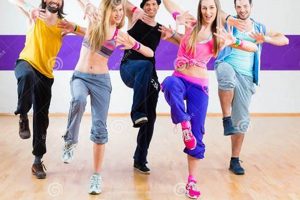
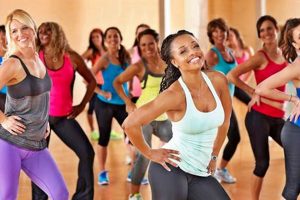
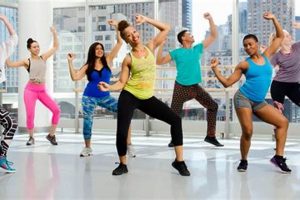
Adapted choreography forms a cornerstone of effective rhythmic movement programs designed for individuals with Parkinson’s disease. The necessity for adaptation arises from the motor and non-motor symptoms of the condition, including bradykinesia, rigidity, postural instability, and cognitive changes. Standard choreographic routines, often demanding in terms of speed, complexity, and balance, are typically unsuitable for individuals with these challenges. The cause-and-effect relationship is direct: unmodified choreography results in exclusion and potential injury, while adapted choreography promotes accessibility, safety, and therapeutic benefit. Consider a traditional Zumba class that involves fast-paced jumps and complex turns. An individual with Parkinson’s, particularly those experiencing postural instability, may be at high risk of falls. An adapted routine, conversely, replaces jumps with controlled steps and modifies turns to minimize balance challenges, thus enabling safe participation.
The importance of adapted choreography extends beyond mere safety. It directly influences the therapeutic impact of the program. For instance, the size of the movements must be adjusted based on individual abilities, and routines should be performed in a controlled and deliberate manner that can improve gait and coordination. Furthermore, movements can be modified to address specific deficits, such as incorporating large-amplitude arm movements to counteract bradykinesia. Real-life examples include the substitution of floor-based exercises with seated variations, allowing those with balance issues to participate fully. The inclusion of visual cues can also aid individuals with cognitive impairments, improving their ability to follow the choreography. The design of routines must also accommodate varying cognitive function and levels of motor impairment, ensuring that the exercise is stimulating but not overwhelming. In clinical practices, instructors with specialized training in adapting routines for neurological conditions are essential.
In summary, adapted choreography is not merely an optional component but a prerequisite for safe and effective delivery of rhythmic movement programs to those with Parkinson’s. The adaptations facilitate physical access, promote therapeutic benefits, and foster a sense of inclusion and empowerment. The challenges lie in standardizing adaptive techniques and ensuring widespread availability of adequately trained instructors. Further research is required to optimize choreography for various stages of the disease and to validate its long-term impact on motor and non-motor symptoms. This is crucial to ensuring the widespread applicability of these programs.
Frequently Asked Questions
The following addresses common inquiries regarding specialized rhythmic movement programs, often incorporating dance elements, for individuals with Parkinson’s disease. The aim is to provide clarity and evidence-based information about their potential benefits and practical considerations.
Question 1: Are specialized movement programs a replacement for traditional medical treatment for Parkinson’s disease?
Specialized movement programs are not a substitute for conventional medical interventions, such as medication and surgical treatments. These programs serve as a complementary therapy designed to enhance motor function, improve balance, and promote overall well-being. Consultation with a qualified medical professional is essential for comprehensive management of Parkinson’s disease.
Question 2: What specific qualifications should instructors possess to lead rhythmic movement sessions for individuals with Parkinson’s?
Instructors leading such sessions should possess specialized training and certification in movement therapy or adapted physical activity, with a focus on neurological conditions. Knowledge of Parkinson’s disease pathophysiology, symptom management, and safety protocols is crucial. Experience working with individuals with motor impairments is highly recommended.
Question 3: What are the key safety precautions to consider before participating in a rhythmic movement program?
Prior to participation, individuals should obtain clearance from a physician or neurologist to ensure suitability for physical activity. Programs should be conducted in a safe environment with adequate space, non-slip flooring, and appropriate lighting. Individualized modifications to exercises are essential to accommodate varying mobility levels. Close monitoring for adverse reactions, such as increased tremors or dizziness, is necessary.
Question 4: How can the intensity and complexity of movement routines be adjusted to accommodate varying levels of motor impairment?
The intensity and complexity of movement routines should be carefully tailored to individual capabilities. Low-impact modifications, such as seated exercises and reduced range of motion, can be implemented for those with significant motor impairment. Gradual progression of exercise difficulty, based on individual tolerance and progress, is recommended. The implementation of rest periods is essential to avoid overexertion.
Question 5: What types of outcomes or benefits can individuals realistically expect from engaging in regular rhythmic movement sessions?
Regular participation may yield improvements in balance, gait, flexibility, and motor coordination. Participants may also experience enhanced mood, reduced social isolation, and improved cognitive function. The magnitude of these benefits can vary depending on individual factors such as disease severity, adherence to the program, and overall health status.
Question 6: How can individuals locate qualified rhythmic movement programs and instructors in their local area?
Resources for locating programs and instructors include referrals from neurologists or physical therapists, online directories of Parkinson’s disease support organizations, and local community centers. Verification of instructor qualifications and program suitability is recommended prior to enrollment.
These FAQs provide essential information for individuals considering participating in such therapeutic programs. Consultation with medical professionals and qualified instructors remains paramount.
Further sections will detail resources and support networks available to those interested in exploring this approach.
Concluding Remarks
The preceding exploration has illuminated the multifaceted dimensions of “zumba dance classes parkinson” as a complementary intervention. The analysis has emphasized the adaptations necessary to ensure accessibility and safety, the potential for motor skill maintenance and balance improvement, the role of social engagement and cognitive stimulation, and the overall contribution to symptom management and emotional well-being. The inquiry has also highlighted the critical need for qualified instructors and individualized program design.
The continued investigation and refinement of these programs, coupled with rigorous research methodologies, will be essential to fully elucidate their long-term efficacy and broaden their applicability. Individuals seeking such programs should prioritize consultations with medical professionals and thorough vetting of instructor qualifications to maximize potential benefits and mitigate potential risks. The integration of these classes serves as a supplemental tool in comprehensive care.