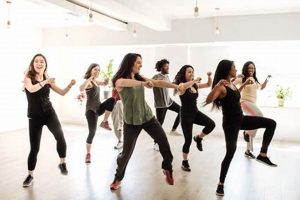
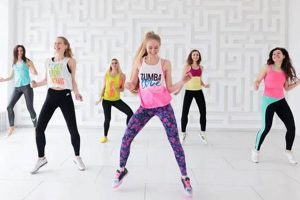
This exercise fuses the high-energy, Latin-inspired rhythms of Zumba with the elegance and structure of ballroom dance styles. Participants engage in routines that incorporate elements from dances like salsa, cha-cha, tango, and waltz, adapted for a group fitness setting. For instance, a class may transition from a fast-paced salsa sequence to a more controlled and graceful waltz segment.
The combination offers several advantages. It provides a full-body workout, improving cardiovascular health, coordination, and muscle tone. Furthermore, it introduces participants to the fundamentals of ballroom dance in a less formal and more accessible environment, potentially fostering an interest in pursuing formal ballroom instruction. Historically, the adaptation of dance forms for fitness has been a recurring trend, seeking to make movement enjoyable and beneficial.
The following discussion will delve into specific techniques, musical selections, and choreographic strategies employed in this blended activity. A detailed examination of the physical and mental well-being benefits associated with participation will also be presented. Finally, the article will explore the growing popularity and community aspects of this unique form of exercise.
Enhancing Your Experience
The following guidance is intended to assist individuals seeking to maximize their benefits and proficiency in this activity. Adherence to these suggestions may contribute to improved technique, enhanced engagement, and reduced risk of injury.
Tip 1: Prioritize Foundational Zumba Techniques. A strong base in Zumba fundamentals, including proper footwork and core engagement, provides a solid foundation for incorporating ballroom elements. Practice basic Zumba steps to build stamina and coordination before attempting more complex choreography.
Tip 2: Focus on Ballroom Posture and Frame. Maintaining correct posture and frame, even in a modified form, is crucial for executing ballroom steps with precision and grace. Actively engage core muscles, keep shoulders relaxed, and maintain appropriate arm positioning as dictated by the specific ballroom style.
Tip 3: Gradually Introduce Ballroom Elements. Avoid overwhelming the body with complex ballroom patterns too quickly. Begin with simplified variations of steps and progressively increase difficulty as proficiency develops. Master basic waltz steps before attempting more intricate tango sequences, for example.
Tip 4: Pay Attention to Musicality and Timing. Ballroom dances are characterized by specific rhythms and timings. Actively listen to the music and strive to synchronize movements accordingly. Accurately interpreting the musical cues enhances the overall performance and aesthetic appeal.
Tip 5: Seek Qualified Instruction. Guidance from a certified instructor with experience in both Zumba and ballroom dance is highly recommended. A qualified instructor can provide personalized feedback, correct improper technique, and ensure a safe and effective training environment.
Tip 6: Integrate Cross-Training Activities. Complement this activity with exercises that improve flexibility, strength, and cardiovascular fitness. Activities such as yoga, Pilates, and cardiovascular training can enhance performance and reduce the risk of injury.
Effective integration of these suggestions can lead to a more rewarding and fulfilling experience, fostering both physical and mental well-being.
The subsequent section of this article will address common challenges and offer strategies for overcoming them, further optimizing participation and skill development.
1. Rhythmic Coordination

Rhythmic coordination serves as a foundational pillar of successful participation in this dance exercise. The activity fundamentally relies on the synchronization of movement with music. Each ballroom step, from the salsas quick-quick-slow to the waltzs one-two-three, must be accurately timed to the underlying rhythm. Poor rhythmic coordination inhibits the proper execution of dance sequences, reducing effectiveness and potentially leading to missteps. For example, an individual attempting a cha-cha sequence with inaccurate timing disrupts the flow of the dance and undermines its aesthetic and physical benefits. The cause-and-effect relationship is direct: precise rhythmic timing results in graceful, efficient movement, while a lack thereof leads to awkwardness and inefficiency.
The significance of rhythmic coordination extends beyond mere aesthetics. When movements are accurately synchronized, the body operates more efficiently, minimizing strain on joints and muscles. This allows participants to sustain activity for longer durations, thereby maximizing the cardiovascular and strength-building benefits. Consider a tango routine where precise timing allows for sharp, controlled movements; without proper coordination, the steps become labored and less impactful. Furthermore, rhythmic accuracy enhances cognitive function, as the brain actively processes and responds to musical cues. This element can be improved with consistent practice and listening to music regularly to understand each style beat and rhythm.
In summary, rhythmic coordination is not merely a desirable attribute but a critical component. Mastering rhythmic timing enables participants to fully engage in the activity, derive maximum physical benefits, and appreciate the artistic elements. Addressing rhythmic challenges through targeted practice and attentive listening is essential for achieving proficiency and deriving satisfaction from the blended exercise.
2. Fitness Integration

The effectiveness of this activity lies substantially in its fitness integration, transforming ballroom dance from a purely artistic endeavor into a comprehensive exercise regimen. The cause-and-effect relationship is evident: the structured steps of ballroom are combined with the high-energy elements of Zumba, which increases cardiovascular demand and calorie expenditure. Integrating fitness principles ensures that participants not only learn dance steps but also improve their physical conditioning. For example, repetitive cha-cha steps engage core muscles, while salsa sequences enhance agility and coordination. The absence of fitness integration would reduce the activity to a series of dance moves with minimal physiological impact.
The practical applications of fitness integration are multifaceted. This ensures a balanced workout, targeting different muscle groups and enhancing various fitness components. The integration of Zumbas interval training principles, which alternate between high and low intensity segments, amplifies the cardiovascular benefits. Furthermore, adapting ballroom moves to a fitness setting makes them accessible to a wider audience, removing the need for formal dance training or a partner. Classes often incorporate modifications and variations to accommodate different fitness levels, ensuring that all participants can engage safely and effectively.
In conclusion, fitness integration is a critical and transformative element. It elevates the art form to an exercise form, fostering improved physical health and overall well-being. Successfully blending ballroom dance with fitness principles requires an understanding of both disciplines, ensuring a balanced and effective exercise experience.
3. Ballroom Foundation

The success of a routine stems from the incorporation of fundamental ballroom techniques. The steps and movements, such as the box step in waltz or the Cuban motion in salsa, provide the underlying structure. Without this foundation, the blended exercise loses its connection to formal dance, becoming simply another high-energy fitness class. For instance, the execution of a proper tango requires a specific posture and footwork; neglecting these elements results in a distorted representation of the dance. Consequently, the impact of the exercise on balance, coordination, and grace is diminished.
Adherence to basic principles ensures the integrity of the ballroom component. Proper frame, posture, and footwork enhance the aesthetic and physical benefits. For example, maintaining correct posture during a cha-cha engages core muscles and improves spinal alignment, directly translating to improved dance technique and overall fitness. Participants gain insight into the nuances of different ballroom styles, fostering an appreciation for their cultural and artistic significance. This approach further differentiates the activity from generic fitness routines, providing a unique and enriching exercise experience.
In conclusion, the importance of a “Ballroom Foundation” is significant in shaping its overall character and effectiveness. The integration of these components distinguishes it from other fitness offerings, and its impact on participants’ physical and mental well-being is directly linked to the adherence to fundamental ballroom dance principles and techniques.
4. Latin Rhythms

The infusion of Latin rhythms is integral to the vibrant nature of routines. These rhythms, originating from various Latin American musical traditions, provide the core tempo and structure that drive the movements. Without this rhythmic foundation, the dance activity would lack its signature energy and distinctive character. Each rhythmsuch as salsa, merengue, or cumbiadictates specific step patterns, body movements, and emotional expression. For example, the fast-paced salsa rhythm necessitates quick footwork and dynamic hip movements, while the slower cumbia rhythm allows for a more relaxed and fluid style. The effect is a diverse and engaging workout that appeals to a wide range of participants.
The practical significance of understanding Latin rhythms extends to the effectiveness of the exercise itself. Accurate interpretation of musical cues enables participants to synchronize their movements more effectively, enhancing coordination and preventing missteps. Furthermore, the emotional expression inherent in Latin rhythms contributes to the overall enjoyment and motivation. Consider the energizing effect of a merengue beat, which encourages participants to move with enthusiasm and abandon. The rhythms also introduce participants to various Latin American cultures, expanding their appreciation for music and dance traditions. Routines are usually adapted from these styles but retaining the core movement to provide real latin taste.
In summary, Latin rhythms are not merely an accessory but a defining element. Their contribution to the unique nature cannot be overstated. Embracing and understanding the nuances ensures a more authentic and fulfilling experience, maximizing both the physical and cultural benefits of the dance activity. This rhythmic integration fosters a deep connection between music, movement, and emotion, making it a truly holistic form of exercise.
5. Choreographic Fusion
Choreographic fusion is the linchpin that binds Zumba’s high-energy fitness routines and the structured elegance of ballroom dancing. This element represents the intentional blending of distinct dance styles to create a cohesive and engaging workout experience. Without thoughtful choreography, the mere combination of Zumba steps and ballroom techniques would result in a disjointed and ineffective activity. The cause-and-effect relationship is straightforward: skilled choreographic fusion results in seamless transitions between dance styles, while poor fusion leads to awkward and disjointed movements. Its importance as a component lies in its ability to maintain the flow of the routine, ensuring a dynamic and enjoyable experience for participants. A routine might smoothly transition from a fast-paced Zumba salsa segment to a more controlled and graceful waltz section, creating a varied and challenging workout.
The practical significance of choreographic fusion is evident in several aspects. First, it allows for a comprehensive workout that targets different muscle groups and improves various aspects of fitness. This also ensures that participants learn and execute ballroom steps correctly, incorporating elements of frame, posture, and footwork. The creative process of choreographic fusion permits instructors to adapt and modify routines to accommodate different fitness levels and preferences. This customization ensures inclusivity and allows instructors to engage a wider audience with differing abilities and dance backgrounds. Routines are designed to achieve specific fitness goals, such as increasing cardiovascular endurance, improving coordination, or building strength.
In summary, choreographic fusion is fundamental to the success. This approach enables the creation of innovative and dynamic workout experiences that appeal to individuals seeking a fun and effective way to exercise. Overcoming the challenges requires a deep understanding of both fitness principles and ballroom dance techniques, ensuring a safe, effective, and aesthetically pleasing workout.
6. Cardiovascular Benefit

Cardiovascular benefit is a significant outcome of engaging in this dance exercise, resulting from the sustained rhythmic movement inherent in the activity. The elevated heart rate and increased oxygen consumption experienced during a typical session contribute to improved cardiovascular health. The intensity and duration of the dance routines directly impact the magnitude of this benefit.
- Sustained Aerobic Activity
Sustained aerobic activity is a primary driver of cardiovascular improvement. The continuous movement elevates heart rate and strengthens the cardiovascular system over time. For example, extended salsa sequences require consistent effort, leading to increased blood flow and improved heart function. Individuals participating consistently experience enhanced endurance and reduced risk of cardiovascular disease.
- Interval Training Effects
The incorporation of interval training principles, where periods of high-intensity activity are interspersed with periods of lower intensity, further enhances cardiovascular benefit. The alternations in tempo and intensity challenge the heart and blood vessels, promoting improved efficiency and resilience. An example of this is the sudden tempo and style changes, forcing the heart to adapt quickly.
- Calorie Expenditure and Weight Management
Participation contributes to calorie expenditure, aiding in weight management and reducing the risk of obesity-related cardiovascular complications. The energetic nature of the dances burns calories, reducing body fat and improving lipid profiles. For example, a vigorous routine can burn a significant number of calories, leading to weight loss and improved cardiovascular markers.
- Improved Vascular Function
Regular participation contributes to improved vascular function, promoting healthy blood flow and reducing the risk of hypertension. Dancing encourages the dilation of blood vessels, decreasing blood pressure and improving overall vascular health. An individual experiences improved blood flow, which can improve overall cardiovascular well being.
These facets highlight the significant role it plays in promoting cardiovascular health. Sustained aerobic activity, interval training effects, calorie expenditure, and improved vascular function collectively contribute to a healthier cardiovascular system. Engagement can be viewed as a holistic approach to cardiovascular fitness.
7. Social Engagement

Social engagement is an integral component of experiences, enhancing the activity’s appeal and perceived benefits. The group fitness environment fosters a sense of community among participants, driven by shared goals and collective movement. This dynamic interaction has a direct impact on motivation, adherence, and overall enjoyment. For instance, individuals new to exercise may find the group setting less intimidating and more supportive than solo workouts, thus increasing their likelihood of continued participation.
The practical significance of social engagement extends beyond mere enjoyment. The social support provided within the group can positively influence individual self-esteem and confidence. Regular interaction with fellow participants provides opportunities for building relationships, sharing experiences, and exchanging encouragement. This sense of belonging can be particularly beneficial for individuals seeking to overcome feelings of isolation or anxiety. Furthermore, instructors play a crucial role in fostering a positive and inclusive social environment, promoting camaraderie and mutual respect among participants. Consider the effect of a welcoming instructor who encourages interaction and facilitates connections between members: it strengthens the social fabric of the class, creating a more rewarding experience for everyone involved.
In summary, social engagement is not simply an ancillary benefit but a crucial aspect of the activity. It is a catalyst for enhanced motivation, improved adherence, and increased feelings of well-being. By understanding and nurturing the social dynamics within the group fitness setting, instructors and participants can maximize the benefits of, creating a positive and supportive community. Future research might explore the long-term effects of the activity and related social engagement on individuals’ overall physical and mental health.
Frequently Asked Questions
The following addresses common inquiries regarding Zumba Ballroom Dance, providing clear and concise information to clarify its nature and potential benefits.
Question 1: Is prior ballroom dance experience required to participate in Zumba Ballroom Dance?
No. The routines are designed to be accessible to individuals with varying levels of dance experience. Modifications and variations are typically offered to accommodate beginners.
Question 2: What are the specific physical benefits of participating in Zumba Ballroom Dance?
Participation improves cardiovascular fitness, muscular endurance, coordination, and flexibility. It also contributes to calorie expenditure and weight management.
Question 3: How does Zumba Ballroom Dance differ from traditional Zumba classes?
While both activities incorporate Latin rhythms and fitness principles, Zumba Ballroom Dance emphasizes ballroom dance steps and techniques, whereas traditional Zumba focuses more broadly on various dance styles.
Question 4: Are specialized shoes required for Zumba Ballroom Dance?
While not mandatory, shoes with good support and minimal traction are recommended to facilitate ease of movement and reduce the risk of injury. Ballroom dance shoes may be beneficial for those with prior experience, but are not essential for beginners.
Question 5: How often should one participate in Zumba Ballroom Dance to see noticeable results?
Consistency is key. Participating at least two to three times per week typically yields noticeable improvements in fitness levels and dance proficiency.
Question 6: What precautions should be taken to avoid injury during Zumba Ballroom Dance?
Proper warm-up and cool-down routines are essential. It is also important to listen to one’s body, avoid overexertion, and seek guidance from a qualified instructor on proper technique.
In summary, Zumba Ballroom Dance offers a unique and accessible fusion of fitness and dance, providing a diverse range of physical and social benefits. Proper preparation and adherence to safety guidelines are crucial for maximizing its potential.
The subsequent section will explore case studies and anecdotal evidence further illuminating the practical impact of this activity on individuals’ lives.
Conclusion
This article has explored in detail, outlining its key components, benefits, and practical considerations. It merges Latin-inspired rhythms with the structure and elegance of ballroom techniques, creating a unique fitness experience. The discussion encompassed rhythmic coordination, fitness integration, ballroom foundations, Latin rhythms, choreographic fusion, cardiovascular benefits, and social engagement. The FAQs addressed common concerns, such as required experience and expected outcomes.
The potential of lies in its ability to engage diverse populations in physical activity while fostering an appreciation for dance and music. Further research is warranted to fully understand its long-term impact on physical and mental well-being, as well as its role in promoting cultural awareness and social connectivity. It represents a compelling avenue for individuals seeking a dynamic and effective approach to fitness.