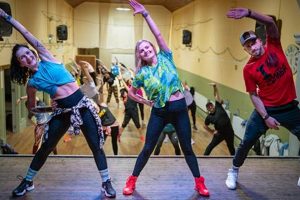
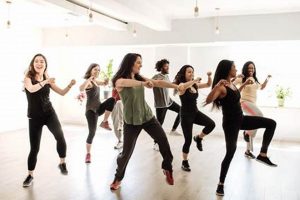
Appropriate attire for a Zumba session is characterized by clothing that allows for a full range of motion, breathability, and comfort during high-energy physical activity. Examples include athletic leggings, moisture-wicking t-shirts, supportive sports bras for women, and lightweight shorts.
Selecting suitable garments enhances the Zumba experience by preventing overheating, minimizing chafing, and maximizing freedom of movement. Proper footwear, specifically cross-training shoes, is crucial for impact absorption and lateral support, reducing the risk of injury. Historically, dance fitness emphasized functionality, leading to the prioritization of practical and performance-oriented clothing choices.
The subsequent sections will delve into the specifics of top wear, bottom wear, footwear, and essential accessories that optimize comfort and performance in a Zumba environment. Considerations for fabric type and fit will also be addressed, ensuring participants can select clothing that meets their individual needs and preferences.
Apparel Selection Guidance for Zumba Participation
The following guidelines offer practical advice for choosing attire that maximizes comfort, performance, and safety during Zumba classes.
Tip 1: Prioritize Moisture-Wicking Fabrics: Opt for synthetic materials like polyester or nylon, which effectively draw sweat away from the skin, preventing discomfort and chilling during intense activity. Cotton, while comfortable, tends to retain moisture and can become heavy.
Tip 2: Ensure Adequate Range of Motion: Select clothing that permits unrestricted movement. Avoid overly tight or restrictive garments that may inhibit dance steps and increase the risk of muscle strain. Test the garment’s flexibility by performing basic Zumba moves before class.
Tip 3: Employ a Supportive Sports Bra: For female participants, a well-fitting sports bra is essential. Choose a style appropriate for high-impact activities to minimize breast movement and provide necessary support, thereby preventing discomfort and potential injury.
Tip 4: Invest in Cross-Training Footwear: Avoid running shoes, which are designed for forward motion. Cross-training shoes offer superior lateral support and cushioning, crucial for the side-to-side movements prevalent in Zumba, reducing the risk of ankle or knee injuries.
Tip 5: Layer Clothing as Needed: Be prepared for temperature fluctuations during class. Layering allows for adjustment as the body warms up, providing optimal comfort throughout the session. A lightweight jacket or wrap can be easily removed or added.
Tip 6: Consider the Class Environment: Take into account the room’s temperature and ventilation. If the studio tends to be cool, consider long-sleeved options or warmer leggings. Conversely, opt for lighter, more breathable fabrics in warmer environments.
Tip 7: Accessorize Thoughtfully: Choose accessories that enhance, rather than hinder, the workout. A sweatband can help keep hair and perspiration out of the eyes. Avoid bulky jewelry that could pose a safety hazard or become entangled during movement.
Adhering to these tips can significantly improve the Zumba experience by optimizing comfort, enhancing performance, and minimizing the risk of injury, allowing participants to focus on enjoying the class and achieving their fitness goals.
The subsequent section will address common misconceptions regarding suitable Zumba attire, clarifying optimal choices for diverse body types and fitness levels.
1. Breathable Fabrics

The selection of breathable fabrics is a critical component of appropriate Zumba attire. High-intensity dance fitness generates substantial body heat and perspiration. Non-breathable materials trap moisture, creating a humid microclimate against the skin. This can lead to discomfort, skin irritation, and a decline in performance as the body expends additional energy regulating temperature. For example, wearing a cotton t-shirt during a Zumba class can result in the fabric becoming saturated with sweat, weighing the individual down and hindering movement. In contrast, a polyester or nylon blend shirt wicks moisture away from the skin, allowing it to evaporate and promoting cooling.
The practical significance of utilizing breathable fabrics extends beyond immediate comfort. Prolonged exposure to moisture can increase the risk of fungal infections. Furthermore, the evaporative cooling effect of breathable materials helps to regulate core body temperature, preventing overheating and potential heat-related illnesses. Therefore, incorporating garments constructed from materials designed for breathability, such as those commonly found in athletic wear, directly enhances the safety and effectiveness of Zumba participation.
In summary, the relationship between breathable fabrics and suitable Zumba attire is one of cause and effect. The demands of the activity necessitate materials that facilitate moisture management and temperature regulation. The practical application of this principle lies in actively selecting garments constructed from synthetic blends optimized for breathability, contributing to a more comfortable, safer, and ultimately more effective Zumba experience.
2. Range of Motion

Range of motion is a paramount consideration when selecting attire for Zumba, a dance fitness program characterized by diverse and dynamic movements. Garments that restrict movement impede performance, potentially leading to injury and diminished engagement with the activity.
- Garment Flexibility
The inherent flexibility of a garment directly influences the wearer’s ability to execute Zumba steps effectively. Inflexible fabrics, such as those found in certain denim jeans or restrictive formal wear, limit joint articulation and muscular extension. This can result in compromised technique, reduced caloric expenditure, and an increased risk of muscle strains or sprains. Attire should ideally stretch and conform to the body’s movements without resistance.
- Cut and Design
The cut and design of clothing impact range of motion. Overly tight-fitting garments, particularly around the hips, thighs, and shoulders, can restrict movement even if the fabric possesses some degree of elasticity. Conversely, excessively loose clothing can pose a tripping hazard or become entangled during rapid transitions. Designs incorporating gussets or strategic seams can enhance mobility without sacrificing a streamlined silhouette. For example, leggings or athletic pants with a gusseted crotch provide greater freedom of movement in the hip area.
- Seam Placement
Seam placement is a subtle but significant factor. Seams located in areas of high articulation, such as the knees or elbows, can create friction and impede movement if not properly constructed. Flatlock seams, which lie flush against the skin, minimize chafing and allow for a greater range of motion compared to traditional seams. The orientation of seams can also influence movement; strategically placed seams can facilitate stretching and bending.
- Garment Weight
While often overlooked, garment weight can impact range of motion, particularly during prolonged activity. Heavy clothing requires more energy to move, leading to fatigue and potentially altering movement patterns. Lightweight fabrics, such as those used in performance athletic wear, minimize the burden on the body, allowing for more fluid and unencumbered movements. This is particularly relevant for high-impact Zumba routines that demand agility and endurance.
The interplay between garment flexibility, cut, seam placement, and weight collectively determines the suitability of attire for Zumba. Prioritizing clothing that optimizes range of motion is essential for both maximizing the benefits of the workout and minimizing the risk of injury. The selection process should involve a critical assessment of these factors to ensure that the chosen garments facilitate unrestricted and comfortable movement throughout the Zumba session.
3. Supportive Footwear

Supportive footwear constitutes a critical component of appropriate attire for Zumba participation. Zumba, as a high-impact, dance-based fitness program, involves rapid lateral movements, pivots, and jumps. Footwear lacking adequate support increases the risk of ankle sprains, shin splints, plantar fasciitis, and other lower extremity injuries. The connection between footwear and injury prevention in Zumba is direct: insufficient support compromises biomechanics, leading to increased stress on joints and soft tissues. For example, individuals wearing running shoes during Zumba, designed primarily for forward motion, often experience instability during lateral movements, predisposing them to ankle injuries. Conversely, cross-training shoes, engineered with lateral support and enhanced cushioning, mitigate these risks.
The practical application of this understanding necessitates a discerning selection process. Characteristics of supportive footwear for Zumba include a stable platform, adequate arch support, and sufficient cushioning to absorb impact forces. The outsole should provide traction on studio floors without being overly grippy, facilitating smooth pivots. Moreover, the shoe should fit snugly but comfortably, preventing excessive foot movement within the shoe that can lead to blisters or instability. Ignoring these considerations can have detrimental effects on both short-term performance and long-term musculoskeletal health. For instance, someone consistently engaging in Zumba with unsupportive footwear may initially experience mild discomfort, which can progressively escalate into chronic pain and functional limitations.
In summary, the selection of supportive footwear is not merely a matter of preference but a necessity for safe and effective Zumba participation. Prioritizing shoes designed for lateral stability, impact absorption, and proper fit is essential for mitigating the risk of injury and optimizing performance. While personal style and aesthetics may influence footwear choices, these should be secondary to the functional requirements dictated by the demands of the Zumba program. The awareness and implementation of these principles are fundamental to a positive and injury-free Zumba experience.
4. Moisture Wicking

Moisture wicking is a critical property of fabrics intended for use in high-intensity activities such as Zumba. The body’s natural cooling mechanism, perspiration, can become a liability if moisture is trapped against the skin, leading to discomfort and potential performance degradation. Garments designed to wick moisture address this challenge.
- Mechanism of Action
Moisture-wicking fabrics utilize capillary action to draw perspiration away from the skin’s surface. This process involves specially engineered fibers, typically synthetic, that create channels for liquid to move along the fabric’s surface. This allows the moisture to evaporate more readily, keeping the wearer dry. Cotton, in contrast, absorbs moisture but lacks the ability to transport it away from the skin, resulting in a damp and heavy feel.
- Fabric Composition and Performance
Polyester, nylon, and polypropylene are common synthetic fibers used in moisture-wicking garments. These materials are hydrophobic, meaning they repel water, which facilitates the movement of moisture along the fabric’s surface rather than absorption into the fibers themselves. The performance of moisture-wicking fabrics can be further enhanced through chemical treatments that increase the fabric’s surface area or modify its water-repelling properties.
- Impact on Comfort and Performance
The primary benefit of moisture-wicking attire in a Zumba setting is enhanced comfort. By keeping the skin dry, these fabrics reduce the likelihood of chafing, skin irritation, and the sensation of being weighed down by sweat-soaked clothing. This improved comfort translates to enhanced performance, allowing participants to focus on the activity without being distracted by discomfort. Dehydration, caused by an excessive and sudden release of water, can be delayed due to the fabric promoting slow cooling.
- Maintenance and Durability
Moisture-wicking garments typically require specific care to maintain their performance characteristics. Harsh detergents and fabric softeners can clog the fibers, reducing their ability to wick moisture effectively. Air drying is often recommended to prevent damage to the fibers. High-quality moisture-wicking fabrics are generally durable and can withstand repeated washings without significant degradation in performance.
The integration of moisture-wicking technology into Zumba attire directly addresses the physiological demands of the activity. Selecting garments with these properties is a practical strategy for enhancing comfort, optimizing performance, and minimizing potential discomfort during high-intensity Zumba sessions. The appropriate choice allows participants to exercise for longer, without the issue of being uncomfortable.
5. Appropriate Fit
Appropriate fit is a critical determinant of suitable attire for Zumba participation. Garments that are either too restrictive or excessively loose can impede movement, compromise comfort, and potentially elevate the risk of injury. The causal relationship between garment fit and performance is evident: restricted movement limits the ability to execute dance steps effectively, while loose-fitting clothing may become entangled, creating a safety hazard. The concept of “what should i wear to a zumba class” fundamentally incorporates the necessity of selecting apparel that neither constrains nor inhibits freedom of movement. As a real-life example, excessively tight leggings might restrict hip flexion and knee extension, hindering the execution of Zumba routines, whereas overly baggy pants could pose a tripping hazard during rapid changes in direction. The practical significance of understanding appropriate fit lies in optimizing both performance and safety during the Zumba class.
Further analysis reveals that appropriate fit extends beyond mere size selection. The cut and construction of the garment are equally important. A well-fitting top should allow for full arm extension without pulling across the chest or shoulders. Similarly, bottoms should provide adequate coverage and freedom of movement in the legs and hips. Some athletic wear brands offer specific fits tailored to different body types, recognizing that a “one size fits all” approach is often inadequate. For example, athletic wear designed for a more athletic build may feature a wider cut in the shoulders and a more tapered waist. This allows for unrestricted arm movement while maintaining a streamlined silhouette, preventing the garment from becoming excessively loose in the torso. The selection process should therefore consider individual body shape and proportions in addition to standard sizing guidelines.
In summary, the selection of appropriately fitted clothing is essential for a safe and effective Zumba experience. Garments must allow for unrestricted movement without posing a safety risk. While personal preference plays a role, the overriding consideration should be the garment’s impact on the ability to perform Zumba routines comfortably and safely. This necessitates careful attention to sizing, cut, and construction, with a focus on selecting apparel that complements individual body types and proportions. Challenges may arise in finding apparel that perfectly balances comfort, performance, and aesthetic preferences, but prioritizing functional fit remains paramount. By prioritizing appropriate fit, participants can maximize the benefits of the Zumba class while minimizing the risk of injury or discomfort.
6. Layering Options

Layering options, when considering what constitutes appropriate attire for a Zumba class, directly address the fluctuating body temperatures inherent in high-intensity exercise. The initial phase of a Zumba session often involves a warm-up period during which the body’s core temperature gradually increases. Subsequent high-energy routines generate significant heat. Concluding cool-down periods result in a decrease in body temperature. Without adaptable clothing strategies, these temperature variations can lead to discomfort, chills, and potentially increase the risk of muscle strain. For instance, beginning a Zumba class in only a moisture-wicking tank top might leave an individual feeling cold and stiff during the warm-up, whereas wearing only a thick, insulated sweatshirt could induce overheating and excessive perspiration during the peak activity phase. Understanding the practical significance of layering allows participants to modulate their clothing to maintain a comfortable and optimal body temperature throughout the workout.
A practical layering strategy involves starting with a base layer comprised of moisture-wicking fabrics to facilitate sweat evaporation and maintain a dry skin surface. This is followed by an insulating mid-layer, such as a lightweight fleece or breathable long-sleeved shirt, to provide warmth during the initial warm-up. An outer layer, such as a windbreaker or light jacket, can be added for additional insulation during colder months or in air-conditioned environments. The ability to remove or add layers allows for personalized temperature regulation. A successful layering system should permit unrestricted movement. All the layers must have enough breathability to promote moisture-wicking and heat. Each garment’s functionality is important for the whole process.
In summary, layering options are an essential component of appropriate Zumba attire. They provide a mechanism for adjusting to changing body temperatures, optimizing comfort, and reducing the risk of both overheating and chilling. This adaptability enhances both performance and overall satisfaction during the Zumba class. The challenge lies in selecting lightweight, breathable layers that do not restrict movement, ensuring a balance between warmth, ventilation, and flexibility. By understanding and implementing effective layering strategies, Zumba participants can maximize the benefits of the workout while minimizing potential discomforts associated with temperature fluctuations.
7. Impact Absorption
Impact absorption is a crucial consideration when determining appropriate attire for a Zumba class. The repetitive jumping and high-energy movements inherent in Zumba place significant stress on joints, particularly the knees and ankles. Proper impact absorption, primarily facilitated by footwear, mitigates this stress, reducing the risk of injury and enhancing comfort.
- Footwear Midsole Technology
The midsole of the shoe is the primary component responsible for impact absorption. Materials such as ethylene-vinyl acetate (EVA) and polyurethane (PU) are commonly used, each offering varying degrees of cushioning and durability. EVA provides lightweight cushioning, while PU offers greater durability and support. The choice of midsole material directly affects the attenuation of forces experienced during Zumba’s high-impact movements. A midsole with insufficient cushioning will transmit more force to the joints, increasing the risk of injury. Real-world examples may vary based on preferences, but cross-training shoes with adequate midsole material are a must.
- Outsole Traction and Flexibility
The outsole, the shoe’s contact point with the floor, influences impact absorption indirectly through its traction and flexibility. An outsole with excessive grip can impede the natural movement of the foot during pivots and turns, increasing stress on the ankle. Conversely, an outsole with insufficient traction can lead to slips and falls, resulting in acute injuries. The material and design of the outsole directly affect the shoe’s ability to facilitate smooth transitions and distribute impact forces evenly. If there’s is not an optimum traction, risk of injury is higher.
- Insole and Arch Support
The insole contributes to impact absorption by providing additional cushioning and arch support. A well-designed insole can help distribute pressure evenly across the foot, reducing stress on specific areas. Adequate arch support is crucial for maintaining proper foot alignment, which minimizes the transmission of impact forces to the knees and hips. Orthotic insoles may be necessary for individuals with specific foot conditions, further enhancing impact absorption and stability.
- Sock Selection
While often overlooked, sock selection also plays a role in impact absorption. Thick, cushioned socks can provide additional padding, reducing the forces transmitted to the foot. Moisture-wicking properties are also important to prevent blisters and maintain comfort. The material composition of the sock can influence its ability to absorb shock and reduce friction within the shoe. Choosing the best sock for Zumba is a must for great performance and avoiding injury.
The combined effect of these elementsmidsole technology, outsole traction, insole support, and sock selectiondetermines the overall impact absorption capacity of footwear used during Zumba. Participants must prioritize footwear that effectively attenuates impact forces to mitigate the risk of injury and enhance comfort. Considerations should extend beyond mere aesthetics to encompass the functional characteristics that contribute to joint protection and biomechanical efficiency.
Frequently Asked Questions
This section addresses common inquiries regarding appropriate clothing and footwear for Zumba classes, providing factual guidance to optimize comfort and safety.
Question 1: Is specialized athletic wear mandatory for Zumba participation?
Specialized athletic wear is not strictly mandatory; however, garments that permit unrestricted movement and manage moisture effectively are highly recommended. Cotton clothing tends to retain sweat, potentially causing discomfort and chafing. Performance fabrics designed for breathability and moisture-wicking capabilities are preferable.
Question 2: Are specific types of footwear required?
Running shoes are generally unsuitable for Zumba. Cross-training shoes, which offer lateral support and cushioning, are recommended to minimize the risk of ankle and knee injuries. Flat-soled shoes may lack adequate impact absorption.
Question 3: How important is a sports bra for women participating in Zumba?
A supportive sports bra is essential for female participants. High-impact activities such as Zumba necessitate adequate support to minimize breast movement, which can cause discomfort and potential long-term issues. A sports bra designed for high-impact activities is advisable.
Question 4: Is it acceptable to wear jewelry during a Zumba class?
Wearing bulky or dangling jewelry is generally discouraged. Such items can pose a safety hazard by becoming entangled during movement or causing injury to the wearer or others. Minimal jewelry that does not impede movement is permissible.
Question 5: Can clothing be too tight for a Zumba class?
Clothing that is excessively tight can restrict movement and potentially lead to discomfort or muscle cramping. Attire should allow for a full range of motion. Garments should fit snugly but not constrictively.
Question 6: Is layering necessary for Zumba, even in warm climates?
Layering is advisable even in warmer environments. Starting with lightweight, moisture-wicking layers allows for adjustment as body temperature fluctuates throughout the class. A light jacket or wrap can be removed or added as needed.
The foregoing responses emphasize the importance of selecting attire that prioritizes comfort, safety, and performance. By adhering to these guidelines, participants can enhance their Zumba experience and minimize the risk of injury.
The next section will summarize key takeaways and further clarify optimal choices for diverse body types and fitness levels.
Optimal Attire for Zumba Participation
This exploration of optimal attire for Zumba participation has highlighted several key considerations. Garments should facilitate unrestricted movement, manage moisture effectively, and provide adequate support. Footwear should prioritize impact absorption and lateral stability. The judicious selection of materials, fit, and layering options contributes significantly to both comfort and safety. The avoidance of restrictive or hazardous accessories is also essential.
Adherence to these principles ensures a more effective and enjoyable Zumba experience. Careful attention to these guidelines reduces the risk of injury, enhances performance, and allows participants to fully engage with the physical and social aspects of the activity. Prioritizing functional attire over purely aesthetic considerations is paramount to maximizing the benefits of Zumba and achieving individual fitness goals.