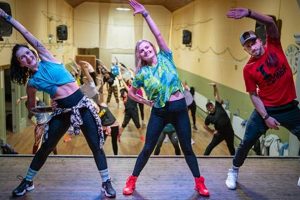
It is a fitness program that combines Latin and international music with dance moves. The routines incorporate interval training, alternating between fast and slow rhythms, and resistance training. This approach aims to improve cardiovascular fitness, muscular endurance, and overall coordination.
The program offers several potential advantages, including enhanced calorie expenditure, stress reduction through enjoyable physical activity, and improved mood due to the release of endorphins. Originating in the late 1990s, it has gained global popularity as a fun and effective way to exercise, attracting participants of diverse ages and fitness levels.
The following sections will delve into the specific elements of the program, including its various styles, the typical class structure, and the qualifications of instructors. Additionally, considerations regarding potential modifications for different fitness levels and any associated risks will be addressed.
Guidance for Participating in This Fitness Program
To maximize the benefits and minimize the risks associated with participation, several guidelines should be observed. These recommendations address preparation, execution, and post-exercise recovery.
Tip 1: Hydrate Adequately: Prior to, during, and following participation, maintain sufficient fluid intake. Dehydration can impair performance and increase the risk of muscle cramping.
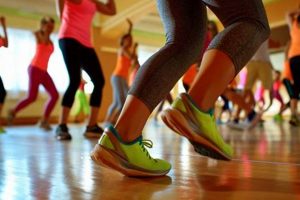
Tip 2: Wear Appropriate Attire: Opt for breathable, moisture-wicking clothing that allows for a full range of motion. Supportive athletic shoes are crucial for foot and ankle stability.
Tip 3: Arrive Early for Familiarization: New participants should arrive early to familiarize themselves with the studio layout, instructor, and planned choreography. This allows for any necessary modifications to be discussed privately.
Tip 4: Monitor Intensity: The intensity should be appropriate for individual fitness levels. If feeling dizzy, lightheaded, or experiencing chest pain, immediately cease participation and inform the instructor.
Tip 5: Listen to the Instructor: Adhere to the instructor’s guidance regarding proper form and technique. Incorrect execution can increase the risk of injury.
Tip 6: Modify Movements as Needed: Participants should feel comfortable modifying movements to accommodate individual limitations. Lower-impact options are often available and should be utilized when necessary.
Tip 7: Cool Down and Stretch: Following the session, engage in a proper cool-down and stretching routine. This aids in muscle recovery and reduces the risk of post-exercise soreness.
By adhering to these recommendations, participants can enhance their experience and minimize potential adverse effects. Prioritizing safety and individual limitations will contribute to a more sustainable and enjoyable fitness journey.
The subsequent sections will explore the long-term benefits and potential advancements of this fitness approach.
1. Latin-inspired Dance

Latin-inspired dance forms the core of the fitness program, dictating its characteristic movements, rhythms, and overall aesthetic. Understanding its influence is essential for comprehending the essence of this fitness regimen.
- Core Choreography
The choreography draws heavily on various Latin dance styles, including salsa, merengue, cumbia, and reggaeton. These styles provide a foundation for the routines, influencing step patterns, arm movements, and overall body coordination. This results in movements that are not only physically engaging but also culturally resonant.
- Rhythmic Foundation
The music employed utilizes characteristic Latin rhythms and instrumentation. These rhythms provide the tempo and syncopation that drive the movements. The distinct sounds and beats found in these musical genres contribute significantly to the workout’s overall energy and motivation.
- Expressive Movement
Latin dance emphasizes expressive movement and body isolations. This involves the ability to move individual body parts independently, such as the hips, shoulders, and torso. This element enhances coordination, flexibility, and overall body awareness.
- Cultural Context
The incorporation of Latin dance introduces a cultural dimension. It exposes participants to different musical and dance traditions, fostering a sense of global awareness and appreciation. The cultural connection adds depth and meaning to the physical activity.
The integration of Latin-inspired dance into this fitness program transforms it from a mere workout into a dynamic and culturally rich experience. It leverages the intrinsic energy and expressiveness of these dance forms to promote both physical fitness and cultural appreciation. The blending of these components makes the fitness program unique and appealing to a broad audience.
2. Interval Training Format

The integration of an interval training format into this fitness program significantly contributes to its overall effectiveness and appeal. This format strategically alternates between periods of high-intensity activity and periods of lower-intensity recovery or rest. Its implementation impacts multiple facets of the workout experience and results.
- Alternating Intensity Levels
The routines are structured to incorporate high-energy dance sequences followed by less demanding segments. This fluctuation challenges the cardiovascular system, leading to improved aerobic capacity and increased calorie expenditure. For example, a high-paced salsa routine might be followed by a cumbia segment with slower, more controlled movements. This approach helps participants sustain a longer workout duration while maximizing physiological benefits.
- Enhanced Calorie Burn
Interval training is known to promote a higher calorie burn compared to steady-state exercise. The bursts of intense activity elevate the heart rate and metabolic rate, resulting in a greater overall energy expenditure. This can be particularly beneficial for individuals seeking weight management or improved body composition. Furthermore, the “afterburn effect,” or excess post-exercise oxygen consumption (EPOC), can further contribute to calorie expenditure even after the workout has concluded.
- Improved Cardiovascular Fitness
The alternating periods of high and low intensity stimulate the cardiovascular system to adapt and become more efficient. This leads to improved heart health, reduced blood pressure, and enhanced overall fitness. Regular participation in this interval-based exercise program can lead to measurable improvements in VO2 max, a key indicator of cardiovascular fitness.
- Reduced Risk of Overtraining
The recovery periods incorporated within the interval training format allow for brief periods of rest, helping to prevent overexertion and reduce the risk of injury. This contrasts with continuous, high-intensity workouts that may be more likely to lead to fatigue and potential strain. By incorporating these recovery phases, the interval training structure promotes sustainability and adherence to the program.
In essence, the interval training format is an integral component. Its strategic manipulation of intensity levels optimizes cardiovascular benefits, calorie expenditure, and overall fitness outcomes. The design fosters a more sustainable and effective exercise experience.
3. Cardiovascular Improvement Focus

The fitness program inherently emphasizes cardiovascular enhancement, establishing it as a primary objective and a significant factor in its overall effectiveness. This focus stems from the nature of the movements, the structure of the routines, and the physiological demands placed on participants.
- Elevated Heart Rate
The continuous rhythmic movements, combined with the varying intensity levels, consistently elevate the heart rate into a target zone that promotes cardiovascular conditioning. This sustained elevation strengthens the heart muscle, improves blood circulation, and increases oxygen delivery to the tissues. Regular participation can lead to a lower resting heart rate and an improved ability to recover after exertion.
- Increased Aerobic Capacity
The workout format incorporates aerobic exercises, which challenge the body’s ability to utilize oxygen efficiently. Over time, this leads to increased aerobic capacity, allowing individuals to perform physical activities for longer durations without fatigue. For instance, participants may find that they can sustain higher energy levels throughout the class and in other daily activities.
- Improved Blood Vessel Function
The increase in blood flow during the workout stimulates the dilation of blood vessels, improving their elasticity and reducing the risk of arterial stiffness. This can contribute to lower blood pressure and a reduced risk of cardiovascular disease. Furthermore, regular participation has been shown to positively impact cholesterol levels, further promoting cardiovascular health.
- Enhanced Respiratory Efficiency
The increased demand for oxygen during the routines strengthens the respiratory muscles and improves lung capacity. This leads to enhanced respiratory efficiency, making it easier to breathe and perform physical activities. Participants may notice that they are less likely to become short of breath during exercise and other strenuous activities.
The emphasis on cardiovascular improvement positions the described fitness program as a valuable tool for promoting overall health and well-being. Its capacity to elevate heart rate, increase aerobic capacity, improve blood vessel function, and enhance respiratory efficiency makes it a viable option for individuals seeking to improve their cardiovascular fitness. This combination of factors provides a comprehensive approach to promoting heart health.
4. Group Fitness Environment
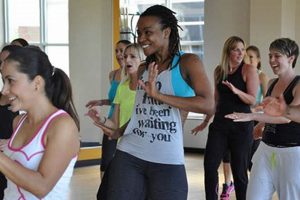
The group fitness environment is an integral component of the fitness program’s framework, significantly shaping the participant experience and influencing adherence. The structured social setting provides both intrinsic and extrinsic motivation, fostering a sense of community and shared accomplishment. The dynamics inherent in a group class can affect participant behavior and outcomes in several demonstrable ways.
One crucial element is the presence of social support. Participants often find encouragement and motivation through interactions with other individuals sharing similar fitness goals. This shared experience mitigates feelings of isolation and fosters a sense of accountability, increasing the likelihood of continued participation. For example, individuals may be more likely to attend classes regularly if they have established friendships or connections within the group. Furthermore, the competitive aspect, while often subtle, can push participants to exert more effort and achieve higher levels of intensity than they might independently. The energy generated within the class, driven by music and collective movement, creates a stimulating environment that enhances the overall workout experience.
However, challenges exist within the group context. Individuals may experience anxiety or intimidation if they perceive themselves as less skilled or fit than other participants. Instructors play a critical role in mitigating these concerns by creating an inclusive and supportive atmosphere. Modifications to exercises and encouragement for all levels of fitness are essential for ensuring that the environment remains welcoming and non-judgmental. Understanding and addressing these potential barriers is crucial for maximizing the positive impact of the group dynamic and promoting widespread engagement. The group fitness environment offers a compelling social and motivational framework that significantly enhances the overall experience, provided that potential challenges are carefully addressed.
5. Variety of rhythms
The integration of diverse rhythms is fundamental to the structure and appeal of this particular fitness class. This variety serves as a primary driver of engagement, contributing directly to adherence and overall participant satisfaction. Without the incorporation of multiple musical styles and tempos, the program risks becoming monotonous, potentially diminishing its effectiveness as a sustained fitness regimen.
The practical manifestation of this rhythmic diversity is evident in the typical class structure. One session might incorporate the fast-paced energy of salsa, transitioning to the slower, more controlled movements of cumbia, before building to the high-intensity beats of reggaeton. The purpose of this constant shift is twofold: It prevents physical fatigue by alternating muscle groups engaged, and it maintains mental stimulation by consistently introducing new and interesting auditory cues. This constant change in pace allows for a fuller workout experience.
Understanding the role of rhythmic variety is essential for instructors and participants alike. Instructors can leverage this knowledge to curate playlists that maximize engagement and cater to diverse preferences within a group. Participants can benefit from appreciating the intentionality behind the music selection, understanding that it is not merely background noise but a key element designed to enhance their workout. The strategic use of diverse rhythms is, therefore, an essential feature, not merely a stylistic choice.
Frequently Asked Questions About This Fitness Program
The following questions address common inquiries regarding this fitness program, providing concise and informative responses.
Question 1: Is prior dance experience required to participate effectively in this type of program?
No. The routines are designed to be easily followed, and instructors typically offer modifications for varying fitness and coordination levels. The focus is on movement and calorie expenditure, not technical dance proficiency.
Question 2: What specific types of clothing and footwear are most suitable for this activity?
Comfortable, breathable athletic clothing is recommended. Supportive athletic shoes designed for lateral movement are crucial to prevent injuries, particularly to the ankles and knees.
Question 3: Are there any specific medical conditions that would preclude participation?
Individuals with pre-existing cardiovascular conditions, joint problems, or other medical concerns should consult with a healthcare professional before beginning any new exercise program, including this one.
Question 4: How many calories can be realistically expected to be burned during a typical session?
Calorie expenditure varies depending on individual factors such as weight, metabolism, and intensity level. However, a typical 60-minute session can burn between 300 and 600 calories.
Question 5: What are the typical qualifications and certifications held by instructors?
Instructors are generally required to hold a specific instructor certification, which includes training in choreography, safety, and basic fitness principles. Additional certifications in group fitness or related disciplines may also be beneficial.
Question 6: How frequently should one participate to achieve noticeable fitness improvements?
Participating two to three times per week is generally sufficient to experience measurable improvements in cardiovascular fitness, muscle endurance, and overall well-being. Consistency is key to achieving sustainable results.
These FAQs offer a foundation for understanding key aspects of this exercise program. Further research and consultation with qualified professionals may provide more tailored guidance.
The next section will explore the potential long-term effects and evolutionary trends within this fitness domain.
Conclusion
This article provided a comprehensive overview of what constitutes the fitness program. The exploration encompassed its defining components, including Latin-inspired dance, interval training, a focus on cardiovascular improvement, the benefits of a group setting, and rhythmic variety. Each element contributes uniquely to the overall experience and potential benefits.
Ultimately, the efficacy of this program, as with any fitness regimen, depends on individual engagement and consistency. The information presented herein serves as a foundational understanding. Continued exploration and personalized guidance from qualified professionals are encouraged for those considering participation. The future of the program hinges on its ability to adapt, innovate, and maintain relevance in an evolving fitness landscape.