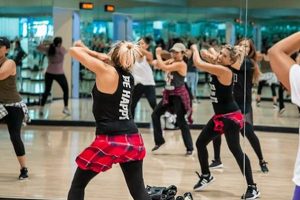
A Zumba master class is an extended, special Zumba fitness event, typically lasting longer than a standard class. It is often led by a highly experienced or celebrity Zumba instructor and features a high-energy environment with advanced choreography. For instance, a regular Zumba session might last an hour, whereas a special event of this nature can extend to two or three hours.
Such events offer several benefits. They provide an immersive experience, allowing participants to deepen their engagement with the Zumba program. They serve as opportunities to learn new moves, improve technique, and experience the energy of a larger group setting. Furthermore, these classes can be considered milestones in a participant’s Zumba journey, representing a chance to challenge personal fitness levels and connect with other enthusiasts. Its origins are rooted in the growth and popularity of the Zumba fitness program worldwide.
Subsequent sections will delve into the characteristics of these events, including their format, typical cost, and what participants can expect to gain from attending. The following will also explore tips for preparing for and maximizing the experience, along with information on how to find these events.
Tips for Attending a Zumba Master Class
Maximizing the benefits derived from a Zumba master class requires preparation and a strategic approach. The following tips offer guidance for attendees seeking an optimal experience.
Tip 1: Prioritize Hydration. Consistent hydration is crucial during extended physical activity. Consume ample water in the days leading up to the class, and bring a water bottle for use during the session. Dehydration can significantly impact performance and overall well-being.
Tip 2: Dress Appropriately. Choose comfortable, breathable clothing that allows for a full range of motion. Avoid restrictive garments. Appropriate footwear, such as supportive athletic shoes with good traction, is equally important to prevent injury.
Tip 3: Fuel Effectively. Consume a balanced meal 2-3 hours before the class, focusing on carbohydrates for energy and protein for muscle support. Avoid heavy, greasy foods that may cause discomfort during the session.
Tip 4: Arrive Early. Arriving ahead of schedule allows for securing a favorable spot in the room, completing any necessary registration procedures, and engaging in a brief warm-up to prepare the body for the intensity of the class.
Tip 5: Pace Carefully. A Zumba master class is a marathon, not a sprint. Listen to the body and adjust intensity as needed. Do not hesitate to take breaks or modify movements to avoid overexertion and potential injury.
Tip 6: Learn Basic Steps. Familiarity with fundamental Zumba steps enhances enjoyment and facilitates quicker adaptation to the more complex choreography often presented in these events. Prior experience with regular Zumba classes is beneficial.
Tip 7: Engage Actively. Active engagement with the instructor and fellow participants fosters a positive and motivating environment. Participate fully, embrace the music, and enjoy the experience.
Following these recommendations will contribute to a more rewarding and effective experience. The combination of thoughtful preparation and active participation can amplify the positive impact of attending this type of special Zumba session.
The subsequent sections will explore finding and choosing the appropriate class. Furthermore, it details what to consider regarding class cost.
1. Extended Class Duration

Extended class duration is a primary characteristic defining a Zumba master class, fundamentally differentiating it from standard Zumba sessions. Whereas a typical class may span 60 minutes, a special event of this nature routinely extends to 90 minutes or even two hours. This extended timeframe allows for a more comprehensive workout, facilitating a deeper immersion into the choreography and musicality of the Zumba program. The increased physical exertion necessitates enhanced cardiovascular endurance and muscular stamina from participants.
The consequence of this increased time commitment is multifaceted. Participants can expect a greater caloric expenditure, contributing to improved weight management and overall fitness. The longer duration also permits the instructor to introduce more complex routines and variations, challenging participants both physically and mentally. The expanded timeframe supports stronger community building as participants have greater opportunities to interact and share their experiences, creating a stronger sense of camaraderie. For example, a charitable Zumba master class event may leverage the extended time to include interactive segments or additional activities beyond the standard dance fitness format.
The recognition of the importance of duration is critical in understanding these events. A successful experience hinges on preparedness, with participants adequately hydrating and fueling their bodies beforehand. Ignoring the demands of extended duration can lead to fatigue, injury, or diminished enjoyment. Therefore, understanding the significance of extended duration is essential for those seeking to participate fully and safely in a Zumba master class environment.
2. Advanced Choreography

Advanced choreography constitutes a defining element that distinguishes a Zumba master class from regular Zumba classes. The increased complexity and sophistication of the dance routines present a greater physical and cognitive challenge to participants, demanding a higher level of skill and coordination.
- Increased Complexity of Steps
The choreography incorporates more intricate step patterns, faster transitions, and a wider range of dance styles compared to standard Zumba classes. This may involve incorporating elements from various Latin dances with more technical footwork or introducing entirely new dance genres. For example, a routine might seamlessly blend salsa, merengue, and samba steps with complex arm movements, requiring participants to quickly adapt and coordinate multiple body parts simultaneously. Success in executing these complex steps contributes to enhanced motor skills and cognitive function.
- Faster Pace and Intensity
Advanced routines are typically executed at a faster tempo, demanding greater cardiovascular fitness and muscular endurance. The accelerated pace requires participants to maintain high energy levels throughout the extended duration of the special event. This intensification is designed to elevate the heart rate and maximize caloric expenditure. The demands on the cardiovascular system are heightened, and the physical endurance is tested, offering tangible improvements to the attendee’s overall fitness levels.
- Incorporation of Layered Movements
The choreography frequently features layered movements, where different body parts perform distinct actions simultaneously. This added layer of complexity necessitates heightened coordination and body awareness. An example of this layering might involve complex footwork combined with specific arm movements and head isolations. Effectively executing these layered movements provides a richer, more engaging fitness experience, while simultaneously enhancing kinesthetic awareness and coordination.
- Emphasis on Performance Quality
While standard Zumba classes emphasize fun and participation, these events often place a greater emphasis on the quality of performance. Participants are encouraged to not only execute the steps accurately but also to embody the spirit and energy of the dance. This might involve focusing on posture, rhythm, and emotional expression. This elevation of the quality of performance offers a more artistically fulfilling experience, connecting to the dance aspects inherent to Zumba.
The incorporation of advanced choreography within a Zumba master class serves to amplify the physical and mental benefits of the Zumba program. It provides a stimulating environment for experienced participants to challenge themselves and deepen their engagement with the dance fitness program. This increased level of difficulty further enhances physical conditioning, cognitive skills, and overall sense of accomplishment.
3. Experienced Instructor

The presence of an experienced instructor is a critical determinant of the quality and impact of a Zumba master class. An instructor’s level of expertise directly influences participant safety, engagement, and the overall effectiveness of the fitness experience. The relationship between an experienced instructor and a Zumba master class is not merely correlational but causative: the instructor’s proficiency directly impacts the participant’s experience. The expertise allows for dynamic class adjustments to accommodate varied skill levels. For instance, an instructor with years of experience can anticipate potential challenges in the choreography and offer modifications or alternative movements to prevent injury. The guidance also extends to personalized feedback, correcting form and technique to maximize the workouts benefits, exemplified in a scenario where the teacher ensures that each attendee properly activates their core muscles.
The benefits extend beyond immediate safety and form correction. An accomplished instructor is more adept at creating a positive and motivating environment, essential for maintaining participant engagement throughout the extended duration of the class. The ability to connect with a diverse audience, adapting communication styles and motivational cues, further enhances the overall experience. An experienced instructor is also more likely to possess in-depth knowledge of Zumba’s core principles, including the cultural origins of the music and dance styles, contributing to a richer and more authentic experience. Such historical and cultural context can deepen the participants appreciation for the program. An example is where the teacher educates class attendees on the cultural significance of the salsa and its origins, enhancing overall enjoyment.
In summary, the role of an experienced instructor in a Zumba master class cannot be overstated. The proficiency of the instructor shapes participant experience through adjustments, instructions, creating a positive mood, and enhancing program knowledge. The selection of a qualified instructor is paramount for a successful and beneficial Zumba master class experience. The instructor’s skill is not just a supplementary aspect; it is foundational to the efficacy and enjoyment of the event.
4. Elevated Energy Levels

Elevated energy levels are an intrinsic component of a Zumba master class, distinguishing it from standard Zumba classes and other forms of fitness activities. This heightened energy environment contributes significantly to participant motivation, performance, and overall enjoyment. It is a result of the synergistic interplay of factors inherent to the master class format.
- Dynamic Music Selection
The music used in a master class is strategically curated to generate an atmosphere of excitement and motivation. The selection typically features high-tempo Latin rhythms, international beats, and popular remixes designed to stimulate movement and elevate mood. Volume levels are often increased to enhance the immersive experience. For example, a DJ may be incorporated into the event to provide live mixes and transitions, further amplifying the auditory stimulation. The result is a heightened sensory experience that promotes increased physical activity and reduces perceived exertion.
- Group Dynamics and Collective Enthusiasm
Master classes typically involve a larger number of participants than regular Zumba sessions. This creates a sense of collective energy and shared enthusiasm. Participants are motivated by the presence of others, resulting in a heightened level of exertion. The communal atmosphere fosters a sense of camaraderie and friendly competition, further enhancing individual effort. Visual cues, such as synchronized movements and shared expressions of joy, contribute to the overall positive and energetic environment. This dynamic reinforces individual commitment and encourages participants to push beyond their perceived limitations.
- Instructor’s Motivational Techniques
Experienced instructors employ various motivational techniques to maintain high energy levels throughout the duration of the class. These techniques may include verbal encouragement, non-verbal cues, such as animated facial expressions and dynamic body language, and personalized interactions with participants. Instructors are adept at reading the energy of the room and adjusting their approach accordingly. For example, an instructor may increase the intensity of their vocal cues during a particularly challenging segment to provide added encouragement. This strategic application of motivational techniques is essential for sustaining high energy levels and ensuring participant engagement.
- Visual Stimuli and Enhanced Production Values
Master classes often incorporate visual stimuli to enhance the overall energy and excitement. This may include elements such as stage lighting, video projections, and special effects. The strategic use of these visual elements can create a more immersive and engaging experience, further amplifying the energy of the event. Costumes and themed events also contribute to the visual spectacle, fostering a sense of celebration and heightened enthusiasm. The integration of these production values aims to stimulate participants’ senses and create a memorable and energizing experience.
The confluence of dynamic music, group dynamics, motivational instruction, and visual stimuli creates an atmosphere of elevated energy, which is a hallmark of the Zumba master class. This heightened energy environment enhances the fitness experience, promoting increased physical activity, improved mood, and a greater sense of accomplishment. This synergistic effect contributes significantly to the program’s appeal and its effectiveness as a fitness modality.
5. Community Engagement
Community engagement constitutes a significant dimension within a Zumba master class, enhancing the overall experience beyond the purely physical fitness aspects. The collective participation and interaction fostered by these events contribute to a sense of belonging and shared purpose, fundamentally shaping the social environment.
- Shared Fitness Goals
Participants in a Zumba master class often share similar objectives related to health, fitness, or enjoyment of dance. This commonality creates a foundation for mutual support and encouragement. For instance, individuals may motivate each other during challenging routines, fostering a sense of collective achievement. The pursuit of these shared goals strengthens the bonds between participants, transforming the class into a supportive community centered on wellness. A study group aiming for a better result.
- Social Interaction and Networking
These events provide opportunities for social interaction and networking among individuals who may not otherwise cross paths. Participants can connect before, during, or after the class, sharing experiences, tips, and encouragement. This social interaction extends beyond the physical boundaries of the event, with participants forming lasting friendships and support networks. For example, individuals might create online groups to share workout schedules, recipes, and motivational content, fostering a continuous sense of community.
- Collaborative Learning and Skill Development
Zumba master classes often involve collaborative learning, where participants learn from each other’s experiences and skills. More experienced participants may assist newcomers with technique or provide encouragement during challenging routines. This collaborative environment fosters a sense of shared responsibility and promotes skill development for all participants. An experienced attendee is offering aid to another. This creates the sense of common knowledge within the masterclass.
- Event-Driven Social Cohesion
The master class, as a unique, time-defined event, fosters social cohesion. Individuals come together for a common purpose, sharing an experience distinct from their daily routines. The shared challenge and the accomplishment of completing the class contribute to a sense of collective pride and unity. Attendees are more likely to have shared experience after participating.
Community engagement is integral to the unique nature. It transcends the individual workout, fostering a sense of belonging and shared purpose among participants. This social element significantly enhances the benefits, contributing to a more enriching and sustainable fitness experience.
Frequently Asked Questions About Zumba Master Classes
The following section addresses common inquiries and misconceptions regarding Zumba master classes, providing clear and concise information to enhance understanding of these specialized events.
Question 1: What defines the core distinction between a regular Zumba class and a master class?
The fundamental difference lies in the duration, intensity, and expertise involved. Master classes typically extend beyond the length of a standard class, incorporate advanced choreography, and are often led by highly experienced instructors.
Question 2: What level of Zumba experience is recommended before attending a master class?
While not strictly required, prior experience with regular Zumba classes is highly recommended. Familiarity with basic Zumba steps and rhythms will facilitate a more successful and enjoyable experience.
Question 3: What are the typical costs associated with attending such events?
The cost varies depending on factors such as the instructor’s reputation, location, and event duration. Master classes generally command a higher fee than standard classes due to the enhanced experience they offer.
Question 4: Are Zumba master classes suitable for individuals with physical limitations or injuries?
Individuals with physical limitations or injuries should consult with a healthcare professional before participating. Modifying movements as needed is crucial, and it is imperative to listen to the body and avoid overexertion.
Question 5: How does one locate upcoming Zumba master classes in a specific geographic area?
Potential participants can explore community fitness centers, dance studios, and online resources dedicated to Zumba. Local instructors may also provide information regarding upcoming events.
Question 6: What specific preparations are advisable before attending a Zumba master class?
Proper hydration, appropriate attire, and a balanced meal consumed several hours before the class are essential. Arriving early allows for securing a favorable spot and engaging in a warm-up.
In summary, these specialized events provide an intensified Zumba experience but demand appropriate preparation and a realistic assessment of one’s fitness level. Adherence to these guidelines enhances safety and maximizes the potential benefits.
The subsequent section will provide a conclusive overview of the value proposition of these type of Zumba events.
what is a zumba master class
The preceding analysis has elucidated the core characteristics defining the Zumba master class, underscoring its differentiation from standard Zumba sessions. Key attributes include extended duration, advanced choreography, instruction by experienced professionals, elevated energy levels, and community engagement. Each element contributes to an intensified and specialized fitness experience.
A prospective participant’s informed understanding of these components is critical. Attending this type of special Zumba session represents a commitment to a heightened level of physical exertion and skill development. Successful engagement hinges upon adequate preparation, a realistic self-assessment of fitness capabilities, and an awareness of the social dynamics inherent in the group setting. When approached with diligence and forethought, a special Zumba session can provide significant benefits, contributing to enhanced fitness, skill acquisition, and social connectivity within the broader Zumba community.