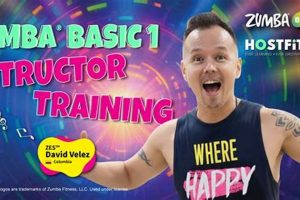
The path to leading Zumba classes involves specific training and licensing. Individuals must complete a Zumba Basic 1 instructor training course, which provides the fundamental steps and rhythms of the Zumba program. Certification demonstrates a minimum level of competence in delivering a safe and effective fitness experience.
Acquiring the qualifications to teach Zumba offers the potential for a flexible and rewarding career. Certified instructors contribute to community health and wellness by providing engaging fitness opportunities. The global popularity of Zumba provides a wide audience and potential for instructors to build a dedicated following.
Following successful completion of the basic training, aspiring instructors may consider continuing education to expand their knowledge and skills. Factors such as maintaining a current license, securing insurance, and marketing oneself effectively play a crucial role in establishing a successful Zumba teaching career. These elements build upon the foundational training to cultivate a professional and sustainable practice.
Essential Guidance for Aspiring Zumba Instructors
The following points highlight key considerations for individuals pursuing a career in Zumba instruction. Careful attention to these details can improve an instructor’s effectiveness and professional standing.
Tip 1: Master the Fundamentals: Prioritize a thorough understanding of the core Zumba rhythms and steps taught in the Basic 1 training. This foundation will enable the delivery of clear and effective instruction.
Tip 2: Maintain Current Certification: Ensure that the Zumba instructor license remains active by completing required continuing education credits. This demonstrates a commitment to professional development and adherence to standards.
Tip 3: Secure Adequate Insurance: Obtain liability insurance to protect against potential injuries or incidents during class sessions. This is a crucial aspect of professional responsibility.
Tip 4: Cultivate Strong Communication Skills: Develop clear and concise verbal and non-verbal communication techniques. Effective communication enhances the participant experience and promotes understanding.
Tip 5: Build a Diverse Music Library: Expand the repertoire beyond standard Zumba music to include a variety of genres and rhythms. This keeps classes fresh and engaging for participants.
Tip 6: Prioritize Class Planning: Prepare structured and well-paced class plans that incorporate warm-up, cardio, and cool-down segments. Proper planning ensures a safe and effective workout.
Tip 7: Seek Constructive Feedback: Regularly solicit feedback from class participants and experienced instructors. This allows for continuous improvement and refinement of teaching techniques.
Consistent application of these guidelines contributes to the development of a skilled and reputable Zumba instructor. By emphasizing core competencies and ongoing professional growth, individuals can enhance their career prospects and provide high-quality fitness experiences.
The subsequent sections will explore further aspects of establishing a successful Zumba instruction practice.
1. Certification

Certification serves as a fundamental prerequisite for Zumba instruction. Completion of a recognized Zumba Basic 1 training course is essential for demonstrating competency in the program’s core elements. This certification not only validates an individual’s proficiency in Zumba techniques but also grants the license necessary to legally conduct Zumba classes. Without official certification, an individual lacks the recognized credentials and permissions required to present themselves as a qualified Zumba instructor. This initial step is a direct result of undertaking what it takes to become a Zumba instructor.
The benefits of certification extend beyond mere legal compliance. Certified instructors gain access to a network of resources, including marketing materials, continuing education opportunities, and a supportive community of fellow instructors. This network provides ongoing professional development and opportunities to enhance teaching skills. For example, a certified instructor can attend advanced Zumba training workshops to learn new routines and techniques, increasing the variety and appeal of their classes. In contrast, an uncertified individual is excluded from these valuable resources, potentially hindering their ability to maintain a competitive edge in the fitness industry.
Securing certification is therefore integral to what it takes to become a Zumba instructor. It provides the necessary foundational knowledge, legal authorization, and access to ongoing professional development opportunities. While possessing a passion for dance and fitness is valuable, these qualities alone are insufficient to meet the established requirements for Zumba instruction. Certification remains the primary validation of competence and a key determinant of success in this field.
2. Licensing

Licensing constitutes a crucial aspect of what does it take to become a Zumba instructor. The Zumba Instructor Network (ZIN) membership, which provides the license, is not automatically conferred upon completion of the Basic 1 training. Instead, maintaining an active ZIN membership necessitates the payment of recurring fees. This ongoing requirement ensures that instructors have permission to utilize the Zumba brand and intellectual property, including music and choreography.
Failure to maintain an active ZIN membership directly impacts an instructor’s ability to legally teach Zumba classes. Without a current license, instructors are in violation of Zumba’s intellectual property rights and could face legal repercussions. For example, an instructor who neglects to renew their ZIN membership and continues to advertise and teach Zumba classes risks receiving a cease and desist letter from Zumba Fitness, LLC, potentially leading to further legal action. The licensing fee also grants instructors access to updated choreography, marketing materials, and a platform for connecting with other ZIN members, resources that contribute to professional development and class promotion.
Therefore, licensing serves as an ongoing financial and professional commitment that underscores what does it take to become a Zumba instructor. It is not merely a one-time achievement but a continuous process of maintaining good standing with the Zumba organization. Licensing ensures adherence to standards, protects the Zumba brand, and provides instructors with resources essential for their professional success. Instructors must understand and plan for these recurrent costs to sustain their Zumba teaching practice lawfully and effectively.
3. Insurance

Acquiring adequate liability insurance is a non-negotiable component of what does it take to become a Zumba instructor. This measure protects both the instructor and the participants in the event of unforeseen circumstances arising during class sessions.
- Liability Coverage
Liability insurance protects instructors from financial losses resulting from injuries sustained by participants during a Zumba class. For example, if a participant slips and falls, incurring medical expenses, the instructor’s insurance policy can cover these costs, up to the policy limit. Without insurance, the instructor could be personally liable for these expenses, potentially facing significant financial hardship.
- Professional Indemnity
This type of insurance safeguards instructors against claims of negligence or professional misconduct. If a participant alleges that an instructor provided incorrect guidance leading to an injury, professional indemnity insurance can cover legal fees and any resulting settlements. This protection is crucial, as instructors may inadvertently provide advice that could be misinterpreted or lead to unintended consequences.
- Venue Requirements
Many venues, such as gyms and community centers, require instructors to provide proof of liability insurance before they are permitted to teach classes on their premises. This requirement is in place to protect the venue from potential lawsuits arising from incidents during Zumba sessions. Failure to provide proof of insurance can prevent an instructor from securing teaching opportunities at desired locations.
- Risk Mitigation
Insurance acts as a risk mitigation tool, providing instructors with peace of mind and allowing them to focus on delivering high-quality Zumba classes without the constant worry of potential financial repercussions from accidents or injuries. Knowing that they are protected by insurance can empower instructors to teach with greater confidence and enthusiasm, ultimately benefiting both themselves and their participants.
The interplay between adequate insurance coverage and the career path emphasizes the importance of a proactive and responsible approach. It underscores the commitment required from those seeking to lead Zumba sessions, ensuring that instructors are not only skilled in dance and fitness but also prepared to manage potential risks and liabilities. This holistic understanding of what it means to be a Zumba instructor reinforces the value of professional preparedness in the fitness industry.
4. Skills

Proficiency in a diverse skill set is paramount in the comprehensive endeavor of becoming a Zumba instructor. The Basic 1 training provides a foundation, but the development and refinement of various skills directly impact an instructor’s ability to effectively engage participants, deliver safe and effective classes, and establish a successful practice. These skills encompass not only dance and fitness expertise, but also communication, leadership, and adaptability. For example, an instructor with strong communication skills can clearly articulate instructions and provide constructive feedback, enhancing participants’ understanding and performance. Similarly, effective leadership skills enable instructors to motivate and inspire participants, fostering a positive and inclusive class environment. These qualities distinguish a competent instructor from an exceptional one.
The absence of crucial skills can directly impede an instructor’s success. For instance, an instructor lacking strong rhythm and coordination may struggle to demonstrate Zumba steps accurately, leading to confusion and frustration among participants. Furthermore, an inability to adapt to diverse fitness levels and learning styles can result in an exclusionary environment, discouraging participation and hindering the instructor’s ability to attract and retain students. The practical application of these skills is evident in the ability to choreograph engaging routines, modify exercises to accommodate varying abilities, and provide individualized attention to participants who require additional support. The ability to troubleshoot technical issues with sound equipment or effectively manage a class with a wide age range shows that instructors are being resourceful to meet the needs of the class.
In summary, the acquisition and continuous improvement of relevant skills form an indispensable element of what it takes to become a Zumba instructor. While certification and licensing provide a formal framework, the development of practical skills is essential for translating theoretical knowledge into tangible results. Challenges in skill development can be addressed through ongoing training, mentorship, and self-reflection. By acknowledging the importance of skills and investing in their continuous refinement, aspiring instructors can enhance their professional prospects and contribute to the well-being of their participants.
5. Marketing

Effective marketing is inextricably linked to what does it take to become a Zumba instructor. Certification and training provide the necessary skills, but without a strategic approach to marketing, attracting and retaining students becomes significantly more challenging. Marketing encompasses a range of activities designed to promote services and connect with potential clients. The absence of a marketing strategy can lead to low class attendance, diminished revenue, and ultimately, unsustainable career prospects. For example, an instructor might possess exceptional teaching skills but fail to effectively communicate class schedules, pricing, or unique selling points to a target audience, resulting in under-enrolled sessions.
Practical marketing strategies for Zumba instructors involve a multi-faceted approach. Leveraging social media platforms, such as Facebook and Instagram, to showcase class highlights and testimonials can generate interest. Creating a professional website with online booking capabilities enhances accessibility. Networking with local gyms, community centers, and businesses allows for collaborative promotional efforts. Offering introductory discounts or free trial classes can incentivize potential participants to experience a Zumba session firsthand. Furthermore, actively soliciting and displaying positive reviews and ratings builds credibility and reinforces trust among prospective clients. An instructor could utilize targeted Facebook advertising campaigns to reach specific demographics within a local community, such as individuals interested in fitness, dance, or weight loss, thereby increasing the likelihood of attracting relevant participants.
In summary, marketing is a crucial component of what does it take to become a Zumba instructor, transforming theoretical knowledge into practical success. It ensures that instructors can effectively communicate their value proposition, attract a consistent stream of students, and establish a financially viable practice. Instructors should prioritize the development of marketing skills and the implementation of effective promotional strategies as integral aspects of their professional development. Understanding and executing a sound marketing plan translates directly into career sustainability and growth within the competitive fitness landscape.
6. Music

The selection and utilization of music are integral elements of what does it take to become a Zumba instructor. Music forms the backbone of the Zumba experience, dictating the pace, energy, and overall atmosphere of the class. An instructor’s ability to curate a diverse and engaging playlist directly influences participant motivation and adherence. For example, an instructor employing predictable or repetitive music may witness a decline in class enthusiasm, while an instructor who introduces novel rhythms and global sounds is more likely to maintain participant interest and engagement. This is because a crucial part of the exercise and the success of the overall Zumba method has to do with the different variations of rhythm, genre and tempo.
The practical application of musical expertise extends beyond simply selecting appealing songs. Instructors must understand the structure of different musical genres and how to effectively blend them within a class setting. Knowledge of BPM (beats per minute) allows for the creation of routines that gradually increase and decrease in intensity, maximizing cardiovascular benefits. Furthermore, awareness of cultural sensitivities is essential in selecting music from diverse regions. An instructor incorporating Latin rhythms should demonstrate respect for the cultural origins of the music, avoiding any appropriation or misrepresentation. Effective instructors often invest time in researching new music and collaborating with other instructors to exchange playlist ideas. For example, many instructors who have achieved success will mix the more familiar Zumba song selections with up and coming songs and artists that may not be as well known for a more unique and exciting musical experience for participants.
Music, therefore, is not merely a supplementary element but a core component of what does it take to become a Zumba instructor. The selection and skillful integration of music directly impact participant engagement, class effectiveness, and the overall success of the instructor. Challenges in music selection can be mitigated through ongoing research, collaboration, and a commitment to cultural sensitivity. Recognizing and embracing the significance of music enables instructors to cultivate a vibrant and rewarding Zumba experience for themselves and their participants. By emphasizing the importance of the instructor and their ability to play a vital role in musical expression and passion, participants are able to see them as a leader and someone who is committed to the art form. Ultimately, this brings the community closer and makes for a better environment for exercising.
7. Commitment

Perseverance and dedication are fundamental to what does it take to become a Zumba instructor, impacting every aspect of a successful career. This commitment extends beyond initial certification and encompasses ongoing professional development, marketing efforts, and consistent delivery of high-quality classes.
- Continuing Education
Sustained engagement in Zumba education is essential. Remaining current with new choreography, music, and fitness trends requires ongoing investment in workshops, conferences, and online resources. An instructor who consistently updates skills and knowledge is better equipped to offer engaging classes and maintain a competitive edge. For example, participation in advanced training sessions allows an instructor to incorporate new techniques into their routines, attracting and retaining participants.
- Marketing Consistency
Effective marketing demands consistent effort and dedication. A one-time advertising campaign is unlikely to yield lasting results. Instructors must continuously promote their classes through social media, community events, and collaborations with local businesses. This requires ongoing creation of engaging content, active participation in online communities, and a proactive approach to networking. For instance, regularly posting workout videos, success stories, and class schedules on social media platforms can build brand awareness and attract new students.
- Class Preparation and Delivery
Providing exceptional classes requires thorough preparation and unwavering commitment to participant satisfaction. Instructors must dedicate time to crafting well-structured routines, selecting appropriate music, and tailoring exercises to accommodate varying fitness levels. Moreover, they must consistently deliver classes with enthusiasm and professionalism, fostering a supportive and motivating environment. An instructor who arrives early to set up the class, provides individualized attention to participants, and offers constructive feedback demonstrates commitment to creating a positive and effective experience.
- Financial Investment
Establishing and maintaining a Zumba instruction career involves ongoing financial commitments. Beyond initial certification fees, instructors must budget for licensing fees, insurance premiums, marketing expenses, and equipment costs. A long-term perspective and a willingness to invest in the business are essential for sustainability. For example, an instructor who saves a portion of their earnings to reinvest in professional development or upgrade sound equipment demonstrates a commitment to long-term success.
These facets of commitment are interconnected and mutually reinforcing. By consistently investing in education, marketing, class preparation, and financial stability, instructors can cultivate a thriving Zumba practice. This multifaceted dedication represents a key determinant of what does it take to become a Zumba instructor, separating successful professionals from those who struggle to sustain their careers.
Frequently Asked Questions
The following section addresses common inquiries regarding the requirements and considerations for pursuing a career as a Zumba instructor.
Question 1: Is prior dance experience a prerequisite for Zumba instructor training?
Prior dance experience is not a strict prerequisite; however, a foundational understanding of rhythm and movement can be advantageous. The Zumba Basic 1 training provides fundamental instruction on the steps and rhythms of Zumba, enabling individuals with varying levels of dance experience to participate.
Question 2: What specific certifications are required to teach Zumba classes legally?
Successful completion of the Zumba Basic 1 training and maintenance of an active Zumba Instructor Network (ZIN) membership are essential. The ZIN membership grants the license required to utilize the Zumba brand and teach Zumba classes legally.
Question 3: How often must the Zumba instructor license be renewed?
Zumba Instructor Network (ZIN) membership requires renewal on a monthly or annual basis, depending on the chosen membership plan. Continued membership and timely renewal ensures instructors maintain their license and access to resources.
Question 4: What types of insurance coverage are recommended for Zumba instructors?
General liability insurance is essential to protect against potential injuries or incidents during class sessions. Professional liability insurance can provide additional coverage against claims of negligence or professional misconduct.
Question 5: What are the essential skills that contribute to success as a Zumba instructor?
Effective communication skills, strong rhythmic abilities, choreography competence, leadership qualities, and adaptability to diverse fitness levels are key factors contributing to success.
Question 6: What marketing strategies are most effective for promoting Zumba classes?
Utilizing social media platforms, creating a professional website, networking with local businesses, offering introductory discounts, and soliciting positive reviews are effective marketing strategies.
These answers provide clarification on key aspects related to becoming a Zumba instructor. Understanding these requirements and considerations is crucial for individuals seeking to pursue a career in this field.
The succeeding section will delve into strategies for career advancement and continued professional growth in the Zumba instruction domain.
What Does It Take to Become a Zumba Instructor
The preceding exploration delineates the multiple facets of “what does it take to become a Zumba instructor.” The requirements extend beyond a mere passion for dance and fitness, encompassing formal certification, ongoing licensing, adequate insurance coverage, essential skills development, strategic marketing initiatives, appropriate musical integration, and unwavering commitment to professional growth. Success is contingent upon mastering the foundational techniques, adhering to legal obligations, mitigating potential risks, and continuously adapting to the evolving demands of the fitness industry.
The pursuit of a career as a Zumba instructor represents a significant undertaking that demands diligent preparation and sustained effort. While the path may present challenges, adherence to established standards and a dedication to excellence are instrumental in achieving professional fulfillment and contributing to the health and well-being of class participants. Aspiring instructors must prioritize comprehensive training and professional development to maximize their potential for success and sustainability within the competitive fitness landscape.