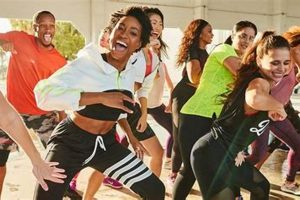
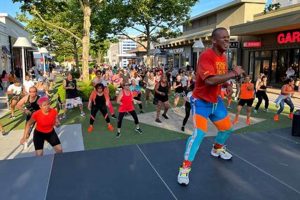
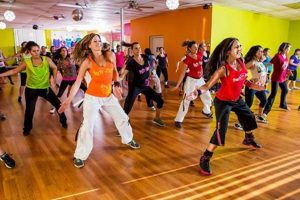
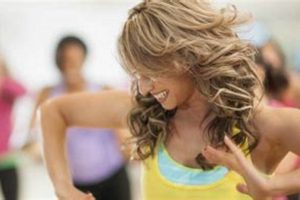
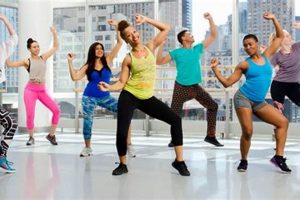
A typical Zumba session involves a group fitness class featuring dance and aerobic movements performed to energetic music. Instructors guide participants through a series of routines combining Latin rhythms, international beats, and simple choreography. The atmosphere is usually lively and engaging, encouraging participants to enjoy the exercise while burning calories.
The popularity of Zumba stems from its accessibility and fun factor. Individuals of varying fitness levels can participate, adapting movements to their own abilities. The class offers a full-body workout, improving cardiovascular health, coordination, and flexibility. Its roots can be traced back to the mid-1990s in Colombia, when fitness instructor Alberto “Beto” Perez improvised a class after forgetting his traditional aerobics music.
Subsequent sections will delve into specific aspects, such as the class structure, music selection, instructor role, attire suggestions, and potential variations offered within this globally recognized fitness format. The goal is to provide a complete understanding of the components that constitute this distinct form of exercise.
The following tips provide essential guidance for individuals participating in a Zumba session, aiming to optimize the experience and ensure safety.
Tip 1: Prioritize Comfortable Attire and Footwear: Clothing should allow for unrestricted movement and breathability. Supportive athletic shoes with good traction are crucial to prevent injury during dynamic dance steps.
Tip 2: Arrive Prepared and Hydrated: Bring a water bottle to maintain hydration throughout the class. Arriving a few minutes early allows time to familiarize oneself with the studio and instructor.
Tip 3: Adapt Movements to Individual Fitness Levels: Modifications are often demonstrated for varying abilities. Participants should listen to their bodies and adjust the intensity as needed. High-impact steps can be replaced with lower-impact alternatives.
Tip 4: Follow the Instructor’s Lead and Embrace the Music: The instructor provides guidance and cues for each routine. Engaging with the music enhances the enjoyment and effectiveness of the workout.
Tip 5: Maintain Proper Posture: Focus on core engagement and proper alignment to protect the back and joints. The instructor can provide specific guidance on maintaining correct form.
Tip 6: Be Mindful of Space and Surroundings: Maintain a safe distance from other participants to avoid collisions. Be aware of the studio layout and any potential hazards.
Tip 7: Don’t Hesitate to Ask Questions: If unsure about a particular move or have any concerns, seeking clarification from the instructor is encouraged.
Implementing these suggestions ensures a more comfortable, effective, and enjoyable Zumba experience. Paying attention to personal comfort, safety, and proper form maximizes the benefits of this fitness activity.
The concluding section will summarize the key components of a typical session and discuss further considerations for long-term participation.
1. Energetic Music

Energetic music is integral to the structure and execution of a Zumba class. It provides the rhythmic foundation upon which all movements are based, significantly influencing the overall atmosphere and participant engagement.
- Motivational Tempo and Rhythm
The music selection emphasizes upbeat tempos and infectious rhythms, primarily drawn from Latin American genres such as salsa, merengue, and reggaeton. This rhythmic structure dictates the pace of the class and motivates participants to maintain a consistent level of physical exertion. The energetic nature of the music encourages greater participation and effort.
- Cues for Movement Transitions
Skilled Zumba instructors utilize the inherent structure of musical pieces to signal transitions between different dance routines. Changes in tempo, instrumentation, or rhythmic patterns cue participants to anticipate upcoming variations in movement. This integration of music and movement allows for a seamless and fluid class experience.
- Cultural Immersion and Variety
The incorporation of diverse musical styles from various cultures, beyond solely Latin American genres, exposes participants to a broader range of rhythms and dance forms. This exposure adds variety to the workout and fosters a sense of cultural immersion, enriching the overall Zumba experience. Furthermore, it attracts a wider demographic with varying musical preferences.
- Impact on Perceived Exertion
The engaging nature of the music can effectively reduce the perceived level of exertion. Participants are often more focused on the rhythmic movements and the enjoyable atmosphere, diminishing their awareness of physical fatigue. This allows for a more sustained and effective workout. A well-curated playlist creates a synergistic relationship between physical activity and auditory stimulation, leading to greater adherence to the exercise program.
The selection and strategic use of energetic music are paramount to defining the character of a Zumba class. It directly impacts motivation, movement synchronization, cultural exposure, and the overall perceived experience, thereby contributing significantly to its widespread appeal and effectiveness as a group fitness activity.
2. Dance Choreography
Dance choreography forms a core component of what a Zumba class is. Its presence is not merely decorative; it is foundational to the structure, execution, and fitness benefits derived from the activity. Choreography provides a framework for movement, transforming disparate steps into a cohesive and structured workout. It dictates the sequence of exercises, ensuring a balanced engagement of different muscle groups and contributing to cardiovascular health.
The choreography typically involves a fusion of Latin American dance styles (such as salsa, merengue, cumbia, and reggaeton) with aerobic movements. However, the specific routines vary widely depending on the instructor’s style and the class’s objectives. For example, a “Zumba Toning” class will incorporate choreography designed to target specific muscle groups using light weights, while a “Zumba Gold” class, aimed at older adults, utilizes simpler steps and slower tempos. This variability allows for adaptation to different fitness levels and preferences, enhancing accessibility. The complexity of the choreography is deliberately manageable, allowing participants to follow along without extensive dance experience, fostering inclusivity and enjoyment.
Effective choreography in a Zumba class balances simplicity and challenge. Overly complex routines can be discouraging, while overly simplistic routines may fail to deliver sufficient fitness benefits. Skilled instructors will modify steps to accommodate participants with varying skill levels, ensuring everyone can participate safely and effectively. Ultimately, dance choreography transforms a standard workout into an engaging, rhythmic experience, significantly contributing to its sustained popularity as a fitness activity.
3. Group Setting

The group setting is a defining characteristic. It differentiates it from solo fitness endeavors and significantly impacts the participant’s experience. This element fosters a sense of community, motivation, and shared purpose that contributes to the activity’s effectiveness and appeal.
- Enhanced Motivation and Accountability
Exercising in a group environment can increase motivation levels. Participants often feel a greater sense of accountability when exercising alongside others, which can lead to improved attendance and effort. The shared experience of physical exertion creates a supportive atmosphere that encourages individuals to push themselves further than they might alone.
- Social Interaction and Community Building
The group setting provides opportunities for social interaction and community building. Participants can connect with others who share similar interests in fitness and dance. This social aspect can enhance the overall experience, making it more enjoyable and less isolating. The friendships and social bonds formed can contribute to long-term adherence to the activity.
- Increased Energy and Enthusiasm
The collective energy and enthusiasm of a group can be infectious. The positive atmosphere can boost morale and make the workout feel less arduous. This shared energy can amplify the enjoyment of the activity, leading to a more positive experience overall. Participants may find themselves more engaged and less likely to give up during challenging routines.
- Opportunity for Observation and Learning
A group setting offers opportunities for observation and learning from others. Participants can observe more experienced individuals and gain insights into proper form and technique. This peer learning can supplement the instructor’s guidance and enhance the individual’s understanding of the movements. Observing others also fosters a sense of shared progress and collective accomplishment.
The presence of other participants fundamentally alters the dynamic. It transforms the activity from an individual pursuit into a collective experience, leveraging social dynamics to enhance motivation, enjoyment, and overall effectiveness. The group setting is thus a critical element contributing to its distinct identity and widespread popularity.
4. Instructor Guidance
Instructor guidance is fundamental to the framework of a Zumba session. The instructor is not simply a demonstrator of movements, but a facilitator of an engaging and safe exercise experience. The quality and nature of instruction directly influence participant safety, the effectiveness of the workout, and the overall atmosphere of the class. Without informed and effective guidance, a Zumba session can devolve into a disorganized activity with a heightened risk of injury and diminished benefits.
The instructor’s role encompasses several critical aspects. These include leading the class through choreographed routines, providing modifications for varying fitness levels, offering cues and corrections to ensure proper form, and maintaining a positive and motivating environment. Consider, for example, a participant with knee issues. A skilled instructor will provide alternative, low-impact modifications for high-impact steps, preventing potential injury and allowing the individual to participate fully. Similarly, real-time corrections to posture and alignment are essential for maximizing the effectiveness of each movement and preventing strain. Furthermore, an instructor’s energy and enthusiasm are contagious, setting the tone for the class and encouraging participants to push their limits while enjoying the process.
Effective instructor guidance transforms a collection of individuals moving to music into a cohesive group engaged in a structured fitness activity. The instructors ability to provide clear instruction, adapt to individual needs, and maintain a positive environment is crucial to ensuring a safe, effective, and enjoyable experience. The instructor is an essential and indispensable component. Failure to recognize the significance of instructor quality and training undermines the potential benefits of Zumba as a fitness modality.
5. Varied Rhythms

Varied rhythms are integral to the structure of a Zumba class, influencing its distinctive appearance and appeal. The incorporation of diverse musical genres constitutes a primary element of the experience. The class’s aesthetic is influenced by the rhythms’ impact on movement, and its engagement is affected by the rhythms’ influence on participant enjoyment. The inclusion of styles beyond traditional Latin beats, such as hip-hop, pop, or even Bollywood influences the choreography and the overall energy of the class, impacting how the participants move and interact. For instance, a shift from a salsa rhythm to a reggaeton beat necessitates a change in movement style, from intricate footwork to more grounded and powerful steps. This rhythmic diversity ensures that participants engage different muscle groups and experience a more comprehensive workout.
The deliberate selection of rhythms influences the intensity and style of movement throughout the session. Faster tempos, typical of merengue or cumbia, may drive high-energy cardio bursts, while slower, more sensual rhythms found in styles such as bachata allow for focused muscle engagement and controlled movements. Furthermore, this rhythmic variation attracts a wider demographic. Individuals with diverse musical preferences find something appealing within the blended playlist, broadening the class’s overall reach. Instructors often adjust their playlists based on the specific demographics of the class, further enhancing the inclusivity and appeal. For instance, a class in a community with a strong Caribbean influence might feature more soca and dancehall rhythms.
In summary, varied rhythms directly contribute to what a Zumba class looks like, impacting movement patterns, intensity levels, and demographic appeal. The intentional incorporation of diverse musical styles is not merely aesthetic; it is a strategic decision that enhances the workout’s effectiveness and inclusivity. Understanding the significance of rhythmic variation is crucial for instructors seeking to create engaging and dynamic experiences and for participants seeking to maximize the benefits of their Zumba practice. A homogeneous rhythmic structure will ultimately limit the scope of the workout and potentially reduce participant interest, making rhythmic diversity an indispensable component.
6. Fitness Exercise
The Zumba format is inherently linked to fitness exercise, representing a structured activity intended to improve physical health and well-being. The visual attributes are, in large part, a direct consequence of the exercises performed. The routines combine aerobic steps, resistance training elements (often using body weight), and dance movements. The physical exertion displayed by participantssweating, elevated heart rates, and coordinated movementsare visual indicators confirming the activity’s status as exercise. Absent these physical markers, a session would deviate from its core purpose as a form of fitness.
The specific appearance is influenced by the fitness goals targeted. A Zumba Toning class, designed to strengthen muscles, incorporates weights and resistance bands, altering the visual landscape to include fitness equipment. Similarly, a Zumba Gold class, tailored for older adults, features modifications that reduce impact and intensity, changing the visual dynamic to reflect lower-intensity movements. The importance lies in its ability to disguise exercise within a fun and engaging framework. This “exercise in disguise” promotes adherence, particularly among individuals who might be intimidated by traditional gym settings. For instance, many individuals find Zumba less daunting and more enjoyable than running on a treadmill, leading to more consistent participation and improved fitness outcomes.
In conclusion, the physical markers indicating fitness exercise are integral to understanding a Zumba class. The observed movements, equipment utilized, and the level of exertion exhibited by participants contribute directly to its identity as a structured fitness activity. Challenges can arise if participants prioritize the dance aspect over proper form and intensity. The practical significance lies in recognizing that a session, while appearing to be purely dance-oriented, is fundamentally a form of exercise designed to improve overall physical fitness.
7. Positive Atmosphere

The presence of a positive atmosphere significantly influences the observable characteristics of a Zumba class. It extends beyond mere enjoyment, permeating the environment to shape participant behavior, instructor conduct, and the overall physical manifestation of the activity.
- Encouragement and Inclusivity
A supportive atmosphere promotes encouragement and inclusivity among participants. Individuals of varying fitness levels and dance abilities feel comfortable participating without fear of judgment. This manifests visually as diverse body types and skill sets moving together harmoniously. Instructors actively foster this environment through positive reinforcement and modification options, ensuring that all participants can engage at their own pace.
- Enthusiastic Participation and Engagement
A positive atmosphere cultivates enthusiastic participation and heightened engagement. Participants display greater energy, actively following the instructor’s cues and moving with purpose. This is visible through their facial expressions, body language, and overall level of commitment to the routines. Enthusiastic engagement is a direct result of feeling comfortable and motivated within the class environment.
- Reduced Inhibition and Increased Self-Expression
A comfortable setting reduces inhibitions and fosters increased self-expression. Participants are more likely to embrace the dance aspect of Zumba, allowing themselves to move freely and express themselves through movement. This manifests as more fluid and confident movements, reflecting a sense of freedom and enjoyment. Reduced inhibition also contributes to a more interactive and engaging class dynamic.
- Community Building and Social Support
A positive atmosphere fosters a sense of community and social support among participants. Individuals interact with one another, offering encouragement and celebrating each other’s successes. This community spirit is visible through smiles, high-fives, and verbal support throughout the class. Social support strengthens the sense of belonging, leading to greater participant adherence and overall well-being.
In summary, a positive atmosphere profoundly impacts what is perceived within a Zumba session. It shapes participant behavior, influences the energy level, and cultivates a sense of community. These factors contribute to an environment where individuals feel supported, motivated, and empowered to engage in physical activity. This, in turn, contributes to improved fitness outcomes and a more fulfilling exercise experience.
Frequently Asked Questions
The following questions address common inquiries regarding the visual and experiential attributes, providing a comprehensive understanding of the core features of a Zumba class.
Question 1: Is prior dance experience required to participate in a Zumba class?
No prior dance experience is typically required. Zumba classes are designed to be accessible to individuals of varying fitness levels and dance backgrounds. Instructors often provide modifications for different skill levels, allowing participants to adapt the movements to their abilities.
Question 2: What type of attire is recommended for a Zumba class?
Comfortable, breathable clothing that allows for a full range of motion is recommended. Athletic shoes with good support and traction are essential to prevent injuries during the dance movements.
Question 3: How physically demanding is a typical Zumba class?
The physical demand of a Zumba class can vary depending on the intensity of the routines and the instructor’s style. Generally, Zumba is considered a moderate-intensity workout that elevates the heart rate and burns calories. Participants can adjust the intensity to suit their fitness level.
Question 4: Are Zumba classes suitable for individuals with physical limitations or injuries?
Zumba classes can be adapted for individuals with physical limitations or injuries. It is crucial to inform the instructor about any limitations before the class begins. Instructors can provide modifications and alternative movements to accommodate specific needs.
Question 5: What type of music is typically played during a Zumba class?
Zumba classes primarily feature Latin American music, including genres such as salsa, merengue, cumbia, and reggaeton. The music selection often incorporates international rhythms to add variety and appeal to a broader audience.
Question 6: What is the role of the instructor in a Zumba class?
The instructor leads the class through choreographed routines, provides guidance on proper form, offers modifications for varying fitness levels, and maintains a positive and motivating environment. The instructor’s role is crucial in ensuring a safe, effective, and enjoyable experience.
The information provided in these FAQs aims to clarify key aspects and dispel common misconceptions regarding this type of group fitness activity.
The subsequent section will summarize the essential takeaways discussed throughout this exploration.
Concluding Thoughts
The preceding analysis has comprehensively outlined “what does a zumba class look like”, moving beyond a superficial description to explore its fundamental components. The investigation encompasses the energetic music, structured choreography, dynamic group setting, instructor guidance, varied rhythms, targeted fitness exercise, and positive atmosphere. Each of these elements contributes uniquely to the activity’s overall visual and experiential character.
Understanding these core components offers a valuable perspective for both prospective participants and instructors. By appreciating the interplay of music, movement, and social dynamics, individuals can make informed decisions about participation and instructors can refine their approach to enhance the overall experience. Continued engagement and adaptation will likely shape the future evolution of this fitness modality.