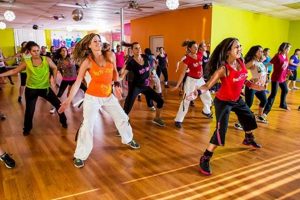
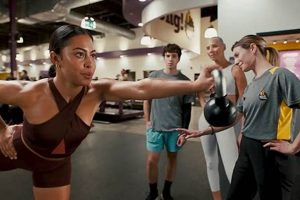
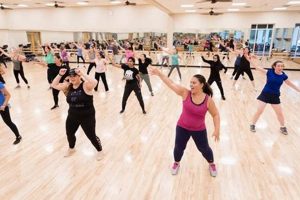
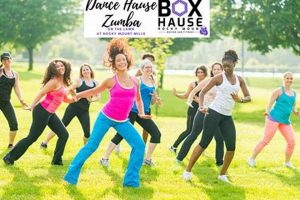
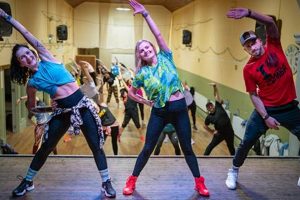
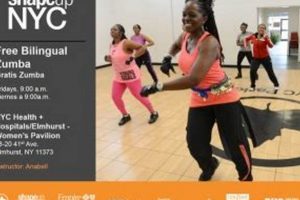
Appropriate attire for a Zumba session typically involves clothing that allows for a full range of motion, breathability, and comfort during high-energy activity. Garments should facilitate unrestricted movement while wicking away moisture to maintain a comfortable body temperature. Examples include breathable tank tops, supportive sports bras, comfortable leggings or athletic shorts, and supportive athletic shoes.
Selecting suitable clothing enhances the overall Zumba experience by allowing participants to focus on the choreography and physical exertion without being hampered by restrictive or uncomfortable attire. Proper footwear is crucial for preventing injuries and providing adequate support during the dynamic movements involved. Furthermore, wearing appropriate apparel can contribute to a sense of confidence and belonging within the class environment, positively impacting participation and motivation.
The subsequent sections will delve into specific considerations for selecting optimal tops, bottoms, and footwear, along with recommendations for accessories and factors related to personal preferences and environmental conditions to maximize comfort and performance during a Zumba class.
Apparel Recommendations for Zumba Participation
Selecting appropriate attire is crucial for a comfortable and effective Zumba experience. The following recommendations outline key considerations for clothing choices.
Tip 1: Prioritize Breathable Fabrics: Choose fabrics such as moisture-wicking polyester blends or natural fibers like cotton that allow for airflow and help regulate body temperature during intense physical activity. Avoid materials like non-breathable synthetics which can trap heat and moisture.
Tip 2: Ensure Unrestricted Movement: Select clothing that permits a full range of motion. Loose-fitting tops and bottoms, or stretchy, form-fitting activewear, are preferable. Avoid garments that are too tight or constricting, as they may hinder movement and cause discomfort.
Tip 3: Invest in a Supportive Sports Bra: For individuals who require breast support, a properly fitted sports bra is essential. Choose a high-impact sports bra that provides adequate support to minimize discomfort and prevent injury during high-energy movements.
Tip 4: Opt for Supportive Athletic Shoes: Footwear should provide adequate cushioning, arch support, and stability to protect joints and prevent injuries. Cross-training shoes or dance sneakers with non-marking soles are often suitable choices. Avoid running shoes with thick, rigid soles, as they may hinder lateral movement.
Tip 5: Consider Layering: Depending on the ambient temperature of the Zumba environment, consider layering clothing. A lightweight jacket or sweatshirt can be worn during the warm-up and cool-down phases and removed as the body temperature increases.
Tip 6: Be Mindful of Accessories: Limit the use of bulky or dangling jewelry that may pose a safety hazard during high-impact movements. Secure long hair to prevent it from obstructing vision or interfering with movement.
Tip 7: Evaluate Personal Comfort and Style: While functionality is paramount, personal comfort and style preferences should also be considered. Select clothing that makes one feel confident and motivated to participate fully in the class.
By adhering to these recommendations, individuals can optimize their comfort, performance, and safety while engaging in Zumba activities. Appropriate apparel choices contribute significantly to an enjoyable and effective workout experience.
The subsequent discussion will focus on addressing common concerns and misconceptions regarding clothing choices for Zumba, providing further clarification on optimal attire selection.
1. Breathable fabrics

The selection of breathable fabrics is a fundamental consideration when determining suitable apparel for a Zumba class. Fabric breathability directly influences thermoregulation and moisture management during high-intensity physical activity, impacting both comfort and performance.
- Thermoregulation and Performance
Breathable fabrics facilitate the evaporation of sweat, allowing the body to regulate its core temperature effectively. Fabrics lacking breathability can trap heat and moisture, leading to overheating, discomfort, and a potential reduction in physical performance. Examples of breathable fabrics include moisture-wicking polyester blends, merino wool, and open-weave cotton. These materials promote airflow and allow sweat to evaporate, maintaining a cooler and drier microclimate next to the skin.
- Moisture Management and Skin Health
The ability of a fabric to wick moisture away from the skin is crucial for preventing chafing, irritation, and the growth of bacteria. Breathable fabrics efficiently transfer moisture to the outer layer of the garment, where it can evaporate more readily. This reduces the likelihood of skin discomfort and promotes a healthier environment. Non-breathable fabrics, conversely, can trap moisture, creating a breeding ground for bacteria and increasing the risk of skin infections.
- Fabric Construction and Airflow
The construction of a fabric influences its breathability. Open weaves and knit structures allow for greater airflow compared to tightly woven or densely knit fabrics. Mesh panels incorporated into garments further enhance ventilation in areas prone to sweating. Fabric treatments, such as antimicrobial finishes, can also contribute to moisture management and odor control, improving the overall comfort and hygiene of the garment.
- Impact on Comfort and Confidence
Wearing breathable fabrics enhances comfort levels during a Zumba class, allowing participants to focus on the physical activity without being distracted by discomfort or overheating. Enhanced comfort contributes to increased confidence and motivation, promoting greater engagement and enjoyment. The selection of appropriate breathable fabrics, therefore, plays a significant role in optimizing the overall Zumba experience.
In summary, breathable fabrics are integral to appropriate attire for a Zumba class. Their ability to facilitate thermoregulation, manage moisture, and promote comfort directly impacts performance, skin health, and overall participation. Selecting garments constructed from suitable breathable materials is, therefore, a critical consideration for individuals seeking to maximize their Zumba experience.
2. Range of motion

The selection of clothing for Zumba sessions must accommodate the extensive range of motion required by the activity. Garments that restrict movement can impede performance, increase the risk of injury, and diminish the overall benefits derived from the exercise.
- Limb Mobility Facilitation
Clothing should permit unrestricted movement of the limbs in all planes of motion. This includes flexion, extension, abduction, adduction, and rotation. For example, tight-fitting jeans would severely limit hip flexion and abduction, hindering dance movements. Apparel should allow for complete articulation of the shoulder, elbow, wrist, hip, knee, and ankle joints.
- Torso Flexibility Accommodation
Zumba routines often involve significant torso twisting, bending, and arching. Restrictive clothing, such as a non-stretchy dress shirt, can limit spinal mobility and inhibit the full expression of the choreography. Garments constructed from elastic or stretchable materials facilitate the necessary torso movements.
- Impact on Exercise Form and Effectiveness
Limited range of motion due to inappropriate clothing can compromise exercise form. When individuals are unable to execute movements correctly, the targeted muscles may not be effectively engaged, reducing the overall effectiveness of the workout. Furthermore, compensatory movements to overcome clothing restrictions can lead to muscle imbalances and potential injury.
- Psychological Effects on Participation
Restrictive clothing can create a feeling of self-consciousness and discomfort, which may negatively impact participation and enjoyment. Conversely, clothing that allows for unrestricted movement can enhance confidence and freedom of expression, leading to a more positive and engaging Zumba experience.
Considering the implications of range of motion when selecting clothing is paramount for optimizing the Zumba experience. Garments that prioritize freedom of movement facilitate proper exercise form, maximize workout effectiveness, and contribute to a more positive and engaging experience. Conversely, restrictive clothing can impede performance, increase injury risk, and diminish the psychological benefits of participation.
3. Supportive footwear

The selection of supportive footwear constitutes a critical component of appropriate attire for a Zumba class. Footwear directly impacts biomechanics, stability, and injury prevention during the high-impact, dynamic movements inherent in the activity. Inadequate support can lead to foot, ankle, knee, and even hip injuries, diminishing the benefits of the exercise and potentially causing long-term musculoskeletal problems. For example, individuals wearing unsupportive shoes, such as flat sandals or running shoes with excessive cushioning, may experience increased pronation, shin splints, or plantar fasciitis due to the repetitive lateral movements and jumps involved in Zumba.
Supportive footwear for Zumba necessitates characteristics that accommodate the specific demands of the activity. Essential features include adequate arch support to maintain proper foot alignment, lateral stability to prevent excessive ankle rolling, and cushioning to absorb impact forces. Cross-training shoes are often a suitable choice due to their versatile design, offering a balance of cushioning and stability. Dance-specific sneakers, characterized by a pivot point on the sole, facilitate smoother turns and reduce stress on the knees. The proper fit is also paramount; shoes should provide ample toe room and secure heel support to prevent slippage and blisters. The type of floor surface should also be considered; non-marking soles are essential for preventing damage to studio floors.
In conclusion, supportive footwear is not merely an accessory but an integral element of appropriate attire for Zumba. The right footwear mitigates injury risk, enhances stability, and optimizes performance, directly contributing to a safer and more effective exercise experience. Neglecting the importance of supportive footwear can negate the positive effects of Zumba, potentially resulting in musculoskeletal issues and hindering long-term participation. Prioritizing footwear selection, therefore, is essential for individuals seeking to maximize the benefits and minimize the risks associated with Zumba.
4. Moisture-wicking properties

The presence of moisture-wicking properties in apparel worn during a Zumba class is a crucial determinant of comfort, hygiene, and performance. Fabric’s ability to efficiently manage moisture directly impacts the body’s thermoregulatory mechanisms and mitigates potential skin irritation.
- Thermoregulation Enhancement
Moisture-wicking fabrics facilitate the evaporation of sweat, thereby assisting the body in maintaining a stable core temperature. During a Zumba class, participants experience elevated heart rates and increased perspiration. Garments constructed from materials like polyester or nylon with specialized weaves pull moisture away from the skin’s surface, allowing it to evaporate and preventing the build-up of heat. This process is essential for avoiding overheating and maintaining optimal physical performance. Clothing lacking moisture-wicking properties can trap sweat against the skin, leading to discomfort and potential heat stress.
- Odor Control and Hygiene
Moisture-wicking fabrics contribute to odor control by inhibiting the growth of bacteria and fungi that thrive in damp environments. Sweat provides a breeding ground for these microorganisms, leading to unpleasant odors. By rapidly removing moisture from the skin, these fabrics reduce the opportunity for microbial proliferation, thereby maintaining a more hygienic environment. Some moisture-wicking fabrics are also treated with antimicrobial agents to further enhance their odor-fighting capabilities.
- Skin Irritation Mitigation
Prolonged exposure to sweat can cause skin irritation, chafing, and the development of rashes. Moisture-wicking fabrics minimize these risks by keeping the skin dry and reducing friction. This is particularly important in areas prone to chafing, such as the underarms, inner thighs, and chest. By creating a drier environment, moisture-wicking properties enhance comfort and prevent the development of skin problems that can detract from the Zumba experience.
- Performance Optimization
The comfort and dryness provided by moisture-wicking fabrics directly contribute to improved physical performance. When individuals are not distracted by discomfort caused by sweat-soaked clothing, they can focus more effectively on the choreography and movements of the Zumba class. This leads to a more engaging and productive workout. Additionally, the reduced risk of overheating and skin irritation allows participants to exercise at a higher intensity and for a longer duration.
The strategic selection of garments possessing appropriate moisture-wicking capabilities is therefore a prerequisite for maximizing the benefits and minimizing the potential drawbacks associated with participation in a Zumba class. By prioritizing this property, individuals can enhance their comfort, maintain hygiene, and optimize their physical performance throughout the activity.
5. Comfort

Comfort serves as a pivotal factor in determining appropriate apparel for Zumba participation. Attire choices that prioritize comfort directly influence the individual’s ability to engage fully in the activity, impacting both physical performance and psychological well-being.
- Fabric Softness and Tactile Sensation
The tactile properties of the fabric significantly contribute to overall comfort. Materials with a smooth, soft texture against the skin minimize friction and prevent irritation during repetitive movements. For example, choosing fabrics like modal or certain microfibers can enhance the sensory experience compared to coarser materials. The subjective feel of the fabric directly affects the individual’s perception of comfort and their willingness to participate without distraction.
- Temperature Regulation and Moisture Management
Comfort is intimately linked to the body’s ability to regulate temperature and manage moisture. Apparel should facilitate the evaporation of sweat and prevent overheating. Breathable and moisture-wicking fabrics, such as those previously discussed, play a crucial role in maintaining a comfortable body temperature and preventing the build-up of moisture, which can lead to chafing and discomfort. The effectiveness of temperature regulation directly influences the individual’s ability to maintain focus and energy levels during the Zumba session.
- Freedom of Movement and Flexibility
Clothing should allow for a full range of motion without restriction or binding. Garments that are too tight or stiff can impede movement and cause discomfort, potentially leading to muscle strain or injury. Flexible fabrics and strategic design elements, such as gussets or articulated knees, enhance mobility and allow for a more natural range of motion. The degree of freedom afforded by the clothing directly impacts the individual’s ability to execute Zumba movements correctly and comfortably.
- Psychological Comfort and Confidence
The psychological aspect of comfort is often overlooked but plays a significant role. Clothing that fits well and is aesthetically pleasing can enhance self-confidence and promote a positive body image. When individuals feel good about their appearance, they are more likely to engage fully in the activity and derive greater enjoyment from the experience. Conversely, ill-fitting or unflattering clothing can lead to self-consciousness and diminished participation. The psychological comfort derived from appropriate attire directly influences the individual’s overall sense of well-being during the Zumba session.
These facets underscore the multifaceted nature of comfort and its integral role in determining suitable apparel for Zumba participation. The combined effect of fabric softness, temperature regulation, freedom of movement, and psychological comfort influences the overall Zumba experience, dictating the individual’s ability to engage fully and derive maximum benefit from the activity.
Frequently Asked Questions
The following questions address common inquiries regarding appropriate attire for Zumba classes. The answers provided aim to offer clear and informative guidance for optimal comfort and performance.
Question 1: Is specialized clothing required for participation in a Zumba class?
While specialized clothing is not strictly mandatory, apparel choices that prioritize breathability, range of motion, and support are highly recommended. Garments that facilitate these features enhance the overall exercise experience.
Question 2: What types of tops are most suitable for Zumba?
Breathable tank tops, moisture-wicking t-shirts, or supportive sports bras are generally appropriate. Loose-fitting tops allow for greater freedom of movement, while supportive sports bras minimize discomfort during high-impact activities.
Question 3: Are leggings or shorts preferable for Zumba?
Both leggings and shorts can be suitable, depending on personal preference and climate. Leggings offer full leg coverage and support, while shorts provide greater ventilation. The primary consideration should be freedom of movement.
Question 4: What footwear is recommended for Zumba, and what should be avoided?
Cross-training shoes or dance sneakers with non-marking soles are recommended. Running shoes with thick, rigid soles should be avoided, as they may impede lateral movement and increase the risk of injury. Bare feet or socks alone are generally inappropriate due to lack of support and potential hygiene concerns.
Question 5: How does ambient temperature influence clothing choices for Zumba?
In cooler environments, layering clothing may be appropriate to maintain warmth during the warm-up phase. In warmer environments, lighter, more breathable garments are preferable to prevent overheating.
Question 6: Are there any specific accessories to avoid wearing during a Zumba class?
Bulky or dangling jewelry should be avoided, as it may pose a safety hazard during high-impact movements. Long hair should be secured to prevent it from obstructing vision or interfering with movement.
In summary, selecting appropriate attire involves prioritizing breathability, range of motion, support, and comfort, while also considering environmental factors and personal preferences. These considerations enhance the overall Zumba experience.
The subsequent section will address common misconceptions related to appropriate attire for Zumba and provide evidence-based guidance to dispel these misunderstandings.
Clothing’s Pivotal Role in Zumba Success
The preceding exploration of appropriate attire for a Zumba class underscores the critical influence of clothing choices on the participant’s experience. The analysis has highlighted the importance of breathability, unrestricted movement, supportive footwear, and moisture-wicking properties as essential characteristics of suitable garments. Neglecting these considerations can impede performance, increase the risk of injury, and diminish the overall enjoyment and benefits derived from the activity.
Given the direct correlation between clothing and exercise effectiveness, individuals are encouraged to thoughtfully select apparel that aligns with the demands of Zumba. Prioritizing function and comfort ensures optimal participation and promotes long-term adherence to the activity, ultimately contributing to improved physical fitness and well-being.