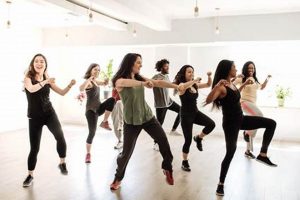
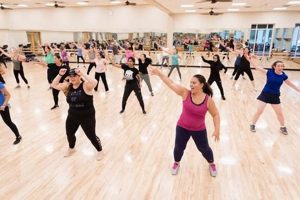
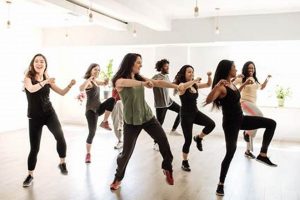
These specialized fitness sessions modify traditional Zumba routines to accommodate the physiological changes and safety considerations associated with gestation. These classes typically involve low-impact movements, modified choreography, and careful attention to posture and balance, ensuring a secure and effective workout for expectant mothers. As an example, instructors often replace high-impact jumps with gentle steps and emphasize core strengthening exercises appropriate for pregnancy.
Participation offers several potential advantages for maternal well-being. Regular, moderate physical activity, such as that engaged in during these sessions, can contribute to improved cardiovascular health, reduced risk of gestational diabetes, and enhanced mood. Historically, the understanding of the benefits of exercise during gestation has evolved, with modern guidelines advocating for safe and adaptable fitness programs. These classes provide a structured environment for achieving recommended activity levels.
The following sections will delve into specific aspects such as safety precautions, modifications of common Zumba moves, the role of qualified instructors, and the potential social benefits associated with participation in group fitness during gestation. Further, information on finding appropriate classes and consulting with healthcare providers will be presented.
Guidance for Participation
Considerations for maximizing safety and effectiveness are crucial when participating in group fitness during gestation. The following guidelines aim to provide insight and recommendations for expectant mothers interested in this form of exercise.
Tip 1: Consult a Healthcare Provider: Prior to commencing any exercise program during pregnancy, a consultation with a physician or qualified healthcare professional is imperative. This discussion should address any pre-existing conditions, potential risks, and necessary modifications based on individual health status.
Tip 2: Seek Qualified Instruction: Ensure the instructor possesses specific certification and experience in prenatal fitness. A qualified instructor will be knowledgeable about safe movement modifications and be able to provide personalized guidance.
Tip 3: Hydrate Adequately: Maintaining sufficient hydration is crucial during physical activity. Consume water before, during, and after the class to prevent dehydration and maintain optimal bodily function.
Tip 4: Monitor Intensity Levels: Pay close attention to exertion levels. Adhere to the “talk test” one should be able to hold a conversation comfortably while exercising. Reduce intensity if experiencing shortness of breath, dizziness, or pain.
Tip 5: Modify Movements as Needed: Do not hesitate to modify movements to accommodate individual needs and comfort levels. Avoid high-impact jumps or exercises that cause discomfort or strain.
Tip 6: Wear Appropriate Attire: Supportive athletic shoes and comfortable, breathable clothing are essential for safety and comfort. Consider wearing a supportive maternity belt if experiencing lower back discomfort.
Tip 7: Listen to the Body: Pay attention to bodily signals and cease activity immediately if experiencing any concerning symptoms, such as vaginal bleeding, contractions, or decreased fetal movement.
Adherence to these recommendations contributes to a safer and more beneficial experience, promoting both maternal and fetal well-being throughout the duration of the program.
The subsequent sections will address specific modifications to common movements and further explore the social and emotional benefits associated with participating in group fitness during pregnancy.
1. Safety Modifications

Safety modifications are an indispensable component of pre-natal fitness sessions, serving as a critical mechanism to mitigate potential risks associated with physical activity during gestation. These modifications, tailored to accommodate the physiological changes inherent in pregnancy, directly influence maternal and fetal well-being. For example, the substitution of high-impact jumps with low-impact steps protects joints and reduces the risk of falls, while modifications to core exercises ensure that muscles are engaged safely without placing undue pressure on the abdomen. Without these adjustments, participation could potentially lead to injury, premature labor, or other complications.
Further, effective integration of safety protocols necessitates a comprehensive understanding of contraindications and warning signs. Instructors must be adept at identifying movements that may pose a risk to participants based on individual circumstances. Real-world examples include providing alternative seated options for individuals experiencing balance issues, or adjusting the range of motion for participants with joint pain. These adaptations are not merely optional adjustments; they are integral to the safe and effective delivery of a class, ensuring that all participants can benefit without compromising their health.
In summary, the implementation of safety modifications within this class structure is paramount. By addressing potential hazards through appropriate adjustments and prioritizing individual needs, classes can offer a safe and beneficial avenue for expectant mothers to maintain physical activity. The practical significance of this understanding lies in its direct impact on maternal and fetal health outcomes, emphasizing the need for qualified instructors and carefully structured programs.
2. Qualified Instructors
The role of qualified instructors is paramount in ensuring the safety and efficacy of pre-natal fitness programs. These individuals possess specialized knowledge and skills that are essential for adapting standard exercise routines to the unique physiological needs of pregnant individuals. Their expertise directly influences maternal and fetal well-being during participation.
- Prenatal Fitness Certification
This certification demonstrates proficiency in understanding the anatomical and physiological changes occurring during pregnancy and the contraindications for exercise. Instructors with this credential are equipped to modify routines appropriately, avoiding potentially harmful movements and ensuring participant safety. For instance, a certified instructor will know how to adapt core exercises to prevent diastasis recti or modify jumps to minimize impact on joints.
- Emergency Preparedness Training
Qualified instructors are trained in basic first aid and CPR, and are prepared to respond to medical emergencies that may arise during a class. This includes recognizing signs of preterm labor, preeclampsia, or other pregnancy-related complications, and knowing how to provide appropriate assistance until medical professionals arrive. Regular training updates are vital for maintaining competency in emergency response protocols.
- Effective Communication Skills
Beyond technical knowledge, effective communication is crucial for fostering a safe and supportive environment. Qualified instructors are adept at clearly explaining exercise modifications, answering participant questions, and providing encouragement. They are also skilled at recognizing nonverbal cues indicating discomfort or distress, allowing them to address individual needs proactively and ensure that participants feel comfortable and empowered throughout the session.
- Understanding of Individual Needs
Every pregnancy is unique, and qualified instructors recognize the importance of tailoring exercise recommendations to individual needs and circumstances. This involves conducting pre-class assessments to identify any pre-existing conditions, pregnancy-related complications, or physical limitations. Based on this information, instructors can provide personalized modifications and guidance, ensuring that each participant can engage in the class safely and effectively.
The aforementioned facets highlight the indispensable role of qualified instructors in facilitating safe and beneficial physical activity during pregnancy. Their expertise extends beyond general fitness knowledge, encompassing specialized training in prenatal physiology, emergency preparedness, communication, and individualized care. Engagement with certified professionals promotes maternal well-being and facilitates positive birth outcomes, underscoring the importance of selecting appropriate classes led by qualified individuals.
3. Hydration Importance

During physical activity, the body loses fluids through perspiration and respiration, a process intensified during pregnancy due to increased metabolic demands and elevated body temperature. Insufficient fluid replacement during pre-natal fitness, such as Zumba sessions, can lead to dehydration, resulting in decreased blood volume, impaired nutrient delivery to the fetus, and a heightened risk of preterm labor. Consider a scenario where an expectant mother participates in a 60-minute class without adequate hydration; the resultant fluid loss can reduce amniotic fluid levels and potentially compromise fetal well-being. Thus, the criticality of maintaining adequate hydration during these classes is evident in its direct influence on maternal and fetal health.
Effective hydration strategies during these specialized Zumba sessions necessitate proactive planning and consistent fluid intake. Prior to commencement, participants should consume approximately 16 ounces of water. During the session, regular sips of water roughly every 15 minutes are recommended to replenish lost fluids. Post-exercise rehydration is equally crucial, aiming to replace any remaining fluid deficit and support recovery. Furthermore, instructors should actively promote hydration by incorporating reminders throughout the class and ensuring accessible water sources are available. Real-world examples demonstrate that participants who adhere to these strategies experience improved energy levels, reduced muscle cramping, and enhanced overall comfort, further emphasizing the practical benefits of prioritized hydration.
In summary, the importance of hydration within pre-natal fitness cannot be overstated. It is a critical component that directly impacts maternal and fetal health. Overlooking fluid replacement can lead to adverse outcomes, while proactive hydration strategies contribute to a safer and more beneficial workout experience. Challenges may include individual variations in fluid needs and access to resources, but the overarching message remains consistent: Hydration is an essential element for maximizing the benefits and minimizing the risks associated with physical activity during gestation.
4. Intensity Monitoring
Intensity monitoring serves as a critical mechanism for ensuring participant safety and optimizing the benefits derived from these classes. Excessive exertion during gestation can potentially compromise maternal and fetal well-being, leading to adverse outcomes such as preterm labor or reduced blood flow to the fetus. Consequently, careful regulation of activity intensity is paramount. The physiological changes associated with pregnancy, including increased heart rate and reduced lung capacity, necessitate a more conservative approach to exercise intensity compared to non-pregnant individuals. In practice, this involves utilizing tools such as the Rate of Perceived Exertion (RPE) scale or the “talk test” to gauge exertion levels. For example, participants should be able to maintain a conversation comfortably during the class, indicating that the intensity remains within a safe range.
Practical application of intensity monitoring within these classes includes initial assessment of pre-existing fitness levels and adjustment of routines accordingly. Instructors should guide participants in recognizing signs of overexertion, such as dizziness, shortness of breath, or uterine contractions, and encourage them to modify or cease activity if these symptoms occur. Modification strategies might involve reducing the range of motion, slowing down the pace of movements, or taking frequent breaks. Furthermore, wearable technology, such as heart rate monitors, can provide objective data on exertion levels, allowing individuals to make more informed decisions about their participation. For instance, maintaining heart rate within a target zone, as determined by a healthcare provider, can help ensure that the exercise remains safe and effective.
In summary, intensity monitoring is an indispensable component. It is not merely an optional consideration but rather a fundamental element that directly affects maternal and fetal health outcomes. Challenges may include individual variations in physiological responses and the subjective nature of perceived exertion. However, by incorporating objective assessment tools, providing clear guidelines, and fostering open communication between participants and instructors, can mitigate these challenges and promote a safe and beneficial exercise experience. Emphasis on appropriate monitoring is a key aspect of responsible and effective pre-natal fitness programming.
5. Individual Needs

Individual needs are a central consideration in pre-natal fitness programs. Expectant mothers exhibit diverse physiological and medical profiles, requiring customized approaches within structured class environments. Effective integration of individual needs ensures both safety and engagement, maximizing the benefits while minimizing potential risks associated with physical activity during gestation. The following facets detail key aspects of accommodating individual needs.
- Pre-Existing Conditions
Pre-existing medical conditions, such as gestational diabetes, hypertension, or musculoskeletal issues, significantly influence participation in these sessions. For instance, a participant with gestational diabetes may require modified exercise intensity and careful monitoring of blood glucose levels during and after the class. Instructors must possess the competence to adapt routines and provide individualized guidance based on known medical histories. Failure to address pre-existing conditions can lead to exacerbation of health issues or adverse events during exercise.
- Trimester-Specific Modifications
The physiological changes experienced throughout each trimester necessitate adjustments to exercise routines. In the first trimester, fatigue and nausea may warrant reduced intensity and increased rest periods. As pregnancy progresses, postural changes and altered balance may necessitate modifications to movements and increased emphasis on stability. A participant in the third trimester, for instance, might require modifications to floor exercises to avoid supine hypotension. Understanding these trimester-specific needs is vital for promoting safety and comfort throughout the program.
- Fitness Level and Experience
Varying levels of fitness and prior exercise experience necessitate differentiated approaches. A participant with a history of regular physical activity may be able to tolerate a higher intensity and more complex movements compared to someone new to exercise. Instructors must assess participants’ fitness levels and provide appropriate modifications to ensure that the class is challenging yet manageable. Providing alternative movement options caters to diverse abilities and prevents discouragement or injury.
- Personal Preferences and Comfort Levels
Acknowledging personal preferences and comfort levels promotes adherence and enhances the overall experience. Some participants may prefer certain types of music, movements, or social interactions. Respecting individual preferences contributes to a more positive and enjoyable experience, encouraging continued participation. For instance, offering a variety of dance styles or allowing participants to modify movements based on their personal comfort levels can increase engagement and satisfaction.
These considerations highlight the importance of a personalized approach. By accounting for pre-existing conditions, trimester-specific needs, fitness levels, and personal preferences, fitness classes during gestation can effectively cater to individual requirements, promoting both physical and emotional well-being. Ignoring these factors may result in suboptimal outcomes or increased risks. Therefore, the integration of personalized modifications is essential for maximizing the benefits and ensuring the safety of all participants.
Frequently Asked Questions
The following addresses common inquiries regarding participation in specialized fitness sessions during gestation. It aims to provide clarification on safety, benefits, and logistical considerations.
Question 1: Is participation safe during all trimesters?
Generally, participation is considered safe throughout gestation, provided healthcare provider approval is obtained and appropriate modifications are implemented. The intensity and specific movements should be adapted to accommodate the physiological changes associated with each trimester.
Question 2: What qualifications should an instructor possess?
An instructor should hold a nationally recognized certification in prenatal fitness. This certification ensures the individual possesses the knowledge and skills necessary to safely modify exercises and address the unique needs of pregnant individuals.
Question 3: Are there specific movements that should be avoided?
Certain movements, such as high-impact jumps, deep squats, and exercises performed while lying flat on the back (especially after the first trimester), should generally be avoided. These movements may increase the risk of injury or compromise blood flow to the fetus.
Question 4: How often should participation occur?
The recommended frequency is typically three to five times per week, with sessions lasting approximately 30 to 60 minutes. However, individual fitness levels and healthcare provider recommendations should guide the frequency and duration of participation.
Question 5: What are the potential benefits of participation?
Potential benefits include improved cardiovascular health, reduced risk of gestational diabetes, enhanced mood, and improved sleep. It may also contribute to a more comfortable pregnancy and easier labor and delivery.
Question 6: Is it necessary to consult a healthcare provider before participating?
A consultation with a physician or other qualified healthcare provider is essential prior to commencing any exercise program during gestation. This consultation allows for an assessment of individual risk factors and ensures that participation is safe and appropriate.
In summary, informed decision-making, guided by healthcare professionals and qualified instructors, is crucial for maximizing the safety and benefits of specialized fitness sessions during gestation.
The subsequent section will provide information on finding appropriate classes and resources.
Conclusion
This exploration has illuminated key facets of pregnancy zumba classes, underscoring the importance of safety modifications, qualified instructors, and the consideration of individual needs. Maintaining hydration and monitoring intensity levels are equally crucial for a beneficial experience. The presented information intends to offer a clear understanding of the potential benefits and necessary precautions associated with these activities during gestation.
Prioritizing informed decision-making, in consultation with healthcare providers, remains paramount. Individuals should seek qualified instructors and classes that adhere to established safety guidelines. The well-being of both mother and child necessitates a responsible and educated approach to physical activity throughout pregnancy. Continued research and development in this area are essential to further refine best practices and ensure optimal outcomes.