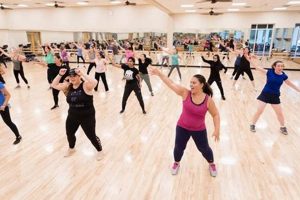
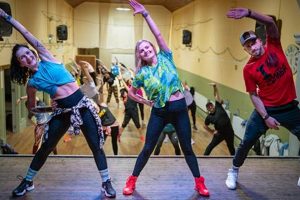
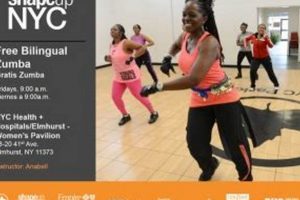
The process involves structuring a fitness session around Latin-inspired dance movements, choreographed to upbeat music. It requires instructors to demonstrate steps clearly, maintain high energy, and create an inclusive atmosphere. A typical session incorporates warm-up routines, a series of dance combinations targeting various muscle groups, and a cool-down period.
Effective instruction delivers numerous advantages. Participants benefit from improved cardiovascular health, increased muscle tone, and enhanced coordination. The engaging nature of the activity promotes adherence to exercise routines, fostering a positive and sustainable approach to physical well-being. The origins of this format can be traced to the desire to create a fun, accessible fitness experience, departing from traditional, more regimented workout structures.
Understanding the fundamentals of music and rhythm, mastering basic dance steps, and developing strong communication skills are essential components of instructor preparation. This instruction necessitates careful planning, attention to participant safety, and the ability to adapt to diverse fitness levels within a group setting.
Effective Teaching Strategies
Optimizing the learning experience requires a multifaceted approach. Several key strategies can enhance the efficacy of instruction, ensuring participant engagement and maximizing fitness benefits.
Tip 1: Music Selection. The selection of music must align with the choreography and provide a consistent, energetic pulse. Incorporate a variety of tempos and rhythms to challenge participants and maintain interest. Track selection should adhere to licensing agreements and legal usage guidelines.
Tip 2: Cueing Techniques. Clear and concise cueing is crucial. Employ both verbal and nonverbal cues to guide participants through the routines. Provide advance notice of upcoming changes in steps or direction. Practice mirror imaging to aid visual learners.
Tip 3: Choreography Breakdown. Deconstruct complex routines into smaller, manageable segments. Demonstrate each step slowly and repeatedly before combining them. Offer modifications for participants with varying fitness levels or physical limitations.
Tip 4: Class Structure. A well-structured session incorporates a gradual warm-up, progressive intensity build-up, and a thorough cool-down. Allocate sufficient time for each phase to prevent injury and promote recovery.
Tip 5: Energy and Enthusiasm. Instructor energy is contagious. Maintain a positive and enthusiastic demeanor throughout the session to motivate participants. Demonstrate a genuine passion for the activity.
Tip 6: Floor Movement and Spatial Awareness. Effective use of the studio space enhances engagement and provides visual clarity. Move around the room to provide individualized attention and correct form. Consider traffic flow and avoid obstructing participants’ views.
Tip 7: Continuous Professional Development. Staying current with industry trends and refining teaching techniques is essential. Attend workshops, certifications, and continuing education courses to enhance skills and knowledge.
Adopting these strategies fosters a dynamic and effective learning environment, leading to improved participant outcomes and greater satisfaction.
These techniques offer a framework for enhancing the delivery of fitness sessions and promoting a positive experience for all involved.
1. Choreography Knowledge

A strong foundation in choreography is paramount for delivering effective Zumba instruction. Without a comprehensive understanding of the routines, instructors cannot accurately demonstrate steps, provide clear guidance, or ensure participant safety. Deficiencies in this area can lead to confusion, improper form, and increased risk of injury. For instance, if an instructor is unfamiliar with the correct footwork for a salsa combination, participants may misinterpret the steps, leading to incorrect weight distribution and potential ankle strain. Therefore, proficiency in choreography directly impacts the quality and safety of instruction.
The application of choreography knowledge extends beyond simply memorizing steps. It encompasses the ability to modify routines for varying fitness levels and physical limitations. An instructor must be able to adapt a complex move into a simpler variation for beginners or individuals with joint issues. This requires a deep understanding of the underlying movement principles, allowing for informed adjustments without compromising the integrity of the routine. Furthermore, knowledge of choreographic transitions enables seamless flow between different dance styles, maintaining a consistent and engaging experience. A concrete example involves modifying a high-impact jump into a low-impact step-touch for participants with knee problems, thereby ensuring inclusivity and preventing potential harm.
In conclusion, choreography knowledge is not merely a component, but rather a fundamental prerequisite for quality Zumba instruction. It is the basis upon which effective cueing, safe modifications, and engaging delivery are built. Overlooking this aspect can compromise the participant experience and increase the risk of injury. Therefore, dedicated training and continuous practice are essential for instructors seeking to provide effective and responsible Zumba sessions.
2. Musicality

Musicality forms an integral component of effective Zumba instruction. It transcends the mere selection of appropriate songs, encompassing a deeper understanding of musical structure, rhythm, and dynamics. This understanding directly influences the ability to choreograph, cue, and motivate participants, impacting the overall effectiveness and enjoyment of the session.
- Rhythm Synchronization
Rhythm synchronization entails aligning movements precisely with the underlying beat and rhythmic patterns of the music. This involves identifying the main beats, understanding syncopation, and matching steps to the music’s phrasing. For instance, a salsa step sequence should accurately reflect the clave rhythm. Improper synchronization can lead to disjointed movements and a diminished sense of cohesion within the class, hindering both the aesthetic appeal and the physical efficacy of the workout.
- Tempo Modulation
Tempo modulation refers to the ability to adjust the pace of movements in accordance with the speed of the music. Variations in tempo should be reflected in the intensity and complexity of the choreography. Faster tempos are typically associated with more demanding routines, while slower tempos allow for controlled movements and enhanced balance. A proficient instructor can strategically manipulate tempo to challenge participants and prevent plateaus in fitness progression. A practical example involves transitioning from a fast-paced merengue sequence to a slower bachata routine to provide active recovery and improve coordination.
- Musical Phrasing and Transitions
Musical phrasing involves recognizing and utilizing the structural divisions within a song, such as verses, choruses, and bridges. Choreography should align with these phrases to create a sense of narrative and build anticipation. Transitions between different sections of a song provide opportunities to introduce new movements or modify existing ones. A well-executed transition seamlessly connects disparate dance styles, maintaining a consistent flow and preventing abrupt shifts in energy. This could involve using a musical bridge to transition from a high-energy cumbia routine to a more relaxed reggaeton sequence.
- Dynamic Expression
Dynamic expression refers to the ability to reflect the emotional content and intensity of the music through movement. This encompasses variations in energy, amplitude, and style. A skilled instructor can convey joy, passion, or even a sense of playful mischief through their movements, engaging participants on an emotional level. For instance, a powerful salsa chorus can be emphasized with bold, expansive movements, while a more subdued bachata verse can be expressed through graceful, fluid steps. This dynamic interplay between music and movement enhances the overall experience and fosters a deeper connection with the activity.
The multifaceted nature of musicality, as exemplified by rhythm synchronization, tempo modulation, phrasing, and dynamic expression, underscores its pivotal role. Incorporating these elements into lesson plans produces an effective and gratifying fitness experience.
3. Cueing Precision
The effectiveness of fitness instruction relies significantly on cueing precision. In the context of structured fitness sessions, particularly those involving choreographed movements, the ability to deliver timely, accurate, and unambiguous cues is paramount for participant safety, engagement, and the overall efficacy of the workout. Deficiencies in cueing can lead to confusion, incorrect form, and potential injury, diminishing the value of the instruction.
- Verbal Clarity and Timing
Verbal cueing involves the use of precise and concise language to communicate upcoming movements. The timing of these cues is crucial; they must be delivered with sufficient lead time to allow participants to prepare for the transition. For instance, announcing “Next, grapevine right” several counts before the grapevine begins allows participants to anticipate and execute the step correctly. Ambiguous language or poorly timed cues can result in delayed responses or incorrect execution, disrupting the flow of the session and potentially leading to collisions or incorrect muscle engagement. Real-world examples include clearly stating the number of repetitions for each exercise or providing a verbal countdown to signal the end of a sequence.
- Nonverbal Communication and Mirroring
Nonverbal cueing complements verbal cues through the use of gestures, facial expressions, and body language. Mirroring, in particular, is a powerful technique wherein the instructor performs the movements as a visual reference for participants. By mirroring the steps, instructors provide a clear and immediate visual cue, particularly beneficial for visual learners. Effective nonverbal communication reinforces verbal cues and enhances overall understanding. For example, pointing in the direction of the next movement or using hand signals to indicate the level of intensity. This aspect minimizes ambiguity and allows participants to follow the instruction even in environments with high ambient noise levels.
- Progressive Cueing and Layering
Progressive cueing involves gradually introducing cues as the complexity of the routine increases. This approach prevents information overload and allows participants to assimilate new movements incrementally. Layering cues involves building upon previously established cues to reinforce understanding and enhance retention. For example, initially cueing “Step right, step left” and then adding “Add arms” as participants become comfortable with the footwork. This method ensures that participants are not overwhelmed with information at the outset and can gradually master the movements. Progressive cueing is particularly useful when teaching complex routines or introducing new dance styles.
- Corrective Cueing and Form Emphasis
Corrective cueing involves providing specific feedback to address common errors in form or technique. This type of cueing is essential for preventing injuries and maximizing the effectiveness of the workout. Corrective cues should be delivered in a positive and constructive manner, focusing on what participants can do to improve rather than simply pointing out mistakes. For example, reminding participants to “Engage your core” or “Keep your knees soft” during high-impact movements. Emphasizing proper form not only enhances the safety of the session but also promotes better muscle activation and overall fitness gains.
The multifaceted nature of cueing precision, as exemplified by verbal clarity, nonverbal communication, progressive layering, and corrective feedback, underscores its importance. By employing these techniques, instructors can foster a more engaging, safe, and effective learning environment. The integration of precise cueing enhances the overall quality of instruction, contributing to improved participant outcomes and a more positive fitness experience.
4. Energetic Delivery

Energetic delivery is a critical component of effective fitness instruction, particularly in high-energy formats such as Zumba. It goes beyond mere enthusiasm, representing a multifaceted skill set that directly influences participant motivation, engagement, and adherence to the exercise program. A lack of appropriate energy can diminish the effectiveness of the most well-planned choreography.
- Vocal Projection and Modulation
Vocal projection involves using the voice effectively to command attention and convey instructions clearly. Modulation, the variation of tone and pitch, keeps the vocal delivery engaging and prevents monotony. For instance, raising the voice during a high-intensity segment and lowering it during a cool-down phase enhances the impact of both phases. Improper vocal delivery can result in participants missing cues or becoming disengaged due to a lack of dynamism. Effective projection and modulation maintain participant focus and motivation.
- Physical Exuberance and Expressiveness
Physical exuberance refers to the instructor’s physical demonstration of energy and enthusiasm through movement. This includes exaggerated gestures, dynamic facial expressions, and full-body engagement in the choreography. For example, performing each step with vigor and demonstrating a genuine passion for the music and movements. Lack of physical expressiveness can convey a lack of enthusiasm, negatively impacting participant motivation. Demonstrating exuberance makes the class more engaging and inspires participants to push themselves.
- Positive Reinforcement and Encouragement
Positive reinforcement involves using verbal and nonverbal cues to acknowledge and encourage participant effort. This includes offering specific praise for correct form, celebrating successes, and providing motivational support during challenging segments. For example, saying “Great job keeping up with the rhythm!” or offering a high-five to a participant who masters a difficult move. A lack of positive reinforcement can lead to discouragement and decreased participation. Constructive feedback motivates participants and creates a supportive environment.
- Enthusiastic Engagement with Music
Enthusiastic engagement with music goes beyond simply playing the songs. It involves demonstrating a clear connection to the music’s rhythm, dynamics, and emotional content through movement and expression. This might involve incorporating stylistic flourishes that align with the musical genre or expressing the joy and energy of the music through facial expressions and body language. For instance, mirroring the attitude of a reggae tone to improve mood. Failing to engage enthusiastically with the music can lead to a disconnected and less engaging experience for participants. Demonstrating a genuine love for the music elevates the energy of the class and inspires participants to connect with the music as well.
The combined effect of vocal projection, physical exuberance, positive reinforcement, and enthusiastic musical engagement creates an immersive and motivating fitness experience. By cultivating these elements, instructors can transform a simple workout into a dynamic and engaging session that promotes participant adherence and achieves desired fitness outcomes. These factors, when effectively applied, will have the best potential for improvement of any instructors Zumba skills and class attendance.
5. Adaptability

In fitness instruction, particularly within dynamic formats such as Zumba, adaptability is a cornerstone of effective teaching. It is the capacity to modify instruction based on real-time feedback, participant needs, and unforeseen circumstances. A rigid adherence to a pre-planned routine, without consideration for the individuals present, can compromise both the safety and the enjoyment of the session.
- Fitness Level Adjustments
The composition of a class often encompasses individuals with varying levels of fitness and experience. An effective instructor must be able to modify choreography to accommodate beginners, advanced participants, and those with physical limitations. This involves offering low-impact alternatives, simplifying complex steps, and providing modifications for specific exercises. An example includes reducing the range of motion for a squat or replacing a jump with a step-touch for participants with knee issues. Failure to adapt to differing fitness levels can lead to frustration for some participants and an increased risk of injury for others.
- Accommodating Physical Limitations
Instructors may encounter participants with pre-existing injuries, medical conditions, or physical limitations that require specific modifications. This necessitates a proactive approach, encouraging participants to communicate any limitations before the session begins. The instructor must then be prepared to offer appropriate modifications and provide guidance on safe execution. This may involve avoiding certain movements, reducing the intensity of exercises, or providing alternative options. For instance, an individual with a shoulder injury may need to avoid overhead movements, requiring the instructor to offer alternative arm positions. A responsible instructor prioritizes the safety and well-being of all participants, making necessary adjustments to accommodate individual needs.
- Responding to Real-Time Feedback
Experienced instructors develop the ability to gauge the energy and comprehension levels of their participants during the session. This involves observing body language, listening to verbal cues, and being attuned to the overall atmosphere of the class. If participants appear confused, fatigued, or struggling with a particular movement, the instructor must be prepared to adjust the pace, simplify the choreography, or offer additional explanation. For example, if the majority of the class is unable to keep up with a complex salsa sequence, the instructor may choose to break it down into simpler steps or switch to a more familiar routine. Responding effectively to real-time feedback ensures that all participants remain engaged and challenged without feeling overwhelmed.
- Adjusting to Unexpected Circumstances
Unforeseen circumstances, such as technical difficulties with the sound system, changes in the available space, or the absence of regular participants, may require instructors to adapt on the fly. This necessitates flexibility, problem-solving skills, and the ability to remain calm and professional under pressure. An instructor might need to lead the class without music, modify the choreography to fit a smaller space, or adjust the routine to accommodate the absence of a key participant who typically leads the group. Demonstrating adaptability in the face of unexpected challenges reinforces the instructor’s competence and ensures that the session remains productive and enjoyable, despite the circumstances.
Adaptability, therefore, is not merely a supplementary skill, but a core competency that dictates the effectiveness and inclusivity of instruction. It demonstrates a commitment to meeting the diverse needs of participants and ensures that the session remains safe, engaging, and beneficial for all involved. Instructors need to adapt in many ways, from fitness levels, to physical restrictions. By doing so, they can create a positive experience for their customers, by personalizing the experience for all involved.
6. Safety Awareness

Effective fitness instruction necessitates a thorough understanding of safety protocols and risk mitigation strategies. In the context of a choreographed fitness environment, such as a Zumba class, prioritizing participant safety is not merely a recommendation, but a fundamental ethical and professional responsibility. Neglecting safety considerations can lead to injuries, legal liabilities, and a compromised learning experience.
- Pre-Participation Screening and Assessment
The initial step in ensuring participant safety involves a comprehensive pre-participation screening process. This includes encouraging participants to complete a health questionnaire that identifies any pre-existing medical conditions, injuries, or limitations. A qualified instructor should review these forms and engage in confidential conversations with participants to gather additional information. Assessing factors such as cardiovascular health, joint stability, and prior exercise experience allows the instructor to tailor the class content and provide appropriate modifications. An example includes advising individuals with a history of knee problems to avoid high-impact movements or suggesting modifications for participants with limited range of motion. Proper screening minimizes the risk of adverse events and promotes a safe and inclusive environment.
- Environmental Hazard Identification and Mitigation
The physical environment in which the class is conducted plays a crucial role in participant safety. Instructors must conduct a thorough inspection of the space to identify potential hazards, such as slippery floors, uneven surfaces, or obstructions. Proper lighting, adequate ventilation, and sufficient space between participants are essential. Addressing these hazards proactively minimizes the risk of slips, falls, and collisions. An example includes ensuring that the floor is clean and dry, removing any tripping hazards, and adjusting the volume of the music to prevent hearing damage. Maintaining a safe and well-maintained environment demonstrates a commitment to participant well-being.
- Proper Warm-Up and Cool-Down Procedures
A structured warm-up and cool-down are integral components of a safe and effective fitness session. The warm-up prepares the body for the demands of the workout by gradually increasing heart rate, blood flow, and muscle temperature. It should include dynamic stretches that mimic the movements performed during the class. The cool-down facilitates the recovery process by gradually lowering heart rate and promoting muscle relaxation. Static stretches, held for a sustained period, help improve flexibility and reduce muscle soreness. An example includes performing arm circles, leg swings, and torso twists during the warm-up and holding stretches for major muscle groups during the cool-down. Neglecting these procedures can increase the risk of muscle strains, sprains, and other injuries.
- Emergency Preparedness and Response
Effective instructors must be prepared to respond appropriately to medical emergencies that may arise during the class. This includes having a basic understanding of first aid and CPR, knowing the location of emergency equipment (e.g., first aid kit, AED), and establishing a clear communication protocol with facility staff. In the event of an injury or medical emergency, the instructor should assess the situation, provide immediate assistance, and contact emergency services if necessary. An example includes recognizing the signs of a heart attack or stroke and initiating appropriate emergency procedures. Being prepared for emergencies can potentially save lives and minimize the long-term consequences of injuries.
In summary, these safety measures are not isolated actions, but rather interconnected components of a comprehensive safety strategy. By proactively addressing potential risks, instructors can create a learning environment that prioritizes the health and well-being of all participants. Prioritizing safety is not just a matter of compliance, its also smart business that reduces the likelihood of legal liabilities, and demonstrates a genuine commitment to the well-being of each participant.
7. Professionalism

The effective delivery of fitness instruction, specifically within the context of a structured fitness class like Zumba, is inextricably linked to professionalism. A failure to uphold professional standards can undermine the credibility of the instructor, compromise participant safety, and ultimately detract from the quality of the fitness experience. This encompasses not only the technical aspects of choreography and cueing but also ethical conduct, responsible communication, and a commitment to continuous improvement. Instances of unprofessional behavior, such as tardiness, inappropriate attire, or neglecting participant concerns, can erode trust and damage the instructor’s reputation.
Maintaining appropriate boundaries with participants is a critical aspect of professionalism. Engaging in personal relationships with class members can create conflicts of interest and compromise the instructor’s objectivity. Similarly, offering unsolicited medical advice or making disparaging remarks about other instructors or fitness programs is both unethical and detrimental to the overall fitness community. Furthermore, upholding copyright laws by only using properly licensed music demonstrates respect for intellectual property and avoids potential legal ramifications. A concrete example involves declining social invitations from participants and maintaining a professional demeanor during all interactions, both within and outside of the class setting. This reinforces the instructor’s role as a facilitator of fitness rather than a social companion. It may involve not selling branded merchandise without having a valid business license.
Professionalism within the context of fitness instruction extends beyond personal conduct. It incorporates a commitment to ongoing professional development and staying abreast of industry best practices. Actively pursuing continuing education opportunities, such as workshops, certifications, and conferences, ensures that instructors remain current with the latest techniques and safety guidelines. This not only enhances the quality of instruction but also demonstrates a dedication to providing participants with the most effective and safe workout experience possible. Upholding these standards fosters a positive and ethical learning environment and contributes to the long-term success and sustainability of fitness instruction. It also serves to legitimize and improve the Zumba industry as a whole.
Frequently Asked Questions
The following section addresses common inquiries regarding the delivery of effective Zumba instruction. These questions and answers aim to provide clarity and guidance for aspiring and current instructors.
Question 1: What foundational knowledge is crucial before commencing Zumba instruction?
A solid understanding of basic dance steps, rhythmic patterns, and musical structures is essential. Additionally, a strong grasp of exercise physiology and injury prevention principles is vital for ensuring participant safety.
Question 2: How can an instructor effectively manage classes with varying fitness levels?
Offering modifications and progressions for each movement is paramount. Providing lower-impact options and simpler variations allows participants of all abilities to engage safely and effectively. Continuous observation and individual feedback are also crucial.
Question 3: What strategies can enhance cueing and communication during a Zumba session?
Employing clear verbal cues, combined with nonverbal demonstrations, is key. Using mirror imaging and providing advance notice of transitions can facilitate understanding. Utilizing progressive cueing, gradually layering instructions, minimizes confusion.
Question 4: What are the ethical considerations for a Zumba instructor?
Maintaining professional boundaries with participants is essential. Respecting copyright laws regarding music usage is mandatory. Providing unbiased and accurate fitness information is also a fundamental ethical obligation.
Question 5: How does an instructor address participant injuries or medical emergencies?
Having a basic understanding of first aid and CPR is critical. Establishing clear emergency protocols and communication channels is necessary. Encouraging participants to disclose pre-existing conditions and limitations is essential for preventative care.
Question 6: What strategies can assist in continued improvement of the Zumba instruction?
Actively seeking continuing education opportunities, such as workshops and certifications, is crucial. Soliciting feedback from participants and peers provides valuable insights. Continuously refining choreography and teaching techniques is essential for professional growth.
These responses offer a foundational understanding of critical aspects related to this specific type of fitness instruction. Adhering to these principles promotes a safe, effective, and professional learning environment.
This guidance can be further augmented with additional resources and ongoing professional development.
Conclusion
The preceding exploration of how to teach a Zumba class underscores the multifaceted nature of effective instruction. Mastery requires a comprehensive skill set encompassing choreography, musicality, cueing precision, energetic delivery, adaptability, safety awareness, and professional conduct. Each element contributes to a dynamic and inclusive fitness environment.
Continued adherence to these principles ensures the delivery of quality fitness experiences and underscores the importance of rigorous preparation and ongoing professional development. Prioritizing these guidelines contributes to the sustained growth and integrity of the Zumba community.