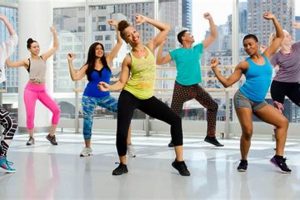
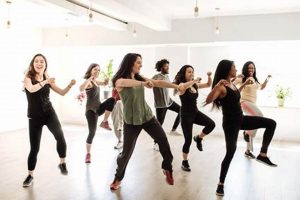
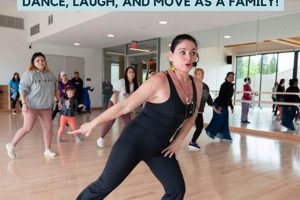
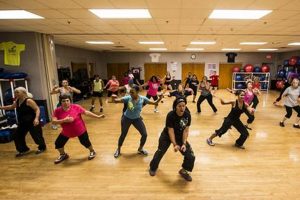
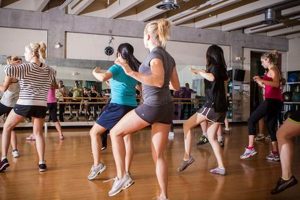
The ability to effectively lead a Zumba session involves a combination of dance fitness instruction, motivational skills, and an understanding of musicality. Successfully guiding participants requires preparing choreography, cueing movements clearly, and creating an energetic and inclusive environment where individuals of varying fitness levels feel comfortable and motivated to participate.
Mastering dance fitness instruction offers participants numerous benefits, including cardiovascular improvement, enhanced coordination, and increased overall well-being. The method contributes to community building, stress reduction, and a fun, engaging approach to physical activity. Historically, it has evolved from traditional Latin dance forms into a globally recognized fitness format adaptable to diverse populations.
Therefore, a comprehensive approach to delivering these benefits encompasses several key areas. These include choreography planning and delivery, effective cueing techniques, music selection and integration, class management strategies, and methods for modifying exercises to accommodate diverse fitness levels and needs.
Tips for Instructing a Dance Fitness Session
Effective delivery of a dance fitness session hinges on thoughtful preparation and execution. The following points provide guidelines for instructors seeking to optimize the participant experience and ensure a safe, effective workout.
Tip 1: Choreography Planning: Session design must prioritize safety and progression. Prioritize moves with impact modifications. A sample session should include warm-up, cardio, cool down, and strength training. Each section should be well-planned to maintain energy and focus.
Tip 2: Cueing Techniques: Verbal and non-verbal cues ensure participant comprehension and smooth transitions. Provide directional instructions, preview upcoming movements, and use hand signals to emphasize technique. Maintain a clear and consistent communication style.
Tip 3: Music Selection and Integration: Choose music that reflects the format’s rhythm and character. The music’s beat per minute (BPM) will influence the intensity of the session. Ensure music transitions are seamless and that the chosen tracks motivate participants.
Tip 4: Class Management: Scan the room frequently to monitor participant form and energy levels. Address potential safety concerns promptly and provide individualized modifications as needed. Foster a positive and inclusive environment that encourages participation.
Tip 5: Modification and Progression: Provide options to modify exercises based on fitness levels and physical limitations. Progressions should be incorporated gradually to challenge participants and prevent plateaus. Adapt the exercises based on the physical abilities and limitations of the participants.
Tip 6: Maintain Energy: Instructor enthusiasm is contagious. Use dynamic movements, vocal encouragement, and positive feedback to keep participants motivated and engaged. Project an energetic presence throughout the session.
These practices will improve the quality of the dance fitness experience, encourage return visits, and make for safer, enjoyable experience for participants. By implementing these elements, instructors will be able to guide a safe, motivating, and enjoyable fitness session.
The conclusion of this guidance will cover specific techniques for marketing and promotion, as well as ongoing professional development.
1. Choreography Mastery

Choreography mastery constitutes a fundamental pillar in delivering effective Zumba instruction. The ability to execute and impart dance routines, with modifications for varied fitness levels, is indispensable. Without a firm grasp of choreographic principles, instructors risk presenting a disjointed and confusing class experience, potentially leading to participant frustration or injury. For instance, an instructor unfamiliar with transitional movements between different dance styles within a Zumba routine may inadvertently create abrupt shifts in intensity, which could strain participants’ muscles or disrupt their flow.
Proficiency in choreography extends beyond mere memorization of steps. It necessitates a thorough understanding of rhythm, tempo, and musical phrasing. An instructor demonstrating choreographic mastery can effectively synchronize movements with the music, creating a cohesive and engaging experience. Furthermore, this mastery allows for seamless integration of modifications to suit participants with diverse physical capabilities or limitations. An example of practical application lies in the instructor’s ability to offer low-impact alternatives to high-energy steps, ensuring that individuals with joint issues can fully participate without compromising their safety.
In summary, choreography mastery is not merely a desirable attribute but a crucial prerequisite for instructing a Zumba class. It impacts participant safety, engagement, and the overall effectiveness of the workout. The challenge lies in continuous learning and refinement of choreographic skills, demanding that instructors stay abreast of new routines and techniques while remaining sensitive to the needs of their participants. This focus ultimately contributes to creating a positive and rewarding experience for all involved.
2. Effective Cueing

Effective cueing constitutes a cornerstone of successful Zumba instruction. The ability to clearly communicate movement transitions, technique refinements, and motivational cues directly impacts participant engagement and safety.
- Verbal Communication Precision
Verbal cues must be concise, unambiguous, and anticipatory. For instance, announcing “Next move: grapevine to the right in four counts” allows participants to mentally and physically prepare for the transition. Vague or delayed cues can lead to confusion, disrupting the flow and potentially increasing the risk of missteps. Effective verbalization must also incorporate technical reminders, such as “Engage your core” or “Maintain a soft bend in your knees.”
- Non-Verbal Cueing Techniques
Non-verbal cues, including hand gestures, facial expressions, and demonstrative movements, complement verbal instructions. A pointed finger indicating the direction of movement, a demonstrative step showing proper form, or an encouraging smile conveying positive reinforcement are valuable tools. These cues are particularly useful in noisy environments or when conveying subtle nuances that words alone may fail to capture. Non-verbal techniques also accommodate diverse learning styles, as some participants may better understand through visual demonstrations.
- Timing and Synchronization
The timing of cues is as crucial as their content. Cues must be delivered slightly ahead of the intended movement, allowing participants sufficient time to react and adjust. Synchronizing cues with the music’s rhythm further enhances their effectiveness. For example, a clap or a vocal cue coinciding with a musical beat can reinforce the timing and dynamics of a particular step. Mistimed or asynchronous cues can disrupt the flow and create a sense of disconnect between the instructor and participants.
- Adaptability and Individualization
Effective cueing is not a one-size-fits-all approach. Instructors must adapt their cueing style to accommodate participants of varying fitness levels, experience, and learning preferences. Providing modifications and options during cues is critical. For instance, an instructor might say, “Option one: full step; option two: tap it out.” Individualized cues, such as subtly adjusting a participant’s form with a gentle hand gesture, can enhance understanding and prevent potential injuries.
In conclusion, proficiency in cueing techniques is paramount for instructors aiming to deliver a positive and effective Zumba experience. The interplay of clear verbal instructions, demonstrative non-verbal cues, precise timing, and adaptive strategies ensures that participants remain engaged, informed, and safe throughout the class. Mastery of cueing ultimately translates to enhanced participant outcomes and a more rewarding instructional experience.
3. Musicality Integration

Musicality integration represents a critical element in the successful delivery of a Zumba session. The inherent nature of Zumba lies in its fusion of dance and fitness, where music serves as more than mere background accompaniment. It is the rhythmic foundation upon which movements are structured, influencing not only the pace and intensity of the workout but also the overall engagement and enjoyment of participants. An instructor’s ability to effectively integrate musical elements directly impacts the class’s energy, participant motivation, and the seamless execution of choreography. Failure to synchronize movements with the music can lead to a disjointed experience, hindering participant coordination and diminishing the workout’s intended impact. For instance, if an instructor initiates a change in steps without aligning it with a musical transition, participants may struggle to maintain rhythm, potentially leading to frustration and decreased performance.
The practical application of musicality integration manifests in several key areas of Zumba instruction. Music selection should align with the intended energy and style of the class, catering to the participants’ preferences while providing variety and progression. Furthermore, instructors must demonstrate an understanding of musical phrasing, recognizing and utilizing musical cues to signal changes in movement or intensity. An example of this would be using a drum fill to transition from a low-impact to a high-impact segment of a routine. Choreography should be designed to complement the selected music, ensuring that steps flow naturally with the rhythm and melody. The instructor’s own movement should also reflect the musicality, demonstrating their connection to the music and inspiring participants to do the same. Additionally, the transition between songs should be seamless, and instructors must be able to quickly adjust if technical difficulties such as audio malfunctions happen.
In summary, musicality integration is not merely an aesthetic consideration but a functional necessity for effective Zumba instruction. It dictates the flow, intensity, and overall participant experience of the class. The challenge lies in cultivating a deep understanding of music, incorporating this knowledge into choreography design, and effectively communicating musical cues to participants. By prioritizing musicality, instructors elevate the Zumba session from a simple workout to an immersive and rewarding dance fitness experience, enhancing participant engagement and fostering a sense of rhythmic connection.
4. Class Management
Effective session management is an indispensable component of delivering a successful Zumba class. It encompasses a range of strategies and techniques aimed at creating a safe, inclusive, and motivating environment for all participants. The instructor’s ability to manage the class effectively directly impacts participant engagement, adherence, and overall satisfaction.
- Safety Protocols and Risk Mitigation
Prioritizing participant safety is paramount. This includes conducting pre-class health screenings, ensuring adequate space and appropriate flooring, and providing clear instructions on proper form and technique. Instructors must be vigilant in monitoring participants for signs of fatigue or distress and be prepared to administer first aid if necessary. Modifying exercises for individuals with physical limitations and offering alternative movements are also crucial aspects of risk mitigation.
- Creating an Inclusive and Supportive Environment
Fostering a welcoming and non-judgmental atmosphere is essential for encouraging participation and building community. Instructors should promote inclusivity by celebrating diversity, respecting individual differences, and avoiding language or behaviors that could be perceived as discriminatory. Creating opportunities for interaction and collaboration among participants can also enhance the sense of belonging and mutual support.
- Maintaining Energy and Motivation
Keeping participants engaged and motivated throughout the session requires a dynamic and engaging teaching style. This includes using varied choreography, incorporating motivational cues, and providing positive reinforcement. Instructors should be enthusiastic and energetic, demonstrating their passion for Zumba and inspiring participants to push themselves while respecting their individual limits. Music selection also plays a critical role in maintaining energy and creating a positive atmosphere.
- Addressing Challenges and Conflicts
Inevitably, instructors may encounter challenges or conflicts during a class. This could include dealing with disruptive participants, addressing concerns about music or choreography, or managing disagreements between individuals. Effective communication, empathy, and problem-solving skills are essential for resolving these issues in a timely and professional manner. Setting clear expectations for participant behavior and establishing a protocol for addressing complaints can also help prevent conflicts from escalating.
Integrating these facets of session management allows for the promotion of a safe, enjoyable, and effective Zumba experience. Ultimately, a well-managed class empowers participants to achieve their fitness goals while fostering a sense of community and belonging. Emphasis on preparation and mindfulness of participant’s needs are the keys to success.
5. Adaptability
Adaptability constitutes a critical element in effective Zumba instruction, directly impacting participant engagement and the overall success of the class. Its significance arises from the inherent diversity in fitness levels, physical limitations, and learning styles among participants. The inability to adjust routines and teaching methods to accommodate this variability can result in participant discouragement, increased risk of injury, and a diminished sense of inclusivity. For example, a class that progresses at a pace exceeding the capabilities of novice participants may lead to feelings of inadequacy and ultimately discourage continued participation. Conversely, a class that lacks sufficient challenge for more experienced individuals may result in boredom and a decline in motivation. The effect of inadequate adaptability is reduced enjoyment of the class overall.
The practical application of adaptability involves several key considerations. Instructors must be skilled at recognizing individual differences and adjusting choreography accordingly. This may involve offering modifications to existing steps, providing alternative exercises for individuals with physical limitations, or varying the intensity of the workout to accommodate different fitness levels. Verbal cues should also reflect this adaptability, offering options for participants to choose exercises that best suit their needs. Consider an instance where a participant exhibits difficulty performing a high-impact jump. An adaptable instructor would immediately offer a low-impact alternative, such as a step touch or a modified squat, ensuring that the participant can continue to engage in the workout without compromising safety. Being able to quickly evaluate the physical capabilities of participants, and creating customized activities to suit, makes adaptability essential for effective dance fitness.
In summary, adaptability is not merely a desirable trait but a fundamental requirement for effective Zumba instruction. Its mastery enhances the inclusivity, safety, and overall satisfaction of the class. Challenges to achieving adaptability include the need for instructors to possess a broad understanding of exercise modifications and a keen ability to assess individual needs. Ultimately, the ability to adapt ensures that all participants can benefit from the physical and social rewards of Zumba, regardless of their fitness level or physical limitations. The instructors ability to modify a session for a variety of skill levels allows everyone to participate and ensures class retention.
Frequently Asked Questions
The following section addresses common inquiries regarding the practice of guiding Zumba sessions, offering clarification on essential aspects of the role.
Question 1: What qualifications are necessary to begin guiding Zumba sessions?
Certification through Zumba Fitness, LLC is required to legally instruct Zumba classes. This certification process provides the foundational knowledge and choreography necessary to lead a safe and effective class. Additional certifications in group fitness or personal training can supplement this foundational knowledge, but are not substitutes.
Question 2: How often should choreography be updated in a Zumba class?
Choreography should be refreshed periodically to maintain participant engagement and prevent plateaus. Introducing new routines every 4-8 weeks is a reasonable guideline. However, the frequency of updates should be tailored to the specific group’s needs and preferences.
Question 3: What strategies can be employed to accommodate participants with physical limitations or injuries?
Offering modifications to existing exercises is critical. Providing low-impact alternatives, adjusting the range of motion, and allowing participants to self-select exercises based on their abilities are essential practices. Pre-class health screenings and open communication channels can also help identify individual needs.
Question 4: How much emphasis should be placed on precise dance technique versus overall enjoyment?
The focus should be on creating an enjoyable and accessible experience for all participants. While proper form is important for safety and effectiveness, emphasizing strict dance technique may deter individuals who are new to dance fitness. A balance between guidance on correct movement and fostering a fun, non-intimidating atmosphere is key.
Question 5: What role does music licensing play in guiding Zumba sessions?
Instructors must adhere to copyright laws regarding the use of music in a public setting. Obtaining the appropriate licenses from performing rights organizations (PROs) such as ASCAP and BMI is essential to legally play music in Zumba classes. Failure to comply with music licensing regulations can result in legal penalties.
Question 6: How can an instructor effectively manage a large Zumba class?
Effective management of a large class necessitates clear communication, strategic positioning, and the use of visual cues. Instructors should project their voice, circulate throughout the room, and utilize hand signals to guide participants. Enlisting the assistance of experienced participants as “demonstrators” can also improve visibility and clarity.
These responses offer guidance to those seeking to impart dance fitness instruction, promoting a better understanding of Zumba.
The subsequent section will cover the process of marketing these services for business development.
Conclusion
This exploration of how to teach a Zumba class has underscored several critical components. These include mastery of choreography, the implementation of effective cueing techniques, the integration of musicality, astute session management, and the capacity for adaptation to diverse participant needs. Successful application of these elements contributes to a safe, engaging, and beneficial experience for all involved.
Proficiency in delivering dance fitness instruction is an ongoing endeavor, requiring commitment to continuous learning and refinement. The impact of skilled facilitation extends beyond the physical benefits, fostering community and enhancing individual well-being. Continued dedication to these principles will elevate the quality and reach of dance fitness, benefiting both instructors and participants alike.