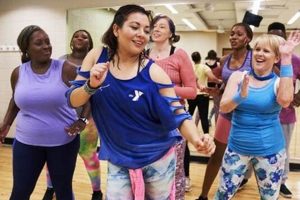
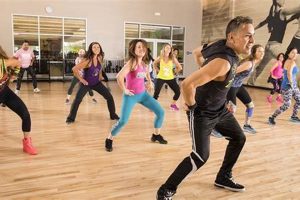
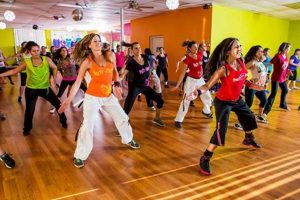
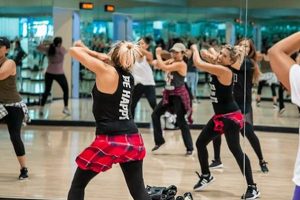
The energy expenditure during a Zumba session is a key point of interest for individuals seeking to understand its impact on fitness goals. Factors such as intensity, duration, and individual metabolism all contribute to the total caloric burn. A typical 60-minute Zumba class, performed at a moderate intensity, can result in a significant number of calories being burned.
Understanding the potential energy expenditure provides valuable information for those incorporating Zumba into a weight management or fitness routine. Caloric expenditure information allows for a more informed approach to diet and exercise planning. Furthermore, the dynamic and engaging nature of Zumba classes can promote adherence and make physical activity more enjoyable, indirectly influencing long-term health outcomes.
The following sections will delve deeper into the elements that influence caloric expenditure in Zumba, examining variations in intensity, the role of individual physiology, and providing methods for estimating energy expenditure during this form of exercise.
Maximizing Caloric Expenditure in Zumba Classes
The following tips are intended to help individuals optimize the energy expenditure during a Zumba class. Consider these recommendations to enhance the potential for weight management and fitness gains.
Tip 1: Optimize Class Selection: Choose classes that emphasize high-intensity intervals and incorporate a variety of dance styles. Classes with more complex choreography can elevate the heart rate and increase caloric consumption.
Tip 2: Maintain Proper Form: Executing each dance move with proper form engages more muscle groups and elevates energy consumption. Focus on core engagement and controlled movements throughout the class.
Tip 3: Intensify Movements: As fitness levels improve, increase the range of motion and add power to the steps. This amplified effort results in a greater caloric expenditure. Consider adding small weights to the wrists or ankles to further increase the intensity. However, consult a physician or qualified fitness professional before adding weights.
Tip 4: Hydrate Adequately: Proper hydration is crucial for maintaining energy levels and metabolic function during exercise. Consume water before, during, and after the class to optimize performance and caloric burn.
Tip 5: Monitor Heart Rate: Tracking heart rate during the Zumba class allows for the assessment of the intensity level. Aim to maintain a heart rate within the target zone for optimal fat burning and caloric expenditure.
Tip 6: Incorporate Active Recovery: Active recovery, such as light stretching or low-intensity movement, can help improve blood flow and reduce muscle fatigue, potentially allowing for a more intense workout during subsequent classes. Incorporate this in between high intensity sessions.
Consistent application of these strategies will maximize the potential for energy expenditure during Zumba classes. This contributes to a more effective fitness regimen.
The subsequent section will focus on factors influencing individual caloric burn and how to accurately estimate energy expenditure.
1. Intensity Level

The intensity level of a Zumba class directly dictates the magnitude of energy expenditure. Higher intensity translates to a greater number of calories burned. This relationship stems from the increased demand placed on the cardiovascular and muscular systems. For example, a class incorporating frequent, high-impact movements like jumps and sprints will elevate the heart rate and breathing rate, leading to a higher caloric burn compared to a class primarily composed of low-impact steps and slower rhythms. The importance of intensity as a component influencing overall energy consumption cannot be overstated; it serves as a primary driver in determining the effectiveness of Zumba for weight management and fitness improvement.
Practical application of this understanding involves selecting Zumba classes aligned with individual fitness goals and capabilities. Individuals aiming for significant caloric expenditure should seek classes described as “high-energy” or “advanced,” characterized by faster tempos and more challenging choreography. Conversely, beginners or individuals with physical limitations may benefit from starting with lower-intensity classes and gradually increasing the challenge. Furthermore, incorporating interval training within a Zumba class, alternating between high and low-intensity bursts, provides a means to maximize energy consumption while accommodating varying fitness levels. A typical example would be two minutes of faster paced routines followed by a minute of less intense motions, which will still give time for participants to catch their breath before moving again.
In summary, intensity level is a critical factor in determining the number of calories expended during a Zumba class. Recognizing this connection enables informed decisions regarding class selection and individual effort, optimizing the potential benefits of Zumba for weight management and fitness outcomes. However, individuals should always consider their physical limitations and consult with healthcare professionals or certified fitness instructors to ensure safe and effective participation.
2. Class Duration

Class duration is a primary determinant of total energy expenditure during a Zumba session. The extended period of physical activity directly influences the cumulative caloric burn, assuming a consistent intensity level. Variations in class length will predictably alter the total energy expended.
- Time Under Tension and Cardiovascular Stress
Prolonged engagement in Zumba places the body under sustained cardiovascular stress and muscular tension. These physiological demands require energy, directly proportional to the session’s duration. For example, a 60-minute class will generally result in a higher caloric expenditure than a 45-minute class, all other factors being equal.
- Metabolic Rate and Post-Exercise Caloric Burn
Extended activity elevates the metabolic rate, both during and after the Zumba session. The “afterburn” effect, or Excess Post-exercise Oxygen Consumption (EPOC), is influenced by the duration of exercise. Longer classes may result in a more prolonged and significant EPOC, contributing to additional caloric expenditure beyond the workout itself.
- Impact of Warm-up and Cool-down Phases
Class duration inherently includes warm-up and cool-down periods. While these phases may not directly contribute to high caloric burn, they are essential for injury prevention and gradual return to a resting state. These segments indirectly affect total energy expenditure by ensuring the body is adequately prepared for and recovers from the more intense periods, allowing for potentially higher exertion during the core workout.
- Psychological Impact and Consistency
Shorter class durations may improve adherence for some individuals, making consistent attendance more likely. While a single shorter class may burn fewer calories than a longer session, consistent participation over time can lead to a greater cumulative caloric deficit, contributing to long-term fitness goals.
In summary, class duration is a significant factor impacting the “how many calories zumba class” question. Longer classes generally yield greater caloric expenditure due to increased time under tension, elevated metabolic rate, and the influence on EPOC. However, psychological factors and individual preferences play a role in determining the optimal class duration for achieving sustained fitness and weight management goals.
3. Individual Metabolism
Individual metabolism significantly influences the number of calories expended during a Zumba class. Metabolism, the biochemical process by which the body converts food and drink into energy, varies substantially among individuals due to factors such as genetics, age, sex, and body composition. A higher metabolic rate results in greater caloric expenditure, even at rest and during physical activity, making it a crucial determinant of the energy balance equation in the context of “how many calories zumba class”. For instance, an individual with a higher resting metabolic rate will likely burn more calories in the same Zumba class compared to someone with a lower resting metabolic rate, assuming all other variables like intensity and duration are constant.
The impact of individual metabolism extends beyond resting energy expenditure. During exercise, the body’s metabolic processes accelerate to meet the increased energy demands. The efficiency of these processes, and the subsequent caloric expenditure, is influenced by factors like muscle mass and hormonal balance. Individuals with more muscle mass exhibit a higher metabolic rate both at rest and during exercise, as muscle tissue is metabolically more active than fat tissue. Consequently, incorporating strength training alongside Zumba may increase muscle mass and indirectly enhance caloric expenditure during Zumba sessions. Furthermore, hormonal imbalances, such as thyroid dysfunction, can significantly alter metabolism and affect the number of calories burned during any physical activity.
Understanding the role of individual metabolism is critical for realistic goal setting in weight management and fitness endeavors. While Zumba classes provide a structured framework for physical activity, the actual caloric burn varies based on the metabolic characteristics of each participant. Individuals should, therefore, focus on a comprehensive approach that considers both exercise and dietary modifications, tailored to their specific metabolic profile. Consulting with healthcare professionals or registered dietitians is recommended to assess individual metabolic rates and develop personalized fitness and nutrition plans. Accurately addressing individual metabolic factors contributes to a more realistic and effective approach to achieving desired health outcomes through Zumba and other forms of physical activity.
4. Body Weight

Body weight directly influences the caloric expenditure during a Zumba class. A heavier individual expends more energy to perform the same movements compared to a lighter individual. This relationship is governed by basic physics; moving a larger mass requires a greater force, translating to increased energy consumption. Therefore, body weight is a significant component influencing the “how many calories zumba class” calculation.
Consider two individuals, one weighing 150 pounds and the other 200 pounds, participating in the same Zumba class. The 200-pound individual will expend more calories because their body requires greater energy to execute the dance steps, maintain posture, and overcome inertia. This disparity arises from the increased effort required to accelerate and decelerate the larger mass during the dynamic movements inherent in Zumba. The greater the body weight, the higher the energy demand, and consequently, the increased caloric expenditure.
The practical significance of understanding this connection lies in its implications for weight management and fitness planning. While Zumba can be an effective tool for burning calories, individuals should recognize that the actual number of calories expended will vary based on their body weight. Recognizing this correlation enables a more realistic approach to setting fitness goals and tracking progress. Those aiming for weight loss can use this information to gauge the effectiveness of Zumba as part of their overall strategy, while those seeking to maintain their weight can adjust their caloric intake accordingly. It’s crucial to consult a healthcare professional to get personal recommendations.
5. Muscle Mass

Muscle mass exerts a significant influence on energy expenditure during physical activity, including Zumba classes. Its role extends beyond mere physical strength, affecting the metabolic processes that determine caloric burn. The relationship between muscle mass and energy expenditure is a critical consideration for those seeking to understand and optimize the benefits of Zumba for fitness and weight management.
- Increased Basal Metabolic Rate
Muscle tissue is metabolically more active than fat tissue, meaning it requires more energy to maintain itself. An individual with greater muscle mass will have a higher basal metabolic rate (BMR), the number of calories burned at rest. This elevated BMR results in a higher overall caloric expenditure, even when not actively exercising. During a Zumba class, the increased BMR translates to a greater number of calories burned compared to someone with less muscle mass.
- Enhanced Caloric Expenditure During Activity
Muscle mass facilitates more efficient and powerful movements during Zumba. The increased strength and endurance afforded by greater muscle mass allow for more sustained and intense participation in the class. This, in turn, leads to a higher caloric expenditure during the activity itself. Moreover, the increased force generated by the muscles contributes directly to the energy demand of the exercise.
- Increased Post-Exercise Oxygen Consumption (EPOC)
Muscle mass influences the magnitude of EPOC, also known as the “afterburn effect.” EPOC refers to the elevated metabolic rate that persists after exercise as the body recovers and repairs muscle tissue. Individuals with greater muscle mass tend to experience a more pronounced and prolonged EPOC effect, burning more calories in the hours following a Zumba class.
- Impact on Exercise Intensity and Duration
Greater muscle mass allows for increased tolerance to exercise intensity and duration. This allows an individual to sustain higher levels of output over the period of the class. Individuals who have high muscular endurance will therefore burn more calories during Zumba.
The interplay between muscle mass and energy expenditure highlights the importance of incorporating strength training alongside Zumba to maximize its fitness benefits. By increasing muscle mass, individuals can enhance their BMR, increase caloric burn during Zumba, and amplify the afterburn effect. The interplay of these three elements makes muscle mass a significant factor in influencing the number of calories expended during a class.
Frequently Asked Questions
The following section addresses common inquiries related to the energy expenditure during Zumba sessions. The aim is to provide clarity on factors influencing caloric burn and offer insights into maximizing the fitness benefits of Zumba.
Question 1: What is the average caloric expenditure during a standard 60-minute Zumba class?
The average caloric expenditure during a standard 60-minute Zumba class typically ranges from 300 to 600 calories. This range varies depending on factors such as intensity, individual metabolism, and body weight. More vigorous classes, or individuals with faster metabolisms or higher body weights will tend to burn more calories.
Question 2: How does the intensity level impact caloric burn in a Zumba class?
The intensity level directly influences the amount of energy expenditure. Higher intensity classes, characterized by faster tempos and more complex choreography, elevate the heart rate and metabolic rate, leading to a greater caloric burn. Lower intensity classes, while still beneficial, will typically result in lower caloric expenditure.
Question 3: Does individual weight affect the quantity of calories burned?
Yes, body weight is a significant factor. A heavier individual expends more energy to perform the same movements compared to a lighter individual. Therefore, heavier individuals will tend to burn more calories in the same Zumba class.
Question 4: Is it possible to accurately estimate the number of calories burned during a Zumba class?
While wearable fitness trackers and heart rate monitors can provide estimations, precise accuracy is difficult to achieve. These devices offer a general indication, but individual variations in metabolism and activity patterns introduce inherent uncertainties. It is better to see them as tools to indicate trends in energy expenditure.
Question 5: Does muscle mass impact caloric expenditure during Zumba?
Yes, greater muscle mass contributes to a higher basal metabolic rate and increased energy expenditure during physical activity. Individuals with more muscle mass will typically burn more calories both at rest and during a Zumba class.
Question 6: How can the number of calories expended in a Zumba class be maximized?
To maximize caloric expenditure, select higher intensity classes, maintain proper form, increase the range of motion, and ensure adequate hydration. Additionally, consider incorporating strength training to increase muscle mass, further elevating overall metabolic rate.
Understanding these aspects enables a more informed approach to incorporating Zumba into a fitness regimen and setting realistic goals. Note that variations in exertion will alter caloric expenditure.
The subsequent section will provide a conclusion, summarizing the key findings and offering final recommendations.
Conclusion
The exploration of the phrase “how many calories zumba class” reveals a complex interplay of factors that contribute to energy expenditure during a Zumba session. The intensity level, class duration, individual metabolism, body weight, and muscle mass all significantly influence the total caloric burn. This understanding underscores the importance of considering individual physiology and tailoring fitness regimens to optimize results.
Effective fitness planning necessitates acknowledging the diverse elements affecting caloric expenditure in Zumba. The information presented is intended as a basis for further consideration and exploration. The pursuit of better understanding of individual fitness and health should be continued.