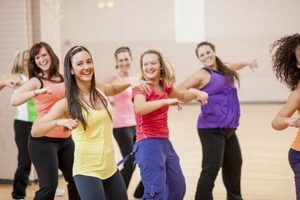
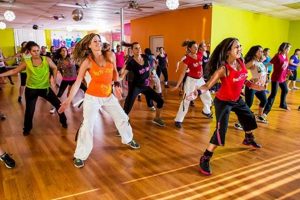
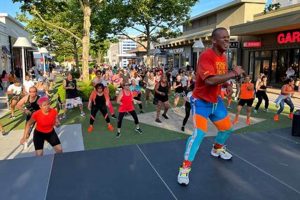
A typical Zumba session spans approximately 60 minutes. This duration is designed to provide a complete cardiovascular workout incorporating various dance rhythms and movements. The structure often includes a warm-up phase, followed by high-intensity interval training (HIIT) periods interspersed with active recovery segments, and concludes with a cool-down and stretching routine.
This timeframe is considered optimal for maximizing the exercise’s benefits, which encompass improved cardiovascular health, enhanced muscular endurance, and increased caloric expenditure. Historical precedents in group fitness classes often established a similar timeframe, balancing workout effectiveness with participant accessibility. The length allows for a sufficient challenge while minimizing the risk of overexertion for participants with varying fitness levels.
The subsequent sections will delve into the specific components of a standard session, explore potential variations in length, and examine factors influencing the overall workout intensity and effectiveness within the allotted time.
Maximizing Benefits
Optimizing the Zumba experience necessitates careful consideration of the session’s length and its impact on individual fitness goals. The following tips address key factors to consider in relation to the class duration.
Tip 1: Assess Individual Fitness Level: Individuals new to Zumba or with limited fitness experience should initially prioritize shorter sessions or modify intensity within a standard-length class. This allows for gradual adaptation and reduces the risk of injury.
Tip 2: Monitor Heart Rate and Exertion: Regularly check heart rate during the class to ensure it aligns with target zones for cardiovascular improvement. Perceived exertion, gauged through breathing rate and muscle fatigue, also provides valuable feedback on the intensity of the workout relative to its duration.
Tip 3: Hydrate Adequately: Proper hydration is crucial, especially during longer or more intense sessions. Consume water before, during, and after the class to maintain optimal performance and prevent dehydration-related fatigue.
Tip 4: Consider Class Format Variations: Certain Zumba formats may incorporate interval training or specialized routines, potentially influencing the perceived difficulty and effectiveness within a given timeframe. Investigate format variations and their impact on caloric expenditure.
Tip 5: Allow for Sufficient Recovery: Incorporate adequate rest and recovery between Zumba sessions, particularly if participating in multiple classes per week. This allows muscles to repair and rebuild, maximizing long-term fitness gains.
Tip 6: Maintain Proper Form Throughout: While Zumba emphasizes energetic movement, maintaining correct posture and technique is paramount, particularly as fatigue sets in. Compromised form can increase the risk of injury, negating benefits regardless of the class’s duration.
Adhering to these guidelines can help individuals tailor their Zumba experience to achieve desired fitness outcomes while minimizing potential risks. The length of a session should be viewed as one component within a broader strategy for overall well-being.
The subsequent section will address adaptations and modifications to tailor Zumba sessions to specific needs, enhancing engagement and maximizing the workout’s effectiveness.
1. Standard

The designation “Standard: 60 minutes” directly answers the query “how long is zumba class” and represents the generally accepted duration for a complete Zumba workout. This timeframe is not arbitrary; it reflects a balance between achieving sufficient cardiovascular stimulation and minimizing participant fatigue or the risk of injury. The 60-minute timeframe typically accommodates a full spectrum of Zumba elements, including a dedicated warm-up, a vigorous interval training phase, and a necessary cool-down period. Without a standardized timeframe, the effectiveness and safety of the workout could be compromised.
For example, a shorter class might not adequately prepare the muscles for exertion, increasing the likelihood of strains or sprains. Conversely, a significantly longer session, especially for novice participants, could lead to overexertion and muscle soreness, discouraging continued participation. Consider a community center offering a 45-minute class advertised as “Zumba Express”; while potentially attractive to individuals with limited time, the reduced duration may necessitate omitting key components, affecting the overall effectiveness. Conversely, a specialty fitness studio offering 75-minute “Zumba Endurance” sessions must carefully manage intensity to prevent burnout.
In summary, “Standard: 60 minutes” provides a crucial benchmark for Zumba classes. Deviations from this norm should be clearly communicated and justified, taking into account participant fitness levels and the specific goals of the session. Understanding this standard empowers individuals to make informed choices and participate effectively in Zumba programs, ultimately maximizing fitness benefits and minimizing potential risks. The balance of the timeframe enables instructors to include all components from start to finish: warm-up, workout and cool-down.
2. Warm-up

The warm-up phase, lasting approximately 5-10 minutes, is an integral component of a standard Zumba class, which generally lasts for 60 minutes. This initial segment prepares the body for the more strenuous activity to follow, mitigating the risk of injury and enhancing performance. The precise duration of the warm-up is determined by factors such as the overall intensity of the class and the experience level of the participants.
- Musculoskeletal Preparation
The primary function of the warm-up is to increase blood flow to the muscles, thereby enhancing their elasticity and reducing stiffness. Exercises like light cardio, joint rotations, and dynamic stretching are commonly incorporated. For instance, arm circles and torso twists gradually increase the range of motion, preparing the joints for the rhythmic movements inherent in Zumba. Insufficient warm-up can lead to muscle strains or ligament sprains, negatively impacting the overall efficacy of the 60-minute session.
- Cardiovascular Acclimation
The warm-up gradually elevates the heart rate and respiratory rate, preparing the cardiovascular system for the demands of the workout. This gradual increase prevents sudden stress on the heart and helps regulate blood pressure. Failure to adequately warm up the cardiovascular system can result in dizziness, shortness of breath, or even more serious cardiovascular events, undermining the intended health benefits of the class. For example, a brisk march followed by a slow salsa step will help raise the heart rate gradually.
- Neuromuscular Activation
The warm-up activates the neural pathways connecting the brain to the muscles, improving coordination and reaction time. Dynamic movements that mimic the steps used in the Zumba session facilitate this activation. A lack of neuromuscular preparation can lead to diminished coordination, improper form, and an increased risk of falls or other accidents. Consider incorporating grapevine steps and basic cha-cha sequences during the warm-up.
- Psychological Readiness
The initial portion of a Zumba session allows participants to mentally prepare for the physical exertion. It provides an opportunity to focus on proper form, synchronize with the music, and mentally detach from external stressors. This contributes to a more effective and enjoyable workout. A rushed or omitted warm-up can lead to anxiety and reduced confidence, detracting from the overall Zumba experience within the 60-minute framework.
The “Warm-up: 5-10 minutes” phase, therefore, is not merely a preliminary step, but a crucial investment within the context of “how long is zumba class”. It primes the body and mind for the subsequent workout, maximizing benefits and mitigating potential risks within the scheduled 60-minute duration. The allocation of time to this phase directly contributes to the overall effectiveness and safety of the Zumba session.
3. Cool-down

The cool-down phase, typically occupying 5-10 minutes within a standard 60-minute Zumba class, serves as a vital transitional period, allowing the body to gradually return to its pre-exercise state. This segment is not a mere addendum; it is strategically integrated into the class structure to mitigate potential adverse effects and optimize recovery, directly influencing the overall effectiveness of the Zumba session.
- Cardiovascular Stabilization
Abrupt cessation of high-intensity activity can lead to blood pooling in the extremities, causing dizziness or lightheadedness. The cool-down, involving low-intensity movements and static stretches, facilitates venous return, preventing this phenomenon. Walking slowly around the room or performing gentle swaying motions allows the heart rate to gradually decrease, ensuring stable blood pressure. Omitting or shortening the cool-down phase increases the risk of cardiovascular complications, negating some of the benefits gained during the exercise. Consider a comparison to a car engine; suddenly shutting it off after high RPMs can cause damage. Similarly, the body requires a gradual deceleration after intense exertion.
- Muscular Recovery and Flexibility
The cool-down incorporates static stretching, targeting the muscles engaged during the workout. Holding stretches for 15-30 seconds increases flexibility, reduces muscle stiffness, and promotes the removal of metabolic waste products, such as lactic acid, which can contribute to muscle soreness. Specific stretches focusing on the calves, hamstrings, and quadriceps are common. Skipping or abbreviating this portion may lead to increased muscle soreness and reduced range of motion in the days following the session. For example, holding a hamstring stretch post-workout aids in lengthening the muscle fibers and preventing tightness.
- Neuromuscular Relaxation
The cool-down period provides an opportunity for the nervous system to downregulate from the heightened state induced by vigorous exercise. Gentle movements and controlled breathing exercises, such as deep diaphragmatic breathing, promote relaxation and reduce stress hormones. This can contribute to improved sleep quality and a greater sense of well-being. Neglecting this aspect can result in residual tension and difficulty unwinding after the class, potentially affecting subsequent activities. Envision the nervous system as a finely tuned instrument requiring a gentle transition back to a restful state.
- Psychological Transition
The cool-down serves as a psychological bridge between the energetic workout and the return to daily activities. It allows participants to reflect on their accomplishments, appreciate the benefits of exercise, and mentally prepare for the remainder of the day. This can enhance mood and reduce the risk of post-exercise anxiety. Rushing or omitting this phase diminishes the holistic benefits of the Zumba experience. The brief cool-down period sets the stage for better recovery and a more positive association with physical activity.
The inclusion of a “Cool-down: 5-10 minutes” within the framework of “how long is zumba class” is not arbitrary; it is a deliberate allocation of time designed to optimize physiological and psychological recovery. This segment is crucial for mitigating potential risks, enhancing flexibility, promoting relaxation, and maximizing the overall benefits derived from the 60-minute Zumba session. A well-executed cool-down directly contributes to a participant’s long-term adherence to exercise and a positive perception of the Zumba experience.
4. Instructor's Discretion

The instructor’s discretion introduces a variable element within the established structure of Zumba classes, directly influencing aspects of “how long is zumba class” beyond the standard 60-minute timeframe. This professional judgment impacts the allocation of time across various class segments, adjusting the session to meet the specific needs and capabilities of the participants.
- Intensity Modulation
The instructor has the authority to modulate the intensity of the workout, potentially affecting the perceived length of the class. A higher-intensity class, even within the same 60-minute timeframe, may feel longer and more demanding due to increased exertion. Conversely, a lower-intensity session might be perceived as shorter and more manageable. The instructor assesses the fitness levels of the participants and adjusts the choreography accordingly. For example, a class comprised primarily of beginners may feature simplified steps and reduced jumping, while an advanced class might include more complex routines and higher-impact movements, influencing caloric expenditure within the allotted time.
- Choreography Customization
Instructors can exercise discretion in selecting and modifying the choreography to suit the participants’ preferences and abilities. This customization can subtly alter the pace and flow of the class, impacting its perceived duration. An instructor might choose to spend more time on popular routines, extending those segments and shortening others. Furthermore, an instructor may choose more simpler movements, and reducing workout more effective. Understanding the class and the movements can help determine how long is Zumba class and plan accordinly.
- Emphasis on Specific Muscle Groups
Instructors possess the prerogative to emphasize particular muscle groups during the workout, influencing both the perceived effort and the overall effectiveness of the session. A class focusing on core strength, for example, may incorporate exercises that require sustained engagement of abdominal muscles, potentially making that portion of the class feel more challenging and time-consuming. Conversely, a class emphasizing lower body strength might feature more leg-intensive routines. This targeted emphasis can also impact the long-term fitness outcomes derived from the Zumba program, making workout more effectively.
- Adaptation for Special Populations
Instructors frequently adapt their classes to accommodate participants with specific needs, such as pregnant women, individuals with mobility limitations, or those recovering from injuries. These modifications can alter the overall intensity and flow of the class, affecting both the perceived and actual duration of certain segments. For instance, an instructor may provide low-impact alternatives for jumping exercises or offer modifications for individuals with joint pain. These adaptations are crucial for ensuring inclusivity and safety, while also demonstrating the instructor’s commitment to accommodating diverse fitness levels.
These aspects of instructor’s discretion, while seemingly minor, collectively shape the overall experience and effectiveness of a Zumba class. These decisions impact how the allocated timeframe is utilized, ensuring that the workout is both challenging and accessible to all participants. Furthermore, it reveals the importance of instructors’ knowledge to the classes.
5. Format variations

Format variations within Zumba significantly influence the effective duration of a class and the distribution of time allocated to different components. These variations cater to diverse fitness goals and participant preferences, altering the core structure and intensity of the workout within a broadly similar timeframe.
- Zumba Toning
Zumba Toning incorporates lightweight toning sticks to enhance muscle engagement during the dance-fitness routines. This format may dedicate a larger portion of the class to exercises specifically targeting muscle groups, potentially shortening the time devoted to purely cardio-based dance routines. The inclusion of strength training elements within the 60-minute framework necessitates a careful balance to ensure both cardiovascular and muscular benefits are achieved. For example, a Zumba Toning class may integrate squats and lunges while holding the toning sticks, requiring a slower pace and more deliberate movements.
- Aqua Zumba
Aqua Zumba takes place in a swimming pool, utilizing the resistance of water to increase workout intensity and reduce impact on joints. The aquatic environment inherently alters the tempo and range of motion, affecting the perceived exertion and the overall duration of specific routines. The buoyancy of water may allow for longer periods of activity without fatigue, while the resistance can increase the caloric expenditure within the allotted timeframe. The instructor must adapt the choreography and adjust the session’s structure to account for the unique properties of the aquatic environment. This could be more effective by adapting the timeframe for underwater work out, but the standard remains roughly at 60 minutes.
- Zumba Gold
Zumba Gold is tailored for active older adults and beginners, focusing on modified movements and lower-impact routines. This format prioritizes safety and accessibility, often involving a slower pace and reduced intensity. Consequently, a Zumba Gold class may allocate more time to the warm-up and cool-down phases, emphasizing flexibility and range of motion exercises. The slower tempo and modified choreography contribute to a less demanding workout, potentially altering the perceived duration of the class. While lower-impact this can still be as effective as regular Zumba class with the right movements and plans.
- Zumba Sentao
Zumba Sentao incorporates a chair as a prop, utilizing bodyweight exercises and dance routines performed around and on the chair. This format adds a new dimension to the workout, engaging core muscles and improving balance. The inclusion of chair-based exercises may require a shift in the distribution of time within the class, with increased emphasis on controlled movements and stability. A Zumba Sentao class may allocate more time to demonstrating and practicing proper form with the chair, potentially adjusting the amount of time spent on traditional dance routines. This variation provides a balanced approach to both dance and workout with help from Sentao.
These format variations demonstrate how the core elements of Zumba can be adapted to meet diverse needs and preferences, ultimately influencing the structure and perceived duration of the 60-minute class. Instructors must carefully consider the specific characteristics of each format and adjust the choreography accordingly to maximize benefits and ensure participant satisfaction. The modifications provided and the movements themselves all impact the overall results from Zumba.
6. Individual modifications
Individual modifications within a Zumba class, particularly in relation to the established timeframe, constitute adaptive strategies that participants employ to personalize the workout intensity and duration based on their unique capabilities and limitations. These modifications influence the realized impact of “how long is zumba class,” altering the experience from a standardized group activity into a tailored exercise regime. Failure to implement necessary modifications can lead to suboptimal results or, more concerningly, physical injury, thereby compromising the intended benefits of the 60-minute session.
For example, individuals with joint pain may opt for lower-impact variations of jumps and leaps, extending the overall duration of high-intensity intervals as they require more recovery time between repetitions. Similarly, participants managing cardiovascular conditions might intermittently reduce their exertion levels, effectively creating personalized active recovery periods within the structured class. These accommodations, whether self-directed or guided by the instructor, directly impact the volume and type of exercises completed during the standard timeframe. Without these adjustments, the risk of exacerbating pre-existing conditions or inducing new injuries rises, effectively rendering the set class duration detrimental rather than beneficial. An advanced participant might also add weights for a better workout experience.
In summary, individual modifications are not merely optional alterations but integral components in optimizing the benefits derived from a Zumba class. The awareness and implementation of these adjustments ensure that the established timeframe aligns with individual physiological needs and fitness aspirations. Recognizing this interplay fosters a safer, more effective, and ultimately more rewarding exercise experience, underscoring the nuanced relationship between prescribed class duration and personalized physical capacity.
Frequently Asked Questions
The following questions address common inquiries regarding the duration of Zumba classes and related considerations.
Question 1: What is the typical duration of a standard Zumba class?
A standard Zumba class generally spans 60 minutes, encompassing a warm-up, the main workout, and a cool-down phase.
Question 2: Are there variations in class length for different Zumba formats?
While 60 minutes is standard, some formats, such as Zumba Express, may be shorter (e.g., 45 minutes), while specialty classes could potentially extend beyond this timeframe.
Question 3: How much of the class time is dedicated to the warm-up and cool-down?
Typically, 5-10 minutes are allocated to both the warm-up and cool-down segments, respectively, within the 60-minute session.
Question 4: Can the instructor adjust the length of the class?
While the core session length is usually maintained, instructors may slightly modify the duration of specific segments (e.g., warm-up, cool-down) based on class needs and experience levels.
Question 5: Does the advertised class duration include changing and cool-down periods?
Advertised class durations generally refer to the active workout time. Time for changing and personal cool-down should be factored in separately.
Question 6: How does the length of a Zumba class relate to its overall effectiveness?
The 60-minute timeframe is designed to provide a comprehensive cardiovascular workout. Shorter sessions may offer limited benefits, while excessively long sessions could increase the risk of overexertion.
Understanding these common questions can aid in making informed decisions regarding Zumba participation. The class duration is one factor to consider within a broader fitness strategy.
The next section will address modifications that can be implemented within a Zumba class to accommodate varying fitness levels and physical limitations.
Conclusion
The exploration of “how long is zumba class” reveals that the standard 60-minute duration represents a carefully considered balance. This timeframe accommodates necessary components such as warm-up, high-intensity activity, and cool-down, optimizing cardiovascular benefits while mitigating risks. Format variations, instructor discretion, and individual modifications introduce flexibility, allowing for adaptation to diverse fitness levels and preferences. Deviations from this norm warrant clear communication and justification to ensure participant safety and program effectiveness.
The effectiveness of a Zumba session relies not solely on its duration but also on the strategic allocation of time within that framework and on the individual’s capacity to engage safely and effectively. Prospective participants are encouraged to assess their fitness level, communicate with instructors, and prioritize proper form and hydration. Continuous exploration of how session length influences physical outcomes remains critical for maximizing benefits and ensuring the long-term viability of Zumba programs as a valuable component of public health initiatives.