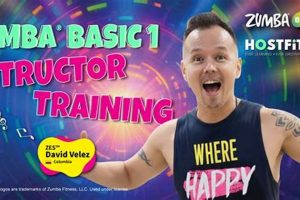
The process of qualifying to lead Zumba classes involves specific training and certification. Individuals interested in teaching this fitness program must successfully complete a Zumba Basic 1 Instructor Training course. This foundational course introduces the core rhythms and basic steps that form the foundation of Zumba instruction. Successful completion results in initial certification, enabling individuals to begin teaching officially licensed Zumba classes.
Acquiring Zumba instructor certification offers several advantages. It allows individuals to share their passion for fitness while earning income. Furthermore, officially licensed instructors benefit from the Zumba Instructor Network (ZIN), providing access to resources, marketing materials, and continuing education. This network facilitates professional development and helps instructors stay current with evolving trends and techniques within the Zumba program. Historically, the increasing popularity of group fitness classes has driven demand for qualified Zumba instructors, making certification a valuable asset.
Subsequent sections will outline the prerequisites for enrollment in the Basic 1 training, detail the curriculum covered during the course, and discuss the steps required to maintain certification and advance to more specialized Zumba training levels. Furthermore, strategies for building a successful Zumba instruction career will be explored, including marketing, class management, and continuing professional development.
Essential Steps to Becoming a Certified Zumba Instructor
Aspiring Zumba instructors should prioritize strategic planning and dedicated preparation to ensure a successful entry into the field.
Tip 1: Fulfill Prerequisites: Confirm eligibility for the Zumba Basic 1 training by meeting any specified age or fitness level requirements. Early verification prevents potential enrollment issues.
Tip 2: Budget Wisely: Factor in the cost of the Basic 1 training course, ZIN membership fees (if desired), insurance coverage, and marketing expenses. A realistic budget helps manage financial obligations.
Tip 3: Prioritize Skill Development: Refine dance skills and fitness levels before enrolling in the training. Strong fundamentals enhance learning and performance during the certification process.
Tip 4: Research Training Options: Explore various training dates, locations, and instructors. Select a course that aligns with individual learning preferences and schedules. Consider instructor reviews or testimonials when available.
Tip 5: Actively Participate: Engage fully during the Basic 1 training. Ask questions, practice the steps diligently, and connect with fellow participants to maximize learning outcomes.
Tip 6: Understand Licensing Requirements: Become familiar with the terms and conditions of the Zumba license agreement. Compliance ensures proper use of the Zumba brand and intellectual property.
Tip 7: Secure Insurance Coverage: Obtain appropriate liability insurance before teaching any Zumba class. Insurance protects against potential legal or financial claims related to injuries or accidents.
Tip 8: Establish a Marketing Plan: Develop a strategy for promoting Zumba classes to potential students. This may involve creating social media profiles, distributing flyers, or partnering with local gyms or community centers.
Diligent adherence to these tips can streamline the certification process and lay a solid foundation for a rewarding career as a Zumba instructor.
The following section will discuss maintaining Zumba certification and continuing professional development for long-term success.
1. Training Course Completion

Training course completion represents the foundational element in the process of becoming a certified Zumba instructor. It is a mandatory prerequisite, serving as the formal introduction to Zumba’s core rhythms, basic steps, and instructional techniques. Successfully navigating this training directly enables an individual to teach officially licensed Zumba classes, as it provides the necessary certification acknowledged by Zumba Fitness, LLC. Without completion of an official Zumba Basic 1 instructor training course, individuals lack the authorization to promote or conduct classes under the Zumba brand.
The curriculum within the training course provides practical skills and knowledge essential for effective instruction. This includes learning how to cue steps, modify movements for various fitness levels, understand music structure, and create engaging class choreography. The training course serves as a controlled environment to practice these skills, receive feedback from experienced Zumba Education Specialists (ZES), and learn strategies for managing a class effectively. For example, an instructor trained to adapt choreography for older adults or individuals with mobility limitations demonstrates the practical application of skills acquired during training.
In summary, training course completion is not merely an arbitrary requirement but the cornerstone of becoming a legitimate Zumba instructor. It establishes competency, provides a standardized foundation for instruction, and grants the legal right to operate under the Zumba brand. The initial certification obtained through this training acts as a gateway to ongoing professional development and access to the Zumba Instructor Network, facilitating continuous improvement and adherence to Zumba’s standards of quality. Therefore, aspiring instructors must prioritize enrollment and active participation in a recognized Zumba Basic 1 training course as the first, indispensable step in their journey.
2. License Acquisition

License acquisition constitutes a critical, non-negotiable phase in qualifying as a Zumba instructor. While completing the Basic 1 training course provides initial certification, it does not automatically grant the legal right to teach Zumba classes indefinitely. An active Zumba instructor license, typically maintained through membership with the Zumba Instructor Network (ZIN), ensures compliance with Zumba Fitness, LLCs intellectual property rights and licensing agreements. Failure to acquire or maintain a valid license exposes individuals to potential legal repercussions, including cease and desist orders and potential lawsuits for copyright infringement. Therefore, successful completion of the initial training is merely the first step; securing and maintaining the appropriate license is paramount to legitimate practice.
The Zumba Instructor Network membership, the most common pathway to license acquisition, offers numerous benefits beyond legal compliance. It provides access to a library of pre-choreographed routines, marketing resources, and continuing education opportunities. For instance, ZIN members receive monthly releases of new music and choreography, ensuring their classes remain fresh and engaging. Furthermore, the network offers workshops and advanced training modules, enabling instructors to specialize in specific Zumba programs like Zumba Gold (for seniors) or Zumba Kids. The ongoing resources and support provided through ZIN contribute directly to an instructor’s professional development and the quality of their classes. Without ZIN membership, access to these crucial resources is limited, potentially hindering an instructors ability to deliver effective and engaging Zumba classes.
In conclusion, license acquisition is not merely a formality but an integral component of a legitimate Zumba instruction career. It ensures legal compliance, unlocks access to essential resources, and fosters ongoing professional development. While the initial training provides the foundational skills and knowledge, maintaining an active license through ZIN membership (or other approved pathways) secures the long-term viability and ethical standing of a Zumba instructor. Aspiring instructors should, therefore, prioritize understanding and adhering to the licensing requirements as a fundamental aspect of establishing their Zumba practice.
3. Insurance Coverage

Insurance coverage forms a critical, often overlooked, component in the process of becoming a Zumba instructor. While certification validates an individual’s competence in delivering Zumba classes, it does not provide financial protection against potential liabilities arising from injuries or accidents during those classes. The absence of adequate insurance can expose instructors to significant financial risks, potentially jeopardizing their personal assets and impeding their ability to continue teaching. Thus, understanding and securing appropriate insurance is an essential element in establishing a responsible and sustainable Zumba instruction career.
The connection between insurance coverage and instruction lies in mitigating potential risks. Accidents, such as falls or sprains, can occur during Zumba classes, regardless of the instructor’s skill or the participants’ fitness levels. In such instances, the instructor may be held liable for medical expenses, legal fees, or other damages if negligence can be proven. A comprehensive liability insurance policy provides financial protection in these scenarios, covering legal defense costs and potential settlements. For example, an instructor teaching in a rented studio space may also be required by the property owner to maintain liability insurance as a condition of the rental agreement. This illustrates the practical application of insurance in securing a venue to conduct classes, thereby enabling instructors to operate legally and without undue financial risk. The cost of insurance coverage is often far less than the potential expenses associated with a single liability claim, making it a prudent investment for any Zumba instructor.
In conclusion, insurance coverage is not merely an optional add-on but an integral aspect of how to become a Zumba instructor. It safeguards instructors from potentially devastating financial liabilities, enables them to operate with greater confidence, and fulfills ethical and legal obligations. While focusing on mastering choreography and class management is essential, neglecting insurance coverage leaves instructors vulnerable. Prioritizing insurance coverage demonstrates a commitment to professionalism and responsible business practices, securing the long-term viability of a Zumba instruction career.
4. Continuous Education

Continuous education forms a critical and ongoing aspect of a Zumba instructor’s professional development, directly influencing long-term success in the field. While initial certification provides a foundation of knowledge and skills, the fitness industry, including Zumba, is subject to evolving trends, music styles, and best practices. Therefore, a commitment to continuous learning is not merely beneficial, but essential for remaining relevant, engaging students, and delivering high-quality instruction. The absence of continuous education can lead to stagnation, reduced class attendance, and ultimately, diminished career prospects. The pursuit of ongoing education is thus inextricably linked to the goal of effectively serving as a Zumba instructor.
The Zumba Instructor Network (ZIN) offers a primary avenue for accessing continuous education opportunities. ZIN members gain access to monthly music and choreography releases, ensuring classes remain fresh and aligned with current trends. Additionally, ZIN provides specialized training courses covering various Zumba programs, such as Zumba Gold for active older adults or Zumba Kids for younger participants. These specialized courses enable instructors to cater to specific demographics and expand their market reach. Furthermore, workshops and conferences organized by Zumba Fitness, LLC, offer advanced training on topics such as cueing techniques, class management strategies, and business development. These opportunities facilitate professional growth and ensure instructors remain current with the latest developments in the Zumba methodology. The effect of continuous education can be observed in instructors who integrate new choreography seamlessly, adapt classes to accommodate diverse fitness levels, and effectively promote their services to attract and retain students.
In summary, continuous education is an indispensable component of a thriving Zumba instruction career. It safeguards against obsolescence, fosters professional growth, and enhances the quality of instruction. While initial certification establishes the baseline competency, ongoing learning ensures long-term relevance and success. Aspiring and current Zumba instructors should actively seek opportunities for continuous education, leveraging resources such as the ZIN, specialized training courses, and industry conferences, to maximize their professional potential and deliver engaging, effective, and safe Zumba classes.
5. Marketing Strategies

Effective marketing strategies represent a crucial, often underestimated, component in transforming from a certified Zumba instructor to a successful one. While the Zumba Basic 1 training provides the foundational skills and the license grants permission to teach, marketing strategies enable the creation of a viable business by attracting and retaining students. The cause-and-effect relationship is direct: a well-executed marketing plan leads to increased class attendance and, consequently, greater revenue for the instructor. Ignoring marketing, even with exceptional teaching skills, often results in under-attended classes and an inability to sustain a Zumba instruction career. The importance of marketing strategies is thus inseparable from the overall process.
Several concrete examples illustrate the practical significance of this understanding. A newly certified instructor might utilize social media platforms to showcase short Zumba routines, offering a glimpse of their teaching style and class energy. Collaborations with local gyms or community centers can provide established venues and access to a pre-existing clientele. Offering introductory discounts or free trial classes can incentivize potential students to experience a Zumba class firsthand. Word-of-mouth marketing, cultivated through positive student testimonials and referrals, is another potent strategy. Furthermore, instructors who understand their target demographic (e.g., seniors, young adults, new mothers) can tailor their marketing messages and class formats to resonate with that specific group, increasing their likelihood of attracting dedicated students. Conversely, instructors who rely solely on generic advertising or fail to adapt their marketing efforts to their local market often struggle to build a consistent student base.
In conclusion, mastering the dance steps and earning the certification are necessary but insufficient steps toward becoming a thriving Zumba instructor. The application of well-defined marketing strategiesincluding social media promotion, community partnerships, targeted advertising, and referral programsis essential for translating certification into a sustainable career. Challenges such as competition from other fitness classes or limited marketing budgets must be addressed proactively. By viewing marketing as an integral part of the professional journey, aspiring instructors can significantly increase their chances of long-term success in the competitive world of Zumba instruction.
Frequently Asked Questions
The following questions address common inquiries regarding the process and requirements for becoming a certified Zumba instructor.
Question 1: What are the prerequisites for enrolling in a Zumba Basic 1 Instructor Training course?
Specific prerequisites vary; however, a general level of fitness and an interest in dance and music are typically expected. Some training courses may stipulate a minimum age requirement. Contact the specific training provider for precise eligibility criteria.
Question 2: Does completion of the Basic 1 training automatically grant the right to teach Zumba classes?
Completion of the Basic 1 training provides initial certification. To maintain the legal right to teach officially licensed Zumba classes, instructors must typically maintain an active Zumba Instructor Network (ZIN) membership or fulfill alternative licensing requirements stipulated by Zumba Fitness, LLC.
Question 3: Is Zumba instructor certification transferable between different countries?
Zumba instructor certification is generally recognized globally. However, local regulations regarding fitness instruction may apply. Prospective instructors should research any specific requirements in their intended teaching location.
Question 4: What type of insurance coverage is recommended for Zumba instructors?
Liability insurance is strongly recommended to protect against potential claims arising from injuries or accidents during classes. The specific type and amount of coverage may vary depending on the instructor’s location and the venue where classes are held.
Question 5: How frequently should Zumba instructors pursue continuing education?
Continuous education is an ongoing necessity. Zumba Fitness, LLC, recommends ZIN membership for access to monthly choreography updates and specialized training courses. Maintaining currency with evolving trends and techniques is crucial for long-term success.
Question 6: What are effective strategies for marketing Zumba classes to potential students?
Effective marketing strategies encompass a variety of approaches, including social media promotion, collaborations with local gyms or community centers, and offering introductory discounts or trial classes. Adapting marketing messages to target specific demographics can also be beneficial.
These questions address common misconceptions surrounding Zumba instructor certification. Maintaining awareness of these aspects ensures that aspiring instructors approach the process with the right expectations and adequate preparation.
The subsequent section will provide insights into building a successful career as a Zumba instructor, including strategies for class management and student retention.
Achieving Zumba Instructor Certification
This exploration of how to become a Zumba instructor has detailed the multi-faceted process. It has covered initial training and certification to ongoing licensing, insurance considerations, and continuous professional development. The attainment of Zumba instructor status is a deliberate progression. A Zumba instructor requires dedicated effort and adherence to Zumba Fitness, LLC guidelines.
Prospective instructors should diligently pursue all required steps, recognizing the importance of both foundational skills and sustained commitment to excellence. The ultimate goal must be not just teaching Zumba but providing a safe, effective, and engaging fitness experience for all participants.