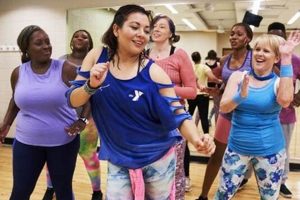
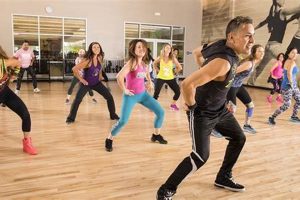
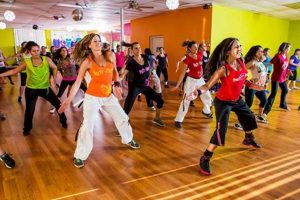
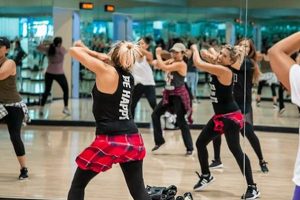
The initial experience of participating in a Zumba session involves an introduction to a dance fitness program inspired by Latin American music and rhythms. Participants can expect a high-energy environment led by an instructor who guides them through a series of choreographed steps designed to be easy to follow, regardless of fitness level or dance background. The session typically incorporates a warm-up, followed by various dance sequences, and concludes with a cool-down period.
Engagement in such a program can offer numerous physical and mental benefits. It provides a full-body workout that improves cardiovascular health, muscle toning, and coordination. The social aspect of group fitness classes contributes to stress reduction and improved mood. Zumbas origins can be traced to the mid-1990s, evolving from an improvised fitness routine into a globally recognized exercise phenomenon.
Understanding the fundamentals prepares individuals to approach related topics such as choosing appropriate attire, understanding class formats, and maximizing the positive impact on overall well-being. This foundation also facilitates informed decisions about integrating such activities into a regular fitness regimen.
Essential Considerations for the Zumba Initiate
Initiating participation in a Zumba program necessitates careful consideration to optimize the experience and mitigate potential challenges.
Tip 1: Appropriate Attire: Selecting clothing that allows for a full range of motion is paramount. Breathable fabrics that wick away moisture contribute to comfort and prevent overheating during the activity.
Tip 2: Supportive Footwear: Footwear with adequate cushioning and lateral support is crucial to minimize the risk of injury. Cross-training shoes or dance sneakers are generally recommended over running shoes.
Tip 3: Hydration is Key: Maintaining adequate hydration before, during, and after the session is essential for regulating body temperature and preventing dehydration. Consume water at regular intervals.
Tip 4: Pace Oneself: Understanding personal physical limitations and adjusting the intensity of the movements accordingly is vital. Avoiding overexertion reduces the likelihood of strain or injury.
Tip 5: Familiarize Oneself with Basic Steps: Acquainting oneself with fundamental Zumba steps prior to attending a session can enhance confidence and facilitate a smoother learning curve. Online tutorials can provide a valuable resource.
Tip 6: Arrive Early: Arriving at the location with sufficient time allows for proper stretching, instructor introduction, and familiarization with the environment. This promotes a more relaxed and prepared participation.
These preparatory measures collectively contribute to a safer and more enjoyable initial experience with the Zumba program.
Following these guidelines lays the groundwork for successful integration of this physical activity into a health and wellness routine.
1. Attire
Selecting appropriate clothing is a pivotal consideration when participating in a Zumba session, directly influencing comfort, mobility, and overall performance. The demands of the exercise necessitate garments that facilitate a wide range of motion while managing body temperature.
- Fabric Composition: Breathability and Moisture-Wicking
The selection of breathable fabrics is paramount in maintaining comfort and preventing overheating. Materials such as cotton blends, bamboo, or synthetic moisture-wicking fabrics allow air circulation and facilitate the evaporation of perspiration. This is crucial during high-intensity activity to regulate body temperature and prevent discomfort.
- Fit and Freedom of Movement: Avoiding Restrictions
Clothing should allow for unrestricted movement of the arms, legs, and torso. Tight-fitting garments can impede flexibility and hinder the execution of dance steps. Opting for loose-fitting or stretchable materials ensures that participants can comfortably perform the dynamic movements inherent in the exercises.
- Layering Options: Adaptability to Temperature Fluctuations
Layering provides adaptability to varying temperature conditions. A light, breathable top can be worn over a moisture-wicking base layer. This allows for adjustments based on individual comfort levels and the intensity of the workout. Layering permits removal of garments as the body temperature increases, preventing overheating and discomfort.
- Support and Coverage: Ensuring Confidence and Preventing Distractions
Appropriate support, particularly for female participants, is essential. A supportive sports bra minimizes movement and discomfort during high-impact activity. Additionally, clothing should provide adequate coverage to ensure confidence and prevent distractions. This may involve selecting longer tops or pants to maintain modesty during various movements.
The intersection of these factors underscores the importance of deliberate attire selection. Prioritizing breathability, freedom of movement, layering options, and adequate support contributes to a more comfortable, safe, and effective initial Zumba experience, allowing participants to focus on the exercise and enjoy the benefits of the program.
2. Hydration

Participation in a Zumba session, particularly for individuals without prior experience, presents a unique physiological challenge requiring adequate hydration. The activity’s high-intensity nature, characterized by continuous movement and rhythmic exertion, significantly increases the body’s core temperature and promotes substantial fluid loss through perspiration. Insufficient fluid intake prior to, during, or following the session can lead to dehydration, negatively impacting performance and potentially causing adverse health effects such as muscle cramps, dizziness, and fatigue. For example, a person engaging in a 60-minute Zumba class in a warm environment may lose up to 1-2 liters of fluid, depending on individual factors and intensity levels.
Strategic hydration practices are essential for mitigating these risks. Consuming approximately 16-20 ounces of water or a sports drink 2-3 hours before the session prepares the body for fluid loss. During the Zumba class, periodic sips of water every 15-20 minutes can help maintain fluid balance and prevent dehydration. Post-exercise rehydration is equally crucial, replenishing lost fluids and electrolytes. Choosing beverages with electrolytes can aid in restoring these essential minerals, particularly sodium and potassium, which are lost through sweat. A practical application involves measuring weight before and after the session to estimate fluid loss and guide post-exercise rehydration strategies.
In summary, the connection between hydration and the Zumba experience is direct and critical. Maintaining adequate fluid intake is not merely a recommendation but a necessity for optimizing performance, preventing dehydration-related complications, and ensuring a safe and enjoyable activity. Neglecting proper hydration protocols can undermine the potential benefits of Zumba and increase the risk of adverse health outcomes. By understanding and implementing appropriate hydration strategies, individuals can maximize their enjoyment and achieve better results from their involvement in this form of exercise.
3. Footwear

Footwear plays a crucial, often underestimated, role in the introductory Zumba experience. The selection of appropriate footwear directly influences participant safety, comfort, and performance, setting the stage for either a positive and encouraging initial experience or one fraught with discomfort and potential injury. Understanding specific requirements is essential.
- Impact Absorption and Cushioning
Zumba involves repetitive, high-impact movements that can place significant stress on joints, particularly the knees and ankles. Footwear with adequate cushioning, such as gel or foam inserts, absorbs impact forces, reducing the risk of stress fractures, shin splints, and other impact-related injuries. A running shoe, while cushioned, may not provide sufficient lateral support, making it less suitable than shoes designed for cross-training or dance.
- Lateral Support and Stability
The dynamic, side-to-side movements characteristic of Zumba necessitate footwear that provides ample lateral support. This support prevents excessive foot pronation or supination, minimizing the risk of ankle sprains and instability. Shoes with reinforced lateral support features, such as supportive overlays or a wider outsole, enhance stability and control during these movements. Shoes lacking adequate lateral support can lead to muscle fatigue and increased risk of injury.
- Sole Traction and Pivot Points
Optimal traction is crucial for maintaining balance and control during Zumba’s diverse range of steps. A sole with a non-slip surface prevents unintended slips and falls. At the same time, pivot points or smooth areas on the sole facilitate easy turning and pivoting movements, reducing strain on the knees and ankles. Shoes with excessive grip can impede these movements, increasing the risk of injury, while shoes with insufficient grip can lead to slips and falls.
- Flexibility and Breathability
While support is paramount, footwear should also allow for natural foot movement and flexibility. Shoes with a flexible forefoot promote a natural range of motion, reducing fatigue and enhancing performance. Breathable materials, such as mesh uppers, promote airflow, preventing overheating and excessive sweating, which can lead to discomfort and blisters. Rigid, non-breathable footwear can restrict movement and create an uncomfortable environment for the feet.
The considerations above highlight the integrated nature of footwear requirements for the Zumba initiate. The right shoe balances impact absorption, lateral support, sole traction, and flexibility, directly influencing safety, comfort, and enjoyment. A well-informed footwear choice transforms the initial Zumba class from a potential source of discomfort and injury into a positive and empowering experience, laying the groundwork for continued participation and enjoyment of the fitness program.
4. Intensity

Understanding the concept of intensity is critical for those participating in an initial Zumba session. The level of exertion directly influences physiological response, potential benefits, and risk of injury. Adapting intensity to individual fitness levels and physical limitations is fundamental to a positive and safe engagement.
- Initial Fitness Assessment
Prior to attending an introductory Zumba session, a self-assessment of current fitness levels is advisable. Factors to consider include cardiovascular endurance, muscle strength, and joint mobility. Individuals with pre-existing health conditions or limited exercise experience should consult with a healthcare professional to determine an appropriate starting intensity. This assessment helps in calibrating expectations and avoiding overexertion during the class.
- Modification of Movements
Zumba instructors typically offer modifications for various movements to accommodate different fitness levels. Participants should feel empowered to adapt the steps to suit their individual needs. For example, high-impact jumps can be modified to low-impact steps, and arm movements can be reduced in range or frequency. Recognizing and implementing these modifications allows individuals to control the intensity and prevent potential strain or injury.
- Monitoring Physiological Response
Paying close attention to physiological signals during the session is crucial for managing intensity. Indicators such as heart rate, breathing rate, and perceived exertion level provide valuable feedback. If breathing becomes excessively labored, or if significant discomfort or pain is experienced, reducing the intensity or taking a break is recommended. Using the rate of perceived exertion (RPE) scale, where a rating of 1 corresponds to rest and 10 corresponds to maximal exertion, can assist in quantifying and managing intensity.
- Progressive Overload
As fitness levels improve, gradually increasing the intensity of Zumba sessions can lead to further gains in cardiovascular endurance and muscle strength. This progressive overload can be achieved by increasing the range of motion, adding more complex steps, or increasing the duration of the session. However, it is crucial to implement these changes gradually to avoid overtraining and injury. Consulting with a qualified fitness professional can provide guidance on implementing progressive overload safely and effectively.
The relationship between intensity and the initial Zumba class is a dynamic one, requiring ongoing self-assessment, adaptation, and monitoring. By understanding and managing intensity effectively, individuals can maximize the benefits of Zumba while minimizing the risks, fostering a sustainable and enjoyable approach to fitness.
5. Familiarization

A direct correlation exists between pre-class familiarization and the overall success of the initial Zumba experience. Individuals who proactively engage in familiarizing themselves with the program’s basic elements tend to exhibit greater confidence and adaptability. A lack of prior exposure to the fundamental rhythms and steps can result in feelings of intimidation and disorientation, negatively impacting participation and enjoyment. For instance, an individual who reviews basic Zumba steps online prior to attending the first class is more likely to follow the instructor’s cues and integrate smoothly into the session. This preparation serves as a foundation, allowing the participant to focus on the physical and social aspects of the activity rather than struggling to comprehend rudimentary movements.
The benefits of pre-class familiarization extend beyond the individual participant, potentially improving the overall dynamic of the session. When a majority of individuals in a class possess a basic understanding of the movements, the instructor can dedicate more time to refining technique and introducing variations, rather than repeatedly explaining fundamental steps. This creates a more cohesive and engaging environment for all involved. Real-world examples of this effect can be observed in community Zumba classes, where participants are often encouraged to watch introductory videos or attend beginner-level workshops before joining regular sessions. This practice cultivates a more prepared and confident participant base, leading to higher levels of engagement and retention.
Ultimately, pre-class familiarization serves as a crucial bridge, connecting the individual’s expectations with the realities of the Zumba environment. Addressing this preparatory step allows participants to proactively mitigate potential challenges and maximize the positive impact of the experience. Neglecting this component can create a barrier to entry, potentially discouraging individuals from pursuing the numerous physical and mental health benefits associated with regular Zumba participation. Therefore, promoting resources and strategies for pre-class familiarization represents a tangible investment in the long-term success of participants and the overall vitality of the Zumba community.
6. Punctuality

Punctuality exerts a significant influence on the individual’s inaugural Zumba experience. Arriving promptly for the session allows adequate time for several preparatory activities crucial for optimal engagement. These include securing a suitable location within the studio, permitting an unobstructed view of the instructor, and affording the opportunity to engage in preliminary stretching exercises, minimizing the risk of muscular strain during subsequent activity. Tardiness, conversely, disrupts this preparatory phase, potentially leading to compromised positioning within the class and insufficient time for necessary warm-up routines. Example: A participant arriving late may find themselves relegated to the rear of the studio, obstructed by other attendees, hindering their ability to accurately observe and emulate the instructor’s movements, thus diminishing the effectiveness of their initial participation.
Beyond the individual sphere, adherence to scheduled start times fosters a respectful and conducive environment for all participants. Delayed arrival disrupts the established rhythm of the class, diverting the instructor’s attention and potentially impacting the concentration of other attendees. The instructor is then compelled to address the latecomer, often repeating initial instructions or modifications, thus detracting from the collective learning experience. Furthermore, consistent punctuality establishes a precedent of respect for the instructor’s time and expertise, nurturing a positive and mutually beneficial relationship within the fitness environment. Practical application: Fitness studios often implement policies regarding late entry to mitigate disruptions and maintain the integrity of the scheduled class.
In summation, punctuality is not merely a matter of adherence to a schedule but an integral component of a successful and rewarding Zumba initiation. It facilitates proper preparation, minimizes the risk of physical injury, promotes a respectful atmosphere, and enhances the overall learning experience for both the individual and the collective. Failure to recognize and prioritize punctuality can undermine the potential benefits derived from participation and negatively impact the individual’s perception of the program. Thus, prioritizing timeliness is a tangible investment in a positive and impactful introduction to the Zumba discipline.
Frequently Asked Questions Regarding the Initial Zumba Session
This section addresses common inquiries and misconceptions surrounding participation in a Zumba program for the first time. Understanding these factors can contribute to a more informed and positive experience.
Question 1: Is prior dance experience necessary to participate effectively?
No. The Zumba program is designed to be accessible to individuals of all fitness levels and dance backgrounds. Instructors typically provide modifications for various movements, allowing participants to adjust the intensity and complexity to their individual abilities. Focus should be placed on enjoying the music and movement rather than achieving perfect execution.
Question 2: What constitutes appropriate attire beyond the recommendations mentioned previously?
While the general recommendations of breathable fabrics and freedom of movement apply, additional considerations include the type of Zumba session. Certain specialty sessions may necessitate specific footwear or accessories. For example, Zumba Toning classes often incorporate light weights, while Aqua Zumba classes require swimwear. Consulting the class description or instructor beforehand clarifies any specific requirements.
Question 3: How can potential participants ascertain the suitability of a specific class?
Reviewing the class description and instructor credentials offers valuable insights. Studios often categorize classes based on intensity level or target audience (e.g., beginner, advanced, seniors). Reading reviews from previous participants can provide anecdotal evidence regarding the instructor’s teaching style and the overall class atmosphere. Visiting the studio and observing a portion of a class before participating can also aid in assessing suitability.
Question 4: What steps can mitigate potential muscle soreness following the first session?
Implementing a thorough cool-down routine, including static stretching of major muscle groups, aids in reducing muscle stiffness and soreness. Engaging in light activity, such as walking, in the days following the session can also promote blood flow and facilitate muscle recovery. Adequate hydration and consumption of protein-rich foods contribute to muscle repair and reduce inflammation.
Question 5: How does one navigate feeling self-conscious or awkward during the initial experience?
Remembering that everyone present, including the instructor, was once a beginner can alleviate anxiety. Focus on personal progress and enjoyment of the music, rather than comparing oneself to others. Positioning oneself strategically within the class, allowing for visual access to the instructor and minimizing direct observation from other participants, can also foster a sense of comfort. The most important aspect is to relax and have fun.
Question 6: What role does communication play in optimizing the overall experience?
Open communication with the instructor is essential. Informing the instructor of any pre-existing injuries or physical limitations prior to the session allows them to provide appropriate modifications and guidance. Additionally, providing feedback to the instructor regarding the pace, complexity, or volume of the music can contribute to a more customized and enjoyable experience for all participants.
These questions and answers provide a foundation for addressing anxieties and optimizing participation. Approaching the initial Zumba experience with knowledge and preparation fosters a more positive and beneficial outcome.
This understanding facilitates exploration of more advanced Zumba techniques and related fitness strategies.
The preceding discourse has systematically explored the salient aspects of the inaugural Zumba class. Emphasis has been placed on the significance of appropriate attire, hydration strategies, footwear selection, intensity management, pre-class familiarization, and the imperative of punctuality. These elements, when diligently addressed, collectively contribute to a safer, more comfortable, and ultimately, more rewarding initiation into this dynamic fitness discipline.
A measured and informed approach to the introductory Zumba experience empowers individuals to unlock the numerous physical and mental health benefits associated with regular participation. Understanding these core principles not only optimizes the immediate experience but also establishes a sustainable foundation for long-term engagement, fostering a commitment to personal well-being and a lifelong appreciation for the transformative power of movement. Therefore, diligent preparation ensures a positive and impactful entry point to what could become a consistent component of a healthy lifestyle.